





Tuesday, 30 December 2025 11:55 PM
Advertorial
A research-informed overview of key formula components, realistic expectations, and what consumers should verify before ordering any brain health supplement.
PHOENIX, ARIZONA / ACCESS Newswire / December 30, 2025 / This article is for informational purposes only and does not constitute medical advice. Always consult a qualified healthcare professional before starting any new supplement. Supplements are not intended to diagnose, treat, cure, or prevent any disease. Affiliate Disclosure: This article contains affiliate links, which are clearly marked. If you click on an affiliate link and make a purchase, a commission may be earned at no additional cost to you. This compensation does not influence the accuracy or integrity of the information presented.
Brainergy Supplement Guide: Ingredient Evidence, Safety Considerations, and Buyer Checklist
You saw the ad.
Maybe it scrolled past on Facebook late at night. Maybe Instagram served it up between stories. Maybe it caught your eye on YouTube before a video started. Something about it resonated-a supplement claiming to support memory, clear away mental fog, and help you think more clearly.
And now you are doing exactly what you should do. You are researching before you buy.
That instinct to verify before purchasing is smart. It is also why this guide exists-to give you the complete picture so you can decide for yourself whether Brainergy makes sense for your situation.
Over the next several thousand words, we will examine what this supplement actually contains, what research exists on those ingredients, what you can realistically expect, who might benefit, who should probably look elsewhere, and how to evaluate whether it is worth your money. We will also address the questions you are probably already wondering about: Is this legitimate? Does it actually do anything? What are the risks?
By the end, you will have the information you need to make your own informed decision.
See the current Brainergy offer here
What Is Brainergy? Getting the Facts Straight
Let us start with what we actually know, sourced directly from the company's materials.
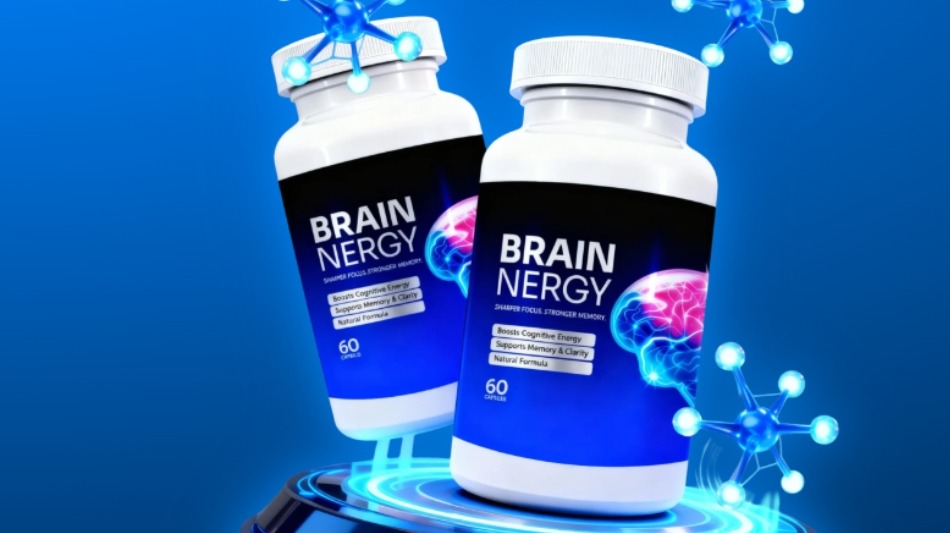
According to the official Brainergy website, this is a dietary supplement marketed for brain health support. The website describes the formula as containing "vital nutrients"-though interestingly, the page uses both "5" and "6" when describing the ingredient count in different sections. The actual ingredient list shown on the website includes Branched Chain Amino Acids in a 2:1:1 ratio, Bacopa Monnieri Extract, Rhodiola Rosea Root Powder, L-Theanine, and Panax Ginseng Extract.
Before we go further, we need to establish something fundamental about what you are considering.
Brainergy is a dietary supplement. This classification matters enormously for understanding what it can and cannot do, and what protections you have as a consumer.
Under the Dietary Supplement Health and Education Act of 1996, supplements are regulated differently than pharmaceutical drugs. The FDA does not review or approve dietary supplements for safety or effectiveness before they reach the market. Manufacturers are responsible for ensuring their products are safe and that any claims made are truthful and not misleading-but there is no pre-market verification by the FDA.
This is not a criticism specific to Brainergy. This is how the entire dietary supplement industry operates in the United States. Every brain supplement you see advertised-Neuriva, Prevagen, Alpha Brain, all of them-operates under this same regulatory framework.
What this means for you: supplements can make "structure-function" claims (like "supports memory") but cannot legally claim to diagnose, treat, cure, or prevent any disease. The evidence standards are different from pharmaceuticals. And the burden of research before purchasing falls more heavily on you, the consumer.
That is exactly why guides like this one exist.
The company recommends taking two capsules daily, preferably in the morning with water, about 20-30 minutes before a meal. The website suggests this timing is intended to align with how the supplement is meant to be taken.
Important Note: The Brainergy formula as a complete product has not been independently clinically studied. The research discussed in this guide pertains to individual ingredients, not to this specific combination at these specific dosages.
Now let us examine each ingredient and what we actually know from research-separate from the marketing claims.
Verification Checklist Before Purchase
Before ordering any dietary supplement, verify the following directly on the company's website and checkout page:
Confirm the complete ingredient list and serving size on the product label
Confirm current package pricing and shipping costs for your location
Confirm refund policy instructions, timeframes, and eligibility conditions
Confirm customer service contact details appear on checkout and order confirmation
Review the company's terms of service and privacy policy
This due diligence helps ensure you understand exactly what you are purchasing and what recourse you have if unsatisfied.
Understanding Brain Fog: Why You Might Be Searching for Solutions
Before diving into specific ingredients, it helps to understand the problem that likely brought you here.
Brain fog is not a medical diagnosis. It is a colloquial term describing a cluster of symptoms that many people experience: difficulty concentrating, forgetfulness, mental fatigue, feeling "cloudy" or "slow," struggling to find words, and a general sense that your thinking is not as sharp as it used to be.
If this describes your experience, you have plenty of company.
These symptoms have become increasingly common. Contributing factors may include chronic stress, poor sleep quality, aging, hormonal changes, and the cognitive demands of modern life. Many people report these experiences, and the desire to address them is understandable.
The frustration is legitimate. You remember being sharper. You remember conversations flowing without searching for words. You remember not needing to write everything down. And you want that version of yourself back.
Important: If you are experiencing significant or sudden cognitive changes, consulting a healthcare provider is important to rule out underlying medical conditions. This guide discusses dietary supplements, which are not substitutes for medical evaluation or treatment.
This is the emotional space that brain supplement advertising targets-and it is a real need. The question is whether any supplement can meaningfully help, and if so, which ingredients have actual research support versus which are mostly marketing.
Let us look at what science tells us about Brainergy's specific ingredients.
Ingredient Analysis: Bacopa Monnieri Extract
Of the ingredients listed in the Brainergy formula, Bacopa monnieri has a notable body of research specifically focused on cognitive function, though findings vary by study and extract standardization.
Bacopa monnieri is a perennial herb native to wetlands in India, Australia, and other tropical regions. In traditional Ayurvedic medicine, it has been used for centuries under the name "Brahmi" and historically associated with memory and cognitive support.
The active compounds believed responsible for Bacopa's effects are called bacosides. Researchers have studied these compounds through various mechanisms to understand how they might influence cognition.
What Does the Research Actually Show?
A 2014 meta-analysis published in the Journal of Ethnopharmacology reviewed nine randomized controlled trials examining Bacopa monnieri. The pooled analysis found evidence suggesting Bacopa supplementation was associated with improvements in attention, cognitive processing speed, and working memory compared to placebo.
However-and this is important-the authors explicitly noted that study quality varied significantly across trials. They called for larger, more rigorous studies to confirm these findings. This is the honest state of the research: promising but not definitive.
A 2016 systematic review in Evidence-Based Complementary and Alternative Medicine examined ten randomized controlled trials. The researchers concluded that Bacopa monnieri "has the potential to improve cognition, particularly speed of attention."
Here is a critical detail from that review: most positive effects were observed after 12 weeks of supplementation. This is not a quick-fix ingredient. If Bacopa works for you, it appears to require consistent daily use over months before effects become noticeable.
A 2021 review in Frontiers in Pharmacology examined Bacopa's potential neuroprotective properties. The researchers summarized evidence suggesting bacosides may have antioxidant properties and may support acetylcholine function-a neurotransmitter critical for memory. However, much of this mechanistic evidence comes from laboratory and animal studies. Whether these effects translate meaningfully to humans taking oral supplements is not fully established.
What the Website Claims vs. What Research Supports
The Brainergy website describes Bacopa as acting like a "neural gardener" that "stimulates the growth of new connections between neurons (dendrites)." This language references research on dendritic growth that has been observed in laboratory cell studies and animal models.
Whether similar effects occur in human brain tissue from oral supplementation at the dosages found in commercial supplements is not established. The marketing language is more confident than the research currently supports.
This does not mean Bacopa is useless-the human trial data on attention and memory is genuinely interesting. It means we should be appropriately calibrated about what we know versus what is extrapolated from preliminary research.
The Bottom Line on Bacopa
Bacopa monnieri has more research support than many brain supplement ingredients. The evidence suggests potential benefits for attention and memory, but effects are modest, individual responses vary, and you need to use it consistently for 8-12 weeks minimum before expecting to notice anything.
This is ingredient-level research. The Brainergy formula as a complete product has not been independently clinically studied.
Ingredient Analysis: Rhodiola Rosea Root Powder
Rhodiola rosea is a flowering plant that grows in cold, mountainous regions of Europe, Asia, and North America. It belongs to a category called adaptogens-herbs theorized to help the body resist various stressors and maintain balance.
Unlike Bacopa, which researchers study primarily for direct cognitive effects, Rhodiola's research focuses more on stress resilience, fatigue reduction, and mental performance under demanding conditions.
What Does the Research Actually Show?
A study published in Phytomedicine examined Rhodiola rosea extract in students during a stressful examination period. Students who took Rhodiola showed improvements in measures of physical fitness, mental fatigue, and neuro-motoric tests compared to placebo.
Importantly, the effects on overall examination performance were not statistically significant. Rhodiola appeared to help participants feel less fatigued and think more clearly-but this did not automatically translate to measurably better test scores. This distinction matters for setting expectations.
A 2012 systematic review in BMC Complementary and Alternative Medicine evaluated eleven randomized controlled trials of Rhodiola rosea. The review found evidence suggesting potential benefits for both physical and mental fatigue. However, the authors noted that methodological limitations in many studies made definitive conclusions difficult. They called for larger, better-designed trials.
Research has also examined Rhodiola's effects on cortisol, the primary stress hormone. A study in Planta Medica found that Rhodiola extract appeared to modulate cortisol response to acute stress in some participants. The theoretical mechanism is that by helping regulate stress hormones, Rhodiola may indirectly support cognitive function-since chronic elevated cortisol is known to impair memory and concentration.
What the Website Claims vs. What Research Supports
The Brainergy website describes Rhodiola as improving "brain oxygenation" and enabling "faster decisions, less procrastination, and greater resistance to mental burnout."
The stress resilience and anti-fatigue claims have more direct research support than claims about brain oxygenation, which is a more specific physiological claim that would require different types of studies to verify. The marketing language extends beyond what the current research clearly demonstrates.
The Bottom Line on Rhodiola
Rhodiola may be particularly relevant if your cognitive challenges are stress-related. If you are chronically stressed, burned out, sleeping poorly due to anxiety, or mentally exhausted from work or caregiving demands, Rhodiola's adaptogenic properties might be more applicable to your situation than to someone whose concerns are purely age-related memory changes.
This is ingredient-level research. The specific effects of Rhodiola within the Brainergy formula have not been studied.
Ingredient Analysis: L-Theanine
L-Theanine is an amino acid found primarily in tea leaves, especially green tea. It is one of the compounds believed to contribute to an interesting paradox: why tea can feel both calming and mentally clarifying despite containing caffeine.
Of the ingredients in this formula, L-Theanine has perhaps the most consistent research findings-though those findings relate to specific effects.
What Does the Research Actually Show?
Multiple studies have examined L-Theanine's effects on brain wave patterns using electroencephalography (EEG). Research published in Nutritional Neuroscience found that L-Theanine supplementation increased alpha wave activity in the brain. Alpha waves are associated with a state of wakeful relaxation-the brain state often observed during meditation, creative thinking, or calm focus.
A study in the Asia Pacific Journal of Clinical Nutrition similarly found that L-Theanine induced alpha brain wave activity, with effects observed within 30-40 minutes of consumption. This is notably faster than ingredients like Bacopa, which may require weeks or months to produce noticeable effects.
Research published in Brain Topography examined L-Theanine's effects on attention. Participants who took L-Theanine showed improvements on attention tasks compared to placebo. The EEG data suggested these improvements were associated with increased alpha wave activity in brain regions involved in attention processing.
L-Theanine has also been studied for anxiety effects. A study in Human Psychopharmacology found that L-Theanine supplementation was associated with reduced anxiety responses to acute stress. Participants showed reduced heart rate increases and lower subjective anxiety ratings compared to placebo.
Some of the most compelling L-Theanine research examines its combination with caffeine. A systematic review in Nutrition Reviews found that L-Theanine combined with caffeine was associated with improvements in attention and task-switching ability. Researchers suggested L-Theanine may smooth out caffeine's stimulant effects-providing alertness without jitteriness or anxiety.
What This Means for You
L-Theanine's research profile suggests it may help promote what researchers sometimes call "relaxed alertness"-calm focus without sedation. If your cognitive challenges involve anxiety, mental restlessness, racing thoughts, or difficulty settling your mind enough to concentrate, L-Theanine may be particularly relevant.
One important consideration: Brainergy does not contain caffeine. If you are interested in the well-studied L-Theanine-caffeine combination, you would need to get caffeine from other sources (coffee, tea, or another supplement). Whether L-Theanine produces similar synergistic effects with the other ingredients in this formula is unknown.
The Brainergy website describes L-Theanine as promoting "calm focus" and increasing alpha waves associated with "creativity and relaxed concentration." This description aligns reasonably well with what the research literature actually shows-making it one of the more accurately represented ingredients in the formula.
This is ingredient-level research. L-Theanine's effects within the complete Brainergy formula have not been independently studied.
Ingredient Analysis: Panax Ginseng Extract
Panax ginseng, also called Korean ginseng or Asian ginseng, is one of the most extensively researched medicinal herbs globally. The name "Panax" derives from the Greek word "panacea," reflecting its historical reputation as a near-universal remedy.
It is important to distinguish Panax ginseng from other plants marketed as "ginseng" that are actually different species. American ginseng (Panax quinquefolius) and Siberian ginseng (Eleutherococcus senticosus) are different plants with different active compounds and different research profiles.
The active compounds in Panax ginseng are called ginsenosides. Different ginseng preparations contain varying concentrations and ratios of these compounds, which may explain some inconsistency in research results.
What Does the Research Actually Show?
A Cochrane Database systematic review examined randomized controlled trials of Panax ginseng for cognitive function. The reviewers found some evidence suggesting potential benefits for aspects of cognitive function, including memory and attention.
However, they noted that study quality was variable and concluded that more rigorous research was needed before drawing definitive conclusions. This is a common finding in herbal medicine research-interesting preliminary results that need confirmation through larger, better-designed studies.
A randomized, double-blind study published in Psychopharmacology examined acute effects of Panax ginseng on cognitive function and mood. Participants who received ginseng showed improvements on certain cognitive tests, particularly those involving mental arithmetic and attention, compared to placebo. Effects were observed within hours of consumption.
Research has also explored ginseng's effects on fatigue. A meta-analysis in PLOS ONE reviewed randomized controlled trials and found evidence suggesting potential anti-fatigue effects from Panax ginseng supplementation. However, the authors noted significant heterogeneity across studies-meaning results varied considerably depending on the specific ginseng preparation, dosage, and population studied.
What the Website Claims vs. What Research Supports
The Brainergy website describes Panax ginseng as improving "cerebral blood circulation" and optimizing "glucose use by neurons," claiming this "translates into faster reasoning, better reaction time."
Some research has examined ginseng's effects on blood glucose regulation during cognitive tasks, with one study in Psychopharmacology finding associations between ginseng and improved glucose management during mental testing. However, the confident claims about "faster reasoning" and "better reaction time" extend beyond what the research clearly establishes.
The Bottom Line on Panax Ginseng
Ginseng has a long traditional history and substantial research interest, but results have been inconsistent. It may be most relevant for mental fatigue and energy-helping you feel more mentally alert and less depleted. If your cognitive concerns primarily involve feeling mentally exhausted or experiencing afternoon energy crashes, ginseng may be applicable.
This is ingredient-level research. The effects of Panax ginseng within the Brainergy formula specifically have not been studied.
Ingredient Analysis: Branched Chain Amino Acids (BCAAs) 2:1:1
Branched Chain Amino Acids-leucine, isoleucine, and valine-are essential amino acids most commonly associated with athletic performance, muscle protein synthesis, and exercise recovery. Their inclusion in a brain health supplement is less conventional than the other ingredients.
The "2:1:1" designation indicates the formula contains twice as much leucine as isoleucine and valine-a ratio commonly used in sports nutrition products.
What Does the Research Actually Show?
BCAAs can cross the blood-brain barrier, which means they can potentially influence brain chemistry directly. Once in the brain, they can serve as precursors for neurotransmitter synthesis and may contribute to brain energy metabolism.
A 2017 review in the journal Amino Acids explored relationships between BCAAs and brain function. The researchers noted that BCAAs compete with tryptophan (an amino acid precursor to serotonin) for transport across the blood-brain barrier. This competition can influence neurotransmitter balance, though the implications are complex and context-dependent.
Research has examined BCAAs specifically in the context of mental fatigue during prolonged physical activity. A study in the Journal of Sports Medicine and Physical Fitness found that BCAA supplementation during exercise was associated with reduced perceived mental fatigue in some participants.
However, this research context-exercise-induced mental fatigue-differs significantly from the cognitive concerns most people searching for brain supplements probably have. The evidence for cognitive benefits from BCAAs in sedentary adults seeking memory or focus support is limited.
What the Website Claims vs. What Research Supports
The Brainergy website describes BCAAs as "building blocks that fuel the brain" and providing "direct energy to neurons, reducing mental fatigue during periods of high cognitive demand."
While there is a theoretical basis for BCAAs supporting brain function, the direct evidence for cognitive benefits in healthy adults seeking memory or focus support is thinner than for the herbal ingredients in this formula. The marketing claims are more confident than the research currently supports.
The Bottom Line on BCAAs
The inclusion of BCAAs in a brain health supplement is unconventional. They have some theoretical relevance to brain function, but the evidence base for cognitive benefits in the population likely purchasing this supplement is limited compared to ingredients like Bacopa or L-Theanine.
This is ingredient-level research. Whether BCAAs meaningfully contribute to any cognitive effects within the Brainergy formula is unknown.
How Might These Ingredients Work Together?
One question the research cannot fully answer is whether these five ingredients produce synergistic effects when combined-effects greater than what each would produce alone.
The theoretical case for combination: Bacopa may support memory over time. Rhodiola may help manage stress that interferes with cognition. L-Theanine may promote the calm-but-alert state optimal for focus. Ginseng may support mental energy. BCAAs may provide precursors for neurotransmitter synthesis.
If these mechanisms complement each other, the combination could theoretically provide broader support than any single ingredient.
The honest reality: we do not know whether this actually happens with Brainergy specifically. This formula has not been studied as a complete product. We are extrapolating from individual ingredient research, which may or may not translate to this specific combination at these specific dosages.
This uncertainty is common with multi-ingredient supplements. It does not mean the product cannot provide benefit-it means we cannot make confident predictions about what you will experience.
Setting Realistic Expectations: What You Might Actually Experience
Let us be direct about what you can realistically expect versus what falls into the category of marketing optimism.
What Might Be Realistic
Some people may experience subtle improvements in mental clarity, focus, or memory after several weeks of consistent use. The operative words are "some," "subtle," and "several weeks."
Based on ingredient research, particularly for Bacopa, meaningful effects may require 8-12 weeks of daily use. This is not a weekend experiment. L-Theanine may produce effects more quickly-potentially within an hour-but those effects relate more to relaxed alertness than to memory improvement specifically.
If stress or mental fatigue contributes to your cognitive challenges, you might notice benefit from the adaptogenic ingredients sooner in terms of feeling less mentally depleted.
Individual responses vary significantly. Some people notice meaningful differences. Others notice little or nothing. This variation is normal and does not necessarily reflect product quality-it reflects the reality that supplement responses differ based on baseline status, genetics, lifestyle factors, and countless other variables.
What Is Probably Not Realistic
Immediate, dramatic improvement is unlikely. If you expect to feel noticeably sharper within days, you will probably be disappointed.
Effects comparable to prescription medications are not supported by this evidence base. Supplements provide nutritional support; they do not work like pharmaceutical drugs.
Reversal of significant cognitive decline is not something supplements can deliver. If you have serious memory concerns-particularly if others have noticed changes or if you are worried about conditions like dementia-medical evaluation is far more important than any supplement.
Universal benefit for everyone is also unrealistic. Research shows average effects across populations, but individual responses range from meaningful improvement to no noticeable change.
The Honest Bottom Line
Brain health supplements like Brainergy may provide modest cognitive support for some individuals, particularly when used consistently over time as part of an overall healthy lifestyle. They are not miracle products. They will not transform your cognitive abilities. For some people, they may provide a modest boost that feels meaningful and worthwhile. For others, they may do nothing noticeable at all.
Approaching this with calibrated expectations is the best way to evaluate the product fairly and avoid disappointment.
Who Might Brainergy Align Well With?
Rather than relying on testimonials-which represent self-selected individual experiences and may not reflect typical results-let us think through who might reasonably consider this supplement.
This Supplement May Make Sense for People Who:
Are experiencing mild to moderate age-related cognitive changes. If you have noticed your memory, focus, or mental clarity is not quite what it used to be-but you do not have a diagnosed cognitive condition-you fit the general profile of people who try brain health supplements. The ingredients have been studied primarily for supporting cognitive function in generally healthy adults.
Have already addressed foundational factors. Sleep, exercise, diet, and stress management have larger effects on cognitive function than any supplement. If you are sleeping 7-9 hours consistently, exercising regularly, eating reasonably well, and managing stress-and you still want additional support-a supplement becomes a more reasonable consideration. If foundational factors are neglected, addressing those will likely produce more benefit than any pill.
Experience stress-related cognitive challenges. If your brain fog or focus difficulties coincide with high stress, burnout, or chronic mental fatigue, the adaptogenic ingredients (Rhodiola, L-Theanine) may be particularly relevant.
Can commit to consistent, patient use. Research on key ingredients suggests benefits may take 8-12 weeks to manifest. If you can use the product daily for two to three months before making a judgment, you give the ingredients a fair trial.
Have realistic expectations. If you understand that supplements provide modest support rather than dramatic transformation, you are less likely to be disappointed.
Other Options May Be More Appropriate for People Who:
Have been diagnosed with a cognitive disorder. Dementia, Alzheimer's disease, and other diagnosed conditions require medical treatment. Supplements are not treatments for medical conditions. If you have received a diagnosis, work with healthcare professionals.
Take medications with potential interactions. Several ingredients may interact with medications. Panax ginseng may interact with blood thinners, diabetes medications, and drugs metabolized by the liver. Rhodiola may interact with antidepressants. If you take prescription medications, consult a healthcare provider before adding this supplement.
Expect immediate or dramatic results. If you need to feel dramatically different by next week, supplements are unlikely to meet that expectation.
Have significant budget constraints. At the prices listed on the website, ongoing supplementation represents a meaningful expense. If cost is a significant concern, prioritizing free interventions (sleep optimization, exercise, stress management) may provide better return on investment.
Are pregnant or nursing. There is insufficient research to establish safety during pregnancy or breastfeeding.
Questions to Ask Yourself
Before deciding, honestly consider:
What specific cognitive challenges am I experiencing, and when did they start?
Have I discussed these concerns with a healthcare provider?
Am I optimizing foundational factors like sleep, exercise, and stress management?
What are my realistic expectations for what a supplement might do?
Can I afford consistent use for at least 8-12 weeks?
Are there medications or health conditions that might make this risky for me?
Your answers will help clarify whether this supplement-or any brain health supplement-makes sense for your situation.
Safety Considerations
No supplement discussion is complete without addressing safety.
General Context
Dietary supplements are not required to prove safety through pre-market clinical trials. The FDA can take action against supplements found to be unsafe, but this happens after problems emerge rather than through preventive screening. This places more responsibility on consumers to research what they are taking.
Ingredient-Specific Considerations
Bacopa Monnieri is generally well-tolerated in research. The most common side effects are gastrointestinal-nausea, stomach cramps, bloating, diarrhea. These effects often decrease when Bacopa is taken with food. Some people report dry mouth or fatigue.
Rhodiola Rosea is generally considered well-tolerated. Some people report activation or difficulty sleeping if taken late in the day. Rhodiola may interact with antidepressants, particularly MAOIs and SSRIs. If you take psychiatric medications, consult a healthcare provider before use.
L-Theanine has a favorable safety profile. It occurs naturally in tea, which has been consumed safely for thousands of years. Rare reports include headache, dizziness, and mild gastrointestinal symptoms.
Panax Ginseng has more interaction potential than the other ingredients. It may interact with blood thinners (including aspirin and warfarin), diabetes medications, medications metabolized by the liver, and MAOIs. Reported side effects include insomnia, headaches, digestive upset, and changes in blood pressure. Extended use at high doses is generally not recommended without medical supervision.
BCAAs are generally well-tolerated as they occur naturally in protein foods. People with certain metabolic conditions should avoid BCAA supplements. BCAAs may interact with some Parkinson's disease and diabetes medications.
When to Consult a Healthcare Provider First
Talk to a doctor or pharmacist before trying this supplement if you:
Take any prescription medications
Have chronic health conditions
Have a history of hormone-sensitive conditions
Are pregnant, nursing, or planning pregnancy
Have surgery scheduled
Experience unusual symptoms after starting any supplement
This safety overview is not exhaustive. When in doubt, ask a professional.
Pricing and Guarantee Information
According to the official Brainergy website, the supplement is available in three quantity options.
Two-Bottle Package (60-Day Supply): The website lists this at $79 per bottle, totaling $158 plus shipping.
Three-Bottle Package (90-Day Supply): Listed at $69 per bottle, totaling $207 with free US shipping. Includes five digital bonus guides.
Six-Bottle Package (180-Day Supply): Listed at $49 per bottle, totaling $294 with free US shipping. Includes five digital bonus guides.
The significant per-bottle price difference between packages incentivizes larger purchases. This aligns with research suggesting ingredients like Bacopa require consistent long-term use, but larger purchases also carry more risk if the product does not work for you.
The Satisfaction Guarantee
According to the website, orders include a 60-day money-back guarantee from purchase date. The site states that if you are not satisfied after at least 30 days of use, you can contact customer service for support.
Verify current guarantee terms, conditions, and any exclusions directly with the company before ordering. Terms can change, and specific details about the refund process should be confirmed in advance rather than after purchase.
Pricing Disclaimer: All prices and terms mentioned were sourced from the official website and were accurate at time of publication in December 2025. Pricing can change at any time. Always verify current pricing and terms on the official website before ordering.
The Bonus Guides
The three and six-bottle packages include five digital bonus guides covering topics like gut health, herbal remedies, sleep optimization, cognitive exercises, and supplement usage tips. These are delivered electronically. Their value depends on whether you will actually use them.
Where to Buy and Important Considerations
Based on available information, Brainergy is sold through its website.
The website contact information listed is:
Email:[email protected]
Phone: +1-866-637-2482
This contact information is sourced directly from the Brainergy website. Buyers should verify all policies, pricing, and terms directly with the company before ordering.
Addressing Common Questions
Is Brainergy Legitimate?
Brainergy is sold online through its website with standard e-commerce practices and a stated money-back guarantee. The ingredients listed are real compounds with varying levels of research support. Buyers should verify policies, pricing, and contact details on the official page before ordering and should approach any supplement purchase with appropriate due diligence.
Does Brainergy Actually Work?
This depends on what "work" means and who is asking. The individual ingredients have varying research support. Bacopa has the strongest evidence base for memory and attention benefits. However, the complete Brainergy formula has not been clinically studied. Individual responses vary significantly-some people may notice benefits, others may not.
Is Brainergy FDA Approved?
No dietary supplement is FDA-approved in the way pharmaceutical drugs are. The FDA regulates supplements under rules that do not require pre-market approval. This applies to all supplements, not just Brainergy.
How Long Does It Take to Work?
Different ingredients work on different timelines. L-Theanine may produce subtle effects within an hour. Rhodiola and Ginseng effects may emerge within weeks. Bacopa typically requires 8-12 weeks of consistent use before effects on memory become apparent. Most people should plan on at least two to three months before making a final evaluation.
Can I Take It With Medications?
Consult a healthcare provider first. Several ingredients have potential interactions, particularly Ginseng (with blood thinners, diabetes medications) and Rhodiola (with antidepressants).
What Is the Return Policy?
The website states a 60-day money-back guarantee. Verify current terms directly with the company before purchasing.
The Bigger Picture: Supplements in Context
No supplement is a substitute for the fundamentals of brain health.
Sleep may be the single most important factor for cognitive function. During sleep, your brain consolidates memories and clears metabolic waste. If you are not sleeping 7-9 hours consistently, addressing that will likely produce more cognitive benefit than any supplement.
Physical exercise has robust evidence for supporting brain health. Aerobic exercise increases blood flow to the brain and promotes release of brain-derived neurotrophic factor (BDNF).
Stress management directly impacts cognition. Chronic stress impairs memory and focus through multiple mechanisms.
Diet provides raw materials for brain function. Mediterranean-style eating patterns have been associated with better cognitive outcomes.
Mental stimulation-learning new things, challenging activities, social connection-supports cognitive health over time.
Supplements like Brainergy fit best as a potential complement to these foundations, not as a replacement. The people most likely to benefit are those who have addressed the fundamentals and want additional support. The people least likely to benefit are those hoping a pill will fix what lifestyle changes need to address.
Final Thoughts: Making Your Decision
You now have a comprehensive picture of what Brainergy is, what its ingredients do (and do not) have research support for, what you can realistically expect, and what questions to ask yourself before deciding.
Summary of Key Points
The formula contains several ingredients with research support, particularly Bacopa monnieri for memory and attention and L-Theanine for relaxed alertness. However, research on each ingredient shows modest effects, significant individual variation, and the need for consistent long-term use.
The website's marketing language sometimes extends beyond what research clearly supports. This is common in supplement marketing and is why independent research matters.
The complete formula has not been studied as a finished product. We are extrapolating from individual ingredient research.
If you try this supplement, expect subtle effects over weeks or months, not dramatic immediate changes.
The Decision Is Yours
If you have addressed lifestyle foundations, have realistic expectations, can commit to consistent use for 8-12 weeks, and the cost is acceptable-trying Brainergy with the protection of the money-back guarantee is a reasonable choice.
If you have unaddressed health concerns, take medications with potential interactions, or expect immediate dramatic results-this may not be the right fit.
Either way, you now have the information to decide for yourself.
See the current Brainergy offer here
Contact Information
Company: Brainergy
Email: [email protected]
Phone: +1-866-637-2482
Disclaimers
FDA Health Disclaimer: These statements have not been evaluated by the Food and Drug Administration. This product is not intended to diagnose, treat, cure, or prevent any disease. This disclaimer mirrors the FDA-required structure/function disclaimer used on dietary supplement labeling per 21 CFR 101.93. Always consult your physician before starting any new supplement, especially if you have existing health conditions, take medications, or are pregnant or nursing.
Professional Medical Disclaimer: This article is educational and does not constitute medical advice. Brainergy is a dietary supplement, not a medication. It is not a substitute for professional medical care, diagnosis, or treatment. If you are currently taking medications, have existing health conditions, are pregnant or nursing, or are considering any major changes to your health regimen, consult your physician before starting any new supplement. Do not change, adjust, or discontinue any medications without your physician's guidance.
Results May Vary: Individual results will vary based on factors including age, baseline cognitive status, lifestyle factors, consistency of use, genetic factors, current medications, sleep quality, stress levels, diet, and other individual variables. The information presented is based on research for individual ingredients; Brainergy as a finished product combining these ingredients has not been clinically studied. Results are not guaranteed.
FTC Affiliate Disclosure: This article contains clearly marked affiliate links, labeled as "Sponsored/Affiliate Link." If you purchase through an affiliate link, a commission may be earned at no additional cost to you. This compensation does not influence the accuracy, neutrality, or integrity of the information presented. This disclosure is provided in accordance with Federal Trade Commission guidelines requiring clear and conspicuous disclosure of material connections. The official website link and sponsored affiliate links are clearly distinguished throughout this article.
Pricing and Availability Disclaimer: All prices, discounts, promotional offers, and terms mentioned were sourced from the official Brainergy website and were accurate at time of publication in December 2025. Pricing and terms are subject to change without notice. Always verify current pricing, terms, and policies on the official website before making any purchase decision.
Publisher Responsibility Disclaimer: The publisher has made every effort to ensure accuracy based on available information at time of publication. We do not accept responsibility for errors, omissions, or outcomes resulting from use of this information. Readers are encouraged to verify all details directly with the company and their healthcare provider before making decisions.
Ingredient Interaction Warning: Some ingredients in this formula may interact with medications or health conditions. Panax ginseng may interact with blood thinners, diabetes medications, and drugs metabolized by the liver. Rhodiola rosea may interact with antidepressants and other psychiatric medications. Always consult your healthcare provider before starting any supplement if you take medications or have chronic health conditions.
Article published: December 2025
This buyer's guide was created to provide complete, balanced information for consumers researching Brainergy. The goal is to help you make an informed decision based on accurate information about what is known and what remains uncertain about this supplement.
SOURCE: Brainergy