




Tuesday, 15 September 2026 09:20 PM
Environmental, Social and Governance
REEDVILLE, VA / ACCESS Newswire / September 15, 2026 / The Center for Conservation Biology at William & Mary has released the results of its 2026 Chesapeake Bay osprey breeding performance monitoring, reporting historically low reproductive rates in higher salinity portions of the Bay and attributing widespread nesting failures to food stress.
As these findings receive attention, it is important to distinguish between evidence of food stress and evidence of what caused food stress.
The Center itself states that "the underlying causes of reduced availability of menhaden to osprey are not clear." It identifies climate change, commercial harvest, changes in menhaden distribution and delayed entry into Bay waters as possible contributing factors.
Dr. Bryan Watts has made the same distinction even more directly, writing earlier this year: "Our paper [does not] attempt to link poor osprey reproduction to menhaden harvest."
Both CCB and the U.S. Geological Survey have also identified numerous other factors that can affect osprey reproductive performance, including storms and other adverse weather, heat stress, predation, human disturbance, contaminants, disease, parental condition, brood size, competition for prey and access to prey.
Timing also deserves consideration. Chesapeake osprey return to breeding territories in late February and March and begin laying eggs in early April, while Virginia's commercial purse seine season does not open until the first Monday in May and did not begin fishing in 2026 until early June.
There is also a broader geographic context. U.S. Geological Survey scientists have noted recent leveling or declining osprey population trends in other parts of the country, including Florida, South Carolina, North Carolina, New Jersey and Delaware, as well as on the Pacific Coast in California and Washington. The presence of similar trends in areas far removed from the Chesapeake Bay-and, in the case of the Pacific Coast, where there is no Atlantic menhaden fishery-underscores the need for caution before attributing the Chesapeake observations to a single fishery.
We are not disputing the reproductive conditions reported by the Center. The point is simply that neither CCB nor USGS has established that commercial menhaden fishing caused them.
At the same time, a number of conservation and recreational fishing advocacy organizations have mounted a concerted campaign to portray these osprey findings as evidence against the commercial menhaden fishery, even though that is not what the Center itself has concluded. Some conservation organizations have also used alarmist characterizations of osprey conditions in advocacy and fundraising messages, including appeals for donations that link osprey concerns to industrial menhaden fishing.
Those organizations are entitled to advocate for their preferred policies and to raise funds for their work. But their advocacy and fundraising appeals should not be confused with or reported as scientific findings.
We urge journalists, policymakers and the public to look closely at the actual words of the Center for Conservation Biology, Dr. Watts and the U.S. Geological Survey, and to distinguish those scientific statements from claims and fundraising appeals by special interest organizations that go beyond what the research has established.
About Ocean Harvesters
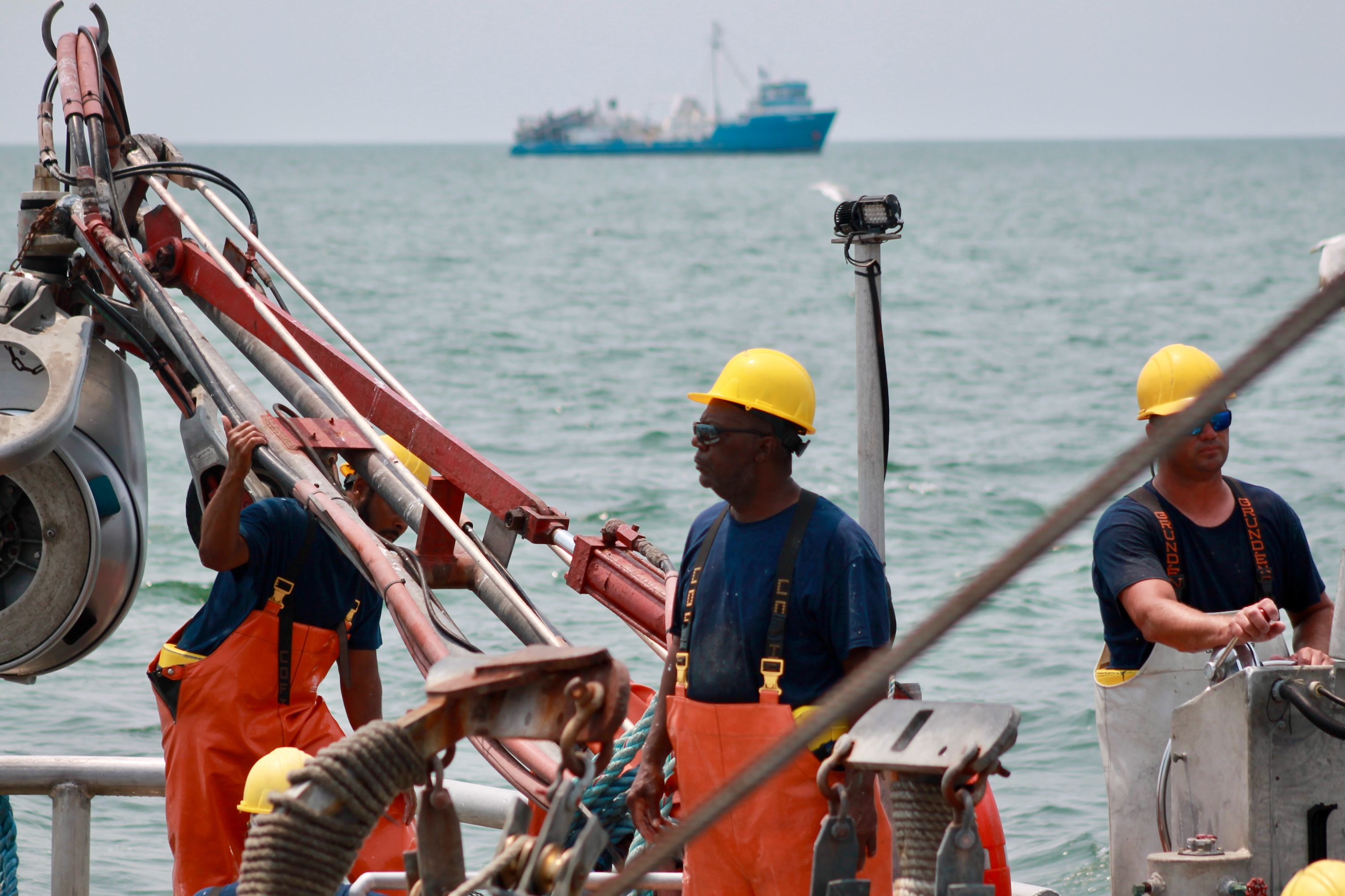
Ocean Harvesters owns and operates a fleet of more than 30 fishing vessels in the Atlantic Ocean and Gulf of America. The company's purse-seine fishing operation is exclusively engaged in the harvest of menhaden, a small, nutrient-dense fish used to produce fish meal, fish oil, and fish solubles. Both its Atlantic and Gulf Menhaden fisheries are certified sustainable by the Marine Stewardship Council. Committed to responsible fishing operations, Ocean Harvesters is proud to be heir to a fishing legacy that extends nearly 150 years.
Press Contact
Stove Boat Communications
(202) 595-1212
[email protected]
SOURCE: Ocean Harvesters