




Tuesday, 09 December 2025 07:15 PM
Advertorial
A comprehensive look at how sunglasses-style camera eyewear combines photo, video, audio, and transition-lens features for users seeking simplified capture options.
CHICAGO, ILLINOIS / ACCESS Newswire / December 9, 2025 / This article contains affiliate links. If readers choose to purchase through these links, the publisher may earn a commission at no additional cost to the reader. All observations are based on publicly available information and manufacturer-provided materials. The publisher has not independently tested this product.
OcuFrames Review: A Comprehensive Look at Hands-Free Camera Glasses
TL;DR: OcuFrames is a wearable camera glasses product designed for hands-free photo and video capture. The device integrates recording, transition lenses, and audio playback into a sunglass-style frame, positioning it within the wearable technology category for consumers seeking alternatives to handheld recording devices.
In This Release, You Will Discover:
What OcuFrames camera glasses are and how they function as a wearable recording device
Key features including video recording, photo capture, and audio playback capabilities
How the transition lens technology is designed to work across different lighting conditions
Battery specifications and charging details as stated by the manufacturer
Practical considerations for integrating wearable camera technology into daily routines
Setup guidance and what new users might expect during the initial learning period
Pricing structure and the manufacturer's stated policies
Audience profiles that may find this product category relevant to their needs
Device Disclaimer: This content provides general information on wearable camera technology based on publicly available materials. Nothing in this content should be interpreted as guarantees, technical assurances, or safety promises. Actual outcomes vary based on user experience, environment, and adherence to manufacturer instructions. Readers should refer to the official website for specifications, usage guidelines, and the most current information. These guidelines do not replace manufacturer instructions. Performance varies based on user habits and environmental conditions.
Understanding OcuFrames: What This Product Is
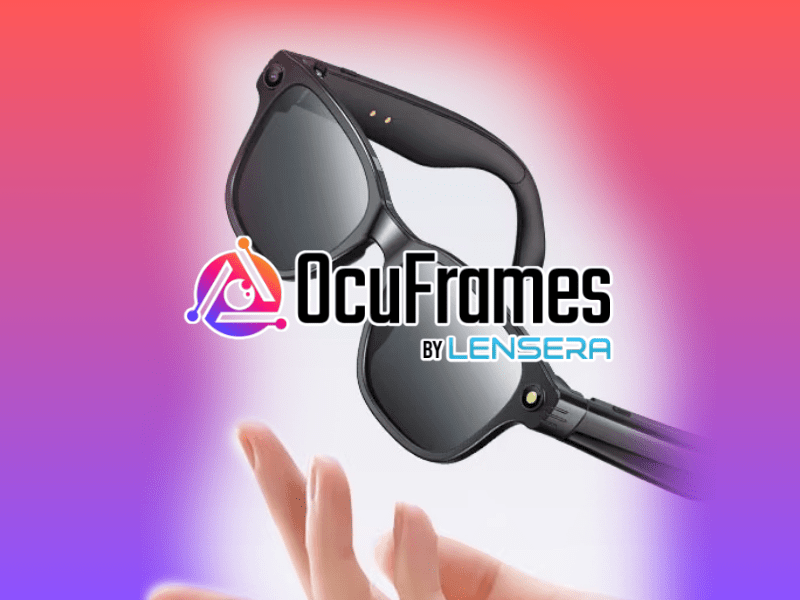
OcuFrames represents an entry in the wearable camera glasses category, a product segment that has grown as consumers seek alternatives to traditional handheld recording methods. The device is designed to look and function as a pair of sunglasses while incorporating camera, audio, and connectivity features intended for hands-free operation.
At its foundation, OcuFrames combines several technologies into a single wearable frame. The manufacturer describes the product as featuring video recording, still photo capture, audio playback via bone-conduction speakers, and wireless connectivity to smartphones for content transfer and storage. The frame incorporates photochromic transition lenses designed to adjust tint levels based on ambient light conditions.
The product targets users who want to capture moments without interrupting their activities by retrieving and operating a smartphone or a dedicated camera. This includes scenarios such as travel, outdoor activities, family events, and situations where having both hands available matters. The manufacturer positions OcuFrames as addressing the gap between wanting to document experiences and the friction involved in traditional capture methods.
From a form factor perspective, the manufacturer states that OcuFrames is designed to resemble conventional premium sunglasses rather than an obvious tech gadget. This design choice reflects broader trends in wearable technology where consumer acceptance often depends on aesthetic integration with everyday items people already use.
The official OcuFrames product page contains complete feature specifications.
Core Features and Functionality
The manufacturer describes several primary features that define OcuFrames' functionality. Understanding these specifications helps potential buyers evaluate whether the product aligns with their intended use cases, though actual performance will vary based on individual circumstances and usage patterns.
Video Recording Capability
OcuFrames is designed to capture video from the wearer's perspective. The manufacturer describes this as hands-free HD video recording, allowing users to document what they see without holding a device. Recording is initiated through physical controls on the frame. The manufacturer states that the perspective captured matches the wearer's natural field of view. However, actual recording quality and field of view specifications should be confirmed on the official product page. Battery life for continuous video recording is stated at up to 4 hours per charge.
Photo Capture Mode
In addition to video, OcuFrames includes still photo functionality. The manufacturer describes this as a tap-to-capture system that lets users take photos with a simple gesture on the frame. This feature is designed for situations where users want to document a scene quickly without the multi-step process of unlocking a phone, opening a camera app, and framing a shot. Resolution specifications should be verified through the official product materials.
Transition Lens Technology
The frames incorporate photochromic lenses that, according to the manufacturer, automatically adjust tint based on lighting conditions. In bright outdoor environments, the lenses are designed to darken for sun protection. When moving indoors or to lower-light situations, the lenses are intended to clear. The manufacturer also mentions UV and blue-light protection features, though the specific protection ratings should be confirmed through official documentation. Actual transition speed and degree of tint change will vary based on environmental factors.
Audio Playback System
OcuFrames incorporates bone-conduction speaker technology for audio playback. This approach transmits sound through the frame's contact with the wearer's head rather than through traditional earpiece speakers. The manufacturer positions this as allowing users to listen to music or audio while maintaining awareness of their surroundings, since the ear canal remains open. Audio quality and volume levels are subjective and will vary based on individual perception and environmental noise conditions.
Wireless Connectivity and Transfer
The product includes wireless connectivity for transferring recorded content to a smartphone. The manufacturer describes this as enabling photos and videos to move to a paired phone for storage, editing, and sharing. The specific connection protocol and transfer speeds should be verified in accordance with official specifications. Actual transfer performance will depend on the smartphone being used and environmental factors.
Battery and Charging
The manufacturer states that OcuFrames provides up to 8 hours of general use on a single charge, with video recording specifically rated at up to 4 hours. The device uses USB charging. Battery performance will vary based on usage patterns, feature usage, environmental temperature, and battery age.
Market Context: Wearable Camera Technology
The wearable technology category has expanded considerably in recent years as consumers become more comfortable integrating connected devices into their daily routines. Camera glasses occupy a specific niche within this broader category, appealing to users who want recording capability without the encumbrance of dedicated devices or the interruption of smartphone photography.
Several factors drive interest in this product category. The proliferation of social media platforms that prioritize authentic, in-the-moment content has created demand for capture methods that feel less staged than traditional photography. Simultaneously, advances in miniaturization have enabled the packaging of meaningful camera and audio technology into form factors previously impractical.
Travel and outdoor activities represent significant use cases for camera glasses. Users in these contexts often have their hands occupied with equipment, children, or activities while still wanting to document their experiences. The point-of-view perspective offered by wearable cameras provides a different visual style than handheld footage, which some users find more immersive and representative of their experience.
Professional and occupational applications also exist for this technology category. Certain professions benefit from hands-free documentation capability, though users should verify that any recording complies with applicable laws and workplace policies in their jurisdiction. Privacy considerations around wearable cameras vary significantly by location and context.
The convergence of sunglasses functionality with camera technology addresses a practical consideration for potential users. Rather than carrying and managing multiple devices, a product like OcuFrames serves dual purposes. The inclusion of transition lenses means the same frame can potentially work in both indoor and outdoor environments, though users with specific prescription needs should verify compatibility.
Initial Setup and Getting Started
New users should expect an adjustment period when integrating any wearable technology into their routines. The following framework provides general guidance, though specific setup steps should follow the manufacturer's official instructions included with the product.
Unboxing and Charging
Upon receiving OcuFrames, users will need to charge the device before first use. The manufacturer indicates USB charging capability. Initial charging time and battery indicator methods should be confirmed through the included documentation. Ensuring a full initial charge helps establish baseline performance expectations.
Device Pairing
Connecting OcuFrames to a smartphone requires following the manufacturer's pairing process. This typically involves enabling wireless connectivity on both devices and completing a pairing sequence. Users should download any associated smartphone applications as specified by the manufacturer. Compatibility with specific smartphone models and operating systems should be verified before purchase.
Physical Fit and Adjustment
Wearable technology requires a proper fit for both comfort and functionality. Users should adjust the frame to sit correctly on their face, taking into account factors such as nose bridge position and temple arm length. Proper fit affects not only comfort during extended wear but also the positioning of any cameras or speakers relative to the user's eyes and ears. Individual facial structures vary, and users should assess comfort during their initial wearing sessions.
Feature Familiarization
Learning the physical controls for recording, photo capture, and other functions takes practice. Users should spend time in low-stakes environments becoming comfortable with the gesture or button sequences required for each function. This practice period helps avoid fumbling with controls during actual moments users want to capture.
30/60/90-Day Integration Framework
Adopting new technology typically follows a progression from initial learning through confident daily use. This framework outlines what users might reasonably expect during the first three months with a product like OcuFrames, though individual experiences will vary.
Days 1-30: Foundation Period
The first month focuses on basic competency and habit formation. Users should focus on learning core functions such as starting and stopping video recording, capturing photos, and transferring content to their phone. This period involves discovering personal preferences around when and how to wear the device, understanding battery consumption patterns with their typical usage, and identifying any fit adjustments needed for extended comfort. Users may initially wear the device for shorter periods as they acclimate.
Days 31-60: Expansion Period
During the second month, users who have established basic competency typically begin exploring additional features and use cases. This might include experimenting with audio playback, testing the device in varied lighting conditions to understand transition lens behavior, and developing routines around charging and content management. Users often discover optimal scenarios for the device during this period, understanding where it adds value versus situations where traditional capture methods remain preferable.
Days 61-90: Integration Period
By the third month, the technology should feel more natural for users who have maintained consistent use. Device operation becomes more automatic, and users typically have developed clear patterns around when they reach for the camera glasses versus other capture methods. This period also provides enough usage history to evaluate the product against initial expectations and determine its ongoing role in the user's technology ecosystem.
Usage Guidelines and Practical Considerations
Operating any electronic device requires attention to appropriate usage practices. The following considerations supplement but do not replace the manufacturer's official guidelines.
Environmental Factors
The manufacturer describes OcuFrames as water-resistant and suitable for use in mist, light rain, or humid environments. Users should understand the distinction between water-resistant and waterproof, and should refer to official specifications regarding the extent of water exposure the product can tolerate. Extreme temperatures, both hot and cold, can affect battery performance and potentially other electronic components. Users should avoid leaving the device in vehicles or other locations subject to temperature extremes.
Recording Considerations
Users bear responsibility for ensuring their recording activities comply with applicable laws in their jurisdiction. Recording laws vary significantly by location, particularly regarding audio recording and consent requirements. Many jurisdictions have specific rules about recording in certain places or recording others without their knowledge or consent. Users should research and understand the legal framework in their area before recording. Additionally, many private establishments and workplaces have policies regarding recording devices. Compliance with these rules remains the user's responsibility.
Battery Management
The manufacturer states battery life of up to 8 hours general use or up to 4 hours of video recording. Actual battery life will vary based on usage patterns and which features are active. Users planning to rely on the device for extended periods should develop charging routines that ensure availability when needed. Carrying a portable charging solution may be appropriate for heavy users or multi-day trips away from standard charging infrastructure.
Care and Maintenance
Like any eyewear, the lenses require appropriate cleaning to maintain optical clarity. Users should follow the manufacturer's recommendations for cleaning products and methods, as some substances may damage lens coatings. Electronic components require protection from physical damage, and users should store the device appropriately when it is not in use.
Pricing Structure and Manufacturer Policies
The manufacturer lists pricing on the official product page. The manufacturer provides all pricing as of December 2025 and reserves the right to change it without notice. Readers should verify current costs directly on the official website before making purchase decisions.
The manufacturer indicates a return policy is available; terms should be reviewed on the official website. The manufacturer determines return and refund policies and may be modified at any time.
Shipping is described as 2-3 days from a US-based warehouse, though delivery times may vary based on destination, carrier conditions, and other factors outside the manufacturer's control.
When evaluating the value proposition of camera glasses, potential buyers should consider their intended use frequency and the scenarios in which they will be used. Users who anticipate regular use across multiple contexts may derive different value than those with occasional, specific use cases. The product's value also relates to the alternatives a user would otherwise use and the relative costs and friction associated with them.
The official OcuFrames website contains current pricing and policy details.
Who May Find OcuFrames Relevant
Different users approach wearable camera technology with varied needs and expectations. The following profiles illustrate potential use cases, though individual circumstances will determine actual relevance.
Travel Enthusiasts
Users who frequently travel and want to document their experiences may find value in hands-free capture capability. The ability to record walking tours, cityscapes, and experiences without constantly handling a phone allows travelers to remain present in their surroundings while still documenting. The dual functionality as sunglasses provides utility in bright destination environments.
Parents and Family Documentarians
Capturing family moments often competes with participating in them. Parents chasing toddlers, helping with activities, or managing logistics have limited ability to operate a camera simultaneously. Hands-free recording can capture moments that would otherwise be missed because the camera wasn't ready or because retrieving it would disrupt the activity.
Outdoor Activity Participants
Hikers, cyclists, and other outdoor enthusiasts may benefit from point-of-view recording capability. These activities typically occupy both hands and attention, making traditional photography impractical during the activity itself. The manufacturer's weather-resistant design is relevant for outdoor environments where conditions may vary.
Content Creators
Individuals who create video content for social media or other platforms may find the POV perspective offered by camera glasses useful for specific content types. The authentic, in-the-moment aesthetic differs from traditional camera footage and may align with particular content strategies. The direct-to-phone transfer facilitates quick posting workflows.
Those Seeking Simplified Capture
Some users want a lower-friction way to capture photos and videos. The multi-step process of retrieving a phone, unlocking it, opening the camera app, and framing a shot means many moments pass uncaptured. Users who want to reduce this friction may find single-tap capture appealing, regardless of their specific activity context.
Frequently Asked Questions
How does the video recording quality compare to smartphone cameras?
Specific resolution and quality specifications should be verified on the official product page. The manufacturer describes the recording as HD quality. However, comparing wearable camera output to smartphone cameras involves multiple factors including sensor size, processing, stabilization, and lighting conditions. Users should review sample content if available and understand that wearable cameras involve different design trade-offs than dedicated camera devices or smartphone camera systems.
Can I wear OcuFrames with prescription lenses?
Prescription lens compatibility is not clearly specified in the available materials. Users who require vision correction should contact the manufacturer directly to inquire about prescription options, contact lens compatibility, and fit-over solutions before purchasing.
How long does it take for the transition lenses to change tint?
Transition lens response time varies based on temperature, UV intensity, and specific lens chemistry. The manufacturer indicates automatic adjustment but does not specify exact transition timing in the available materials. Users accustomed to traditional photochromic lenses will find similar variability factors apply. Indoor-to-outdoor transitions and outdoor-to-indoor transitions may occur at different speeds.
Is the audio recording quality sufficient for capturing conversations?
Audio recording capability exists, though specific quality specifications should be confirmed through official materials. Environmental noise, wind, distance from sound sources, and other factors affect audio capture in any recording device. Users with specific audio quality requirements should research this aspect thoroughly before purchase.
Can I use OcuFrames while driving?
Operating any recording device while driving raises safety and legal considerations that vary by jurisdiction. Users should verify their local laws regarding the use of electronic devices while driving. Even where legal, any device that might distract from driving requires careful consideration. The transition lens functionality may have utility for driving contexts, separate from recording features.
How does bone-conduction audio compare to traditional headphones?
Bone-conduction audio transmits sound differently than traditional speakers or earbuds. Many users appreciate that this approach keeps ears open to environmental sounds, which has safety benefits in outdoor contexts. However, audio quality, bass response, and maximum volume differ from traditional headphones. Users with specific audio quality expectations should research bone-conduction technology generally to understand its characteristics.
What happens if OcuFrames breaks or malfunctions?
The manufacturer indicates warranty and return policies are available. Coverage terms, duration, and claims processes should be confirmed through official documentation. Users should retain purchase records and understand the relevant policies before any issue arises.
How much storage does OcuFrames have for video and photos?
On-device storage capacity should be verified through official specifications. The manufacturer emphasizes wireless transfer capability for moving content to smartphones, suggesting a workflow in which content is regularly transferred rather than accumulated on the device. Users who anticipate extended recording sessions without transfer access should understand storage limitations.
Can multiple people pair their phones to the same OcuFrames unit?
Pairing capabilities and limitations should be confirmed through manufacturer documentation. Households or groups considering shared use should understand how device pairing and content management work in multi-user scenarios.
Are replacement parts available if lenses get scratched?
The manufacturer describes the lenses as scratch-resistant. Availability of replacement lenses or repair services should be confirmed with the manufacturer. Users should implement appropriate care practices to protect their investment.
Conclusion
OcuFrames enters the wearable camera glasses category with a feature set designed for hands-free photo and video capture. The product brings together recording capability, transition lens technology, audio playback, and smartphone connectivity in a sunglass form factor intended for everyday use.
Potential buyers should evaluate OcuFrames against their specific use cases, considering factors like intended recording scenarios, comfort with wearable technology, and the relative value compared to their current capture methods. Manufacturer policies should be confirmed before purchase for those who wish to evaluate the product firsthand.
As with any technology purchase, expectations should align with realistic outcomes. Battery life, recording quality, and feature utility will vary based on individual usage patterns and requirements. Users benefit from thorough research, including reviewing official specifications and understanding both the capabilities and limitations of wearable camera technology.
The category continues to evolve as manufacturers refine form factors, improve component technology, and respond to user feedback. OcuFrames represents one option within this space for users who have determined that hands-free capture capability would add value to their activities and routines.
The official OcuFrames website contains complete product information.
Contact Information
Company Name: OcuFrames
Email: [email protected]
Phone (US): 1-888-828-3135
Hours of Operation: 9:00 am - 5:00 pm
Final Disclaimers
Publisher Responsibility Disclaimer: The publisher of this article has made every effort to ensure accuracy at the time of publication. We do not accept responsibility for errors, omissions, or outcomes resulting from the use of the information provided. Readers are encouraged to verify all details directly with the official source before making a purchase decision.
FTC Affiliate Disclosure: This article contains affiliate links. If you purchase through these links, a commission may be earned at no additional cost to you.
Pricing Disclaimer: All pricing discussed in this content is manufacturer-provided as of December 2025 and subject to change without notice. Readers should verify current pricing directly on the official OcuFrames website before making any purchase decisions.
Return Policy Disclaimer: Return and refund terms are determined solely by the manufacturer and may change. Readers should review current policy documentation on the official website and retain all purchase records.
General Disclaimer: This content is for informational purposes only. The publisher has not independently tested OcuFrames and makes no guarantees regarding product performance, quality, or suitability for any particular purpose. All product claims are based on manufacturer-provided materials and publicly available information. Individual experiences will vary. Readers should conduct their own research and evaluation before making purchase decisions
SOURCE: OcuFrames