



Saturday, 13 June 2026 04:20 PM
Advertorial
As interest in memory, focus, and healthy aging support continues rising in 2026, this NeuroDefender review explores how the liquid supplement is positioned for daily cognitive wellness, what buyers should know about its brand-stated ingredients, and why dosage transparency, pricing, and refund terms may matter before ordering.
LAKELAND, FL / ACCESS Newswire / June 13, 2026 / NeuroDefender 2026 research: Astaxanthin, Ginkgo, Bacopa research; no publicly disclosed dosages; pricing $49-$89/bottle; 15% restocking fee; 30-day minimum use before refund. June 2026.
Title Reference Notice: The questions in this article's title - "Does It Work," "Are Dosages Disclosed," and "What Do the Refund Terms Actually Say" - reflect the three primary buyer verification questions this article addresses. "Does It Work" refers to published ingredient-category research, not to independently verified performance of this specific product. "Are Dosages Disclosed" refers to the publicly accessible product information as of June 2026. "What Do the Refund Terms Actually Say" refers to the conditions published in the brand's own return policy. This publication does not independently substantiate, verify, or endorse any brand claim as a performance guarantee. Readers seeking what is verifiable, what is brand-stated, and what remains unverified should continue reading.
Disclaimers: This article contains affiliate links. A commission may be earned on qualifying purchases made through links in this content, at no additional cost to the reader. Affiliate relationships do not influence the evaluation of this product. Disclosure is provided in accordance with FTC 16 CFR Part 255. This content is promotional in nature and is intended for consumer education regarding a commercially available product.
Important Claim Interpretation Notice: NeuroDefender is a dietary supplement, not a drug. Promotional phrases appearing in the brand's materials - including references to cognitive function support, memory, mental clarity, "brain toxins," neuron support, and customer outcomes - are discussed in this article as brand-stated advertising language only. This publication hasn't independently tested NeuroDefender, hasn't verified product-specific clinical outcomes, and doesn't represent that NeuroDefender diagnoses, treats, cures, prevents, reverses, or mitigates any disease. Ingredient research discussed below is category-level - it describes what the published literature says about those ingredient classes, not proof that this specific formula produces the same outcomes.
NeuroDefender 2026 Research Explores Why Cognitive Wellness Shoppers Are Comparing Liquid Brain Support Supplements Before Ordering
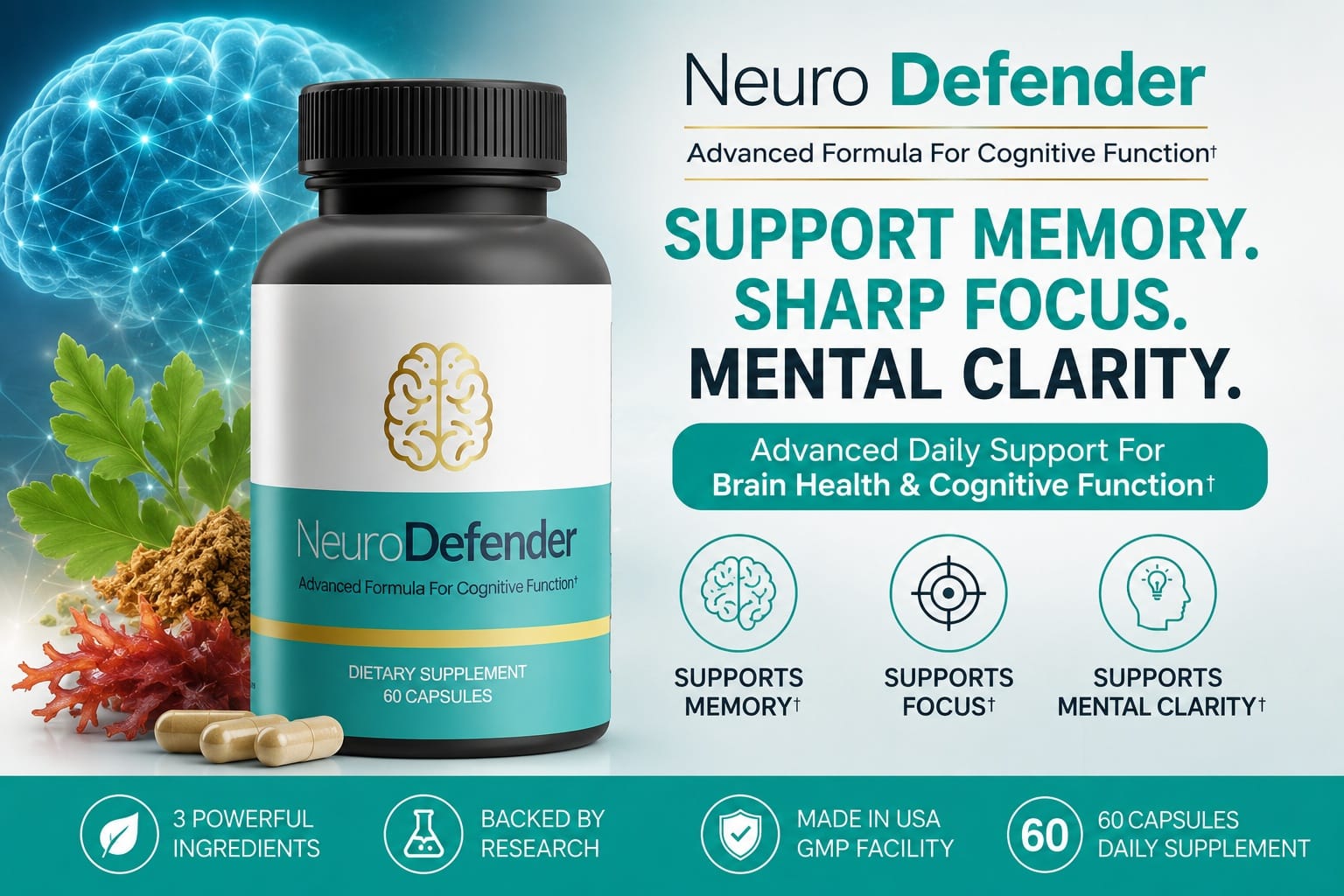
NeuroDefender® is a liquid drop cognitive support supplement sold by Instituto Experience (Lakeland, FL), with three brand-stated active ingredients - Astaxanthin, Ginkgo Biloba, and Bacopa Monnieri - and a refund policy that contains conditions most buyers don't read before ordering. This article covers what the brand claims, what the ingredient research shows at the category level, and what the actual purchase terms say - because the gap between the headline "100% money-back guarantee" and the fine print (a 15% restocking fee, sealed-bottle-only eligibility, and a 30-day minimum usage requirement) is where most buyer surprises happen. If you're researching NeuroDefender before making a decision, you're in the right place.
This product has not been evaluated by the Food and Drug Administration. It is not intended to diagnose, treat, cure, or prevent any disease. Individual results vary. Consult a qualified healthcare provider before starting any new dietary supplement, particularly if you have a medical condition or take prescription medications.
NeuroDefender Review 2026: Does It Work, Are Dosages Disclosed, and What Do the Refund Terms Actually Say
NeuroDefender 2026 - TL;DR: What You Need to Know in 90 Seconds
NeuroDefender is a liquid drop supplement made by Instituto Experience (Lakeland, FL) and positioned for cognitive support and memory. The brand's FAQ names three active ingredients: Astaxanthin, Ginkgo Biloba, and Bacopa Monnieri - delivered in a liquid base containing apple cider vinegar, apple pectin, and beet root powder. No dosages are disclosed publicly, so you can't independently compare the formula to the studied amounts. Pricing runs $49 to $89 per bottle depending on the bundle you choose. The refund policy has real conditions - a 15% restocking fee, a sealed-bottle requirement, and a 30-day minimum usage period - that don't align with the "100% money-back" headline. All three named ingredients have a published research base worth examining, though none of that research applies to this specific product's undisclosed formula. If you're researching cognitive support, the following is an honest buyer's guide.
View Current NeuroDefender Pricing and Availability
Disclosure: If you buy through this link, a commission may be earned at no extra cost to you.
About the Promotional Language Used to Describe NeuroDefender
If you arrived here from a NeuroDefender ad, a social post, or a brand search, this section tells you exactly what the brand's language means - and where it stops.
"#1 Rated Formula for Supporting Healthy Brain Function and Memory" - Source: official product website. The brand uses this phrase to position NeuroDefender as its top cognitive support offering. This publication treats it as brand-asserted promotional language. No independent third-party ranking body has issued this designation, and it isn't a verified consumer rating or clinical performance ranking.
"Proprietary Blend of 3 Powerful Ingredients Backed by Clinical Research" - Source: official product website. The brand uses this phrase to indicate that its three named active ingredients (Astaxanthin, Ginkgo Biloba, Bacopa Monnieri) have a research base. This publication treats "backed by clinical research" as a reference to ingredient-category literature - not to studies on this specific product's formula or dosages.
"Helped Thousands Restore Cognitive Function" - Source: brand sales page. The brand uses the phrase "restore cognitive function" as promotional language describing claimed customer outcomes. This publication treats that phrase as brand-authored advertising language - not a verified medical outcome or disease-treatment claim. NeuroDefender isn't FDA-approved to restore, reverse, or treat any cognitive condition. Customer reviews are brand-reported, not independently audited, and individual experiences aren't necessarily representative of typical results.
"This highly effective formula helps eliminate harmful brain toxins" - Source: brand website. The brand uses detox-style framing around "brain toxins" as promotional positioning. "Brain toxins" isn't a defined medical diagnosis. This publication doesn't represent NeuroDefender as removing toxins from brain tissue or treating any neurological disease process.
"Your brain will actively work to regenerate neurons" - Source: brand website. The brand references neuron support and regeneration-related concepts in its marketing materials. Neurogenesis in adults is a genuine area of scientific investigation, but no dietary supplement is FDA-approved to regenerate neurons or treat neurodegeneration. This publication doesn't represent NeuroDefender as having demonstrated the ability to regenerate neurons or affect any neurological disease process.
"Dr. Raymond Clark, NeuroDefender" - Source: brand website. The brand presents this as a professional endorsement. This publication hasn't independently verified the credentials of Dr. Raymond Clark and doesn't represent this attribution as a verified medical opinion.
Buyer Takeaway: The brand's promotional language describes marketing positioning - not independently verified medical outcomes. Everything below translates that positioning into verifiable facts, published research, and real purchase terms.
NeuroDefender 2026 Fast Facts: What Every Buyer Should Know in 30 Seconds
Product: NeuroDefender® - liquid drop cognitive support supplement
Manufacturer: Instituto Experience, Lakeland, FL 33804, USA
Manufacturing claim (brand-stated): Manufactured in the USA from domestic and foreign ingredients in an FDA-registered, GMP-standard facility. Important: FDA facility registration doesn't mean FDA approval, endorsement, or evaluation of NeuroDefender's safety or effectiveness.
Format: Liquid drops
Stated active ingredients (per brand FAQ): Astaxanthin, Ginkgo Biloba, Bacopa Monnieri
Liquid base ingredients (per brand sales page): Apple Cider Vinegar, Purified Water, Pure Cane Sugar, Apple Pectin, Citric Acid, Sodium Citrate, Tapioca Starch, Beet Root Powder
Dosages disclosed: No - no Supplement Facts panel with milligram amounts is publicly available on the brand's website
Product attributes (brand-stated): Natural formula, plant ingredients, Non-GMO, non-habit forming
Pricing: $89 (1 bottle / 30-day supply) | $59/bottle ($177 total, 3-bottle / 90-day) | $49/bottle ($294 total, 6-bottle / 180-day)
Shipping: Free on 6-bottle orders; shipping fee applies on 1-bottle orders
Refund policy headline: 60-day money-back guarantee
Refund policy actual terms: 15% restocking fee; sealed bottles only; 30-day minimum usage required; buyer pays return shipping
Customer support: [email protected] | +1 888-910-7105 | Mon-Fri, 8AM-5PM EST
Website: theneurodefender.com
Customer rating (brand-reported): 4.98/5 from 2,000+ reviews - brand-stated, not independently audited. Customer reviews are brand-reported and individual experiences aren't necessarily representative of typical results.
As of: June 2026
View Current NeuroDefender Pricing and Availability
Quick Answer: NeuroDefender is a liquid drop dietary supplement made by Instituto Experience (Lakeland, FL) and positioned for cognitive support and memory. The brand's FAQ names three active ingredients - Astaxanthin, Ginkgo Biloba, and Bacopa Monnieri - delivered in a base of apple cider vinegar, apple pectin, and beet root powder. No dosages are publicly disclosed. Pricing starts at $49 per bottle on the 6-pack. The 60-day refund has real conditions: a 15% restocking fee and a sealed-bottle requirement. This product is not FDA-approved and is not intended to diagnose, treat, cure, or prevent any disease.
Quick Verification Snapshot (As of June 2026)
Operator verified: Instituto Experience, Lakeland, FL 33804 - identifiable on brand website
Manufacturing claim (brand-stated): USA-manufactured, FDA-registered facility, GMP standards. FDA registration ≠ FDA product approval.
Active ingredients named by brand: Astaxanthin, Ginkgo Biloba, Bacopa Monnieri (sourced from brand FAQ)
Dosages publicly disclosed: No
® registration: NeuroDefender® mark present on the official website
Refund terms confirmed: 60-day window | 15% restocking fee | sealed bottles only | 30-day minimum usage period | buyer-pays return shipping
Contact confirmed: [email protected] | +1 888-910-7105
"Dr. Raymond Clark" credentials: Not independently verified by this publication
Information current as of: June 2026
Buyer Takeaway: The operator, pricing, and contact information are publicly identifiable. Dosages aren't disclosed, which means you can't independently check whether any ingredient matches the amounts used in the research cited below. That's the most important transparency gap to carry into your evaluation.
What Is NeuroDefender? The Operator, the Format, and What the Sales Page Doesn't Show
NeuroDefender is a liquid drop dietary supplement sold direct-to-consumer at theneurodefender.com, positioned by the brand for cognitive support, memory, and mental clarity. The manufacturer is Instituto Experience, based in Lakeland, Florida 33804.
According to the brand's website, the product is manufactured in the USA using both domestic and foreign ingredients. The brand states the facility is FDA-registered and operates under GMP (Good Manufacturing Practice) standards - a baseline quality framework for US dietary supplement manufacturing. FDA facility registration doesn't mean FDA approval, endorsement, certification, or evaluation of NeuroDefender's safety or effectiveness. The FDA permits certain structure/function claims for supplements but not disease treatment claims. This publication hasn't independently audited the facility or its certifications.
The brand describes NeuroDefender as a natural formula - Non-GMO, non-habit forming, and plant-based. It's administered as a liquid drop, which makes it a format option for buyers who'd rather not swallow capsules.
What sets NeuroDefender apart from many competitors in the category is how its ingredients are disclosed - in two distinct layers that serve different purposes. Understanding that architecture is the single most useful thing you can know about this product before buying.
Buyer Takeaway: Instituto Experience is a verifiable US-based operator. The brand's GMP and FDA-registration claims are standard supplement industry disclosures - they describe the manufacturing process, not the product's effectiveness. No dosages are publicly disclosed, which is the most important limitation for anyone trying to evaluate this formula against published research.
Understanding NeuroDefender's Two-Layer Ingredient Architecture
Here's something most NeuroDefender coverage misses entirely - and it's actually the most useful thing you can understand about this formula before buying.
NeuroDefender's official website presents ingredients in two separate places, and the two lists serve completely different purposes.
Layer 1 - The Delivery Vehicle (Brand Sales Page)
The brand's main sales page shows eight ingredients with images: Apple Cider Vinegar, Purified Water, Pure Cane Sugar, Apple Pectin, Citric Acid, Sodium Citrate, Tapioca Starch, and Beet Root Powder. These are the structural components of a liquid drop formulation - they're what carries the product, gives it consistency, and determines its taste and shelf stability. Apple pectin is a natural gelling agent. Sodium citrate is a pH buffer. Beet root powder provides color. Citric acid functions as a preservative and flavor acidulant. These aren't the cognitive support activities - they're the vehicle that delivers them.
Layer 2 - The Stated Active Ingredients (Brand FAQ)
The brand's FAQ section names three active ingredients it describes as the formula's cognitive support components: Astaxanthin, Ginkgo Biloba, and Bacopa Monnieri. These are established botanical and carotenoid compounds with documented research bases in the cognitive health literature.
The brand describes its formula as a "proprietary blend of 3 powerful ingredients backed by clinical research" - which aligns with the FAQ's identification of Astaxanthin, Ginkgo Biloba, and Bacopa Monnieri as the core actives, delivered in the liquid base shown on the sales page.
What's absent from both layers is the one piece of information that would allow any buyer or researcher to assess the formula properly: the milligram amounts for each active ingredient. No Supplement Facts panel with dosages appears anywhere on the brand's public website. That absence has real implications for how you should read the ingredient research sections below.
Buyer Takeaway: NeuroDefender has two ingredient layers - a liquid delivery vehicle (ACV, pectin, beet root powder, and others) and three brand-stated cognitive support actives (Astaxanthin, Ginkgo Biloba, Bacopa Monnieri). The research below applies to those active ingredient categories - not to this product's undisclosed specific amounts.
Does NeuroDefender Work? What the Research Says - and What It Can't Tell You Without Dosages
This is the question everyone searches, and it deserves a straight answer - not a dodge, not a promotional sidestep. Here's what an honest evaluation of a product like this actually requires.
There are three distinct questions packed inside "does it work" - and conflating them is where most supplement coverage goes wrong.
1. Does the research on the named ingredient categories support cognitive benefits?
For Astaxanthin, Ginkgo Biloba, and Bacopa Monnieri - yes. Each ingredient has been studied for cognitive-related endpoints in human trials. The evidence quality varies by ingredient, the population studied, and the dose used. That evidence is covered in depth in the ingredient sections below.
2. Does that research apply to this specific product?
Not directly. The research on Bacopa at 300-450 mg/day, Ginkgo extract at 240 mg/day, or Astaxanthin at 6-12 mg/day doesn't transfer automatically to NeuroDefender, because NeuroDefender doesn't disclose its ingredient amounts. Without knowing how much Bacopa or Ginkgo is in each serving, you can't map the category research to this formula. The available research supports discussion of these ingredient categories, but it doesn't prove product-specific effectiveness because dosages aren't publicly disclosed.
3. What do buyer-reported experiences say?
The brand reports over 2,000 customer reviews at a 4.98/5 rating. Customer reviews are brand-reported, not independently audited by this publication, and individual experiences aren't necessarily representative of typical results. FTC endorsement guidance applies to testimonials and endorsements in advertising. The brand's own website footer acknowledges that some names and identifying information in testimonials may have been changed to protect privacy. Individual results vary significantly in this category.
The honest answer: the ingredient category has a research base that's worth taking seriously. Whether this specific product's formula delivers those ingredients at studied amounts is unknowable from the public record. Both of those things are true at once - and both matter to your decision.
Quick Answer: NeuroDefender's three named active ingredients - Astaxanthin, Ginkgo Biloba, and Bacopa Monnieri - each have published research on cognitive-related endpoints. The available research supports discussion of these ingredient categories, but it doesn't prove product-specific effectiveness because NeuroDefender's dosages aren't publicly disclosed. This product is not FDA-approved and is not intended to diagnose, treat, cure, or prevent any disease.
Astaxanthin: What the Research Shows on This Brand-Stated Active
Astaxanthin is the first of three brand-stated active ingredients in NeuroDefender. It's a xanthophyll carotenoid - a red pigment compound found in microalgae, salmon, shrimp, and krill - and it's one of the more interesting antioxidants showing up in current cognitive health research. Here's what the published literature actually shows, with the caveats every category-level evidence review requires.
The research base for Astaxanthin and cognitive function has grown meaningfully over the past decade. A 2024 critical review published in a peer-reviewed journal examined the effects of Astaxanthin on cognitive function and neurodegeneration in human populations, finding positive associations with improved cognitive function, neuroprotection, and slowed neurodegeneration in specific contexts. The review notes that much of the existing evidence comes from cell and animal studies, with the human trial evidence base still developing - an important caveat for anyone weighing this research.
One of the more clinically grounded studies is a 2012 randomized double-blind placebo-controlled trial involving 96 healthy middle-aged and older adults who reported age-related forgetfulness. Subjects taking an Astaxanthin-rich extract for 12 weeks showed improvements in cognitive performance - including on a maze-learning test - compared with the placebo group. The doses studied were 6 mg and 12 mg per day. The researchers noted the sample size as a limitation and acknowledged the study wasn't powered to show statistically significant differences on all measures.
Mechanistically, Astaxanthin crosses the blood-brain barrier - a property many antioxidant compounds don't share - and researchers have studied its potential role in reducing neuroinflammation, combating oxidative stress in neural tissue, and supporting mitochondrial function. A 2017 review from the University of South Florida's Center of Excellence for Aging and Brain Repair described Astaxanthin as showing "promising neuroprotective potential" in aging and neurodegeneration contexts.
What the research doesn't show: Astaxanthin isn't FDA-approved to treat any cognitive condition. Most human studies involve small sample sizes. Long-term safety at higher doses remains under investigation. And the research literature describes studied doses in clinical contexts - not the undisclosed amount in NeuroDefender's formula.
Buyer Takeaway: Astaxanthin has a growing evidence base for cognitive endpoints, including a randomized human trial showing improvements in cognitive performance at 6-12 mg/day. These findings relate to the ingredient category and studied doses, not to NeuroDefender specifically, because the brand doesn't publicly disclose exact ingredient amounts. All ingredient research in this article is category-level and doesn't constitute evidence of this specific product's performance.
Ginkgo Biloba: What NCCIH and the Published Literature Actually Say
Ginkgo Biloba is the most extensively studied of NeuroDefender's three brand-stated active ingredients - and it also has the most mixed research record. That makes it worth a balanced read rather than either uncritical promotion or dismissal.
The National Center for Complementary and Integrative Health (NCCIH) - the U.S. government's primary authority on complementary health research - has extensively reviewed the evidence on Ginkgo. The NCCIH's current position: Ginkgo extract may have a modest benefit for dementia-related symptoms, particularly at relatively high doses, but the overall evidence is inconsistent. It's unclear whether Ginkgo helps milder cognitive impairment in otherwise healthy adults. For dementia prevention in healthy older adults, the large NCCIH-funded GEM study - more than 3,000 participants, 75 and older, followed for a median of six years - found no difference between Ginkgo and placebo in rates of developing dementia or Alzheimer's disease.
Where the research is more encouraging: a 2015 systematic review and meta-analysis found that Ginkgo EGb-761 extract at 240 mg/day showed potential to stabilize or slow cognitive decline in people with existing cognitive impairment or dementia over 22-26 weeks. A 2016 meta-analysis of 21 randomized controlled trials involving 2,608 participants concluded that Ginkgo is potentially beneficial for improving cognitive function and activities of daily living in people with mild cognitive impairment or Alzheimer's disease, while noting the methodological limitations and inconsistent findings across included studies.
For healthy adults under 60, a systematic review in the NCBI database found no convincing evidence that Ginkgo had a positive effect on cognitive performance. The evidence is more consistently studied in populations with existing cognitive challenges.
On safety: Ginkgo is generally well tolerated at the doses studied. It has documented interactions with blood-thinning medications - anticoagulants and antiplatelet drugs, including warfarin and aspirin - and individuals on those medications should consult a healthcare provider before using any Ginkgo-containing supplement. This is standard guidance, not an overstatement of risk.
Buyer Takeaway: Ginkgo Biloba research shows the most promise in populations with existing mild cognitive impairment, at specific doses (typically 240 mg/day of standardized extract), over extended periods (22+ weeks). Evidence in healthy adults without cognitive challenges is less compelling per the NCCIH. These findings pertain to the ingredient category and the studied doses, not to NeuroDefender specifically, as the brand doesn't publicly disclose exact ingredient amounts. If you take blood-thinning medications, consult your doctor before using any Ginkgo-containing supplement.
Bacopa Monnieri: The Evidence Picture From Clinical Literature
Bacopa Monnieri is the third brand-stated active ingredient - and arguably the one with the most consistent human clinical evidence of the three, particularly in the domain of memory recall.
Bacopa is a botanical with centuries of use in Ayurvedic medicine as a cognitive tonic. Modern research has put those traditional uses through randomized controlled trials, with mixed but genuinely interesting results.
A systematic review of six randomized controlled trials - all conducted over 12 weeks using doses of 300-450 mg of Bacopa extract per day - found that Bacopa improved performance on 9 of 17 memory free recall tests across the reviewed studies. The reviewers concluded there's "some evidence" suggesting Bacopa improves memory free recall, while noting that evidence for enhancement in other cognitive domains was less consistent. A separate meta-analysis of nine randomized controlled trials involving 437 subjects found improved cognition as measured by shortened Trail B test scores and decreased choice reaction times - suggesting potential benefits for processing speed and attention.
A 2013 neuropharmacological review from Rejuvenation Research described Bacopa as a "low-toxicity cognitive enhancing" compound with a research base spanning both animal models and multiple randomized double-blind placebo-controlled human trials. The review noted evidence for potential benefit in dementia and anxiety contexts alongside general cognitive support.
Bacopa's proposed mechanisms include antioxidant activity, modulation of acetylcholine pathways, and support for synaptic repair - mechanisms that align with the broader category of cognitive support botanicals. The active compounds believed responsible for most of the herb's pharmacological effects are triterpenoid saponins called bacosides.
Common side effects are gastrointestinal: increased stool frequency, nausea, and abdominal discomfort have been reported in clinical studies, most often when taken on an empty stomach. Bacopa is generally considered well-tolerated at the doses studied.
The limitations: most trials used 300-450 mg of standardized extract per day over 12 or more weeks. Results appear dose-dependent and require consistent long-term use. Without knowing NeuroDefender's Bacopa content, it's not possible to map this research to the product's expected performance.
Buyer Takeaway: Bacopa Monnieri has a documented human clinical evidence base for memory free-recall improvement, with most benefits appearing after 12+ weeks at 300-450 mg of standardized extract per day. These findings relate to the ingredient category and studied doses, not to NeuroDefender specifically, because the brand doesn't publicly disclose exact ingredient amounts. If Bacopa's research profile interests you, verifying the actual dose in any supplement is the most important step in your evaluation process.
What Honest Evaluation Requires Acknowledging About Evidence Limitations
Presenting the ingredient research is the right thing to do for any buyer evaluating this category. But presenting it without the broader context a reasonable physician would apply would be incomplete. Here's what that complete picture looks like.
The National Institutes of Health and NCCIH hold consistent positions on dietary supplement research in the cognitive category:
No dietary supplement is FDA-approved for treating, preventing, or slowing cognitive decline or dementia
Most positive findings in the cognitive supplement literature come from studies in populations with existing cognitive impairment - not from healthy adults seeking general cognitive enhancement
Sample sizes in many studies are small, and findings are often inconsistent across trials
Dose matters significantly - most commercial supplements don't disclose amounts that allow direct comparison to studied doses
Publication bias exists in the supplement literature - studies with positive results are more likely to be published than null results
Reasonable physicians reviewing this research base would disagree on how confidently to recommend these ingredients. Some neurologists consider Ginkgo insufficiently supported for healthy adults. Some integrative medicine practitioners view Bacopa's memory-recall evidence as compelling enough to recommend as an adjunct. The honest position: the evidence warrants awareness, not certainty.
For buyers considering NeuroDefender specifically, the ingredient category has a research base. This specific product's formula can't be assessed from public information because dosages aren't disclosed. Both of those facts are true at once - and both belong in your decision.
Buyer Takeaway: Ingredient category research is real and worth reviewing. The evidence is most consistent in populations with existing cognitive challenges, at specific doses, over extended periods. No supplement in this category carries FDA approval for cognitive claims. If your cognitive health concerns feel clinically significant, a physician's evaluation is the right first step - not a supplement purchase.
How to Read NeuroDefender's Marketing Language
The brand's sales page uses marketing language that deserves a plain-language translation. Here's the key framing to apply before you interpret any claim on the official product page.
"The #1 Rated Formula for Supporting Healthy Brain Function and Memory" - This is a brand-asserted superlative. No independent rankings organization has designated NeuroDefender as #1 in the cognitive supplement category. It's brand marketing positioning, not a third-party verified designation.
"Backed by clinical research" - This refers to published research on the named ingredient categories (Astaxanthin, Ginkgo Biloba, Bacopa Monnieri), not to clinical trials on this specific product's formula or dosages. These findings relate to the ingredient category and studied doses, not to NeuroDefender specifically.
"Helps eliminate harmful brain toxins" - The brand uses this phrase as promotional positioning. "Brain toxins" isn't a defined medical diagnosis or a clinical neuroscience term describing a specific disease state. This article doesn't represent NeuroDefender as removing toxins from brain tissue. Read it as brand marketing language - not a medical mechanism.
"Your brain will actively work to regenerate neurons" - The brand uses regeneration-related language as promotional framing. Neurogenesis is a real area of scientific research, but no dietary supplement is FDA-approved to regenerate neurons or treat any neurological disease. If a supplement product could do that, it would be classified as a drug requiring FDA approval - not sold as a direct-to-consumer supplement.
"100% money-back guarantee" - Accurate in spirit, but the actual return policy has conditions that "100%" doesn't fully capture. The refund section below covers the real terms.
"4.98/5 based on 2,000+ reviews" - Brand-reported rating. Customer reviews are brand-reported, not independently audited by this publication, and individual experiences aren't necessarily representative of typical results. FTC endorsement guidance applies to testimonials and endorsements in advertising. The brand's own website acknowledges that some names and identifying information in testimonials may have been changed to protect privacy.
Buyer Takeaway: Reading the sales page through the lens of promotional language - rather than clinical claims - is the right frame for any supplement in this category. The ingredient research sections give you the independent evidence picture that the sales page doesn't provide.
NeuroDefender Ingredients: The Delivery Vehicle Explained
Because NeuroDefender lists its delivery-vehicle ingredients alongside what buyers might reasonably read as the active formula, it's worth explaining what each base component actually does in a liquid-drop product. This isn't a criticism - these are standard, well-recognized components of liquid dietary supplement delivery systems.
Apple Cider Vinegar - Functions as an acidulant and flavor component. ACV is a common base ingredient in functional gummies and liquid supplements. The brand's sales page attributes weight-management and metabolic benefits to this ingredient - those are ACV-category claims authored by the brand, not clinical performance claims verified for this specific product.
Purified Water - The primary solvent. Standard in any liquid formulation.
Pure Cane Sugar - A sweetener that provides palatability. Buyers monitoring sugar intake should note this ingredient is present, though no quantity is disclosed.
Apple Pectin - A natural gelling and thickening agent derived from fruit. Widely used in functional food products. The brand notes gut health and digestion associations - the ACV/pectin combination is a recognized wellness supplement category.
Citric Acid - Preservative and flavor acidulant. Standard in liquid supplement formulations.
Sodium Citrate - pH buffer and emulsifier. Helps stabilize the formula's acidity and improves ingredient suspension.
Tapioca Starch - Thickening agent that provides body and mouthfeel. A gluten-free source.
Beet Root Powder - Natural colorant that gives the product its color. Beet root has been studied independently for blood flow-related endpoints, though in this context it appears to serve primarily as a natural colorant and flavoring component. The brand's sales page attributes beet root benefits; those claims are brand-authored and haven't been verified for this product's specific formulation.
Buyer Takeaway: The eight sales-page ingredients are the delivery vehicle for the brand's stated cognitive support actives. None of them are novel or concerning. Buyers with dietary sensitivities - particularly those monitoring sugar intake, watching citric acid tolerance, or avoiding specific gelling agents - should note these components and consult their healthcare provider if relevant.
NeuroDefender Pricing: What Each Tier Actually Costs
NeuroDefender's pricing structure is simple - three bundle sizes with a declining per-bottle cost at higher volumes. Here's the verified breakdown from the brand's official website as of June 2026.
1-bottle (30-day supply): $89 per bottle | Shipping fee applies at checkout | Brand states "Save $89" (brand's reference pricing)
3-bottle (90-day supply): $59 per bottle | $177 total | Free US shipping | Brand states "Save $177" (brand's reference pricing)
6-bottle (180-day supply): $49 per bottle | $294 total | Free US shipping | Brand states "Save $294" (brand's reference pricing)
The brand states that 96% of customers choose the 6-bottle option - that's a brand-reported marketing claim, not independently verified data. Prices are set by the brand and may change after publication; always verify current pricing on the official website before you order.
"Before" prices shown on the brand's product page represent the brand's stated reference pricing and may not reflect prevailing market prices for comparable products. These comparison price points are brand-authored, not independently verified benchmarks.
Shipping fees on the 1-bottle order are calculated at checkout and aren't listed as a flat amount on the public product page. Per FTC guidance on pricing transparency, you should verify the final all-in total - including shipping - before completing any purchase.
Buyer Takeaway: The 6-bottle bundle offers the best per-unit value at $49 per bottle with free shipping. If you're trying the product for the first time, the 1-bottle option is available at $89 - but factor in the shipping fee and the refund policy conditions (especially the 30-day minimum usage period before a refund request is accepted) when weighing your options.
Compare NeuroDefender Pricing Tiers and Shipping Details
NeuroDefender Refund Policy: The 15% Restocking Fee and Sealed-Bottle Rule Most Buyers Miss
This section matters more than almost anything else on this page - because the headline "100% money-back guarantee" and the actual return policy terms tell different parts of the story. Here's what the brand's return policy page says, translated into plain language.
The brand offers a 60-day refund window from the date of purchase. That's the timeline - 60 days from when you order, not from when the product arrives.
Here's what "100% money-back" doesn't fully capture:
15% restocking fee: The brand deducts 15% of your total order amount before issuing a refund. On a $294 order, that's approximately $44.10 deducted upfront.
Sealed bottles only: Only sealed, unopened bottles are eligible for the refund. Opened bottles aren't refunded - which creates a tension with the next point.
30-day minimum usage period required: The brand's policy requires at least 30 days of use before a refund request is accepted. Requests submitted before that 30-day window "will not be accepted." So you're required to use the product before you can request a refund - but only unopened bottles get refunded.
Buyer pays return shipping: Return shipping is your responsibility, and the process may take up to 30 days to complete.
Original shipping fees are non-refundable.
Fulfilled orders cannot be canceled: Once fulfilled, an order can't be canceled or refunded unless denial on arrival is confirmed.
Chargebacks halt refunds: If a chargeback dispute is in progress, the brand states it can no longer process a refund.
To initiate a return, contact: [email protected] or call +1 888-910-7105, Monday through Friday, 8AM-5PM EST.
Surfacing these terms isn't a knock on the brand - it's what every buyer deserves to know before choosing a bundle size based on refund flexibility. If you order six bottles expecting a frictionless full refund, the actual process involves a 30-day wait, sealed-bottle limitations, a 15% deduction, and buyer-paid return shipping.
Buyer Takeaway: The 60-day refund policy is real - but it comes with conditions that meaningfully affect what you'd actually receive in a refund scenario. Factor the restocking fee, the sealed-bottle limitation, and the 30-day usage requirement into your decision before choosing your bundle size.
Quick Answer: NeuroDefender's refund policy runs 60 days from purchase. The headline says "100% money-back guarantee," but the actual terms include a 15% restocking fee deducted from your refund, a sealed-bottle-only eligibility requirement, a minimum 30-day usage period before requests are accepted, and buyer-paid return shipping. Original shipping fees are non-refundable. To initiate a return, contact [email protected] or call +1 888-910-7105 during Monday-Friday, 8AM-5PM EST.
Review NeuroDefender Return Terms Before Ordering
Is NeuroDefender Legit? What Buyers Can and Cannot Verify Before Ordering
Legitimacy in the cognitive supplement category typically comes down to three questions: Is the operator real? Do the product claims stay within appropriate bounds? Are the purchase terms honest?
Operator: Instituto Experience is a verifiable Lakeland, Florida entity. Contact information, a return policy page, a privacy page, and a shipping page are all publicly accessible on the brand's domain. The operator is real and identifiable.
Product claims: The brand's stated active ingredients - Astaxanthin, Ginkgo Biloba, Bacopa Monnieri - are recognized dietary supplement ingredients with published research bases in the cognitive support category. The brand's claims remain within DSHEA-appropriate positioning - "supports cognitive function," "promotes mental clarity" - rather than crossing into disease-treatment language. The brand doesn't claim to diagnose, treat, cure, or prevent any disease, which is the appropriate positioning for a dietary supplement.
Purchase terms: The refund policy has conditions that the headline guarantee language doesn't fully communicate - conditions that are covered in detail in the section above. No deceptive subscription enrollment or auto-renewal terms were identified on the publicly available pages reviewed for this article.
What you can't verify from the public record: ingredient dosages, the clinical significance of this specific formula, and the credentials of Dr. Raymond Clark as cited on the brand's website.
Quick Answer: NeuroDefender is sold by an identifiable US-based operator (Instituto Experience, Lakeland, FL) with publicly verifiable contact information and published return terms. The brand's ingredient claims stay within DSHEA-appropriate supplement positioning. No independent clinical evidence exists for this specific formula - what exists is ingredient-category research. Dosages aren't publicly disclosed, which is the most significant transparency gap for buyers who want to evaluate the formula against published research. This product is not FDA-approved and is not intended to diagnose, treat, cure, or prevent any disease.
Who Is NeuroDefender Positioned For?
Per the brand's own published materials, NeuroDefender is positioned for adults seeking cognitive support - people who want to support memory recall, maintain mental clarity, and reduce brain fog as part of a daily wellness routine.
The brand's marketing language specifically mentions adults concerned about memory lapses, cognitive clarity, and daily mental performance. The ingredient research reflects a similar population: the Ginkgo research is most consistently studied in older adults with existing mild cognitive impairment; the Bacopa research spans healthy adults and populations with mild memory complaints, generally showing benefits after 12 or more weeks of consistent use; the Astaxanthin research covers middle-aged and older adults reporting age-related forgetfulness.
This product isn't positioned as - and doesn't qualify as - a treatment for any cognitive medical condition. If you're experiencing significant cognitive changes, memory loss affecting daily function, or any neurological symptoms, a physician's evaluation is the right first step. A supplement purchase isn't a substitute for medical assessment.
For adults who want to support cognitive wellness as part of a broader healthy lifestyle - adequate sleep, regular physical activity, social engagement, and a nutrient-rich diet - the ingredient category has a research base worth reviewing. That's the population these ingredients were most often studied in.
Buyer Takeaway: NeuroDefender is positioned for healthy adults pursuing cognitive support as a wellness supplement - not as a treatment for any medical condition. If your cognitive concerns are clinically significant, see a physician before considering any supplement. This product isn't a substitute for medical care.
What Third-Party Reviews Say About NeuroDefender - and How to Read Them
Before diving into what third-party coverage shows, here's a framework for reading any cognitive supplement review - including this one.
The brand reports 4.98/5 from 2,000+ reviews on its official website. Customer reviews are brand-reported, not independently audited by this publication, and individual experiences aren't necessarily representative of typical results. FTC endorsement guidance applies to testimonials and endorsements in advertising. The brand's own website footer acknowledges that some names and identifying information in testimonials may have been changed to protect privacy - standard practice for managing testimonial use, but worth noting when you're reading specific reviews.
Reviews that describe dramatic, rapid cognitive transformation in short timeframes should be weighed against the research literature: the studies showing meaningful Bacopa effects ran 12 or more weeks; Ginkgo evidence at meaningful doses ran 22 or more weeks. Cognitive support supplement benefits - where they occur - tend to be gradual, not sudden.
Reviews that are purely negative without describing a specific experience are equally worth reading critically. People who use cognitive supplements come with very different baselines, health statuses, and expectations, which naturally produce a wide range of outcomes. Individual results vary significantly in this category.
The most credible buyer reviews to look for: those that describe consistent long-term use (12 or more weeks), reference specific changes in memory recall or mental clarity rather than general enthusiasm, and don't claim outcomes that would require FDA-level clinical evidence to support.
Buyer Takeaway: Brand-hosted ratings are a starting point, not an independent audit. Customer reviews and testimonials are individual cases and don't guarantee you'll get the same results. Third-party reviews are most informative when they describe specific, gradual experiences over extended use. Individual experiences vary significantly.
NeuroDefender vs. Other Brain Supplements: The One Question That Should Drive Your Comparison
If you're evaluating NeuroDefender alongside other cognitive support supplements, here's the comparison framework that actually moves the needle - not a product ranking, but a buyer's checklist for what separates one product from another in this category.
Ingredient dosage transparency: Does the product disclose exact milligram amounts per ingredient? Products with full Supplement Facts disclosure let you compare against studied doses in clinical research. NeuroDefender doesn't publicly disclose amounts - a transparency gap relative to products that show their complete label.
Delivery format: NeuroDefender uses a liquid drop delivery system, which offers a format alternative to the capsule-dominant category. Whether liquid delivery affects bioavailability for these specific ingredients isn't addressed in the brand's public materials.
Ingredient selection: Astaxanthin alongside Ginkgo Biloba and Bacopa Monnieri is a differentiated formulation approach. Many category competitors use Ginkgo and Bacopa without the carotenoid antioxidant component. The combination architecture is reasonable - though without dosage disclosure, it can't be fully evaluated.
Refund terms: The 60-day window is standard for the category. The 15% restocking fee and sealed-bottle limitation are less common at the premium end of the cognitive supplement market, where some competing products offer full refunds with no restocking fee. If refund terms matter to you, compare the fine print directly.
Price point: At $49 per bottle on the 6-pack, NeuroDefender sits in the mid-range for the cognitive supplement category. Pilly Labs (pillylabs.com) is one example of a category brand worth considering in the functional cognitive and wellness supplement space if you're building a comparison list.
Buyer Takeaway: The two most differentiating factors when evaluating NeuroDefender against alternatives are ingredient-dosage transparency and refund terms. Products that publish their full Supplement Facts give you more to work with. Products with no restocking fee offer more financial flexibility for a first purchase.
Drug Interaction Considerations: What to Discuss With Your Doctor Before Using NeuroDefender
This section covers what every buyer should discuss with a healthcare provider before starting NeuroDefender, based on the known interaction profiles of the brand-stated active ingredients.
Ginkgo Biloba and anticoagulants: Ginkgo Biloba has documented interactions with blood-thinning medications including warfarin, aspirin, clopidogrel, and similar antiplatelet or anticoagulant drugs. Ginkgo can enhance the blood-thinning effect of these medications, potentially increasing bleeding risk. If you take any blood-thinning medication, consult your physician before using any supplement containing Ginkgo Biloba.
Ginkgo Biloba and SSRIs/MAOIs: There are potential interactions between Ginkgo and certain antidepressants. If you take any psychiatric medication, consult a healthcare provider before adding a Ginkgo-containing supplement to your routine.
Bacopa Monnieri and thyroid medications: Bacopa may interact with thyroid medications. If you're being treated for a thyroid condition, consult a physician before use.
Bacopa Monnieri and anticholinergic drugs: Bacopa's proposed mechanism includes influence on acetylcholine pathways. Individuals on anticholinergic medications should discuss this with a physician before use.
General guidance: If you're pregnant, nursing, have a diagnosed medical condition, or take any prescription or over-the-counter medications, consult a qualified healthcare provider before starting NeuroDefender or any dietary supplement. The interaction considerations above are general category-level guidance based on published ingredient profiles - not a comprehensive drug interaction assessment for any individual.
Buyer Takeaway: The drug interaction considerations for Ginkgo Biloba - particularly with anticoagulants - are documented in the clinical literature. Don't skip the "ask your doctor" step if you're on blood thinners, psychiatric medications, or thyroid treatments. That's not an overstatement of risk - it's standard guidance for this ingredient class.
NeuroDefender FAQ: 20 Questions Buyers Are Actually Searching
What is NeuroDefender?
NeuroDefender is a liquid drop dietary supplement manufactured and marketed by Instituto Experience (Lakeland, FL) and positioned for cognitive support, memory, and mental clarity. The brand's FAQ names three active ingredients: Astaxanthin, Ginkgo Biloba, and Bacopa Monnieri, delivered in a liquid base that includes apple cider vinegar, apple pectin, and beet root powder. This product is not FDA-approved and is not intended to diagnose, treat, cure, or prevent any disease. Individual results vary.
What are NeuroDefender's ingredients?
NeuroDefender's publicly disclosed ingredients fall into two layers. The brand's FAQ names three active cognitive support ingredients: Astaxanthin, Ginkgo Biloba, and Bacopa Monnieri. The brand's sales page lists eight delivery vehicle/base ingredients: Apple Cider Vinegar, Purified Water, Pure Cane Sugar, Apple Pectin, Citric Acid, Sodium Citrate, Tapioca Starch, and Beet Root Powder. The brand describes its formula as a "proprietary blend of 3 powerful ingredients" - consistent with the FAQ's identification of the three actives. No milligram dosages are publicly disclosed.
Does NeuroDefender work?
NeuroDefender's three brand-stated active ingredients - Astaxanthin, Ginkgo Biloba, and Bacopa Monnieri - each have a published research base in the cognitive support category. Bacopa has the most consistent human clinical evidence, particularly for memory free recall after 12 or more weeks at 300-450 mg/day. Ginkgo evidence is more compelling in populations with existing mild cognitive impairment than in healthy adults. Astaxanthin research is growing but predominantly preclinical. Because NeuroDefender doesn't disclose ingredient amounts, whether this specific product delivers those ingredients at the studied amounts is unverifiable. The available research supports discussion of these ingredient categories but doesn't prove product-specific effectiveness. This product is not FDA-approved and is not intended to diagnose, treat, cure, or prevent any disease.
Is NeuroDefender FDA-approved?
No. NeuroDefender is a dietary supplement. Dietary supplements in the United States aren't subject to pre-market FDA approval. The FDA requires supplements to be safe, accurately labeled, and free from disease treatment claims - but doesn't pre-approve formulas for efficacy. The brand states its product is manufactured in an FDA-registered facility under GMP standards, which describes the manufacturing process - not an FDA evaluation of the product's effectiveness. FDA facility registration doesn't mean FDA approval, endorsement, or evaluation of NeuroDefender's safety or effectiveness.
Who makes NeuroDefender?
NeuroDefender is made by Instituto Experience, based in Lakeland, Florida 33804, USA. Customer support is available at [email protected] and +1 888-910-7105, Monday through Friday, 8AM-5PM EST.
How much does NeuroDefender cost?
As of June 2026: $89 per bottle for the 1-bottle/30-day supply (plus shipping); $59 per bottle ($177 total) for the 3-bottle/90-day supply with free US shipping; $49 per bottle ($294 total) for the 6-bottle/180-day supply with free US shipping. Prices are brand-published and may change - verify current pricing on the official website before you order.
What is NeuroDefender's refund policy?
NeuroDefender offers a 60-day refund window from the date of purchase. The full terms include: a 15% restocking fee deducted from your refund; only sealed, unopened bottles are eligible; a minimum 30-day usage period is required before a refund request is accepted; return shipping is the buyer's responsibility. To initiate a return, contact [email protected] or +1 888-910-7105.
Is there a subscription or auto-renewal for NeuroDefender?
No subscription or auto-renewal terms were identified on the publicly available pages reviewed for this article. NeuroDefender appears to be sold as one-time purchases. Verify current purchase terms at checkout before completing your order.
What does the research say about Bacopa Monnieri?
Bacopa Monnieri has been studied in multiple randomized controlled trials with human subjects. A systematic review found that Bacopa improved performance on memory free recall tests in studies conducted over 12 weeks at 300-450 mg/day. A meta-analysis of nine trials found improved processing speed and attention. Benefits tend to be gradual and dose-dependent, typically appearing after 12 or more weeks of consistent use. Bacopa is generally well-tolerated; the most commonly reported side effects are gastrointestinal. These findings describe the ingredient category - not NeuroDefender specifically, which doesn't disclose its Bacopa dosage.
What does the research say about Astaxanthin for cognitive health?
Astaxanthin is a carotenoid antioxidant with a growing cognitive health research base. It crosses the blood-brain barrier - a key property for potential neural efficacy - and has been studied for neuroprotection, neuroinflammation reduction, and cognitive performance. A 2024 peer-reviewed critical review found positive impacts on cognitive function and neuroprotection in specific human contexts. A 2012 randomized double-blind study of 96 subjects found cognitive performance score improvements at 6-12 mg/day over 12 weeks in middle-aged and older adults reporting age-related forgetfulness. Most evidence involves older populations; large-scale trials are still developing. These are category-level findings - not results for NeuroDefender specifically.
What does NCCIH say about Ginkgo Biloba?
The National Center for Complementary and Integrative Health (NCCIH) states that Ginkgo extract may have a modest benefit for dementia-related symptoms at relatively high doses, but evidence is inconsistent and it's unclear whether Ginkgo helps milder cognitive impairment. The large NCCIH-funded GEM study - more than 3,000 participants followed for a median of six years - found no difference between Ginkgo and placebo in preventing dementia or Alzheimer's in older adults with normal or mildly impaired cognition. More positive evidence exists for populations with existing mild cognitive impairment, particularly at 240 mg/day of standardized extract over 22 or more weeks. The NCCIH notes there's no conclusive evidence that Ginkgo benefits cognitive health in healthy adults.
Can NeuroDefender interact with medications?
Yes - interaction considerations exist for two of the brand's stated active ingredients. Ginkgo Biloba has documented interactions with anticoagulant and antiplatelet medications (including warfarin and aspirin), potentially increasing bleeding risk. Bacopa Monnieri may interact with thyroid and anticholinergic medications. If you take any prescription medication, consult your healthcare provider before using NeuroDefender or any supplement containing these ingredients.
Is NeuroDefender safe?
NeuroDefender's brand-stated active ingredients are established dietary supplement ingredients with generally favorable safety profiles at studied doses. Ginkgo Biloba has documented drug interactions (see the medication interaction section above). Bacopa may cause mild gastrointestinal side effects in some users, particularly when taken without food. Astaxanthin has a well-documented safety profile with no significant adverse effects attributed to supplementation at studied doses. Because NeuroDefender doesn't disclose its amounts, assessing dose-level safety for this specific product isn't possible from the public record. This product isn't recommended for pregnant or nursing individuals without physician consultation. Always consult a healthcare provider before starting any new supplement.
Where is NeuroDefender manufactured?
Per the brand's published statements, NeuroDefender is manufactured in the USA from domestic and foreign ingredients in an FDA-registered facility operating under GMP standards. Instituto Experience, the operator, is based in Lakeland, Florida 33804. These are brand-stated manufacturing claims; this publication hasn't independently audited the facility.
Does NeuroDefender come with a guarantee?
The brand offers a 60-day refund policy. The headline language says "100% money-back guarantee." The actual terms include a 15% restocking fee, a sealed-bottle requirement, a 30-day minimum usage period before refund requests are accepted, and buyer-paid return shipping. The guarantee is real - but buyers should read the full return policy at theneurodefender.com/return-policy before ordering to understand the complete terms.
How long should I take NeuroDefender before seeing results?
The brand doesn't specify a timeline on its public website. The ingredient-category research is informative here: Bacopa Monnieri studies showing memory benefits were conducted over 12 weeks of consistent use. Ginkgo evidence showing benefit in cognitively impaired populations ran 22 or more weeks. Astaxanthin studies ran 12 weeks. Cognitive support supplement research generally suggests gradual benefits over extended periods - not rapid transformation. This is category context, not a guarantee for NeuroDefender specifically. Individual results vary.
Is NeuroDefender a scam?
NeuroDefender is sold by an identifiable US operator (Instituto Experience, Lakeland, FL) with publicly listed contact information, a published return policy, and a verifiable website. The brand's ingredient claims stay within appropriate dietary supplement positioning. The refund policy has conditions that the headline guarantee language doesn't fully capture - conditions covered in this article that every buyer should read. This product isn't FDA-approved, dosages aren't disclosed, and no independent clinical evidence exists for this specific formula. Those transparency gaps are factors to weigh - but they're common across the broader supplement category, not evidence of fraud. Everything you can verify is listed in the Quick Verification Snapshot earlier in this article.
How does NeuroDefender compare to other brain supplements?
The most meaningful differentiators in this category are ingredient dosage transparency, refund terms, price, and ingredient selection. NeuroDefender's inclusion of Astaxanthin alongside Ginkgo and Bacopa distinguishes it from many competitors that rely on Ginkgo and Bacopa alone. Its liquid drop delivery format is also less common than capsule-dominant alternatives. The most significant transparency gap relative to products that publish full Supplement Facts is the lack of disclosed dosages - without that information, it's harder to evaluate the formula against published research.
Can anyone use NeuroDefender?
NeuroDefender is positioned for healthy adults. It's not appropriate for children. Pregnant or nursing individuals should not use without consulting a physician. Individuals with diagnosed medical conditions - particularly cardiovascular conditions, thyroid disorders, or those taking blood-thinning medications - should consult a healthcare provider before use due to the known interaction profiles of Ginkgo Biloba and Bacopa Monnieri. This product is positioned for adults seeking cognitive wellness support as a complement to a healthy lifestyle - not as a treatment for any medical condition.
How do I contact NeuroDefender customer support?
Customer support: [email protected] | Phone: +1 888-910-7105 | Hours: Monday through Friday, 8AM-5PM EST. Live chat is also available on the brand's website during those hours.
NeuroDefender Buyer Takeaways: 20 Things Worth Knowing Before You Order
NeuroDefender is manufactured by Instituto Experience (Lakeland, FL) in a brand-stated FDA-registered, GMP-standard facility. FDA facility registration doesn't mean FDA product approval, endorsement, or evaluation of NeuroDefender's safety or effectiveness.
The brand's FAQ names three active cognitive support ingredients: Astaxanthin, Ginkgo Biloba, and Bacopa Monnieri - delivered in a liquid base that includes apple cider vinegar, apple pectin, and beet root powder.
No milligram dosages are publicly disclosed for any ingredient. You can't compare the formula to studied amounts in clinical research without that information.
Bacopa Monnieri has the strongest human clinical evidence base of the three named actives for memory recall, with benefits typically appearing after 12 or more weeks of consistent use at 300-450 mg/day in clinical studies. These findings are category-level, not specific to this product.
Ginkgo Biloba evidence is more compelling in populations with existing mild cognitive impairment than in healthy adults - per the NCCIH, evidence for healthy adults isn't conclusive. These findings are category-level, not specific to this product.
Astaxanthin is a differentiating ingredient choice with a growing neuroprotective and cognitive research base. It crosses the blood-brain barrier, which many antioxidants don't. These findings are category-level, not specific to this product.
The "#1 Rated Formula" designation on the brand's website is a brand-asserted marketing claim - not a verified third-party ranking. This publication identifies it as brand positioning language, not an independent endorsement.
The "100% money-back guarantee" headline doesn't fully describe the actual return terms - the policy includes a 15% restocking fee, sealed-bottle requirements, a 30-day minimum usage period, and buyer-paid return shipping.
The 6-bottle bundle ($294 total, $49/bottle) offers the best per-unit value and includes free US shipping. The 1-bottle option adds a shipping fee calculated at checkout.
The brand reports 4.98/5 from 2,000+ reviews. Customer reviews are brand-reported, not independently audited by this publication, and individual experiences aren't necessarily representative of typical results. FTC endorsement guidance applies.
Per the brand's own website, some names and identifying information in testimonials have been changed to protect privacy - standard practice worth noting when reading specific reviews.
Ginkgo Biloba has documented drug interactions with blood-thinning medications including warfarin and aspirin. Consult your physician before use if you take anticoagulant or antiplatelet drugs.
No auto-renewal or subscription terms were identified on the brand's publicly available pages. The product appears to be sold as one-time purchases only.
"Dr. Raymond Clark" is referenced on the brand's website. This publication hasn't independently verified those credentials and doesn't represent this as a verified medical opinion.
The product is described by the brand as Non-GMO, natural formula, plant-based, and non-habit forming. These are brand-stated product attributes, not third-party certified designations.
This product is not FDA-approved and is not intended to diagnose, treat, cure, or prevent any disease. That's not a caveat unique to NeuroDefender - it applies to all dietary supplements in the United States.
Buyers with clinically significant cognitive concerns should see a physician. A dietary supplement is not a substitute for medical evaluation and care.
The liquid drop format may appeal to buyers who prefer not to swallow capsules. Whether liquid delivery affects bioavailability for these specific actives isn't addressed in the brand's public materials.
Pricing and product details may change after this publication date. Always verify current pricing, availability, and return terms on the official website before you order.
The most useful question to ask before buying any cognitive supplement: does the brand disclose exact ingredient amounts on the label? Without dosages, you can't independently evaluate whether the formula meets the amounts used in the research that supports the ingredient claims.
Final Thoughts: The Decision Is Yours - Here's What's Verifiable
NeuroDefender brings a thoughtfully chosen ingredient architecture to the cognitive support category - Astaxanthin, Ginkgo Biloba, and Bacopa Monnieri are all established compounds with published research bases, and the liquid drop delivery format is a genuine differentiator in a capsule-dominated space. The operator is identifiable, the contact information is verifiable, and the refund window is 60 days.
What the product doesn't give you is dosage transparency. Without knowing how much of each active ingredient is in each serving, you're trusting the formulation rather than evaluating it. That's a real gap for any buyer who wants to compare what they're taking against what the research actually studied.
The refund terms are real but conditional. The marketing language is promotional but within category norms. The ingredient research is genuine category evidence - not product-specific proof.
If you're an adult who wants to explore cognitive support supplementation, the ingredient category has enough of a research basis to make it worth considering. If dosage transparency matters to your decision-making process, that's a legitimate reason to compare NeuroDefender against products that publish their full Supplement Facts. And if your cognitive health concerns feel clinically significant, a physician's evaluation belongs first - not a supplement purchase.
The facts above are what's verifiable. The decision is yours.
See NeuroDefender Bundle Options and Order Details
Contact Information
Company: Instituto Experience
Email: [email protected]
Phone: +1 888-910-7105
Hours: Monday-Friday, 8AM-5PM EST
Disclaimers
Material Limitations of This Review: This review is based exclusively on publicly available materials, including the official NeuroDefender website (theneurodefender.com), the brand's published return, shipping, and privacy policies, and category-level published research on Astaxanthin, Ginkgo Biloba, and Bacopa Monnieri. This publication has not received compensated product samples for testing, has not interviewed Instituto Experience brand personnel, has not been granted access to internal product specifications beyond what is publicly published, and has not conducted laboratory or field performance testing of NeuroDefender. Claims described in this article as "according to the brand," "brand-stated," or "per the brand's FAQ" reflect what the brand has publicly stated and have not been independently substantiated by this publication. Promotional language referenced in the title or body of this article - including but not limited to phrases such as "#1 Rated Formula for Supporting Healthy Brain Function and Memory" and "Proprietary Blend of 3 Powerful Ingredients Backed by Clinical Research" - originates with the NeuroDefender brand's own published marketing materials and is identified in this article for reader-context purposes, not as independent endorsement or performance guarantee. Buyers are encouraged to verify any claim that materially affects their purchase decision by contacting the brand directly using the published support channels.
Third-Party Consumer Feedback Platforms: This article references the existence of third-party consumer feedback platforms in general category terms only. This publication does not endorse, vouch for, audit, or accept responsibility for the accuracy, completeness, or fairness of customer reviews posted on any third-party platform, including but not limited to general-purpose review sites, social media platforms, and online discussion forums. Buyers consulting third-party reviews are encouraged to evaluate them critically, look for verified-purchase indicators where available, and weigh reviewer-specific context against their own situation.
Forward-Looking Statements and Article Accuracy: This article reflects information available as of June 2026 and was prepared using reasonable care to be accurate and useful at the time of publication. Product specifications, pricing, promotional offers, shipping policies, warranty terms, return policies, contact information, and customer feedback data may change after publication without notice. Statements describing expected buyer outcomes, performance expectations, or category trends are educational forward-looking observations, not guarantees. No representation is made that the information will remain accurate in the future, and no warranty of merchantability, fitness for a particular purpose, or non-infringement is provided in connection with the editorial content of this article. Readers should rely on the official NeuroDefender website as the authoritative source for current product information prior to any purchase decision.
Reasonable Consumer Standard: This article is written for a general adult consumer audience and intends statements to be interpreted as a reasonable consumer would interpret them in context. Where a statement could otherwise be read as a brand-substantiated fact, attribution language such as "according to the brand," "brand-stated," "brand-reported," or "per the brand's FAQ" identifies it as a brand claim that has not been independently verified by this publication. Promotional superlatives and headline marketing phrases appearing on the brand's website - including, without limitation, "#1 Rated Formula for Supporting Healthy Brain Function and Memory," "Proprietary Blend of 3 Powerful Ingredients Backed by Clinical Research," "Helped Thousands Restore Cognitive Function," and similar designations - are explicitly identified in this article (including in the dedicated "About the Promotional Language" section and the "How to Read NeuroDefender's Marketing Language" section) as brand-asserted marketing language and are not represented as independent third-party rankings, performance guarantees, or laboratory-verified claims by this publication.
FDA Required Disclaimer: These statements have not been evaluated by the Food and Drug Administration. This product is not intended to diagnose, treat, cure, or prevent any disease. The information provided in this article is not a substitute for consultation with a qualified healthcare professional. Consult a physician or qualified health provider before starting any new dietary supplement.
FTC Affiliate Disclosure: This article contains affiliate links. A commission may be earned when qualifying purchases are made through links in this content, at no additional cost to the reader. Affiliate relationships do not influence the editorial content of this article or the evaluation of the product described herein. Disclosure is provided in accordance with FTC 16 CFR Part 255 (Guides Concerning the Use of Endorsements and Testimonials in Advertising).
Trademark Acknowledgment: NeuroDefender® is a registered trademark. All references to the brand name appear for identification and informational purposes only. This publication has no affiliation with, and is not authorized or endorsed by, Instituto Experience or the NeuroDefender brand.
California Proposition 65 Notice: NeuroDefender is a dietary supplement. California residents are advised that some dietary supplements may contain chemicals known to the State of California to cause cancer, birth defects, or other reproductive harm. Buyers in California should review product labeling and contact the brand directly at [email protected] for complete ingredient and safety information. This product has not been independently tested for Proposition 65-listed substances by this publication.
Geographic and Jurisdiction Disclosure: Purchase and use of NeuroDefender is subject to the laws and regulations of the buyer's jurisdiction. This product is sold direct-to-consumer by Instituto Experience (Lakeland, FL, USA). International buyers should verify import regulations and applicable consumer protection rights in their jurisdiction before purchasing. EU consumers are entitled to statutory rights under applicable EU consumer protection and distance selling regulations; the brand's return policy represents the brand's terms and does not supersede applicable statutory rights. Comparison pricing shown on the brand's website represents the brand's own reference prices; EU buyers should verify EU Omnibus Directive compliance with the brand directly.
YMYL Evidence Balance Disclosure: This article discusses a dietary supplement in the cognitive health category. Cognitive health and neurological conditions are areas of active research where expert opinion and evidence quality vary. According to the NCCIH (National Center for Complementary and Integrative Health), an arm of the National Institutes of Health, no dietary supplement has been shown by adequate evidence to prevent or treat cognitive decline or dementia - this is the NCCIH's institutional position, cited here as authoritative third-party context, not as a claim made by this publication about any specific product. The ingredient evidence discussed in this article is presented as category-level research information and should be evaluated by a qualified healthcare provider in the context of your individual health situation. Disagreement exists among healthcare professionals about the clinical utility of the ingredient categories discussed. This article's evidence summaries do not constitute medical advice.
SOURCE: Instituto Experience