



Thursday, 12 March 2026 10:20 PM
Advertorial
Independent overview reviews NerveAction's ingredient profile, manufacturing claims, refund policy, and consumer considerations for adults exploring nutritional support for peripheral nerve wellness.
NEW YORK CITY, NY / ACCESS Newswire / March 12, 2026 / Disclaimers: This article contains affiliate links. If you purchase through these links, a commission may be earned at no additional cost to you. This compensation does not influence the accuracy, neutrality, or integrity of the information presented in this review. Product details, pricing, terms, and policies are based on information available on the official NerveAction website and brand source materials at the time of writing and may change. Always verify current details directly with the brand before purchasing. These statements have not been evaluated by the Food and Drug Administration. This product is not intended to diagnose, treat, cure, or prevent any disease. Always consult a licensed healthcare professional before starting any supplement, especially if you are pregnant, nursing, taking medications, or managing a health condition. NerveAction is a dietary supplement, not a medication, and is not a substitute for professional medical care.
NerveAction 2026 Guide Examines Ingredients, Brand Claims, Pricing, and Safety Considerations for Consumers Researching Nerve Health Supplements
If you saw an ad for NerveAction and typed the name into Google before you did anything else, that was the right instinct. You should research what you're about to put in your body. That is exactly what this guide is here to help you do.
If you've already tried another nerve support supplement and are still searching, that context matters too - and this review addresses it directly.
What you will find below is everything that matters: what NerveAction actually is, what is in it and what the research says about each ingredient, what the brand claims and where those claims come from, what the pricing and refund policy genuinely look like, who this product may be a good fit for, and who should probably look elsewhere. No cherry-picked success stories. No inflated promises. Just the information a thoughtful buyer needs to make their own call.
See the current NerveAction offer on the official website
Disclosure: If you buy through this link, a commission may be earned at no extra cost to you.
What Is NerveAction?
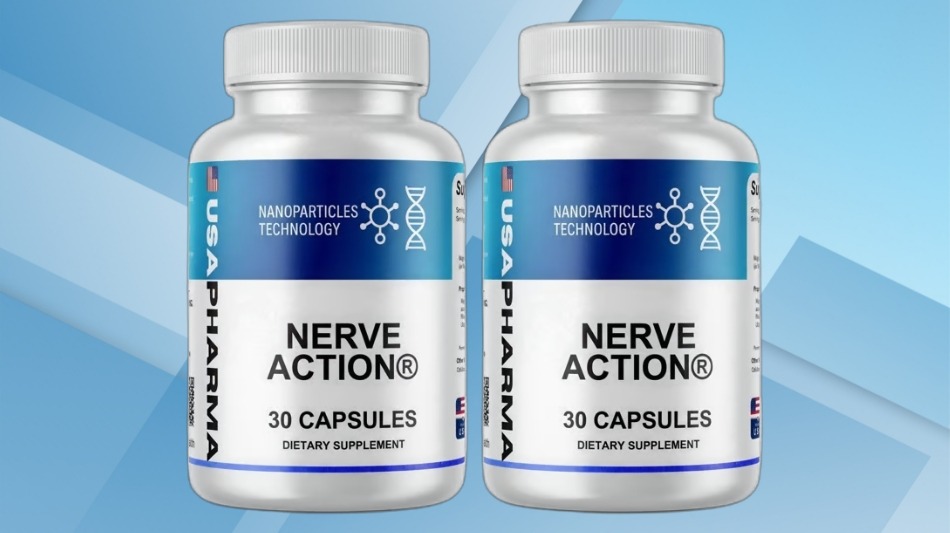
According to brand source materials, NerveAction is a daily nerve support dietary supplement produced by HBN Nutrition under USA Pharmaceutical, Inc. According to the brand, the formula is designed to help support healthy nerve function, promote comfortable nerve signaling, and provide nutritional backing for the peripheral nervous system as part of a consistent daily wellness routine.
The product is marketed primarily toward adults who experience occasional nerve discomfort in the feet and hands - including sensations like tingling, numbness, or sensitivity - that are common among adults over 50, people managing blood sugar, those with nutritional gaps, and anyone whose lifestyle has placed cumulative demands on their nervous system over time.
A few important points to establish before going further.
NerveAction is a dietary supplement, not a prescription medication. It is not intended to diagnose, treat, cure, or prevent any disease. According to the product's own regulatory disclaimer, these statements have not been evaluated by the Food and Drug Administration. That is not a warning against it - it is the accurate regulatory framing for the entire supplement category.
According to brand source materials, NerveAction is manufactured in facilities following GMP (Good Manufacturing Practice) standards. To be precise about what that means: these are manufacturing quality standards for consistency and facility operation - not FDA product-level approval or review. Dietary supplements in the United States are not FDA-approved as finished products. That applies to the entire supplement category, not just NerveAction. The brand's manufacturing claims are worth understanding accurately before you decide.
With those fundamentals in place, let's look at why people seek out nerve support supplements in the first place - and then at what is actually inside this formula.
Understanding Nerve Discomfort: Why So Many Adults Are Searching for Answers in 2026
If you have been living with occasional tingling in your feet, numbness in your hands, or nerve sensations in your legs that seem to come and go without a clear single cause, you are not alone. These are experiences that many adults over 50 report - and they are among the reasons people search for nerve health support.
The peripheral nervous system is a vast network that carries signals from the brain and spinal cord to every corner of the body, including the hands, feet, fingers, and toes. These peripheral nerves handle sensory input (temperature, pressure, pain), motor output (movement signals to muscles), and autonomic regulation (circulation, digestion, organ function). When peripheral nerves are functioning well, this signaling system operates quietly in the background. When something disrupts it - whether nutritional gaps, circulation changes, oxidative stress, blood sugar fluctuations, medication effects, or the natural changes that come with aging - the disruption tends to announce itself through exactly the kind of sensations that bring people to search for help.
Why nerve wellness becomes a priority for many adults over 50.
Some of the most frequently discussed contributors to changes in nerve comfort include:
Nutritional insufficiency, particularly B12
B12 plays a well-documented role in peripheral nerve health. The vitamin is essential for the synthesis and maintenance of myelin - the protective sheath that insulates nerve fibers and allows signals to travel at their proper speed. As people age, stomach acid production typically declines, reducing the ability to absorb B12 from food. Certain widely used medications, including metformin and proton pump inhibitors, are associated with reduced B12 absorption. Vegans and vegetarians face risk from dietary exclusion alone. The result is that a meaningful segment of adults over 50 may have insufficiently supported nerve health because of a nutrient their body is no longer absorbing as efficiently from food.
Oxidative stress on nerve tissue
Peripheral nerves are metabolically demanding - they require consistent energy and antioxidant protection to maintain their integrity. Oxidative stress, the imbalance between free radical production and the body's ability to neutralize it, accumulates over time in nerve tissue and can degrade the structural components that keep nerve signaling clear and efficient. This is where compounds like alpha lipoic acid become relevant: not as treatments, but as nutritional support that helps maintain antioxidant balance in tissues that need it.
Blood sugar and nerve health
Blood sugar levels that are consistently high or poorly managed are associated in the research literature with effects on peripheral nerve health over time - through both direct effects on nerve fibers and indirect effects on the small blood vessels that supply them. For people actively managing their blood sugar through lifestyle, diet, or medication, peripheral nerve wellness is a particularly relevant consideration.
Poor circulation to the extremities
The tiny blood vessels (called vasa nervorum) that supply nutrients and oxygen to peripheral nerve fibers require adequate circulation to do their job. When circulation to the hands and feet is compromised - by sedentary habits, poor cardiovascular health, cold exposure, or other factors - the nerves in those areas receive less of what they need and may respond with the sensations that feel most familiar to people searching for nerve support.
Aging and nerve resilience
After 50, several biological processes converge that affect nerve health independently of any single cause: mitochondrial efficiency in nerve cells declines, B vitamin absorption decreases, circulation to the extremities becomes less robust, and the cumulative effects of decades of oxidative stress begin to express themselves. None of this is disease. All of it is biology - and it is the biological context that makes targeted nutritional support for nerve health a legitimate category of wellness interest for older adults.
Where supplements fit into this picture
Dietary supplements for nerve health are not treatments for any of the above conditions. They are nutritional tools designed to address the specific nutrient gaps and protective mechanisms that nerve tissue depends on. Whether a given supplement is worth considering depends entirely on whether its ingredients address these mechanisms meaningfully, at sufficient quality, for your individual situation. That is what the rest of this guide evaluates for NerveAction.
Consulting a qualified healthcare provider is an essential step before starting any supplement, particularly if you are experiencing nerve symptoms that are significant, progressive, or affecting your ability to function normally. A supplement is not a substitute for medical evaluation.
NerveAction Ingredients: What the Research Actually Shows
This is the heart of any honest review. Each ingredient below is evaluated based on what the published research says about that compound in the context of nerve health. What follows is ingredient-level research - meaning findings from studies on these individual compounds. NerveAction as a finished product has not been clinically studied. Ingredient-level findings do not mean this supplement treats, cures, or replaces any prescribed treatment. Individual results vary.
Check out NerveAction's full ingredient list on the official website
Alpha Lipoic Acid
Alpha lipoic acid (ALA) is an extensively studied compound in the nerve health supplement category, and its presence in NerveAction is one of the more substantive aspects of the named ingredient profile.
ALA is a naturally occurring antioxidant produced in small amounts by the body and found in trace quantities in certain foods. What makes it unusual - and particularly relevant to nerve health - is that it is both fat-soluble and water-soluble simultaneously. Most antioxidants work in one medium or the other. ALA can function across both, meaning it operates within the fatty myelin sheath that protects nerve fibers and within the water-based cellular environment where oxidative damage also accumulates. For nerve tissue specifically, this dual access makes ALA a more broadly protective antioxidant than most.
ALA is also involved in mitochondrial energy production as a co-factor in key metabolic pathways that generate cellular energy (ATP). Nerve cells are among the most energy-demanding cells in the body - they must maintain constant ion gradients and generate electrical signals around the clock. ALA's role in supporting that energy system is distinct from its antioxidant function, making it a compound that works on two meaningful fronts simultaneously.
Beyond its direct functions, ALA participates in recycling other antioxidants including vitamins C and E, potentially amplifying the protective capacity within nerve tissue.
What the ingredient-level research shows: Clinical studies have examined ALA supplementation in populations with nerve-related wellness concerns, with a number of trials finding associations between ALA supplementation and improvements in reported nerve comfort scores. Studies have also explored ALA's potential to support antioxidant balance in nerve tissue and its role in cellular energy metabolism. As with all ingredient-level research, these findings relate to the compound itself - not to NerveAction as a finished product.
ALA is among the more extensively studied compounds in the nerve health category. Its presence in NerveAction reflects a formula built with research-grounded intent rather than generic filler choices.
Benfotiamine (Fat-Soluble Vitamin B1)
Benfotiamine is a specific, fat-soluble form of thiamine - Vitamin B1 - that is studied separately from standard thiamine because of its meaningfully different absorption characteristics and cellular activity.
Standard thiamine is water-soluble, which limits how efficiently it crosses cellular membranes and reaches the tissues that need it. Benfotiamine is fat-soluble, allowing it to penetrate cell membranes more readily. Research suggests benfotiamine achieves significantly higher tissue concentrations than equivalent doses of standard thiamine, which may translate to more effective support of the metabolic processes that nerve cells depend on.
The reason thiamine is important to nerve health is mechanistic: nerve cells rely on thiamine as a co-factor in key metabolic pathways - including the pentose phosphate pathway - that help cells process glucose efficiently. When glucose metabolism in nerve cells becomes inefficient, harmful byproducts accumulate and contribute to oxidative stress in nerve tissue. Benfotiamine's potential role is in activating these pathways more effectively than standard B1, helping nerve cells process glucose more cleanly.
What the ingredient-level research shows: Research on benfotiamine has examined its potential to support nerve cell health through activation of metabolic pathways that help manage glucose-related oxidative stress in peripheral nerves. Several studies have explored associations between benfotiamine supplementation and nerve comfort outcomes. Research has also examined how benfotiamine's fat-soluble structure may allow higher tissue concentrations than standard thiamine at comparable doses.
The formulation decision to include benfotiamine rather than generic thiamine reflects a deliberate choice - selecting the form with a more specific nerve health research profile rather than the standard multivitamin form. Consult your healthcare provider before starting, particularly if you have any conditions affecting glucose metabolism.
Vitamin B12
Vitamin B12 (cobalamin) has a well-established relationship with nerve health in the nutritional science literature. B12 deficiency is widely recognized in the scientific literature as a nutritional factor that can affect peripheral nerve health, and B12's role in nerve tissue maintenance is among the more extensively studied nutrient-nerve relationships in nutritional research.
B12 plays a critical structural role in the production and maintenance of myelin - the insulating sheath that surrounds nerve fibers. Myelin is not merely protective padding; it is functionally essential for signal transmission. Signals in myelinated nerves travel through a process called saltatory conduction, jumping efficiently between nodes rather than traveling the full length of the fiber. Without adequate myelin, signal transmission becomes slower, less consistent, and more error-prone. The sensory disturbances associated with B12 insufficiency - tingling, numbness, and balance changes - directly reflect degraded myelin function.
B12 also participates in methylation processes, including the synthesis of S-adenosyl methionine (SAMe), which is involved in the ongoing maintenance and repair of nerve cell structure. This makes B12 important at both the structural (myelin) and cellular (methylation) levels of nerve health.
Why B12 insufficiency is so common among the adults this product targets: B12 is found almost exclusively in animal products - meat, fish, eggs, dairy. This creates obvious risk for vegans and vegetarians, but dietary restriction is not the only problem. As people age, stomach acid production typically declines. Stomach acid is needed to separate B12 from food proteins during digestion. Supplemental B12, by contrast, does not require stomach acid to be absorbed. This means many adults over 50 who eat plenty of animal protein may still have declining B12 status simply because their digestive system can no longer extract it from food effectively. Metformin, one of the most widely prescribed medications for blood sugar management, is also associated with reduced B12 absorption with long-term use. Proton pump inhibitors produce a similar effect.
The form of B12 in NerveAction is not specified on the available product page. The two most common supplemental forms are cyanocobalamin (stable, widely used, requires conversion to active form in the body) and methylcobalamin (directly active, often preferred for nerve-specific applications). If B12 form is relevant to your situation - particularly if you have MTHFR gene variants that affect methylation - contact the brand for clarification before purchasing.
What the ingredient-level research shows: The relationship between B12 and nerve health is one of the most extensively documented in the nutritional science literature. B12's role in myelin synthesis is a well-established biological mechanism. B12 insufficiency as a contributor to peripheral nerve concerns is recognized across nutritional and clinical contexts. For a nerve support supplement, B12 inclusion is foundationally logical - and the form selected (cyanocobalamin vs. methylcobalamin) can matter for some individuals, as noted earlier.
Turmeric Extract
Turmeric extract - derived from the root of Curcuma longa - contains curcuminoids, of which curcumin is the most studied. Curcumin has been extensively researched for its role in supporting a balanced inflammatory response in tissues throughout the body, including nerve tissue.
The relevance of inflammation to nerve health is not incidental. Chronic, low-grade inflammatory signaling in and around peripheral nerve tissue can affect nerve cell health and sensitivity over time. Curcumin's potential to modulate specific inflammatory pathway signals - particularly NF-kB signaling, which is involved in inflammatory gene expression - is one reason it appears in nerve support formulations rather than just generic anti-inflammatory products.
Beyond inflammation, curcumin has been studied as a potential neuroprotective compound. Research has examined curcumin's capacity to support nerve growth factor (NGF) activity - a protein involved in the maintenance and survival of nerve cells - as well as its antioxidant properties in neural tissue contexts. This dual action on both inflammatory and oxidative mechanisms in nerve tissue makes it a more relevant inclusion than a simple anti-inflammatory compound would be.
One well-known challenge with turmeric extract is bioavailability - standard curcumin is not well absorbed on its own. Many high-quality formulations address this through the addition of piperine (black pepper extract) or phospholipid complexes. The NerveAction product page does not specify whether any bioavailability enhancer is included with the turmeric extract. For anyone whose primary interest is in the turmeric component, this is worth confirming with the brand.
Drug interaction note: Turmeric has mild anticoagulant properties and may interact with blood-thinning medications including warfarin and other anticoagulants. If you take any blood-thinning medication, discuss NerveAction with your healthcare provider or pharmacist before starting.
Passionflower Extract
Passionflower (Passiflora incarnata) has a long history in herbal traditions as a nervine - an herb used to support the calming and regulatory function of the nervous system. In modern research contexts, passionflower has been studied primarily for its potential role in supporting GABA (gamma-aminobutyric acid) activity.
GABA is the nervous system's primary inhibitory neurotransmitter. It helps regulate neuronal excitability throughout the brain and nervous system. When GABA signaling is adequate, the nervous system maintains a more balanced state with less tendency toward hyperreactive signaling. When GABA activity is insufficient, the nervous system can become more reactive - a state that may manifest as heightened nerve sensitivity, difficulty relaxing, disrupted sleep, or increased awareness of nerve sensations.
Passionflower's proposed mechanism involves supporting GABA receptor activity and may also involve inhibition of monoamine oxidase (MAO), an enzyme involved in breaking down certain neurotransmitters. Research has examined passionflower's potential to promote a calmer neurological environment, contributing to balanced nervous system signaling rather than suppressing it.
At typical supplemental doses, passionflower does not function as a sedative. Its influence, when present, is more regulatory - supporting the kind of neurological balance that helps the nervous system maintain appropriate signaling without excessive reactivity. This is the dimension most nerve support formulas do not address at all. Most products focus on structural and nutritional support (B vitamins, ALA) without addressing nervous system regulation. Passionflower's inclusion fills a gap in the formula that many single-mechanism competitors leave open.
Drug interaction note: Passionflower may potentiate the effects of sedative medications, sleep medications, and certain anti-anxiety medications. If you take any of these, discuss NerveAction with your healthcare provider before starting.
Magnesium
Magnesium is the mineral most frequently cited in discussions of nerve function, and for good reason. It serves as a co-factor in over 300 enzymatic reactions in the body, many of which are directly relevant to nerve and muscle signaling.
For nerve health specifically, magnesium plays a critical role in regulating NMDA (N-methyl-D-aspartate) receptors - receptors involved in nerve excitability and pain signal processing. Adequate magnesium acts as a natural channel blocker at these receptors, helping prevent excessive nerve excitation. This is part of why magnesium is associated with supporting comfortable nerve responses and reducing nerve hypersensitivity. When magnesium levels are low, NMDA receptor activity can increase, potentially contributing to heightened sensitivity and the kind of nerve discomfort that brings people to this category of supplements.
Magnesium also participates in ATP synthesis - the production of cellular energy that nerve cells consume in significant quantities to maintain their electrical signaling. And it plays a role in the regulation of sodium-potassium ATPase, an enzyme critical to maintaining the ion gradients that generate nerve action potentials.
Magnesium insufficiency is worth considering for many adults. Nutritional surveys have noted that many adults do not consistently meet recommended magnesium intake through diet alone. The foods richest in magnesium - leafy greens, nuts, seeds, legumes, whole grains - are frequently underconsumed in modern diets. Even among people who eat relatively well, magnesium absorption can be reduced by digestive health issues, chronic stress, alcohol consumption, and certain medications including proton pump inhibitors and some diuretics.
The form of supplemental magnesium matters for absorption. Magnesium glycinate and magnesium malate are generally considered among the best-absorbed and most tolerable forms. Magnesium oxide - the cheapest and most common form - has substantially lower bioavailability. The NerveAction product page does not specify the magnesium form. If this is relevant to your decision, contact the brand for clarification.
High-dose magnesium supplementation can cause digestive discomfort. Anyone with kidney conditions should consult a healthcare provider before supplementing magnesium. If you take medications for blood pressure or heart function, discuss magnesium supplementation with your doctor or pharmacist.
Acetyl-L-Carnitine
Acetyl-L-Carnitine (ALCAR) is an amino acid derivative that works through two distinct mechanisms in the context of nerve health - cellular energy production and neurotransmitter support - making it a meaningfully different ingredient from anything else in this formula.
In terms of energy metabolism, ALCAR facilitates the transport of fatty acids across the mitochondrial membrane for energy production. Nerve cells have unusually high and continuous energy demands, relying on efficient mitochondrial function to maintain their electrical activity and structural integrity. By supporting the mitochondrial energy production pathway, ALCAR contributes to the energy supply that nerve cells need to function and maintain themselves over time.
The "acetyl" component of acetyl-L-carnitine distinguishes it from standard L-carnitine in a way that is specifically relevant here: the acetyl group can participate in the synthesis of acetylcholine - a neurotransmitter involved in both central and peripheral nerve signaling, including the neuromuscular junction where nerves connect to muscles. This means ALCAR supports not only mitochondrial energy production but also the neurotransmitter side of nerve function.
What the ingredient-level research shows: Studies have examined ALCAR's potential to support the maintenance of healthy nerve cells and nerve fiber integrity over time. Research has also explored ALCAR's potential neuroprotective properties, including its capacity to support antioxidant defense in nerve tissue. These are ingredient-level findings - they do not mean NerveAction will produce specific outcomes for any individual. Individual responses vary.
From a formulation design perspective, ALCAR's placement alongside ALA, B12, benfotiamine, and magnesium creates a formula that addresses nerve health from multiple simultaneous angles: antioxidant protection (ALA, turmeric), structural support (B12), signal regulation (magnesium, passionflower), metabolic energy (ALCAR, benfotiamine), and balanced inflammation (turmeric). This is a coherent multi-mechanism approach rather than a single-ingredient strategy.
Herbal Nerve Support Blend
The NerveAction product page references an Herbal Nerve Support Blend as the eighth component of the formula but does not specify which herbs are included. This should be stated honestly: without knowing which herbs are in this blend, it is not possible to evaluate their research backing, their potential interactions, or their contribution to the formula's overall mechanism.
This is a genuine transparency gap. For anyone with herbal sensitivities, medications that may interact with unspecified botanical compounds, or who simply believes - reasonably - that they have a right to know what they are taking, this undisclosed blend is a legitimate concern. Consumers who prefer full ingredient transparency may wish to contact the brand for clarification before purchasing: [email protected].
What the Full Formula Adds Up To
Looking at NerveAction's ingredient profile as a system: the formula addresses nerve health through antioxidant protection of nerve cells (ALA, turmeric), structural nerve maintenance (B12), metabolic energy support for nerve cells (benfotiamine, ALCAR), nerve signal regulation (magnesium, passionflower), and balanced inflammatory support (turmeric). That is a coherent, multi-mechanism approach for a nerve support supplement.
No finished-product clinical trial has been conducted on NerveAction itself. What the research shows about individual ingredients and what this specific formula does for any individual are two separate questions. The ingredient profile reflects compounds that have been studied individually in the context of nerve health. The finished-product outcomes are individual and cannot be guaranteed.
How NerveAction Is Designed to Work
According to the brand, NerveAction is designed to support nerve health through several complementary mechanisms running simultaneously: nourishing nerve cells with targeted nutrients, supporting the body's natural antioxidant protection in neural tissue, helping maintain balanced nerve signaling, and providing the cellular energy substrates that nerve cells require for their ongoing maintenance and function.
The brand does not claim NerveAction cures, treats, or reverses any condition. The positioning is supportive and maintenance-oriented - designed to help the body maintain healthy nerve function as part of a consistent daily wellness routine.
For nerve health supplements, consistent daily use over time is the framing that reflects how this biology works. Nerves are slow-adapting tissue. The myelin sheath that B12 supports is structural - its health reflects months and years of nutritional status, not days. The antioxidant protection that ALA provides needs to be ongoing to have cumulative effect. Magnesium's regulatory role in nerve signaling is continuous. These are not arguments against expecting any effect; they are honest context for what kind of timeline is realistic and what consistent use actually means.
The multi-mechanism design of NerveAction is the central formulation rationale. No single ingredient in the formula addresses all the aspects of nerve health that the combined formula targets. ALA alone is an excellent antioxidant but does not address structural B12 support or signal regulation. B12 alone is essential for myelin but does not address oxidative stress or energy metabolism. The case for a combined formula rests on the premise that nerve health as a biological system has multiple vulnerable points, and addressing them simultaneously is more effective than addressing any one in isolation.
What Supplements Can and Cannot Do for Nerve Health
This section matters for anyone considering NerveAction with serious nerve concerns - and honest reviewing requires addressing it directly.
Dietary supplements are not treatments
If you are experiencing significant, progressive, or severe nerve-related symptoms - persistent numbness, strong or worsening pain, progressive weakness, symptoms affecting your ability to walk, coordinate movements, or perform daily activities - these warrant medical evaluation before starting any supplement. A supplement is not an appropriate primary response to symptoms of this severity or character.
A healthcare provider can evaluate the causes of nerve symptoms, order appropriate diagnostic tests, and recommend treatments suitable for your situation. NerveAction is a dietary supplement for general nerve wellness support - it is not a medical intervention, and it should not be used as a substitute for one.
Where supplements have a legitimate role
Adults managing their health proactively - addressing nutritional gaps, supporting the nervous system against the cumulative effects of aging, nutrition, blood sugar, and lifestyle factors - have a legitimate case for nutritional nerve support. This is the context NerveAction is designed for, and it is a reasonable context. The distinction between supporting nerve health as part of a proactive wellness routine and treating nerve symptoms is not a legal technicality - it reflects a genuine difference in what is appropriate and what the evidence supports.
Supplements work best alongside lifestyle foundations, not instead of them
Regular physical activity supports circulation to peripheral nerves. B-vitamin-rich nutrition reduces deficiency risk. Blood sugar management is among the most important factors for peripheral nerve health over time. Stress management affects nervous system regulatory capacity. NerveAction is most meaningfully considered as a complement to these foundations - not a shortcut around them.
Is NerveAction Legit? What You Need to Evaluate
This is the question behind most searches for this product, and it deserves a direct, structured answer.
Manufacturer transparency
The official website lists customer support contact details including a phone number, email address, and business hours. A physical return address is published. These are verifiable details any buyer can confirm independently before purchasing.
Manufacturing standards
According to brand source materials, NerveAction is manufactured in facilities following GMP standards. These are the brand's claims about their manufacturing process. They represent the standard quality claims made by supplement brands operating in the U.S. market and have not been independently verified by the publisher of this article.
Ingredient credibility
The named ingredients - ALA, benfotiamine, B12, turmeric, passionflower, magnesium, ALCAR - are individually documented compounds with published research in the nerve health category. Their presence is evaluable. This is not a formula built entirely around undisclosed proprietary blends.
The transparency gap
The undisclosed Herbal Nerve Support Blend remains the one component that cannot be independently evaluated. All other ingredients are named. If complete ingredient transparency matters to your decision - and it reasonably should - contact the brand before purchasing.
The refund policy
According to the brand's published terms, NerveAction comes with a 60-day money-back guarantee from delivery, with no return typically required. The policy is documented with a physical return address and specific processing timeframes. The brand presents this as a standard satisfaction guarantee - review current terms on the official website before ordering.
The bottom line on legitimacy
The brand presents verifiable contact information, published refund terms, named ingredients with research histories, and documented manufacturing claims. Whether the product is appropriate for your individual situation is a separate question from whether the company operates transparently - and on the transparency indicators that are publicly verifiable, NerveAction presents consistently with a legitimate supplement operation.
What to Expect: Realistic Outcomes and Timeline
The brand does not publish a specific week-by-week timeline for NerveAction, and that restraint is appropriate - any supplement that promises you will feel dramatic results in 72 hours is making claims that the biology does not support.
Based on how nutritional support for nerve health is understood in the research, here is a realistic frame of reference - not a guarantee, and not a substitute for outcomes the brand has formally specified:
The first few weeks of consistent use are primarily about establishing nutritional levels. Magnesium begins to accumulate to more optimal levels if there was prior insufficiency. B vitamins begin building in tissues. ALA and ALCAR begin providing ongoing antioxidant and metabolic support. Most people do not notice dramatic changes during this phase. This is the foundation-building period.
Around weeks four to eight, some individuals who are responsive to nutritional nerve support may begin to notice subtle shifts - a sense of improved nerve comfort, reduced intensity of tingling, better sleep in those whose nerve sensations were disrupting it. This varies significantly by individual, baseline nutritional status, and the nature of the nerve discomfort being experienced. Not everyone will notice change at this point, and that does not mean the supplement is not providing value at the cellular level.
Beyond two months, consistent daily use supports the cumulative effects of nerve cell nourishment, ongoing antioxidant protection, and the structural maintenance that the formula's ingredients support. This is why the brand's 60-day money-back guarantee aligns with the timeline - it provides a reasonable evaluation window for a product type that requires sustained use.
These are rough patterns based on how this type of nutritional support works. They are not a timeline the brand has guaranteed, and they are not a promise about your individual experience. Results vary based on age, health status, nutritional baseline, medication use, consistency, and factors that cannot be predicted from outside your situation.
Do not use NerveAction as a substitute for medical evaluation of any nerve symptoms. Consult your physician before starting and do not change or discontinue any prescribed treatment on the basis of beginning a supplement.
See current NerveAction pricing and availability on the official website
Who NerveAction May Be Right For
This section replaces the typical testimonial-based review approach because testimonials are self-selected: satisfied customers are more likely to write reviews than those with neutral or negative experiences. The brand does publish customer feedback, but individual reviews do not reliably represent what a given person's experience will be. A self-assessment framework is more useful.
NerveAction May Align Well With People Who:
Are experiencing occasional, non-acute nerve discomfort in their hands, feet, or legs. Intermittent tingling, mild numbness, sensitivity to temperature, or a general sense that nerve function in the extremities is not what it used to be - this is the profile the brand most clearly addresses. These are the people who have been living with something manageable but persistent and want nutritional support targeting the specific mechanisms involved. If your symptoms are severe, sudden, progressive, or significantly affecting function, medical evaluation should come first.
Want a multi-ingredient nerve support formula rather than assembling a supplement stack themselves. NerveAction combines ALA, benfotiamine, B12, turmeric, passionflower, magnesium, and ALCAR in a single daily supplement. Sourcing and taking each of these compounds separately would require managing multiple bottles and dosing schedules, and the combined cost would likely exceed NerveAction's per-serving cost at the multi-bottle tiers. For anyone who wants comprehensive nerve nutritional support without the logistics of a custom stack, a pre-combined formula has genuine practical value.
Are over 50 and approaching nerve health proactively. The nutritional factors most relevant to peripheral nerve health - B12 status, magnesium adequacy, oxidative stress management, circulatory support - all become more relevant with age. An adult over 50 who is not yet experiencing serious symptoms but understands the biology well enough to support nerve health before problems develop is a particularly well-matched user for this type of product.
Have already consulted a healthcare provider about their nerve concerns. This is not a requirement, but it is a meaningful filter. Someone who has had their symptoms evaluated, who understands what is and is not going on, and who is looking for nutritional support to complement their healthcare approach is using this product appropriately. Someone substituting this supplement for medical evaluation is not.
Value a risk-reduced trial with a meaningful refund policy. The 60-day money-back guarantee from delivery - with no return of product typically required - provides a genuine evaluation window for a product that takes weeks to months to show its effects. This reduces the financial risk of trying a product that requires sustained use to assess accurately.
Are responsive to the specific ingredient profile. Someone who already knows they have low B12, suboptimal magnesium intake, or who has previously responded positively to ALA supplementation has more specific reason to consider a formula that addresses all of these simultaneously. Individual nutritional gaps matter, and this formula is most relevant to people whose gaps align with what it addresses.
Other Options May Be Preferable For People Who:
Have been diagnosed with a specific nerve condition. If you have a diagnosed neurological or neuropathic condition, your care decisions should be made with your healthcare provider. A dietary supplement is not a substitute for prescribed treatment, and using one in place of medically appropriate care is not appropriate regardless of what the supplement contains.
Are taking multiple medications without having first consulted a healthcare professional. Several NerveAction ingredients have interaction potential with commonly prescribed drugs. Alpha lipoic acid may affect blood sugar regulation and interact with diabetes medications and insulin. Turmeric has anticoagulant properties and may interact with blood thinners including warfarin. Magnesium interacts with certain antibiotics and some blood pressure and heart medications. Passionflower may potentiate sedative medications. This is not a reason to avoid the product categorically - it is a reason to make the conversation with a healthcare professional a prerequisite rather than an afterthought.
Need complete ingredient transparency before purchasing. If knowing every component of what you take is a non-negotiable requirement - which is a reasonable standard - the undisclosed herbal blend is a problem until the brand clarifies what it contains. Contact [email protected] for that information before ordering.
Are expecting rapid results. Nerve health responds gradually to nutritional support. Expecting meaningful change in the first week will lead to premature abandonment of a product that requires longer commitment to evaluate honestly. If rapid relief from significant nerve symptoms is what you need, that need is better addressed through medical evaluation than through any supplement.
Are on tight budgets exploring single-ingredient options first. NerveAction is priced as a multi-ingredient formula. For someone who wants to evaluate whether one specific nutrient - B12 or magnesium, for example - is the key variable in their nerve health, starting with targeted single-ingredient supplementation under medical guidance may be a more economical first step.
Questions to Ask Yourself
Before deciding on NerveAction, work through these honestly:
Has a healthcare provider evaluated your nerve symptoms to rule out underlying conditions?
Are you currently taking medications that could interact with any of the listed ingredients?
Do you have realistic expectations for the timeline of nutritional supplementation?
Have you resolved the undisclosed herbal blend question, or does it not apply to your situation?
Are you prepared to use this consistently for at least 60 days before assessing whether it is working?
Have you verified the current refund policy terms on the official website?
Are you approaching this as a complement to healthy lifestyle foundations, not a replacement for them?
Your answers to these questions will tell you more about whether this is the right choice than any review can.
NerveAction vs. Other Approaches: An Honest Comparison
Adults exploring nerve health support generally have several options. Here is how NerveAction's profile compares to the most common alternatives, framed factually rather than as a superiority claim.
NerveAction vs. individual B12 supplementation
Standalone B12 is widely available, inexpensive, and well-supported for addressing B12-specific insufficiency. If B12 deficiency is a confirmed or suspected specific concern, a targeted high-dose B12 supplement under medical guidance may be a more precise and economical approach. However, a standalone B12 supplement does not address the antioxidant, anti-inflammatory, metabolic energy, or signal-regulatory dimensions that NerveAction's formula targets. The appropriate choice depends on whether the goal is targeted nutrient replacement or comprehensive multi-mechanism nerve support.
NerveAction vs. alpha lipoic acid supplements
ALA is available as a standalone supplement and is the most studied individual compound in the nerve health category. For someone whose primary concern is antioxidant nerve protection, a standalone ALA product may be sufficient. NerveAction adds the B vitamin, metabolic, and regulatory dimensions that standalone ALA does not address.
NerveAction vs. building a DIY supplement stack
Purchasing ALA, benfotiamine, methylcobalamin B12, ALCAR, magnesium, turmeric, and passionflower as separate supplements provides precise dosing control but involves significant cost, logistics, and multiple daily dosing schedules. A pre-combined formula offers cost efficiency and convenience. The trade-off is less flexibility over individual ingredient amounts. For most non-specialist users, the consolidated approach is more practical.
NerveAction vs. prescription nerve medications
Prescription treatments for nerve conditions are prescribed for diagnosed conditions through specific mechanisms at therapeutic doses - they are not comparable to dietary supplements and are not designed for the same purpose. NerveAction is not positioned as an alternative to prescribed care. If you have a diagnosed nerve condition requiring prescription treatment, work with your physician. Never use a supplement as a substitute for prescribed care.
NerveAction vs. other nerve support supplements in 2026
The nerve supplement category has grown significantly in recent years, with a wide range of products available at different price points and with varying ingredient profiles. The meaningful questions when evaluating any nerve supplement are whether the ingredients are named and evaluable, whether the company is contactable and has a published refund policy, and whether the formula's ingredient rationale aligns with your specific wellness goals. NerveAction's named ingredient profile addresses multiple mechanisms simultaneously, which is the rationale for evaluating it as a multi-ingredient formula rather than comparing it against individual competitors.
NerveAction Pricing, Bundles, and Where to Buy
According to brand source materials, NerveAction is available in several configurations with meaningful per-bottle savings at higher-volume tiers.
2-Bottle Supply (approximately 60 days): According to the brand, this option is priced at approximately $79 per bottle with free U.S. shipping included.
3-Bottle Supply (approximately 90 days): The brand lists this bundle at approximately $69 per bottle with free U.S. shipping included.
6-Bottle Supply (approximately 180 days): According to the official website, this option is priced at approximately $49 per bottle with free U.S. shipping. The brand designates this as the most popular configuration.
12-Bottle Supply (approximately 12-month supply): The brand lists this option at approximately $39 per bottle with free U.S. shipping - the lowest per-bottle cost in the lineup.
All pricing was accurate at time of publication (March 2026) and is subject to change - always verify current pricing at checkout before ordering.
For a product designed for consistent daily use over months, the multi-bottle math is meaningful. The 6-bottle and 12-bottle tiers represent significant savings over the 2-bottle starting price per unit. That said, a reasonable approach for a first purchase is to start with a tier that fits within the 60-day refund window - which gives you a legitimate trial period without committing to a large supply before evaluating whether this formula is working for your situation.
According to the brand, NerveAction is available on the official website. The brand recommends purchasing through the official channel to ensure product authenticity, access to current bundle pricing and promotions, and protection under the satisfaction guarantee.
Payment is processed securely through BuyGoods, the brand's payment processing partner. According to the company's terms, the charge on your credit card statement will appear as "BuyGoods" - this is their secure payment partner, not a separate company or indicator of any problem with the order.
NerveAction Refund Policy: What the Terms Actually Say
The satisfaction guarantee is a meaningful part of this decision, and the specifics matter. Here is what the brand's published policy states, as of the time this article was written. Always verify current terms on the official website before purchasing, as policies are subject to change.
The satisfaction guarantee covers 60 days from the delivery date - not from the order date. The delivery date is when the clock starts. Keep your order confirmation and tracking information so you know exactly when that window opens.
Refund requests require your order number or the email address used for the purchase. The brand states that in most cases, product return is not required to receive a refund. If a return is requested by the brand, they state they will cover return shipping costs and provide return instructions.
Refunds are limited to one per customer per the published policy. This is a standard single-use guarantee structure.
Once approved, the brand states refunds are processed in 5 to 10 business days to appear in the original payment account, depending on the bank or card issuer.
If a physical return is needed, the return address listed by the brand is: Returns Department, 19655 E 35th Drive, Suite 100, Aurora, CO 80011, United States.
The brand recommends contacting customer support before initiating any return process.
The brand presents these as standard consumer-friendly terms. Review the current policy details before ordering, as terms are subject to change.
How to Order NerveAction
Ordering is straightforward. According to the brand, NerveAction is available on the official website.
Select the bundle that fits your situation. For a first purchase, the 2- or 3-bottle tier provides enough supply to give the formula a fair trial within the refund window. If you have already evaluated the formula and want the best per-bottle pricing, the 6-bottle or 12-bottle tiers offer meaningful savings.
Complete your order through the BuyGoods secure checkout. The charge on your statement will appear as "BuyGoods." This is expected and normal.
Get started with NerveAction on the official website
The Honest Final Verdict
NerveAction is a nerve support dietary supplement with a named ingredient profile that draws on compounds studied in the context of nerve health. The named ingredients - alpha lipoic acid, benfotiamine, B12, turmeric extract, passionflower, magnesium, and acetyl-L-carnitine - each have published research histories relevant to nerve health. The multi-mechanism design of the formula reflects an approach to supporting the nervous system across several nutritional angles rather than through a single ingredient.
The case for NerveAction: If you are an adult experiencing occasional nerve discomfort - tingling in the hands or feet, intermittent numbness, nerve sensitivity that has not been attributed to a specific diagnosed condition - and you are looking for a multi-ingredient daily nerve support supplement with a named, research-grounded ingredient profile, this formula is worth evaluating. The combination of antioxidant support (ALA), B-vitamin nerve nutrition (B12, benfotiamine), balanced inflammation support (turmeric), nervous system calming (passionflower), signal regulation (magnesium), and cellular energy support (ALCAR) addresses nerve wellness from several nutritional angles simultaneously. The brand has verifiable contact information, published refund terms with a physical address, and a 60-day money-back policy with no return typically required. At the multi-bottle tiers, according to the brand's pricing, the per-serving cost is reasonable for a multi-ingredient formula of this scope.
The considerations to weigh honestly: The undisclosed herbal blend is a real gap. Anyone with herbal sensitivities or medications that might interact with unspecified botanical compounds should contact the brand and resolve that question before ordering. Several named ingredients have meaningful interaction potential with commonly prescribed medications - this is not a reason to avoid the product but it is a clear reason to make a conversation with a healthcare professional a prerequisite. The "FDA facility compliance" language describes manufacturing standards, not product-level FDA review - that distinction matters and you now understand it clearly. No finished-product clinical trial has been conducted on NerveAction, which means all outcome claims are based on ingredient-level research, not on studies of this specific formula.
Who should approach with caution: Anyone with a diagnosed nerve condition should be working with a healthcare provider on appropriate treatment, not managing it independently with a supplement. Anyone on multiple medications - particularly diabetes medications, blood thinners, or sedatives - needs a pharmacist or physician conversation before starting. Anyone who needs rapid relief from significant symptoms needs medical evaluation, not a supplement.
The honest framing: NerveAction is a supplement for general nerve health support, designed for adults who want daily nutritional backing for their peripheral nervous system as part of a proactive wellness strategy. Approached with appropriate expectations - consistent daily use, a realistic multi-week evaluation window, as a complement to healthy lifestyle foundations and appropriate medical care - NerveAction represents an option in the nerve support category with a named, evaluable ingredient profile. Whether it is the right option for your specific situation is a question only you and your healthcare provider can fully answer.
Do not change or stop any prescribed treatment on the basis of starting this supplement. Consult your physician before starting, particularly if you are managing any health condition or taking medications.
Important note: The dietary supplement category, including the nerve health sub-category, has attracted increased regulatory attention in recent years. Verify the most current information about any supplement's ingredients, manufacturing standards, and company standing before purchasing. Confirming current pricing, terms, and product details directly with the brand before ordering is always the responsible approach.
Frequently Asked Questions
What is NerveAction?
NerveAction is a daily nerve support dietary supplement produced by HBN Nutrition under USA Pharmaceutical, Inc. According to the brand, it is formulated to support healthy nerve function, address occasional tingling or nerve discomfort, and provide nutritional support for the peripheral nervous system through a combination of vitamins, antioxidants, minerals, and botanical extracts. It is a dietary supplement, not a medication, and is not intended to diagnose, treat, cure, or prevent any disease.
Is NerveAction FDA approved?
No supplement is FDA approved as a finished product - that is not how dietary supplements are regulated under U.S. law. According to brand source materials, NerveAction is manufactured in facilities following GMP standards. This refers to manufacturing quality standards, not FDA product review, clinical trial evaluation, or approval. This applies to the entire dietary supplement category - not just NerveAction. Understanding this distinction is important when evaluating any supplement.
Is NerveAction a legitimate product?
The brand presents verifiable contact information - a phone number, email address, business hours, and a physical return address - along with a 60-day refund policy with documented terms. The named ingredients have published research histories that are independently evaluable. According to the brand's materials, manufacturing follows GMP standards. These are publicly available indicators any buyer can confirm before purchasing. Whether this product is appropriate for your individual situation is a question only you and your healthcare provider can fully answer. Verify current pricing and terms on the official website before ordering.
How long does NerveAction take to work?
Nerve health responds gradually to nutritional support - nerves are metabolically demanding tissue and nutritional improvements reflect slowly in how they function. A realistic evaluation window is several weeks to a few months of consistent daily use. The brand's FAQ notes that results vary from person to person and that many users report gradual improvements over several weeks of consistent use. The 60-day satisfaction guarantee from delivery provides an evaluation window that is appropriate to this timeline. Do not expect dramatic changes in the first week. The appropriate expectation is gradual, cumulative nutritional support over consistent use.
What are the ingredients in NerveAction?
According to the brand, NerveAction contains Alpha Lipoic Acid, Benfotiamine (fat-soluble Vitamin B1), Vitamin B12, Turmeric Extract, Passionflower Extract, Magnesium, Acetyl-L-Carnitine, and an Herbal Nerve Support Blend. The specific herbs in that blend are not disclosed on the product page. If complete ingredient transparency matters to your decision - and it reasonably should - contact the brand at [email protected] before purchasing.
Does NerveAction have a money-back guarantee?
According to the company's published refund policy, NerveAction is covered by a 60-day satisfaction guarantee measured from the delivery date, not the purchase date. Refund requests require your order number or the email address used for purchase. The brand states that in most cases product return is not required to receive a refund, and if a return is requested, the brand covers return shipping. Refunds are limited to one per customer. Processing takes 5 to 10 business days after approval. Always verify current policy terms on the official website before ordering, as policies are subject to change.
What drug interactions should I know about?
Several NerveAction ingredients have potential interactions with commonly prescribed medications. Alpha lipoic acid may affect blood sugar regulation and could interact with diabetes medications and insulin. Turmeric extract has mild anticoagulant properties and may interact with blood thinners including warfarin and other anticoagulants. Magnesium can affect the absorption and activity of certain antibiotics (particularly fluoroquinolones and tetracyclines) and may interact with some blood pressure and cardiac medications. Passionflower may potentiate sedative, sleep, and anti-anxiety medications. Acetyl-L-carnitine may interact with some anticoagulant and thyroid medications. This is not an exhaustive list. Always consult your healthcare provider or pharmacist before starting NerveAction if you take any prescription or over-the-counter medications.
Is NerveAction safe for people over 60?
The brand states NerveAction is intended for adults. For adults over 60 specifically, several ingredients are particularly relevant: B12 absorption typically declines significantly with age, making supplemental B12 increasingly meaningful; magnesium requirements are ongoing and dietary gaps common; ALA and ALCAR provide antioxidant and metabolic support that becomes more relevant as mitochondrial efficiency in nerve cells naturally declines. However, adults over 60 are also more likely to be taking multiple medications, which makes the drug interaction discussion above particularly important. If you are 60 or older and taking multiple medications, discuss NerveAction with your physician or pharmacist before starting.
Can NerveAction be taken with metformin?
Both metformin and NerveAction are relevant to blood sugar and nerve health, but they interact in ways worth understanding. Metformin is known to reduce B12 absorption with long-term use, which is one reason B12 supplementation is often recommended for long-term metformin users. Alpha lipoic acid, one of NerveAction's primary ingredients, may affect blood sugar levels and could influence how your diabetes management medications work. Anyone taking metformin or any diabetes medication should discuss NerveAction with their healthcare provider before starting, with particular attention to how ALA may interact with their specific medication regimen and blood sugar management goals.
What is the best way to take NerveAction?
Follow the recommended usage instructions provided with the product. Consistent daily use is the approach described by the brand as supporting steady nutritional support for nerve cells. Specific dosing instructions are on the product label. If you have questions about dosing for your individual situation, consult your healthcare provider.
Where can I buy NerveAction?
According to the brand, NerveAction is available on the official website. The brand recommends against purchasing from third-party resellers or unofficial marketplaces, where product authenticity, freshness, and guarantee coverage cannot be assured. Verify current pricing and availability at checkout.
Is the tingling in my feet serious? Should I see a doctor?
This is beyond the scope of any supplement review to answer. Persistent, worsening, sudden, or functionally disruptive nerve sensations warrant medical evaluation regardless of what supplements you may be considering. A healthcare provider can evaluate the cause of nerve symptoms, order appropriate diagnostic tests, and recommend suitable treatment. Starting a supplement without medical evaluation when symptoms are significant, progressive, or unexplained is not the appropriate approach. Get evaluated first. Then consider whether supplemental nerve support makes sense as part of a wellness strategy alongside appropriate medical care.
Check current NerveAction pricing and the full product details on the official website
Contact Information
For questions before or after purchase, according to the brand's published contact information:
Company: NanoParticles Technology
Email: [email protected]
Phone: (959) 224-1235
Hours: Monday through Friday, 9:00 AM to 5:00 PM EST
Disclaimers
FDA Health Disclaimer: These statements have not been evaluated by the Food and Drug Administration. This product is not intended to diagnose, treat, cure, or prevent any disease. Always consult your physician before starting any new supplement, especially if you have existing health conditions, take medications, or are pregnant or nursing.
Professional Medical Disclaimer: This article is educational and does not constitute medical advice. NerveAction is a dietary supplement, not a medication. If you are currently taking medications, have existing health conditions, are pregnant or nursing, or are considering any major changes to your health regimen, consult your physician before starting NerveAction or any new supplement. Do not change, adjust, or discontinue any medications or prescribed treatments without your physician's guidance and approval.
Results May Vary: Individual results will vary based on factors including age, baseline nerve health, lifestyle factors, consistency of use, genetic factors, current medications, nutritional status, and other individual variables. While some customers report improvements, results are not guaranteed. This is ingredient-level research; NerveAction as a finished product has not been clinically studied.
FTC Affiliate Disclosure: This article contains affiliate links. Purchase links route through an affiliate tracking partner to the official NerveAction website. Compensation may be received if purchases are made through links in this article. The publisher strives to present information based on publicly available sources, brand source materials, and ingredient research.
Pricing Disclaimer: All prices, discounts, and promotional offers mentioned were accurate at the time of publication (March 2026) but are subject to change without notice. Always verify current pricing and terms on the official NerveAction website before making your purchase.
Publisher Responsibility Disclaimer: The publisher of this article has made every effort to ensure accuracy at the time of publication. We do not accept responsibility for errors, omissions, or outcomes resulting from the use of the information provided. Readers are encouraged to verify all details directly with the brand and their healthcare provider before making decisions.
Ingredient Interaction Warning: Some ingredients in NerveAction may interact with certain medications or health conditions. Alpha lipoic acid may affect blood sugar regulation. Turmeric extract may interact with blood thinners and anticoagulant medications. Magnesium can affect absorption and activity of certain medications including some antibiotics and cardiac medications. Passionflower may potentiate sedative, sleep, and anti-anxiety medications. Always consult your healthcare provider before starting any supplement, especially if you take blood thinners, blood pressure medications, diabetes medications, or have any chronic health condition.
SOURCE: NanoParticles Technology