



Saturday, 13 June 2026 01:55 PM
Advertorial
As interest in daily memory, focus, and mental clarity support continues rising in 2026, this Javacept review explores how the supplement is positioned for cognitive wellness, what buyers should know about its brand-stated ingredient profile, and which lifestyle, safety, and medication factors may influence individual experiences.
LAKELAND, FL / ACCESS Newswire / June 13, 2026 / Disclaimers: This article contains affiliate links. A commission may be earned on qualifying purchases made through links in this content, at no additional cost to the reader. Affiliate relationships do not influence editorial content or the evaluation of products. Disclosure is provided in accordance with FTC 16 CFR Part 255. This content is promotional in nature and is intended for consumer education regarding a commercially available product.
Javacept Research 2026: Ingredients, Pricing & Safety Analysis
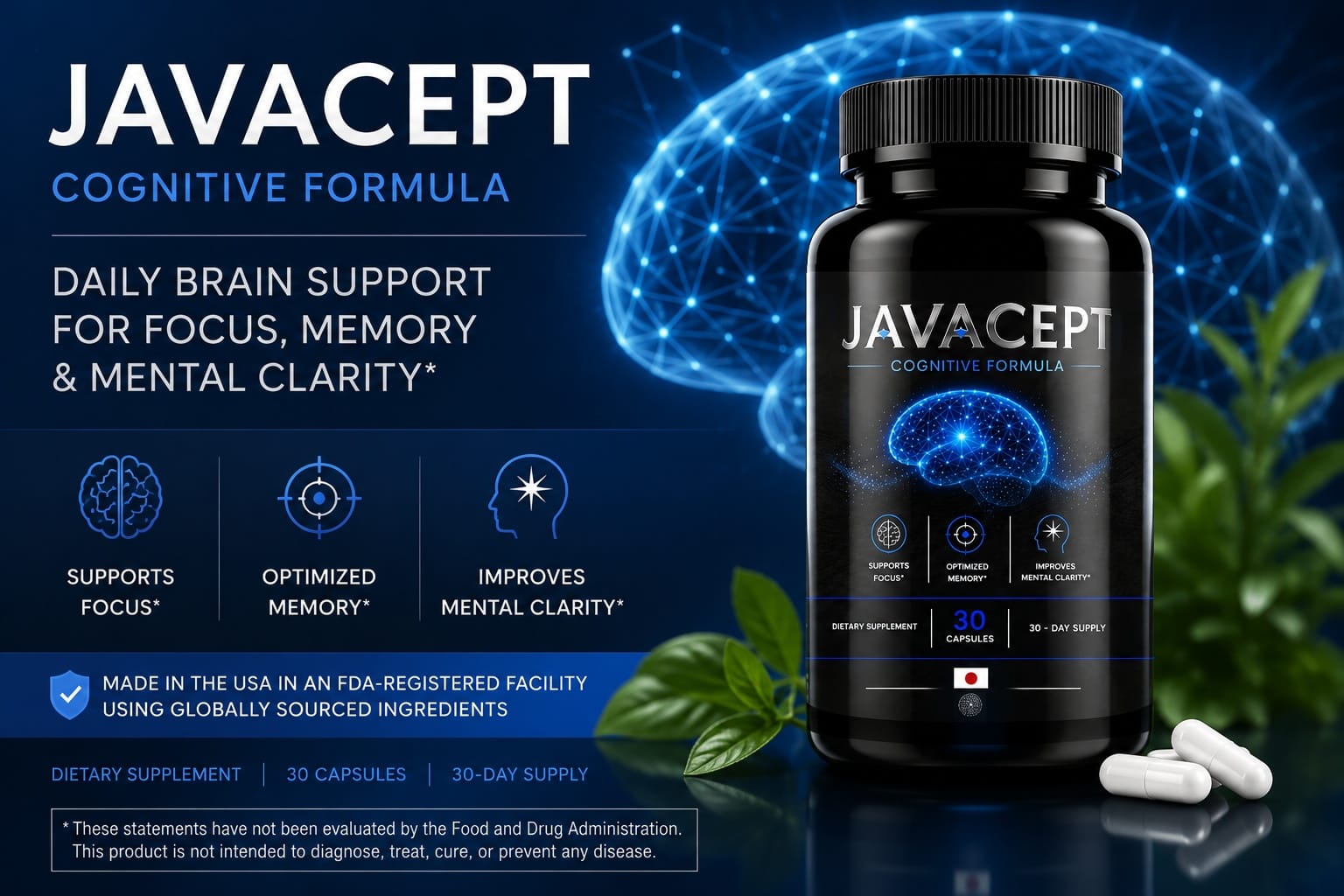
TL;DR - What Every Buyer Should Know in 60 Seconds: Javacept is a dietary supplement marketed by the brand for memory, focus, mental clarity, and daily brain health support. It's distributed by Instituto Experience (Lakeland, FL 33804) and combines four nitric oxide precursors - L-Arginine (200mg), L-Arginine AKG 2:1 Extract (200mg), L-Citrulline HCL (100mg), and L-Citrulline Malate (100mg) - with Niacin (7.5mg NE) and Beta-Alanine (40mg). It's manufactured in an FDA-registered U.S. facility using globally sourced ingredients - "FDA-registered" describes the facility, not the product; Javacept is not FDA-approved. It's sold as a one-time purchase (no subscription) at three pricing tiers starting at $158 for a 60-day supply, backed by a 60-day money-back guarantee that requires at least 30 days of use before any refund request. These statements have not been evaluated by the Food and Drug Administration. Javacept is not intended to diagnose, treat, cure, or prevent any disease.
Javacept 2026 Fast Facts: What Every Buyer Should Know in 30 Seconds
Product name: Javacept Cognitive Formula
Brand positioning: Dietary supplement for memory, focus, and mental clarity support
Ingredient count: 6 active ingredients disclosed on Supplement Facts label
Key active compounds: L-Arginine (200mg), L-Arginine AKG 2:1 Extract (200mg), L-Citrulline HCL (100mg), L-Citrulline Malate (100mg), Niacin (7.5mg NE), Beta-Alanine (40mg)
Other listed ingredients: Calcium (18mg as Calcium Carbonate), Hypromellose (vegetable capsule), Vegetable Stearate, Silicon Dioxide
Capsule type: Vegetable capsule (hypromellose) - no gelatin
Serving size: 1 capsule daily
Supply per bottle: 30 capsules (30-day supply)
Manufacturing: Manufactured in the USA in an FDA-registered facility; ingredients globally sourced (per brand)
FDA status: Dietary supplement - not FDA-approved; these statements have not been evaluated by the FDA
Pricing (as of June 2026): 2-bottle $158 + shipping; 3-bottle $207 free shipping; 6-bottle $294 free shipping
Money-back guarantee: 60 days from purchase date; minimum 30 days of use required before refund request
Subscription: One-time purchase - no auto-renewal or hidden charges (per brand)
Bonuses: 5 digital e-books included with 3- and 6-bottle orders
Operator: Instituto Experience, Lakeland, FL 33804
Support: [email protected] | 1-507-448-8190
Primary mechanism (brand-stated): Nitric oxide precursor pathway for cerebral circulation support, cellular energy production via NAD+ pathway (Niacin), antioxidant support via carnosine precursor (Beta-Alanine)
Contraindication note: Contains L-Arginine and L-Citrulline - known to interact with nitrate-class medications, blood pressure medications, and anticoagulants; individuals taking these medications should consult a physician before use
Prior wire coverage: No prior major wire coverage was identified by this publication at the time of review (June 2026)
Buyer Takeaway #1: Javacept's Supplement Facts label is publicly available and discloses all six active ingredients with exact milligram amounts - a transparency standard that makes independent evaluation possible. Any buyer can verify the full ingredient profile before purchasing.
Quick Verification Snapshot - Javacept (As of June 2026)
Brand name: Javacept - used throughout as a product identifier; all trademarks remain the property of their respective owners
Operator: Instituto Experience, Lakeland, FL 33804 | [email protected] | 1-507-448-8190
Official website: javacept.com - readers can review current product information at the official Javacept website, https://javacept.com/. Purchases made through sponsored links in this article may generate a commission.
Formula type: Proprietary blend of nitric oxide precursors + Niacin + Beta-Alanine; labeled as a dietary supplement under DSHEA
Stated manufacturing standard: FDA-registered U.S. facility; globally sourced ingredients (brand claim - not independently verified by this publication)
Refund policy: 60-day money-back guarantee; 30-day minimum use required; contact support at [email protected] to initiate
Purchase model: One-time purchase; no subscription or auto-renewal (brand-stated)
Third-party certifications: None confirmed on official product page as of June 2026
Customer feedback: Brand-published testimonials available on javacept.com; no independently audited review aggregate confirmed at time of publication
Prior press coverage: No prior major wire coverage was identified by this publication at the time of review
Drug interaction alert: L-Arginine and L-Citrulline interact with nitrate-class medications, blood pressure drugs, and anticoagulants - review with a physician before use if taking any of these
Buyer Takeaway #2: The Quick Verification Snapshot above gives you the concrete facts you need to cross-check independently. Every data point here is sourced from the brand's publicly published materials - so you can verify any of it directly at javacept.com or by contacting the brand's support team.
What Is Javacept, Exactly?
Quick Answer: Javacept is a dietary supplement distributed by Instituto Experience (Lakeland, FL) that the brand positions for memory, focus, and mental clarity support using a six-ingredient nitric oxide precursor formula. It's manufactured in an FDA-registered U.S. facility, sold as a one-time purchase starting at $158, and backed by a 60-day money-back guarantee requiring 30 days of use.
Javacept is a dietary supplement marketed by the brand for daily cognitive support - specifically memory, focus, and mental clarity - using a six-ingredient formula built around nitric oxide precursor chemistry. The brand describes it as a "precisely developed natural formula" combining "carefully selected nutrients found in nature" to support "sharper memory and clearer focus." That's brand language, and this article will tell you exactly which parts of that positioning have published scientific backing and which parts need more scrutiny.
The product is distributed by Instituto Experience, a company based in Lakeland, Florida. It's manufactured in the United States in what the brand describes as an FDA-registered facility, using globally sourced ingredients. "FDA-registered facility" means the manufacturing location is registered with the FDA - it does not mean the product itself is FDA-approved. Those are different things, and the distinction matters: dietary supplements are regulated under DSHEA, not the drug approval pathway. The capsule is vegetable-based (hypromellose), which means it's appropriate for buyers who avoid gelatin products.
You're getting 30 capsules per bottle, taken once daily - so each bottle covers 30 days. The brand recommends taking one capsule in the morning before a meal, preferably with water. The supplement doesn't rely on caffeine or stimulants, according to the brand's description of the formula.
Here's what this article can do and what it can't do: it can walk you through the verified ingredient profile, explain the published science behind each compound, flag the important drug interaction information that the brand itself mentions, and lay out the purchase terms clearly. What it can't do is tell you whether Javacept will work for you specifically - because dietary supplement research doesn't work that way, and any publication claiming to tell you that would be overclaiming.
Buyer Takeaway #3: Javacept is a one-time purchase dietary supplement (no subscription) distributed by an identifiable U.S. operator. The brand is transparent about its manufacturing country, operator address, and contact information - all of which are verifiable before you spend a dollar.
View Javacept supply options and current discount tiers
Disclosure: If you buy through this link, a commission may be earned at no extra cost to you.
Does Javacept Work? What the Evidence Actually Supports
Quick Answer: Javacept is a dietary supplement - it can't legally claim to treat or cure any condition. Its nitric oxide precursor ingredients (L-Arginine, L-Citrulline) have peer-reviewed support for cerebral blood flow mechanisms. The specific oral doses are lower than most research doses, and NCCIH states direct evidence that supplements prevent cognitive decline is lacking. Individual results vary.
Let's be direct about what you're buying here. Javacept is a dietary supplement - not a drug. It hasn't gone through FDA drug approval, and no supplement - by law - can claim to diagnose, treat, cure, or prevent any disease. What the brand is positioning is a daily support product for cognitive wellness. The question worth asking is whether the ingredient science points in a consistent direction.
The short answer: yes, there's a legitimate scientific rationale for the nitric oxide pathway approach. But the evidence picture is more nuanced than the sales page implies, and individual results genuinely vary. Here's what you actually need to know.
The formula's centerpiece is the nitric oxide precursor cycle. The brand positions Javacept around nitric oxide precursor pathways associated with circulation support - L-Arginine is a direct substrate for nitric oxide synthase, the enzyme that produces nitric oxide in vascular endothelium. L-Citrulline is converted back to L-Arginine in the kidneys, creating a recycling loop that can sustain nitric oxide production longer than L-Arginine alone. The published science on this relationship to cerebral blood flow is real: peer-reviewed research published in journals including the Journal of Cerebral Blood Flow and Metabolism and PubMed-indexed studies have documented that L-Arginine is associated with measurable changes in cerebral blood flow in experimental models. Whether that translates to the specific oral doses in Javacept is a separate question that the research doesn't directly answer.
What the evidence doesn't establish cleanly is whether oral supplementation at these specific doses (200mg L-Arginine, 200mg L-Arginine AKG, 100mg L-Citrulline HCL, 100mg L-Citrulline Malate) produces the same effects as intravenous infusion doses used in research settings, or whether that translates to the cognitive improvements buyers are looking for. L-Arginine doses used in published studies range from 1.5 to 24 grams - substantially higher than what's in a Javacept capsule. There's also a published study finding that high-dose L-Arginine impaired executive function in older subjects with cardiovascular risk, which underscores why physician review matters for this category of ingredient.
The National Center for Complementary and Integrative Health (NCCIH) takes a measured position on cognitive supplements broadly: while a few trials of natural products for the prevention of cognitive decline have shown some modest effects, direct evidence that dietary supplements can prevent Alzheimer's disease or other forms of dementia is lacking. That's the authoritative federal position on the category - not a judgment about Javacept specifically, but a necessary frame for any supplement making cognitive support positioning. Alzheimer's disease, dementia, and medical cognitive decline are outside the intended use of Javacept; these terms are referenced only to explain the broader regulatory and scientific limits of dietary supplement claims.
For the Niacin component: the published role of niacin as a precursor to NAD+ (nicotinamide adenine dinucleotide) in neuronal energy metabolism is well-established in the scientific literature. Niacin has been recognized as a key mediator of neuronal development and survival in peer-reviewed reviews. At 7.5mg NE per serving, the dose is modest - below the RDA of 14-16mg for adults - but above zero.
For Beta-Alanine: the brand's claim centers on raising carnosine levels in the brain as an antioxidant mechanism. There is published preclinical evidence that carnosine has antioxidant and neuroprotective properties in animal models. However, a 2015 PLOS ONE study specifically examining the effects of oral beta-alanine supplementation on brain homocarnosine/carnosine signal in humans found no significant effect on brain carnosine levels. That's a meaningful limitation to disclose honestly. The brand attributes antioxidant protective effects to beta-alanine - that claim deserves buyer scrutiny.
Buyer Takeaway #4: The nitric oxide precursor science behind L-Arginine and L-Citrulline has legitimate peer-reviewed support for cerebral blood flow mechanisms. The specific doses in Javacept are lower than most research doses, the beta-alanine/brain carnosine evidence in humans is limited, and NCCIH's position is that direct evidence for dietary supplements preventing cognitive decline remains insufficient. That doesn't make the product worthless - it makes the science picture honest.
Javacept Ingredient Breakdown: What the Supplement Facts Label Actually Shows
The Supplement Facts label is the authoritative source for what's in this product - not the sales page narrative, not the VSL, not the marketing copy. Here's a direct walkthrough of every disclosed ingredient and what the published scientific literature says about each one.
The label shows a 30-serving container with one capsule per serving. Here's the complete active ingredient profile:
L-Arginine (200mg): An amino acid that serves as the primary substrate for nitric oxide synthase, which converts it into nitric oxide and L-Citrulline. Nitric oxide is a potent vasodilator - it relaxes vascular smooth muscle, which can widen blood vessels including those supplying the brain. Peer-reviewed research has documented that nitric oxide is involved in cerebral blood flow regulation, long-term potentiation, and memory consolidation processes. The brand describes this as supporting "wider circulation pathways" for oxygen and nutrient delivery to neurons. The science supports the mechanism - the question is dose and oral bioavailability.
L-Arginine AKG 2:1 Extract (200mg): A form of L-Arginine bound to alpha-ketoglutarate, which the brand states improves absorption and extends the vasodilating effect throughout the day. Alpha-ketoglutarate plays a role in the Krebs cycle. The brand positions this as a "slow-release fuel for brain tissue" - that's brand marketing language describing the rationale for the formulation. The 2:1 extraction ratio means the compound contains two parts L-Arginine per one part AKG by molecular weight.
L-Citrulline HCL (100mg): L-Citrulline is converted back to L-Arginine by the kidneys in the urea cycle, creating what the brand describes as a "continuous cycle of nitric oxide production." This is scientifically accurate as a mechanism. Published research on L-Citrulline supplementation has shown effects on cerebrovascular function in exercise contexts. The HCL (hydrochloride) form is a salt form that can improve stability.
L-Citrulline Malate (100mg): L-Citrulline bound to malate, a compound involved in the Krebs cycle for cellular energy production. The brand states this form "helps eliminate metabolic waste that causes brain fatigue." Malate's role in the citric acid cycle is established in biochemistry. The brand's specific claim about eliminating brain fatigue is positional language, not a clinically established effect at this dose.
Niacin (7.5mg NE): Vitamin B3. Niacin is a precursor to NAD+ (nicotinamide adenine dinucleotide) and NADP, coenzymes involved in energy production within cells. Peer-reviewed literature has described niacin as a key mediator of neuronal development and survival in the central nervous system. It also plays a role in cerebral microcirculation. At 7.5mg NE, this is below the adult RDA (14-16mg NE depending on sex) - the dose is supplemental rather than therapeutic.
Beta-Alanine (40mg): A non-essential amino acid that's a precursor to carnosine when combined with L-Histidine. Carnosine has documented antioxidant properties and has been studied for neuroprotective applications in preclinical models. The brand states that beta-alanine "raises carnosine levels in the brain" to protect neurons. An important disclosure: a 2015 controlled study published in PLOS ONE found that 28 days of beta-alanine supplementation did not produce significant increases in brain homocarnosine/carnosine levels in human subjects. The preclinical evidence in animal models is more favorable than the human evidence - a meaningful distinction to know before purchasing.
Calcium (18mg as Calcium Carbonate): Listed under "Supplement Facts" as 2% Daily Value. This is a minor mineral component, likely present as part of the formulation rather than as a primary active ingredient.
Important drug interaction note: because this formula contains L-Arginine and L-Citrulline - both nitric oxide precursors - there are documented interactions with several medication classes. According to Mayo Clinic and Beacon Health System: L-Arginine combined with nitrate-class medications (nitroglycerin, isosorbide dinitrate/mononitrate) may cause blood pressure to become too low. Combined with antihypertensive medications (ACE inhibitors, calcium channel blockers, beta-blockers), it may increase hypotension risk. Combined with potassium-sparing diuretics, it may increase hyperkalemia risk. Combined with anticoagulant/antiplatelet drugs, it may theoretically affect bleeding risk. L-Arginine is also not recommended for people who have recently had a heart attack. If any of these categories apply to you, speaking with your physician before starting Javacept is strongly recommended.
Buyer Takeaway #5: The Supplement Facts label is publicly available and discloses all six active ingredients with milligram amounts. The nitric oxide precursor mechanism has legitimate scientific backing. The beta-alanine/brain carnosine claim has stronger preclinical than human evidence. Anyone taking heart medications, blood pressure drugs, blood thinners, or nitrates needs to review this ingredient profile with their physician before use - not as legal CYA language, but because the interaction risk is real.
The Nitric Oxide Pathway: What Published Research Says About Cerebral Circulation
If you've never heard of the nitric oxide pathway before, it's worth understanding what it is - because it's the core scientific rationale behind Javacept's formulation, and it's the mechanism that makes this formula different from, say, a standard B-vitamin complex.
Nitric oxide (NO) is a gaseous signaling molecule produced primarily in the endothelium - the thin layer of cells lining blood vessels. It's synthesized from L-Arginine by an enzyme called nitric oxide synthase (NOS). When NO is produced, it diffuses into vascular smooth muscle and triggers relaxation - which means the blood vessel dilates, allowing more blood to flow through.
In the brain, this matters because neurons are metabolically expensive. The brain uses roughly 20% of the body's total oxygen and glucose despite comprising only about 2% of body weight. That energy delivery depends heavily on adequate cerebral blood flow. Research published in peer-reviewed journals including ScienceDirect and the Journal of Cerebral Blood Flow has documented that endothelial NOS-derived nitric oxide is a key regulator of cerebral blood flow dynamics. Studies in animal models have shown that disrupting this pathway impairs cerebrovascular regulation and affects memory-related behaviors.
The L-Citrulline component adds a second layer to this mechanism. L-Citrulline is a byproduct of nitric oxide synthesis - the body converts L-Arginine to nitric oxide and L-Citrulline, then the kidneys convert L-Citrulline back to L-Arginine, which can be used to produce more nitric oxide. This recycling loop is what makes the L-Arginine plus L-Citrulline combination theoretically more sustained than L-Arginine alone.
In terms of human research, published PubMed-indexed work has examined L-Arginine infusion and cerebral blood flow in humans using positron emission tomography, with findings associating L-Arginine administration with measurable changes in whole-brain cerebral blood flow compared to saline controls. That's a peer-reviewed published finding - not a brand claim. Importantly, those findings should not be assumed to apply directly to Javacept's oral serving size: the study used intravenous infusion at doses substantially higher than Javacept's 200mg oral capsule, and the relationship between IV research results and oral supplementation at these lower doses hasn't been established by that research alone.
Separate published research has also documented that nitric oxide consolidates memory processes and facilitates long-term potentiation in the central nervous system. A review published on PubMed summarized that NO promotes optimal cerebral blood flow, consolidates memory processes, facilitates long-term potentiation, and maintains sleep-wake cycles.
The limitation worth stating plainly: most of the research establishing strong dose-response relationships has used intravenous administration or significantly higher oral doses than what's in Javacept's one-capsule-daily protocol. Translating IV research findings to oral supplementation at lower doses isn't automatic. Individual bioavailability, baseline nitric oxide levels, cardiovascular health, and dietary arginine intake all affect how any individual responds.
Buyer Takeaway #6: The nitric oxide pathway for cerebral circulation support is a legitimate scientific mechanism with peer-reviewed research backing. The research picture includes both supportive human evidence and important limitations around dose and delivery method. Anyone evaluating Javacept deserves to see both sides of that evidence - not just the parts that sell the product.
Javacept Pricing, Bundles, and What You're Actually Paying Per Day
Javacept is available directly through the brand's official website at javacept.com in three supply configurations. Here's the complete pricing picture as of June 2026, including the per-day cost breakdown - because the sticker price and the per-serving cost tell very different stories depending on which bundle you choose.
The two-bottle option includes a 60-day supply (2 bottles of 30 capsules each) at $79 per bottle, totaling $158. Shipping is additional at this tier - the brand doesn't specify the shipping cost on the pricing page, so you'll need to verify that at checkout. At $158 for 60 days, that works out to roughly $2.63 per day before shipping.
The three-bottle option includes a 90-day supply at $69 per bottle, totaling $207. Free shipping is included. Five digital bonuses are included with this tier. At $207 for 90 days, that's roughly $2.30 per day with free shipping and bonuses.
The six-bottle option includes a 180-day supply at $49 per bottle, totaling $294. Free shipping is included. Five digital bonuses are included. The brand describes this as the "Best Value" option. At $294 for 180 days, that's roughly $1.63 per day with free shipping and bonuses.
A few things buyers should know about these pricing comparisons: the "before" prices displayed on the brand's website ($358, $537, $1074) represent the brand's stated reference prices at $79 per bottle retail, multiplied by the quantity. These comparison prices are the brand's stated reference points and may not reflect prevailing market prices for comparable products. EU buyers should note that pricing compliance requirements for reference prices vary by jurisdiction - verify current pricing at checkout.
The purchase model is one-time - no subscription, no auto-renewal, and no hidden charges, according to the brand's FAQ. This is explicitly confirmed in the brand's own frequently asked questions section. If you want to verify this before purchase, the brand's stated support contacts ([email protected], 1-507-448-8190) can confirm.
Shipping and applicable taxes are calculated at checkout. The final total you see at checkout - not the price displayed on the product page - is what you're committing to pay. Direct-to-consumer supplement pricing can vary, and some buyers in certain states may see sales tax added.
Buyer Takeaway #7: The per-day cost drops from roughly $2.63 at the two-bottle tier to roughly $1.63 at the six-bottle tier. There's no subscription involved. Before committing to the largest bundle, verify that the brand's support and refund terms feel right to you - because you'd be making a six-month commitment based on a product you haven't tried yet.
Review current Javacept pricing before making your decision
Javacept's 60-Day Money-Back Guarantee: What the Terms Actually Say
Javacept's money-back guarantee runs 60 days from purchase but requires a minimum of 30 days of use before any refund request. This means the practical refund window on the two-bottle order is approximately 30 days (Days 30-60). To initiate a refund, contact [email protected]. Full return shipping and condition terms aren't fully disclosed on the brand's website - verify before purchasing a multi-bottle order.
The brand offers a 60-day money-back guarantee - but there's a specific condition buried in the fine print that materially affects how this works in practice. Here's the exact language from the brand's official website: "Our supplements are backed by a 60-day money-back guarantee from the date of purchase. If, after at least 30 days of use, you are not completely satisfied with your results, the product, or your overall experience, simply contact us at [email protected]."
That "after at least 30 days of use" language is important to understand. You can't open the bottle, try it for a week, decide it's not for you, and request a refund on Day 10. The brand requires that you've used the product for a minimum of 30 days before the guarantee kicks in. This is a condition of the guarantee, not a suggestion - and it affects your practical decision window.
Here's what that looks like in real terms: if you purchase the two-bottle (60-day supply) option on Day 1, the guarantee window is 60 days from purchase. You need to use the product for at least 30 days before requesting a refund. That gives you, practically, a 30-day window (Days 30-60) during which you can request a refund on the two-bottle order. For the three-bottle or six-bottle purchases, the 60-day guarantee window is the same - but you'd be returning unopened bottles beyond what you've used.
The brand's FAQ describes the guarantee as "unconditional" - but the 30-day minimum use requirement is a condition. That language inconsistency is worth noting. If you contact the brand at [email protected] or call 1-507-448-8190 prior to purchase, you can ask for the current, complete return policy terms in writing.
There's no confirmation on the brand's website about whether returned bottles are required (opened or unopened), whether there's a restocking fee, or whether the refund covers original shipping charges. These are verification questions worth asking before you commit, particularly on multi-bottle orders.
Buyer Takeaway #8: The 60-day money-back guarantee is real - but the 30-day minimum use requirement means your practical refund window is shorter than "60 days" implies, especially for the two-bottle order. Before purchasing the six-bottle bundle based primarily on the guarantee, verify the return shipping terms and full conditions with the brand directly.
Javacept's Drug Interaction Profile: What Anyone Taking Medications Needs to Know
Javacept contains L-Arginine and L-Citrulline - nitric oxide precursors with documented interactions with nitrate-class medications, blood pressure drugs, potassium-sparing diuretics, and anticoagulants (per Mayo Clinic). It's also contraindicated post-heart attack. Individuals taking these medication types should consult a physician before using Javacept - this is clinically significant information, not routine legal language.
This section deserves its own heading because the information here isn't general wellness advice - it's safety-relevant for a meaningful portion of the adult population. Javacept contains four nitric oxide precursor compounds: L-Arginine (two forms) and L-Citrulline (two forms). These compounds have documented interactions with several medication classes that are commonly prescribed to adults, particularly older adults.
According to the Mayo Clinic, Beacon Health System, and multiple pharmacy reference databases, the key drug interactions to be aware of include the following:
Nitrate-class medications: Using L-Arginine with nitrate-class medications for chest pain - including nitroglycerin (Nitro-Bid, Nitro-Dur, Nitrostat), isosorbide dinitrate (Isordil, Sorbitrate), and isosorbide mononitrate (Imdur) - may cause blood pressure to become dangerously low. This is listed as a moderate-to-major interaction in pharmacy references.
Blood pressure medications: L-Arginine may lower blood pressure on its own. Taking it with antihypertensive medications - including ACE inhibitors (captopril, enalapril, lisinopril), angiotensin receptor blockers (losartan, valsartan), calcium channel blockers (amlodipine, diltiazem), and beta-blockers (metoprolol) - may increase the risk of blood pressure becoming too low. Pharmacy references classify combining L-Arginine with antihypertensive drugs as a major interaction warning: Do not take this combination without physician guidance.
Potassium-sparing diuretics: L-Arginine combined with potassium-sparing diuretics including amiloride (Midamor), spironolactone (Aldactone), and triamterene (Dyrenium) may increase potassium levels, raising the risk of hyperkalemia.
Anticoagulant and antiplatelet medications: L-Arginine may theoretically affect bleeding risk when combined with blood thinners including warfarin, aspirin (as an antiplatelet), and clopidogrel. The interaction isn't as firmly established as the blood pressure interactions, but it's a caution worth discussing with a physician or pharmacist.
PDE5 inhibitors: L-Arginine combined with sildenafil (Viagra, Revatio), tadalafil (Cialis), or vardenafil (Levitra) may lower blood pressure.
Post-heart attack caution: According to Mayo Clinic, L-Arginine is not recommended for people who have recently had a heart attack due to concerns that the supplement might increase the risk of death. This is a specific, serious contraindication.
The brand's own label cautions users to consult a physician "if you take medications for blood pressure, blood thinners, or vasodilators." That's accurate - but doesn't capture the full scope of the interaction picture described above. If you're in the 40+ demographic that Javacept is clearly positioned for, there's a reasonable probability that some portion of this medication list applies. This isn't a reason not to consider the product - it's a reason to have a five-minute conversation with your doctor or pharmacist first.
Buyer Takeaway #9: If you take any medication for blood pressure, heart disease, blood thinning, or chest pain - or if you've had a recent heart attack - physician review before using Javacept isn't optional. The drug interaction profile for L-Arginine and L-Citrulline is documented across multiple independent medical references and applies regardless of the brand. This information doesn't come from the brand - it comes from Mayo Clinic, Beacon Health, and pharmacy databases.
What NCCIH and Independent Researchers Say About Cognitive Supplements
Before accepting any brand's cognitive support positioning at face value, it's worth knowing what the scientific and regulatory establishment actually says about this category. This isn't meant to undermine Javacept specifically - it's context that every buyer in the brain health supplement market deserves to have.
The National Center for Complementary and Integrative Health (NCCIH), which is part of the National Institutes of Health (NIH), maintains a clear summary position on cognitive supplements: "Although a few trials of natural products for the prevention of cognitive decline or dementia have shown some modest effects, direct evidence that dietary supplements can prevent Alzheimer's disease or other forms of dementia is lacking." The NCCIH also notes that "many brain-boosting supplements are only effective for people who have a mental health condition or have a deficiency in the supplemented nutrient." Alzheimer's disease, dementia, and medical cognitive decline are outside the intended use of Javacept; these terms are referenced in this section only to explain the broader regulatory and scientific limits of dietary supplement claims as established by federal health authorities.
The Global Council on Brain Health - a group convened by AARP - conducted a broader evidence review of brain-health supplements and, as of their most recent published findings, "could not endorse any ingredient, product or supplement formulation designed for brain health." That's a categorical finding from an independent body reviewing the category as a whole.
Harvard Health has published commentary noting that supplement manufacturers in this category can claim a product "helps with mental alertness or memory loss" - but not that it protects against or improves Alzheimer's disease - and that "manufacturers don't have to back up any claim that their brain health supplements are effective." This is the regulatory framework that allows products like Javacept to exist and make support claims without clinical trial evidence specific to the product.
None of this means Javacept's formula has no value. The nitric oxide precursor pathway has real peer-reviewed backing for cerebral blood flow mechanisms. Niacin's role in neuronal NAD+ metabolism is established. The beta-alanine/carnosine pathway has interesting preclinical support even if the human oral supplementation evidence is limited. What it means is that you're making a judgment call on a category where the independent scientific establishment says the evidence is still emerging, and where individual results genuinely vary.
The reasonable physician position on a product like this: if you're generally healthy, not on interacting medications, and want to try a lifestyle supplement for cognitive support while maintaining other healthy habits (sleep, exercise, diet), the risk profile of this specific formula is relatively low. If you have significant cardiovascular history, take the medications listed in the prior section, or are hoping for something with Alzheimer's-level prevention evidence, this product - and frankly, the entire dietary supplement category - isn't positioned to deliver that.
Buyer Takeaway #10: NCCIH and independent evidence reviews maintain that direct evidence for dietary supplements preventing cognitive decline or dementia is lacking. That's the honest context for Javacept and every other brain health supplement on the market. The best thing you can bring to this decision is that context, alongside your own physician's guidance.
Javacept Brand-Stated Testimonials: How to Read Customer Feedback Responsibly
The Javacept website features three brand-published customer testimonials - attributed to "Robert S., 66," "Patricia MS., 79," and "Don K., 51" - each labeled "Verified Purchase" and describing significant positive experiences with memory, cognitive clarity, and brain fog improvement. Here's how to read them responsibly before they influence your purchase decision.
Testimonials appearing on the Javacept website are brand-published consumer accounts. They have not been independently audited by this publication, should not be interpreted as typical results, and individual outcomes will vary. "Verified Purchase" in this context means the brand has labeled these accounts as coming from people who purchased the product - it doesn't mean the reviews have been authenticated by an independent third-party platform or verified by this publication.
Second, the brand's website doesn't include a disclosure about whether any testimonial names are real names, pseudonyms, or composites. Under FTC 16 CFR Part 465 (the Fake Review Rule effective October 2024), this is an area of increased regulatory scrutiny. This publication notes this gap as a transparency observation - buyers should weigh single-source brand testimonials accordingly.
Third, the brand publishes a "96% of customers order 6 bottles" statistic. That's a brand-reported figure. It hasn't been independently audited or verified by this publication, and its basis isn't explained on the product page.
If you want to find independent buyer experiences, check general supplement review platforms and search specifically for buyers who've documented their experience over weeks of use. At the time of this publication, Javacept is new enough that independent third-party review aggregates outside the brand's own site were limited.
Buyer Takeaway #11: Testimonials on the Javacept website are brand-published consumer accounts. They haven't been independently audited, shouldn't be interpreted as typical results, and individual outcomes will vary. Use them as one data point among many - not as the deciding factor in your purchase decision.
Javacept vs. Other Nitric Oxide Brain Support Supplements: What Differentiates This Formula
The brain health supplement market is large and crowded, and "nootropic" positioning is everywhere. Understanding where Javacept fits in that market - and what genuinely differentiates it - helps you make a more informed comparison before purchasing.
Most mainstream brain health supplements in 2026 fall into a few broad categories: cholinergic supports (Alpha-GPC, citicoline, huperzine A targeting acetylcholine pathways), adaptogens (Ashwagandha, Rhodiola, Lion's Mane), stimulant-based formulas (caffeine, L-Theanine combinations), and antioxidant-centric approaches (Bacopa Monnieri, resveratrol, phosphatidylserine). Javacept doesn't fit neatly into any of these standard buckets.
What differentiates Javacept's approach is the vascular mechanism: it's positioning for cognitive support through the nitric oxide/cerebral blood flow pathway rather than through direct neurotransmitter manipulation or stimulant effects. The dual L-Arginine (base + AKG form) and dual L-Citrulline (HCL + Malate form) combination creates a layered approach to sustaining nitric oxide availability - more complex than a simple L-Arginine mono-ingredient approach. The lack of stimulants is also a genuine differentiator for buyers who are sensitive to caffeine or who want to avoid stimulant-driven focus spikes.
Comparison points worth verifying independently: (1) Whether the dose levels in Javacept are consistent with what competing products in this specific pathway category use. (2) Whether any comparable product carries third-party certification (USP, NSF, Informed Sport) that Javacept currently doesn't show on its website. (3) Whether any competitors offer a more transparent refund policy or longer trial window. Comparing at least two or three products in this category before committing to a multi-bottle purchase is a sound approach.
On price-per-day, Javacept's six-bottle tier at roughly $1.63/day is competitive for a multi-ingredient supplement. Single-ingredient L-Arginine supplements can be found for less, but they typically don't include the L-Citrulline recycling layer, the Niacin component, or the beta-alanine addition. Whether that layered approach is worth the price premium is a judgment call individual buyers need to make.
Buyer Takeaway #12: Javacept's vascular-first, stimulant-free approach to cognitive support is genuinely differentiated from most nootropics on the market. The layered nitric oxide precursor stack is more sophisticated than single-ingredient L-Arginine supplements. The main missing verification signal - compared to premium competitors - is a third-party certification like USP or NSF that would confirm what's on the label is actually in the capsule at the stated doses.
The Bonus Package: What's Included With Three- and Six-Bottle Orders
With the three- and six-bottle purchase tiers, Javacept includes five digital e-books described as instant digital access downloads. Here's what the brand describes for each, based on the official product page:
Bonus 1 - The Super Gut Code ($49 stated value): The brand describes this as a guide to using dietary changes to support mental clarity, nutrient absorption, and focus. The gut-brain connection is a legitimate area of scientific interest - the link between gut microbiome health and neurological function has growing peer-reviewed support.
Bonus 2 - 101 Herbal Cures ($49 stated value): Described as natural solutions for common health problems including blood pressure, cholesterol, joint pain, and energy. The brand describes these as home-applicable methods.
Bonus 3 - Sleep Live Better ($69 stated value): Focused on sleep hygiene and how nighttime routine adjustments can support mental recovery and cognitive performance. Sleep quality has well-established connections to memory consolidation and cognitive function.
Bonus 4 - 10-Day Active Mind Challenge ($49 stated value): A guide with daily micro-tasks under five minutes designed for memory activation and mental fog reduction.
Bonus 5 - Personalized Usage Guide ($39 stated value): A practical guide to maximizing the formula's active ingredients, including recommended timing and complementary habits.
A few honest notes about these bonuses: the combined stated value is $255, which the brand uses to amplify the perceived value of multi-bottle bundles. The stated retail values for digital e-books should be interpreted as the brand's own pricing representations - not independently verified market prices. Digital bonus guides are common in the direct-to-consumer supplement space and shouldn't be the primary driver of your purchase decision. The supplement itself is what you're evaluating.
Buyer Takeaway #13: The five digital bonuses add genuine supplementary content for buyers interested in integrating lifestyle strategies with a supplement routine. They're not the reason to buy - and the stated dollar values are the brand's own representations. Evaluate the supplement first; treat the bonuses as a secondary benefit.
Who Is Javacept Positioned For? Who Should Think Carefully Before Buying
The brand's marketing language targets adults experiencing memory lapses, mental fog, difficulty with focus, and age-related cognitive concerns. The testimonials feature buyers in their 50s, 60s, and 70s. The formula's mechanism - supporting cerebral blood flow through nitric oxide precursors - is most theoretically relevant for adults where vascular health is a factor in cognitive performance.
Based on the verified product information, here's an honest positioning assessment:
Buyers who may find this formula worth considering: Adults looking for a stimulant-free daily support supplement using a vascular mechanism. Adults comfortable with the evidence limitations of the dietary supplement category. Adults not taking nitrate-class medications, blood pressure medications, blood thinners, or PDE5 inhibitors. Adults who prefer vegetable capsules over gelatin. Adults who appreciate transparent label disclosure and want to verify ingredient profiles independently before purchasing.
Buyers who should proceed with caution or physician consultation first: Anyone taking medications for blood pressure, heart disease, chest pain, or blood clotting - the drug interaction profile for L-Arginine is clinically significant. Anyone who has recently had a heart attack. Pregnant or nursing individuals (the brand's own label cautions against use). Anyone under 18 (explicitly contra-indicated on the label). Anyone with a known heart condition, kidney disease, or liver disease, where vascular-acting supplements require additional caution.
Buyers who may find this formula less relevant: Adults looking for a formula with third-party certification confirming label accuracy. Adults wanting stimulant-driven immediate focus effects (this formula doesn't use stimulants). Adults hoping for Alzheimer's prevention or dementia treatment evidence - no dietary supplement has that evidence base, and Javacept isn't positioned that way.
Buyer Takeaway #14: Javacept's positioning makes most sense for healthy adults in the 40-70 age range who want a stimulant-free, vascular-mechanism cognitive support supplement and don't have the medication profile that creates interaction risk. The formula is less suited for anyone already managing cardiovascular conditions on prescription medications without physician clearance.
How to Verify Everything in This Article Before You Buy
Every key claim in this article that came from the brand was sourced from javacept.com, the Supplement Facts label, and the brand's own FAQ. Here's how to do your own verification before spending any money.
To verify the ingredient profile: look for the Supplement Facts panel on the product page at javacept.com. The label shows L-Arginine 200mg, L-Arginine AKG 2:1 Extract 200mg, L-Citrulline HCL 100mg, L-Citrulline Malate 100mg, Niacin 7.5mg NE, Calcium 18mg, Beta-Alanine 40mg, and other ingredients (Hypromellose, Vegetable Stearate, Silicon Dioxide).
To verify the money-back guarantee terms: read the exact language on javacept.com's refund section, and email [email protected] or call 1-507-448-8190 to ask about the return shipping requirements, whether opened bottles are accepted, and the full refund processing timeline.
To verify the no-subscription claim: the brand's FAQ explicitly states there are "no automatic renewals, hidden fees, or surprise charges." You can confirm this by reviewing your cart details before checkout - no subscription should appear as a line item.
To verify the manufacturing claim: the brand states the product is made in an FDA-registered facility in the USA with globally sourced ingredients. "FDA-registered" means the facility is registered with the FDA, not that the product has been reviewed or approved by the FDA. These are different things - knowing the difference helps you evaluate the claim accurately.
To verify the drug interaction information: go to MayoClinic.org and search "L-Arginine" for the institution's independently published interaction guidance. This information doesn't come from or depend on the brand - it's independently available medical reference data.
To verify the NCCIH position on cognitive supplements: search nccih.nih.gov for "cognitive function dietary supplements" - the agency's published guidance is freely available and written for both consumers and healthcare providers.
Buyer Takeaway #15: Every verification step above can be done without spending a dollar. Supplement purchases that you can't independently verify before buying are riskier than purchases where the label, operator details, refund terms, and independent scientific context are all confirmable in advance. Javacept checks most of those boxes - the gap is third-party label certification, which buyers should note.
The Honest Summary: What Javacept Gets Right and What Buyers Should Watch
After reviewing the full Supplement Facts label, the brand's official website, and the published scientific literature on every active ingredient, here's the unvarnished summary of where this product stands.
What Javacept gets right: The formula uses a scientifically coherent mechanism - the nitric oxide precursor pathway for cerebral circulation support - that has legitimate peer-reviewed backing. The Supplement Facts label is publicly disclosed and discloses all ingredients with specific milligram amounts. The operator information (Instituto Experience, Lakeland FL, full contact details) is publicly available. The purchase model is genuinely one-time with no subscription. The money-back guarantee exists, with a clear (if conditional) refund path.
What buyers should watch: The specific doses in Javacept are substantially lower than the doses used in most research establishing cerebral blood flow effects - that gap matters and deserves honest acknowledgment. The beta-alanine/brain carnosine claim is better supported in animal models than in human oral supplementation data; a 2015 controlled study found no significant increase in brain carnosine from oral beta-alanine in humans. No third-party certification (USP, NSF) appears on the product page, which means label accuracy hasn't been independently confirmed by a third party. The 30-day minimum use requirement in the money-back guarantee shrinks the practical window on the two-bottle option. And the drug interaction profile for L-Arginine/L-Citrulline is clinically meaningful for anyone managing cardiovascular medications.
The bottom line: Javacept is a legitimate dietary supplement from an identifiable U.S. operator, built on a scientifically coherent mechanism, with a transparent label and a verifiable purchase structure. It carries the honest limitations every dietary supplement carries - no FDA approval, no product-specific clinical trial, and research that's stronger for the mechanism than for the specific oral doses in the capsule. Whether that's worth $1.63-$2.63 per day is your call to make. This article gave you the full picture to make it with.
Buyer Takeaway #16: Javacept is a verifiably real product from a real operator, built on a real scientific mechanism, with real limitations that a real buyer deserves to know. The honest summary above is the complete picture - not the sales page version and not a dismissal. Use it to make your own call.
See current Javacept bundle pricing
Javacept Frequently Asked Questions
What is Javacept and what is it intended for?
Javacept is a dietary supplement distributed by Instituto Experience (Lakeland, FL 33804) that the brand positions for daily cognitive support - specifically memory, focus, and mental clarity. The formula combines four nitric oxide precursor compounds (L-Arginine in two forms and L-Citrulline in two forms) with Niacin (Vitamin B3) and Beta-Alanine. It's taken once daily as a vegetable capsule. Javacept is a dietary supplement, not an FDA-approved drug, and these statements have not been evaluated by the Food and Drug Administration. The product is not intended to diagnose, treat, cure, or prevent any disease. Individual results will vary.
What are the actual ingredients in Javacept based on the Supplement Facts label?
The Supplement Facts label discloses the following active ingredients per serving (1 capsule): L-Arginine (base) 200mg, L-Arginine AKG 2:1 Extract 200mg, L-Citrulline HCL 100mg, L-Citrulline Malate 100mg, Beta-Alanine 40mg, Niacin 7.5mg NE, and Calcium 18mg (as Calcium Carbonate). Other ingredients include Hypromellose (vegetable capsule), Vegetable Stearate, and Silicon Dioxide. There's no gelatin in the capsule, and the brand states no artificial stimulants or harmful chemical additives. The Supplement Facts label is publicly available at javacept.com for independent verification before purchase.
Does Javacept work for memory and focus?
Javacept is a dietary supplement and can't legally claim to treat or cure any medical condition - that's the regulatory framework all supplements operate under. The scientific rationale for the formula's nitric oxide precursor approach is documented in peer-reviewed research: L-Arginine and L-Citrulline are substrates for nitric oxide synthesis, and nitric oxide is an established regulator of cerebral blood flow and a documented participant in memory consolidation mechanisms. However, research doses in published studies have been substantially higher than the capsule amounts in Javacept, and the National Center for Complementary and Integrative Health (NCCIH) states that direct evidence that dietary supplements can prevent cognitive decline or dementia is lacking. Individual results will vary.
Is Javacept safe to take with my medications?
This is a critically important question and the answer depends on your specific medication profile. L-Arginine - the primary active compound - has documented interactions with several medication classes. According to Mayo Clinic: combining L-Arginine with nitrate-class medications (nitroglycerin, isosorbide) may cause dangerously low blood pressure. Combining it with antihypertensive medications may cause excessive blood pressure reduction. Combining with potassium-sparing diuretics may raise potassium to dangerous levels. Combining with anticoagulants or antiplatelet drugs may affect bleeding risk. L-Arginine is also not recommended after a recent heart attack. If you take any of these medication types, speaking with your physician before starting Javacept is strongly recommended. The brand's own label recommends consulting a physician "if you take medications for blood pressure, blood thinners, or vasodilators."
Is Javacept FDA-approved?
No. Javacept is a dietary supplement, and dietary supplements are not FDA-approved in the same way prescription or over-the-counter drugs are. The brand states it's manufactured in an FDA-registered facility in the United States - that means the manufacturing facility is registered with the FDA, which is a standard regulatory requirement for supplement manufacturers, not a product approval. The brand also states its formula "contains only naturally derived ingredients" and has been "rigorously tested" - but that testing is brand-reported, not independently confirmed by this publication. No dietary supplement has FDA approval as a drug product; the legal framework for dietary supplements (DSHEA) is separate from drug approval.
What is the money-back guarantee and how does it actually work?
Javacept's money-back guarantee is a 60-day guarantee from the purchase date. The critical condition: the brand requires a minimum of 30 days of use before a refund request can be made. The brand's exact language is "after at least 30 days of use." To initiate a refund, contact the brand at [email protected]. The brand's FAQ describes the policy as "unconditional" - but the 30-day use requirement is a condition. Before purchasing a multi-bottle order, it's worth verifying directly with the brand whether returned unused bottles are required, whether there's a restocking fee, and whether original shipping charges are refundable.
Is Javacept a subscription?
No. The brand explicitly states in its FAQ that there are "no automatic renewals, hidden fees, or surprise charges" and describes the purchase as "a one-time order." This is consistent with the product page, which shows fixed bundle prices without recurring billing language. You should still confirm at checkout that no subscription box is checked before completing your order - a standard verification step for any direct-to-consumer supplement purchase.
How long does Javacept take to work?
The brand doesn't specify a guaranteed timeline for results - and legitimately can't, because dietary supplement outcomes vary by individual. The brand's FAQ notes that "the longer you use it, the more consistent and lasting the results" and describes the six-bottle kit as allowing ingredients to "work consistently in your system" over six months. Published research on nitric oxide pathway supplements suggests that cerebrovascular effects from L-Arginine/L-Citrulline may be measurable within hours to days after supplementation, while any functional cognitive benefit - if experienced - would likely require consistent daily use over weeks. The brand requires at least 30 days of use before the refund guarantee applies, which implies that's the minimum meaningful evaluation window.
Where is Javacept manufactured and by whom?
Javacept states it's manufactured in the United States in an FDA-registered facility, with ingredients that are globally sourced. The distributor of record is Instituto Experience, located at Lakeland, FL 33804. The Supplement Facts label identifies the distributed-by party as "Instituto Experience, Lakeland FL, 33804." The brand does not identify the specific contract manufacturing facility by name on its website. "Globally sourced ingredients" means the raw material compounds (amino acids, vitamins) may be sourced from suppliers outside the United States - a common and legal practice in the supplement industry.
What's the difference between L-Arginine and L-Arginine AKG in Javacept's formula?
Both are forms of the same amino acid, but the AKG (alpha-ketoglutarate) form is L-Arginine bound to a compound involved in cellular energy metabolism. The brand describes the AKG form as improving absorption and extending the vasodilating effect throughout the day - positioning it as a slower-release complement to the base L-Arginine. Alpha-ketoglutarate's role in the Krebs cycle is established biochemistry; whether the AKG conjugation meaningfully changes L-Arginine's pharmacokinetics at these doses in an oral supplement is an area where independent research is limited. The 2:1 extract ratio in the product name means two parts L-Arginine per one part AKG by molecular weight.
Why does Javacept contain both L-Citrulline HCL and L-Citrulline Malate?
The two forms serve different purposes, according to the brand's formulation rationale. L-Citrulline HCL (hydrochloride salt form) contributes to the arginine-citrulline recycling loop for sustained nitric oxide production. L-Citrulline Malate adds malate - a compound that plays a role in the Krebs cycle - which the brand states helps support cellular energy production and elimination of metabolic waste. The HCL form is generally more stable; the Malate form has been more commonly studied in performance and endurance contexts. Whether both forms are necessary in the same formulation is a question of formulation philosophy - but both forms are contributing to the same primary mechanism of L-Arginine recycling and nitric oxide support.
Does Javacept contain gluten, dairy, or soy?
The Supplement Facts label identifies other ingredients as Hypromellose (vegetable capsule), Vegetable Stearate, and Silicon Dioxide. No gluten, dairy, or soy appear as listed ingredients. However, the brand doesn't explicitly carry a certified "gluten-free" or "allergen-free" label on the product page, and the brand notes that ingredients are globally sourced. Buyers with serious allergies should contact the brand directly at [email protected] to verify cross-contamination risk at the manufacturing facility before purchasing.
Can Javacept be used by people with diabetes?
This is worth a physician conversation. L-Arginine may decrease blood sugar levels in people with diabetes, according to pharmacy references including WebMD's supplement database. If you're managing diabetes with medication, combining L-Arginine supplementation could theoretically affect your glycemic response and medication dosing needs. The brand's own label cautions people "with a known medical condition" to consult a physician prior to use. Diabetes is among the conditions where that consultation is genuinely warranted.
How does Javacept's nitric oxide approach compare to racetam-based or cholinergic nootropics?
Racetam compounds (like piracetam, aniracetam) and cholinergic supplements (like Alpha-GPC, citicoline) work through different mechanisms than Javacept - primarily targeting acetylcholine neurotransmitter pathways rather than vascular mechanisms. Javacept's approach is vascular-first: it targets cerebral blood flow through nitric oxide precursors rather than directly modulating neurotransmitter systems. This makes Javacept's mechanism less immediately stimulating and more foundational than cholinergic stacks. Neither approach has the evidence base that FDA-approved drugs carry, but the mechanisms are genuinely different. The nitric oxide/vascular approach may be more relevant for buyers with age-related vascular factors; cholinergic approaches may be more relevant for buyers with specific neurotransmitter concerns.
Is there an age restriction for using Javacept?
Yes. The brand's Supplement Facts label and website explicitly state: "Not for use by individuals under the age of 18." The product is positioned for adults concerned about cognitive aging - the testimonials feature users in their 50s, 60s, and 70s. The caution also explicitly extends to pregnant and nursing individuals, who should not use the product. These are label-stated restrictions, not just general wellness recommendations.
What's the contact information if I have questions or need a refund?
Javacept customer support is available through Instituto Experience. Email: [email protected]. Phone: 1-507-448-8190. Mailing address: Instituto Experience, Lakeland, FL 33804. For refund requests, the brand requires contact at [email protected], with the condition that at least 30 days of product use has occurred before the request is made. Responses to refund requests aren't time-guaranteed on the brand's website - it's worth documenting your request in writing and retaining the confirmation email.
Buyer Verification Checklist: 12 Questions to Answer Before You Buy Javacept
Run through these before you commit to any tier - especially the six-bottle option. Each one takes less than two minutes to check, and several of them could save you real money or a real health conversation.
Have you reviewed the Supplement Facts label? The full label is available at javacept.com. Confirm the six active ingredients and their milligram amounts before purchasing.
Do you take any blood pressure medications, nitrates, blood thinners, or potassium-sparing diuretics? If yes, speaking with your physician before use is strongly recommended - due to L-Arginine's documented drug interaction profile, individuals on these medications should get physician clearance first.
Have you confirmed the refund terms? Specifically: the 30-day minimum use requirement and the process for returning multi-bottle orders. Contact the brand at [email protected] or 1-507-448-8190 to verify.
Are you comfortable with the DSHEA dietary supplement framework? This product isn't FDA-approved as a drug. No supplement is. Understanding that framework is essential to appropriate expectations.
Have you read the NCCIH's position on cognitive supplements? It's freely available at nccih.nih.gov. Their published summary gives you the independent federal perspective on the category.
Are you pregnant, nursing, or under 18? The brand's own label explicitly contra-indicates use for these groups.
Have you had a recent heart attack? L-Arginine is not recommended post-heart attack per Mayo Clinic. This is a specific contraindication, not a general caution.
Do you understand that "FDA-registered facility" isn't the same as "FDA-approved product"? These are distinct regulatory concepts. The facility registration requirement is a manufacturing standard; it doesn't mean FDA reviewed or approved this specific supplement formula.
Have you confirmed no subscription is attached at checkout? The brand states one-time purchase - verify this is reflected in your cart before completing the transaction.
Have you verified the current pricing and final total at checkout? Prices shown on the product page don't include any applicable shipping charges for the two-bottle tier or applicable taxes. Confirm the all-in total before completing your order.
Are you comparing at least two or three products before deciding? The brain health supplement market has numerous options. Independent comparison across multiple brands before committing to a six-bottle purchase is a sound buyer practice.
Do you have any known allergies or sensitivities related to amino acids or vitamin B3? Beta-Alanine is known to cause a tingling sensation (paresthesia) in some users at higher doses - though the 40mg dose in Javacept is substantially lower than doses typically associated with this effect. Niacin at higher doses can cause flushing; at 7.5mg NE, this is very unlikely. Contact the brand with specific allergen questions.
Buyer Takeaway #17: This 12-point checklist covers the verification questions that matter most before committing to a brain health supplement purchase. Not every product in this category gives buyers the information needed to go through this checklist - Javacept does, which puts you in a stronger position to evaluate it fairly.
Check current Javacept pricing and availability
Contact Information
Company: Javacept
Email: [email protected]
Phone: +1 (507) 448-8190
Mailing address: Lakeland, FL 33804
Disclaimers
Affiliate Disclosure: This article contains affiliate links. The publisher of this article may earn a commission on qualifying purchases made through links included herein. This material connection exists between the publisher and the brand described in this article. This commission arrangement does not influence the evaluation of the product or the accuracy of the information provided. All disclosure is made in accordance with FTC 16 CFR Part 255.
FDA Disclaimer: These statements have not been evaluated by the Food and Drug Administration. Javacept is a dietary supplement. This product is not intended to diagnose, treat, cure, or prevent any disease. Individual results will vary.
Drug Interaction Disclosure: Javacept contains L-Arginine and L-Citrulline - nitric oxide precursor compounds with documented interactions with nitrate-class medications, antihypertensive drugs, potassium-sparing diuretics, anticoagulant and antiplatelet medications, and PDE5 inhibitors. L-Arginine is additionally contraindicated for individuals who have recently experienced a heart attack, per Mayo Clinic guidance. Individuals taking any of the above medications, or with a history of significant cardiovascular events, should consult a qualified healthcare provider before using this product. This disclosure is provided as a buyer education service and does not constitute medical advice.
California Proposition 65 Notice: This product is manufactured with globally sourced ingredients and is intended for sale to California consumers. As required by California's Safe Drinking Water and Toxic Enforcement Act of 1986 (Proposition 65), California consumers are advised that certain products may contain chemicals known to the State of California to cause cancer or reproductive harm. Buyers are encouraged to review the product label and contact the brand at [email protected] for any California-specific labeling inquiries before purchase. The brand states the product is manufactured in an FDA-registered U.S. facility; no specific Prop 65 certification is listed on the brand's product page as of June 2026.
Geographic and Jurisdiction Disclosure: This article is published for a general consumer audience in the United States. Availability, pricing, regulatory compliance, consumer protection rights, and return policy terms may vary by country, state, or province. EU buyers are advised that the brand's reference price comparisons ("before" prices) are the brand's stated reference points - EU consumer protection law (EU Omnibus Directive Article 6a) may impose additional obligations on sellers regarding reference price transparency that apply to the brand's direct sales practices, not to this publication. Canadian, Australian, and UK buyers should verify product availability and applicable consumer rights with the brand directly before purchasing. Nothing in this article constitutes legal advice regarding applicable consumer protection rights in any jurisdiction.
Trademark Notice: Javacept is referenced solely as a product identifier. All trademarks remain the property of their respective owners.
Material Limitations of This Review: This review is based exclusively on publicly available materials, including the official Javacept website (javacept.com), the brand's published Terms and FAQ, and category-level published scientific literature on the relevant ingredient mechanisms. This publication has not received compensated product samples for testing, has not interviewed Instituto Experience personnel, has not been granted access to internal product specifications beyond what is publicly published, and has not conducted laboratory or field performance testing of Javacept. Claims described in this article as "according to the brand" or "brand-stated" reflect what the brand has publicly stated and have not been independently substantiated by this publication. Buyers are encouraged to verify any claim that materially affects their purchase decision by contacting the brand directly using the published support channels.
Third-Party Consumer Feedback Platforms: This article references brand-published customer testimonials in general terms only. This publication does not endorse, vouch for, audit, or accept responsibility for the accuracy, completeness, or fairness of customer reviews posted on any platform, including brand-owned websites and third-party review aggregators. Buyers consulting testimonials are encouraged to evaluate them critically, look for verified-purchase indicators where available, and weigh reviewer-specific context against their own situation. Customer ratings and testimonials referenced in this article are brand-reported and have not been independently audited by this publication. Individual experiences vary.
Forward-Looking Statements and Article Accuracy: This article reflects information available as of June 2026 and was prepared using reasonable care to be accurate and useful at the time of publication. Product specifications, pricing, promotional offers, shipping policies, warranty terms, return policies, contact information, and customer feedback data may change after publication without notice. Statements describing expected buyer outcomes, performance expectations, or category trends are educational forward-looking observations, not guarantees. No representation is made that the information will remain accurate in the future, and no warranty of merchantability, fitness for a particular purpose, or non-infringement is provided in connection with the editorial content of this article. Readers should rely on the official Javacept website at javacept.com as the authoritative source for current product information prior to any purchase decision.
Reasonable Consumer Standard: This article is written for a general adult consumer audience and intends statements to be interpreted as a reasonable consumer would interpret them in context. Where a statement could otherwise be read as a brand-substantiated fact, attribution language such as "according to the brand," "brand-stated," "brand-reported," or "per the official product page" identifies it as a brand claim that has not been independently verified by this publication. Promotional language appearing on the brand website should be interpreted as brand marketing statements and not as independent clinical findings. Individual results will vary.
FTC Affiliate Disclosure: This content contains affiliate links in accordance with 16 CFR Part 255. A commission may be earned on qualifying purchases at no additional cost to the reader. Material connections between this publication and the featured brand are disclosed in the opening of this article, in each CTA disclosure, and in this bottom bundle. Affiliate compensation does not affect the information provided in this article or the editorial assessment of the product.
SOURCE: Javacept