



Monday, 21 September 2026 02:50 PM
Conferences
Two New Jersey concerts drew approximately 1,150 listeners for a program exploring how diverse musical traditions can inspire new work and connect with today's audiences
JERSEY CITY, NJ / ACCESS Newswire / September 21, 2026 / Ancient melodies from Dunhuang, European lute music, Japanese taiko drumming, West African rhythms and jazz improvisation came together in The Sound of Harvest, presented on September 12 and 13, 2026, at Rutgers University's Nicholas Music Center and Montclair State University's Memorial Auditorium.
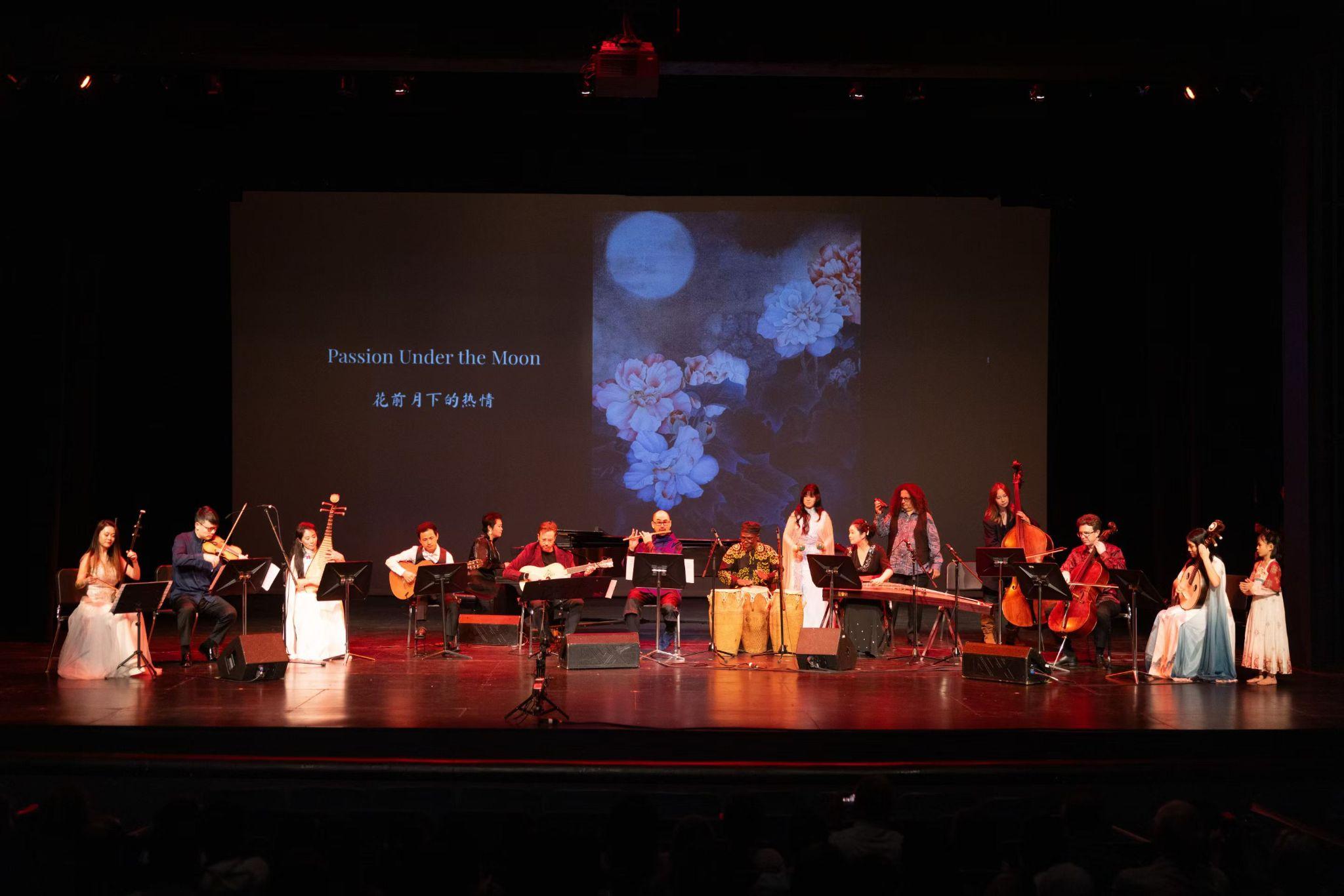
Organized by the North American Chinese Musicians Association, the two concerts attracted a combined audience of approximately 1,150 people from diverse cultural backgrounds.
The program envisioned contemporary music as a meeting place for diverse cultures, where distinct traditions could interact, inspire one another, and take new forms that resonate with today's audiences. Historical repertoire shared the bill with new compositions, while improvisation and collaboration opened fresh possibilities for traditional instruments.
Cellist Matthew Armbruster hosted the first half, using humor and accessible commentary to introduce the works and draw listeners into the music.
The opening piece, Riffs and Flow, by Brown University music professor Wang Lu, brought ancient Dunhuang scores into a contemporary audiovisual setting. Jin Yang, president of the association, played a replica of a Tang dynasty pipa inlaid with mother-of-pearl. She was joined by Yue Yang, artist-in-residence at the University of Delaware, on erhu; Jing Xia, visiting professor at the US-China Music Institute at Bard College, on guzheng; and Yifei Xu, executive director of BlackBox Ensemble, on prepared piano. Visuals designed by Harvard University's CAMLab completed the setting.
Each instrument contributed a distinct voice. The pipa retained the melodies' chant-like character, while the guzheng added shifting colors and lingering resonance. The erhu improvised on the source material. Magnets placed on the piano strings altered their resonance, producing distant, bell-like overtones.
One listener compared the sound to "bells ringing from a faraway temple." Another said it seemed to drift "from the Dunhuang murals and the depths of time." Through sound, imagery and improvisation, the historic scores became the foundation for a new musical experience.
Violinist Zhan Shu of the Cleveland Orchestra performed Sorrow in the Desert from Hero, shaping a vast, desolate musical landscape through sustained phrases and subtle changes in tone. Fishermen's Harvest Song offered a brighter contrast, its flowing melodies evoking the joy of a plentiful catch. A Rutgers first-year student named it the most memorable work of the concert, illustrating how vividly the music could connect with listeners encountering its cultural language for the first time.
Lutenist Jason Priset, a visiting professor at Montclair State University, introduced another historical perspective through Renaissance and Baroque repertoire. His performances on the European lute and Baroque guitar evoked the musical worlds of the Renaissance and Baroque eras through resonant plucked tones, intricate ornamentation, and expressive phrasing.
A younger generation's response to tradition emerged in Tiffany Qianxun Zhao's Blooming Streets. Inspired by a Chinese poetic line about searching a crowd countless times for a beloved figure, the work unfolded with delicacy and energy. Its inclusion reflected the association's support for emerging musicians finding contemporary expression in inherited cultural material.
Ma Jiuyue's Huxuan Dance evoked an earlier age of cultural exchange. Circling melodies and sharply defined rhythms suggested the stamping feet and rapid turns of the historic dance. Several listeners said the music conveyed the openness and vitality of the exchanges associated with the Tang dynasty.
The second half brought interaction among the musicians into sharper focus.
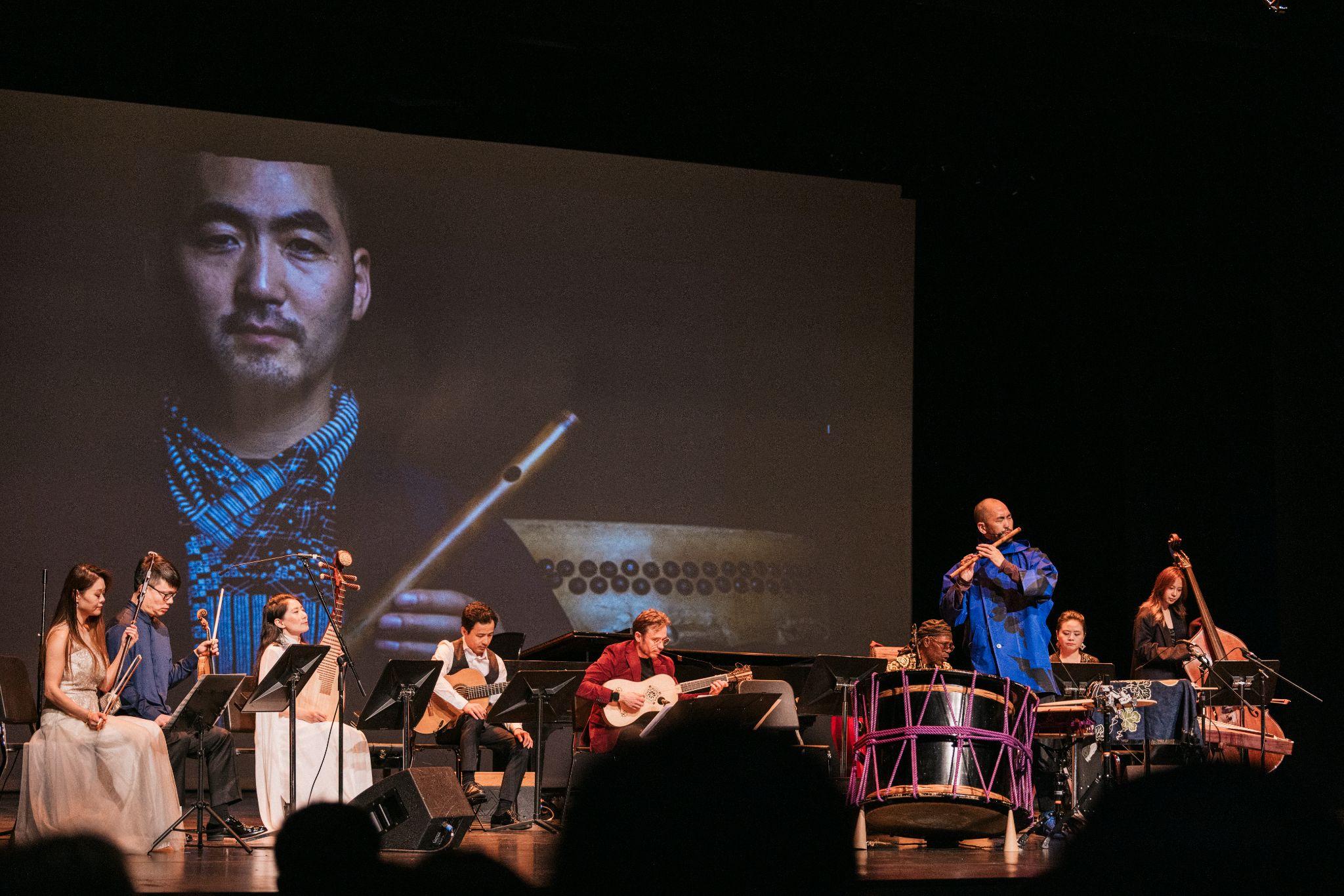
Japanese musician Kaoru Watanabe, a member of Yo-Yo Ma's Silkroad Ensemble, shifted the energy onstage with taiko playing that closely linked movement, rhythm and sound. In his More Perfect Union, taiko drums, shinobue flute, erhu and other instruments entered an improvised conversation.
The musicians listened and responded across differences in tone, phrasing, and musical practice. Yue Yang's erhu brought its distinctive sound and flowing melodic lines into a shared rhythmic space, showing how collaboration could give traditional instruments new expressive possibilities while preserving their individual character.
Kwaku Kwaakye Martin Obeng, who teaches at Berklee College of Music and Brown University, extended that spirit of exchange to the audience. Drawing on West African rhythmic traditions, he divided listeners into two groups and taught each a different clapping pattern. Their interlocking rhythms became the accompaniment for a Christmas song played on the talking drum, turning the hall into a participatory ensemble.
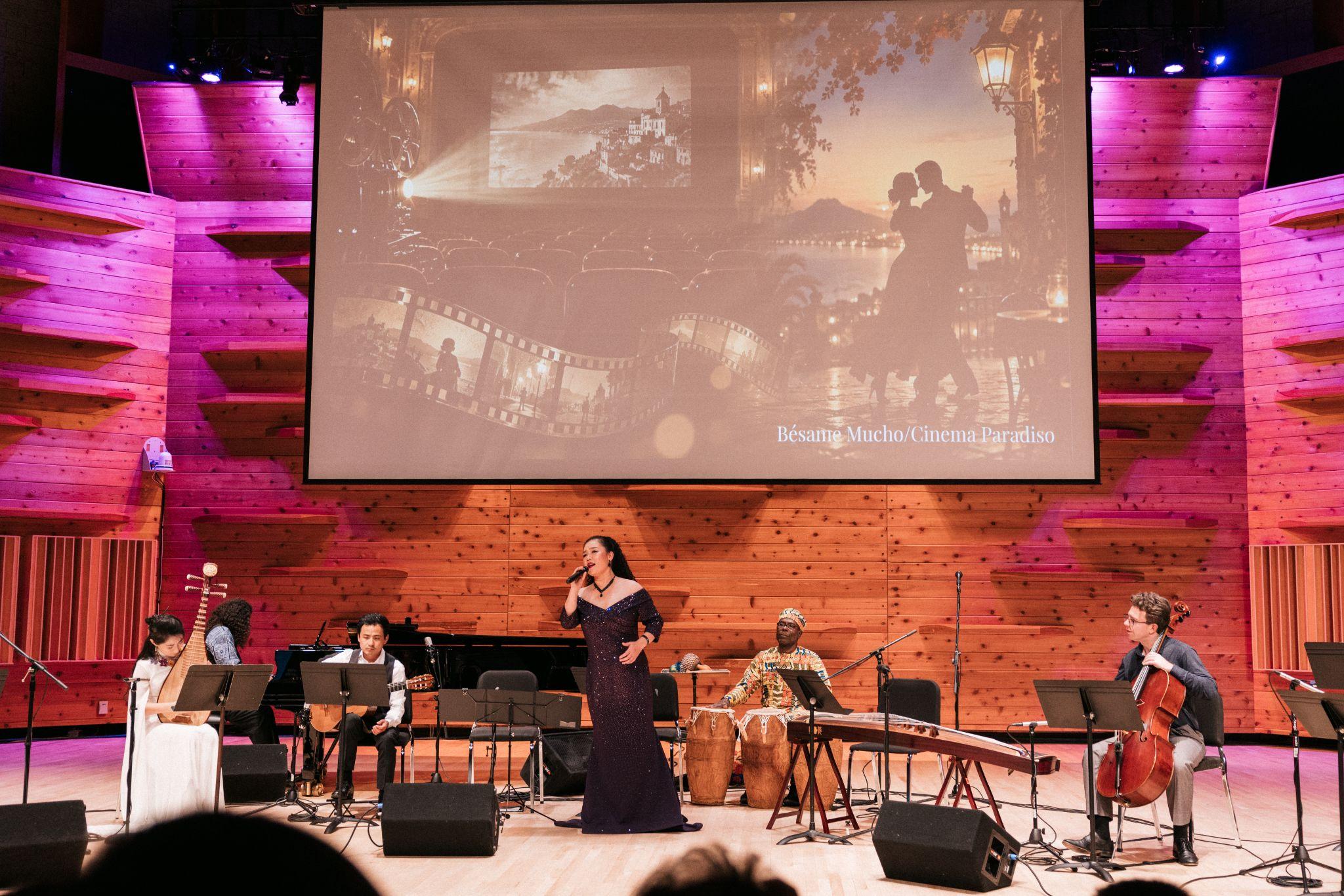
Mezzo-soprano Lina Zha performed Bésame Mucho and music from Cinema Paradiso in new jazz ensemble arrangements created for her by Princeton jazz educator Vince Di Mura. Joining her were Armbruster on cello, Bin Hu on guitar, Jin Yang on pipa and Xitong Yao on bass. The combination of voice, strings and contrasting instrumental colors brought fresh textures to the familiar melodies.
"I never thought I'd fall in love with a mezzo-soprano voice," one audience member said afterward.
The concerts concluded with Junjie Xiong's Passion Under the Moon, a piece that brought all the musicians on stage. Its lively Latin rhythms gave the ensemble room to exchange phrases and respond spontaneously, bringing the performance to an exuberant close.
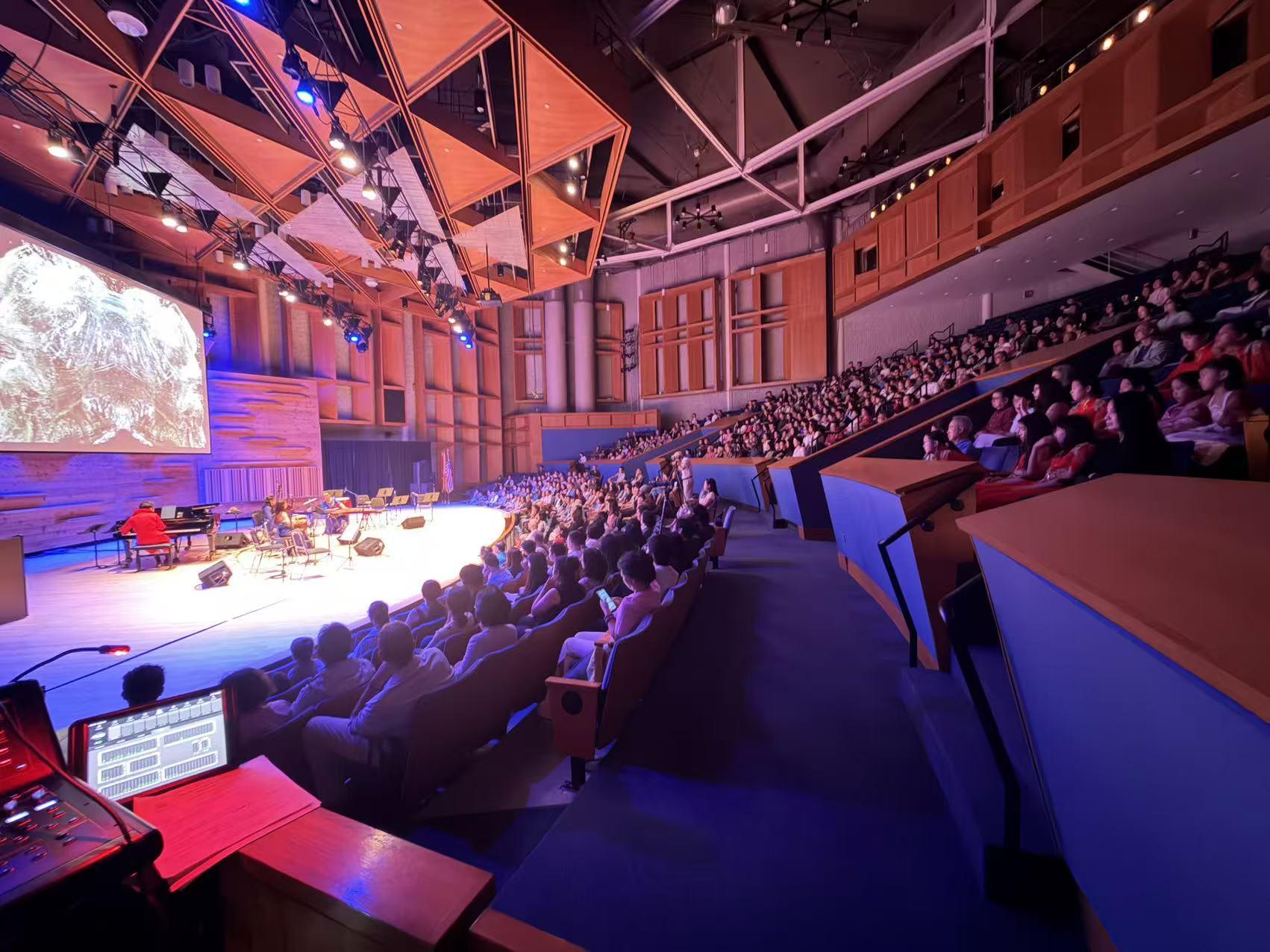
For listeners, the concerts offered both discovery and recognition. Several audience members encountered instruments they had never seen before, while others heard echoes of their own Spanish musical traditions. Those responses gave tangible expression to the program's vision of connecting cultures through music.
One listener said she usually reached for her phone to learn about unfamiliar composers and works. During the first concert, she never did. Only as the final piece was about to begin did she realize the evening was nearly over.
"I often find it hard to connect with unfamiliar pieces," another listener said. "But I enjoyed both concerts so much that I wanted to hear every piece several more times."
The musicians helped audiences find their way into the repertoire through introductions, cultural context and direct exchanges, while shifts in pacing, texture and instrumental color kept the listening experience engaging. One music educator described the evening as "a blend of storytelling, learning and music."
For younger listeners, discovery sometimes began with a moment of surprise. Watching magnets being placed on the piano strings, one child asked, "You can do that with a piano?" Such moments offered an immediate introduction to musical experimentation, inviting children to explore what instruments could do.
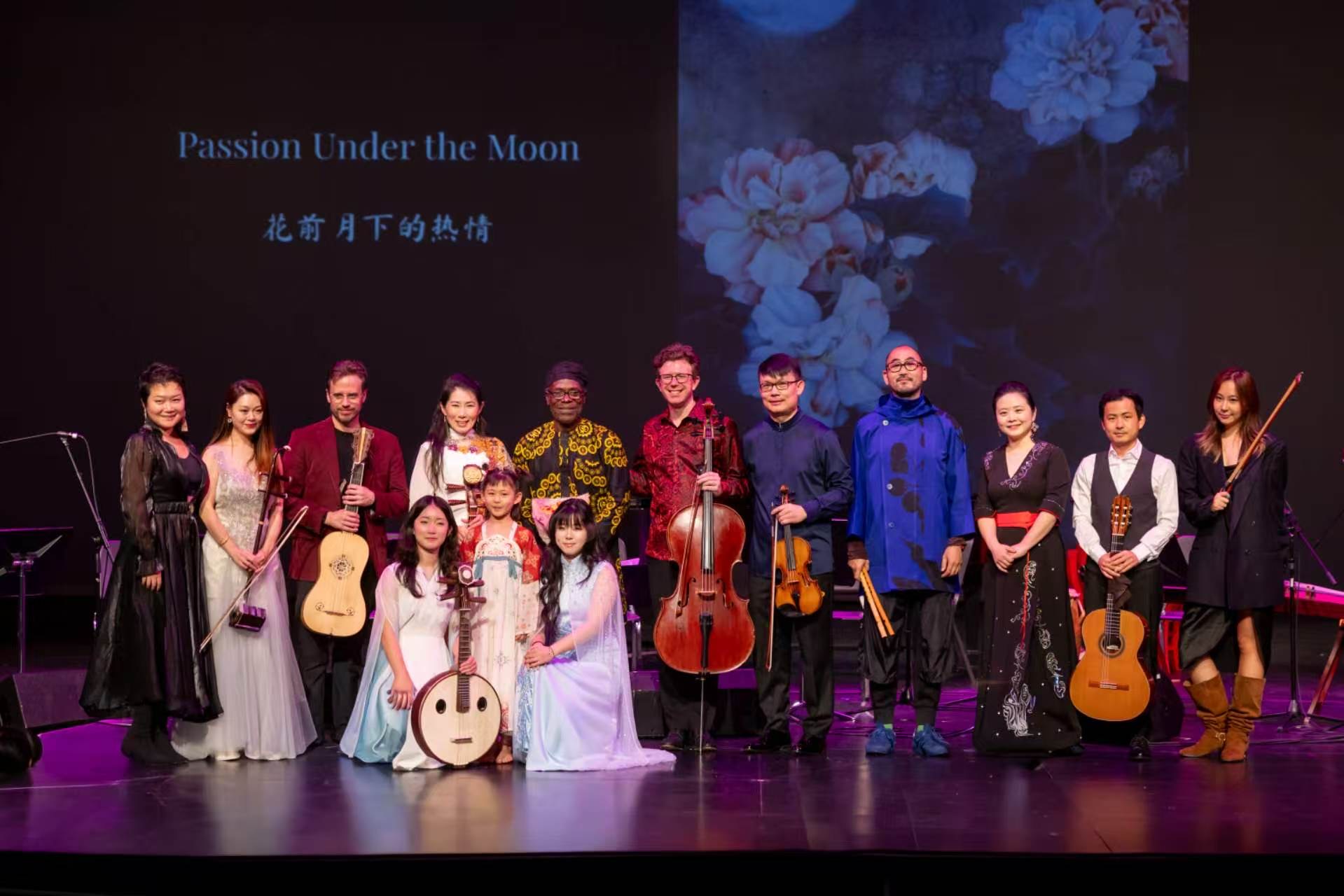
By bringing established performers and emerging composers together, the North American Chinese Musicians Association created opportunities for traditions to evolve through collaboration. Across the two evenings, The Sound of Harvest made that exchange audible-and gave listeners a way to connect unfamiliar sounds with their own experiences.
About Chinese Musicians Association of North America
The Chinese Musicians Association of North America (CMA-NA) is a community of professional musicians based in the United States and Canada, with members from diverse regions of China. Guided by the belief that music is a universal language, CMA-NA promotes cross-cultural collaboration and the exchange of musical traditions, ideas and innovation across geographic boundaries.
Media Contact
Contact Person: Kathleen Kong
Email: [email protected]
SOURCE: Chinese Musicians Association of North America