



Monday, 24 February 2025 11:15 AM
Partnerships
RIDGEFIELD, CT / ACCESS Newswire / February 24, 2025 / The town of Ridgefield is facing a growing financial dilemma that could have long-lasting effects on its future. Already burdened by some of the highest property taxes in the United States, Ridgefield now confronts a proposal to approve budgets totaling $17 to $20 million, which would add significant financial pressure to an already strained system. Simultaneously, the town is considering a "Stop Growth Moratorium" that would freeze development and prevent new economic opportunities.
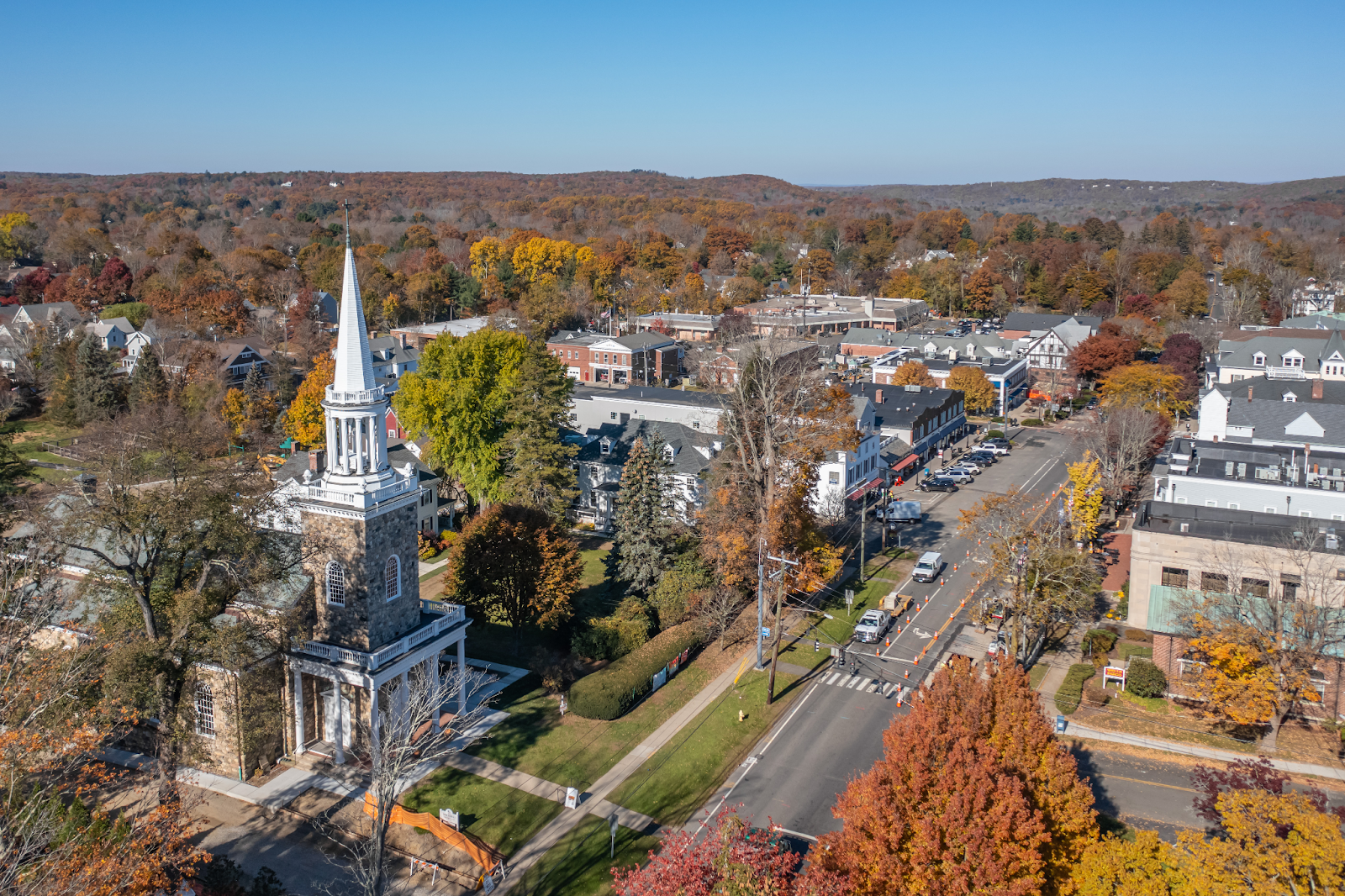
The combination of these two factors-massive budget increases and a halt to growth-raises significant concerns about the town's economic health. "Where will the money come from to fund these proposed budgets if we are simultaneously restricting growth and new revenue streams?" one local business owner questioned. "Approving these budgets while freezing development could result in financial disaster for the town."
Ridgefield residents, especially those with children leaving for college or moving out of state for work, are already questioning their futures in the town. Many are considering downsizing, with smaller homes or condominiums becoming attractive options. However, with the prospect of tax increases, some residents are now contemplating leaving the state altogether. "The tax burden here is already high. With the proposed budget increases, it's becoming harder to justify staying in Ridgefield. Maybe it's time to look at moving south to places like Florida, where the cost of living is lower," said one Ridgefield resident.
Beyond financial concerns, the proposed moratorium on growth has the potential to cause serious harm to the town's long-term prospects. The moratorium would freeze development across the entire town, which many argue would prevent new businesses, housing, and job opportunities from coming to Ridgefield. "To restrict growth while also reducing the town's ability to generate new revenue is reckless," said another business owner. "It makes no sense to stop development and then increase taxes on those who remain. It could destroy Ridgefield's economy and force businesses to leave."
While the debate over Ridgefield's future continues, it is crucial to note that Connecticut law, specifically General Statutes § 8-30g (also known as 8-30g Affordable Housing law), is designed to prevent municipalities from blocking affordable housing development. This law requires towns to maintain at least 10% of their housing stock as affordable in order to prevent exclusionary zoning practices that limit opportunities for low-income families.
U.S. Senator Richard Blumenthal has repeatedly emphasized the importance of this state law in ensuring that towns like Ridgefield comply with the legal requirement for affordable housing. "The 8-30g Affordable Housing law is clear," Senator Blumenthal said in a statement. "Municipalities cannot restrict the development of affordable housing if they do not meet the required thresholds. Ridgefield, like other towns in Connecticut, must follow this law and cannot pass measures to block affordable housing projects. It's critical that towns respect the state's affordable housing goals, which are designed to benefit all residents."
Ridgefield's affordable housing stock currently sits well below the 10% requirement, with just 2.96% of housing deemed affordable by the state. If the town continues to pursue a moratorium that halts growth, it could face legal challenges under 8-30g, as the town would be preventing the development of necessary affordable housing units. This law ensures that municipalities cannot impose zoning restrictions or moratoriums that conflict with the state's goals for affordable housing and access to housing for all residents.
For the future of Ridgefield, it is critical that town leaders reconsider the proposed moratorium and budget increases. The combination of high taxes, limited growth, and financial strain could drive businesses and residents out of town, further damaging an already fragile economy. As U.S. Senator Blumenthal pointed out, Ridgefield must comply with the 8-30g law and foster an environment that promotes affordable housing development, rather than stifling it.
As the town prepares for the next Planning and Zoning meeting on February 4th, residents, business owners, and stakeholders are urging leaders to make decisions that will benefit Ridgefield's long-term growth and prosperity. "We cannot afford to stifle growth and expect our town to thrive," one local resident said. "Ridgefield needs thoughtful leadership that embraces progress, not policies that freeze us in place and drive people away."
Ridgefield's future hinges on the decisions made in the coming weeks. Town leaders must consider the financial impact of their actions, respect state laws regarding affordable housing, and work toward a sustainable, prosperous future for all of Ridgefield's residents.
For More Information
For further information please contact Pat Davis with the contact information below.
Press Contact:
[email protected]
646-706-7669
SOURCE: DuJour Select