



Tuesday, 16 June 2026 09:00 AM
Advertorial
New analysis of Pulaski County data exposes a widening gap between available healthcare infrastructure and the populations it fails to reach.
LITTLE ROCK, AR / ACCESS Newswire / June 16, 2026 / Arkansas's most populous county sits at the center of a healthcare paradox. Pulaski County is home to UAMS Medical Center, Baptist Health, and Arkansas Children's Hospital - over 3,000 physicians and 8,000 nurses serving a population of roughly 400,000. Yet the county's health outcomes tell a different story, one shaped less by clinical capacity than by the concentrated, compounding force of poverty.
A review of publicly available data from the U.S. Census Bureau, the Commonwealth Fund, the Arkansas Department of Health, and the Heart of Arkansas United Way reveals that poverty - not a shortage of hospitals - is the primary driver of poor health outcomes in Little Rock and Pulaski County.
The Numbers Are Stark
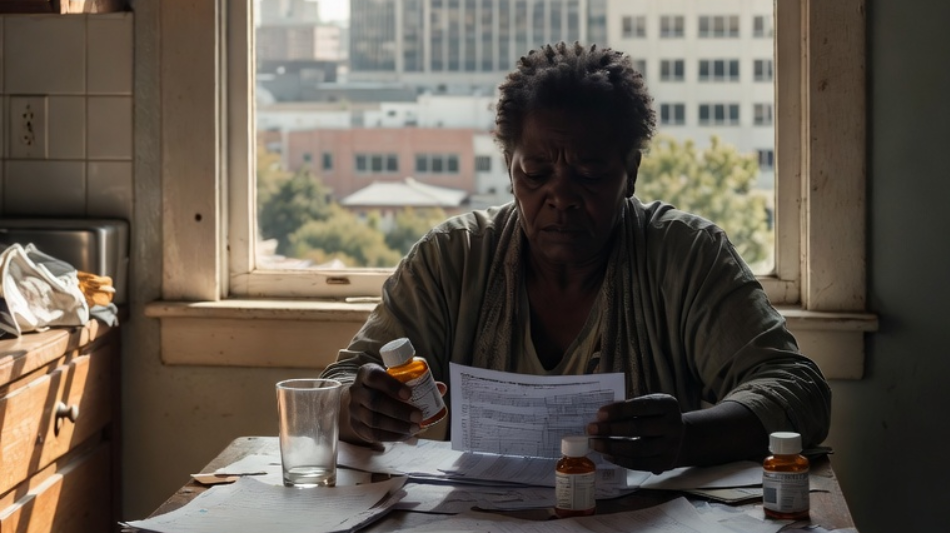
In 2024, 18.2% of Little Rock residents lived below the federal poverty line, exceeding Arkansas's statewide rate of 15.5%. When ALICE households - those earning above the poverty line but below the true cost of living - are included, 42% of Pulaski County households are financially unable to meet basic needs. The county's basic cost-of-living threshold runs approximately $46,000 annually for a family of four; the federal poverty line sets the bar at $25,000.
That $21,000 gap is where health outcomes quietly deteriorate. Families in that range delay medical care, skip prescriptions, and miss preventive screenings - not out of indifference, but out of economic necessity.
Chronic Disease Burden and the Cost of Delayed Care
Arkansas ranks 50th in the nation for premature deaths from treatable causes - dead last - according to the 2025 Commonwealth Fund State Health System Performance Scorecard. The diseases driving those numbers are not rare: hypertension, diabetes, heart disease, and stroke dominate the chronic disease landscape in communities where poverty is concentrated.
Statewide, approximately 307,385 Arkansans carry a known diabetes diagnosis. An estimated 70,000 additional cases remain undiagnosed. Diagnosed diabetes alone costs Arkansas an estimated $3.1 billion annually in direct costs and complications. Low-income residents - disproportionately Black and Hispanic Arkansans, who make up over 49% of Little Rock's population - face higher rates of these conditions and fewer resources to manage them.
Arkansas's hospital 30-day mortality rate rose from 14% in 2016-2019 to 16% in 2020-2023. The state ranked 48th overall in the 2025 national health system performance scorecard.
Access Is Not the Same as Availability
Insurance coverage in Pulaski County sits at approximately 87%, leaving an estimated 15% of residents uninsured or underinsured. Uninsured adults face higher cancer mortality rates, reduced access to preventive care, greater medical debt, and statistically higher rates of premature death. They do not avoid the healthcare system - they delay entry until conditions are acute, arriving at emergency departments where care is most expensive and least preventive.
Transportation compounds the problem. Only 0.5% of Pulaski County workers commute by public transit. For households without a vehicle - disproportionately low-income households - a specialist appointment becomes an unresolvable logistical barrier. Appointments are missed. Chronic conditions advance unchecked.
Research from the Robert Wood Johnson Foundation estimates that 80% of health outcomes are determined by non-clinical social determinants - housing, employment, transportation, food access, and education. Clinical care accounts for only 20%.
Life Expectancy as a Policy Report Card
Arkansas and Tennessee ranked 45th nationally for average life expectancy in 2020, at 74.4 years versus the national average of 77. Within Arkansas, a 10.8-year life expectancy gap separates the state's wealthiest and most impoverished counties - a gap driven overwhelmingly by poverty concentration and healthcare access disparity. Pulaski County ranked worst in the state for air pollution, a direct contributor to respiratory disease burden in dense urban areas.
The Administrative Imperative
Closing this gap requires healthcare administrators who understand population data and treat social determinants of health as operational priorities - not secondary concerns. That means investing in population health infrastructure, using Community Health Needs Assessments as strategic planning tools rather than compliance documents, and engaging in policy advocacy backed by data.
The next generation of healthcare leaders who build careers in markets like Little Rock will find that the opportunity for measurable impact is significant precisely because the baseline is so low. Competent, data-literate administration can move outcomes that have been stagnant for decades.
The data makes the case. Leadership makes the difference.
Contact:
Marc J. Frendo-Rosso
Phone: 501-725-2960
Email: [email protected]
Little Rock, AR
###
About Marc J. Frendo-Rosso
Marc J. Frendo-Rosso is a HUD Certified Housing Counselor and MBA Candidate in Healthcare Leadership with a background in financial education, mortgage servicing, and regulatory compliance. He is pursuing a career in healthcare administration with an emphasis on population health, operational strategy, and underserved communities.
SOURCE: MarcFrendoRosso