




Thursday, 20 August 2026 09:00 AM
Company Update
New specialized website provides education, treatment options, and recovery guidance for gynecomastia patients in Boston and Chestnut Hill.
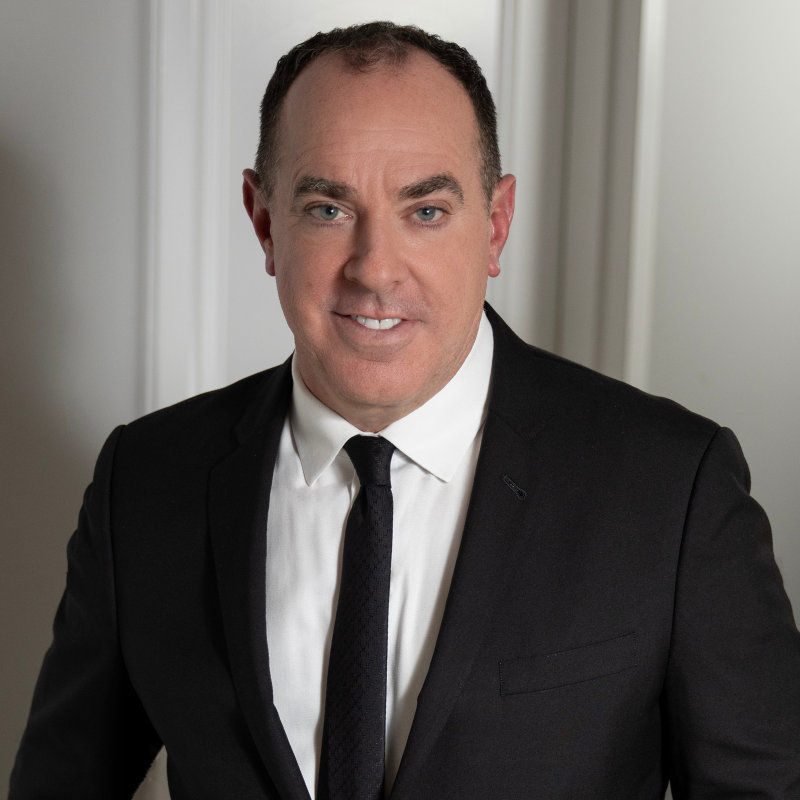
BOSTON, MA AND CHESTNUT HILL, MA / ACCESS Newswire / August 20, 2026 / Board-certified plastic surgeon Dr. Sean Doherty has launched Boston Center for Gynecomastia, a website devoted entirely to the evaluation and surgical treatment of gynecomastia. The site covers the condition, the procedures used to correct it, and the recovery patients can expect, drawing on more than 15 years of treating male chest concerns at offices in Boston and Chestnut Hill.
Gynecomastia is a common condition marked by unwanted fullness in the male chest. It can involve glandular breast tissue, fat, or a combination of the two, and it is frequently tied to the balance between estrogen and testosterone. That balance shifts during puberty and again later in life, though certain medications, anabolic steroid use, and major weight loss can also contribute.
A Resource Built Around a Single Condition
Men researching chest contouring often find general cosmetic surgery content that treats gynecomastia as one item on a long menu. The new site takes the opposite approach. It is organized around the condition itself, with separate sections covering adolescent, senior, steroid-related, and weight-loss-related gynecomastia, along with a plain explanation of pseudogynecomastia, a form caused by excess fat alone.
Visitors can also review gynecomastia surgical treatment options, which include traditional gynecomastia surgery combining gland removal with liposuction, a liposuction-only procedure for patients whose fullness is fatty rather than glandular, and chest reconstruction for men left with loose skin after significant weight loss. A before and after gallery, patient testimonials, and a frequently asked questions section round out the site.
"The gynecomastia procedure is a big part of my surgical practice, and traditionally it's an excellent procedure," said Dr. Doherty. "Men do very well with it, and it really treats gland and fatty tissue in the chest that really is not treated with diet and exercise."
Why the Diagnosis Drives the Plan
A recurring theme across the site is that the right procedure depends on what is actually causing the fullness. Many patients arrive convinced that liposuction alone will solve the problem. When firm glandular tissue sits beneath the nipple, however, liposuction by itself tends to leave that tissue behind.
During a consultation, Dr. Doherty evaluates the degree of excess fat, the presence of glandular tissue, and any skin laxity, then reviews medical history, medications, weight history, and lifestyle. In some cases, stopping a contributing medication or substance improves the chest without surgery at all. The site presents that possibility openly rather than steering every visitor toward the operating room.
Recovery Explained Week by Week
The recovery section reflects a point Dr. Doherty makes often with patients, which is that planning for the weeks after surgery matters as much as planning the surgery itself.
"The recovery of the procedure is a big part of the surgical planning," he said. "So understanding that yields success."
The first three weeks carry the most restrictions. Patients may need pain medication for roughly three to five days, wear a compression garment around the clock except when showering, and may have drains for the first 48 hours. Activity stays minimal during week one. Walking is encouraged, but nothing resembling exercise. By the second week, most patients are off pain medication and moving more freely, and driving often becomes possible somewhere between seven and ten days.
At three weeks, patients typically add light cardio and lower body work. Compression shifts to a second stage garment at that point, one without hooks or Velcro that fits under a dress shirt more easily, worn 12 hours a day for about two months.
"At four weeks, you're back to the gym and you're slowly getting back to upper body activity," Dr. Doherty said. "You're never out of commission, but you're slowly increasing activity under our guidance."
Serving Boston and Chestnut Hill
The practice maintains two locations, one at 69 Newbury Street in Boston and one at 27 Boylston Street in Chestnut Hill. Both offer in-person consultations, which Dr. Doherty considers essential given how much the recommended treatment varies from one patient to the next.
He has also pointed to a shift in how men approach the topic. Online information has made it easier to research the condition privately and has reduced some of the stigma that once kept men from raising it with a physician. The limitation, as the site notes, is that advice found online is not tailored to any individual anatomy.
About Dr. Sean Doherty
Dr. Sean Doherty is certified by the American Board of Plastic Surgery and is a Fellow of the American College of Surgeons. He completed fellowship training in laser and aesthetic surgery and holds hospital affiliations with Beth Israel Deaconess Medical Center and New England Baptist Hospital. He held a Clinical Instructor appointment at Tufts University School of Medicine and serves as Associate Medical Director at Cynosure Lutronic. He has been recognized as a Boston Magazine Top Doctor and a Castle Connolly Top Doctor. Body contouring has been the center of his practice, with gynecomastia a longstanding area of focus.
About Boston Center for Gynecomastia
Boston Center for Gynecomastia provides consultations and surgical treatment for men with chest contour concerns, with offices in Boston and Chestnut Hill, Massachusetts. Treatment plans are built around each patient's anatomy, weight history, and goals.
Men who would like to learn more can contact the practice to schedule a consultation.
Contact Information
Dr. Sean T. Doherty
Boston: (617) 450-0070
Chestnut Hill: (617) 735-8735
https://www.bostoncenterforgynecomastia.com/
SOURCE: Sean Doherty, MD - Plastic Surgeon