



Tuesday, 22 September 2026 06:15 PM
Advertorial
Through innovative behavioral health care, grief and trauma recovery, and community-centered support, Keeping Hopes Alive is helping Maryland youth, adults, and families transform hardship into healing, stability, and hope.
BALTIMORE, MD / ACCESS Newswire / September 22, 2026 / In a city where families often confront grief, trauma, economic hardship, and barriers to behavioral health care simultaneously, Keeping Hopes Alive is working to redefine what meaningful mental health support can look like. The Maryland behavioral health organization has made grief and trauma recovery a central priority, combining clinical care, psychiatric rehabilitation, family support, and community-based programming to help individuals move beyond crisis and toward long-term stability.
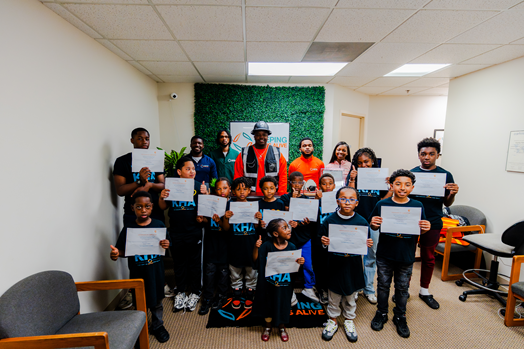
Built around the philosophy "Your thoughts become your reality," Keeping Hopes Alive has developed an approach that recognizes a fundamental reality of mental health care: treatment rarely exists in isolation from the circumstances of everyday life. Emotional wellness can be affected by housing instability, financial hardship, unemployment, family disruption, loss, trauma, and limited access to supportive resources. Rather than addressing these challenges independently, KHA works to create a coordinated system of care designed to support the individual as a whole.
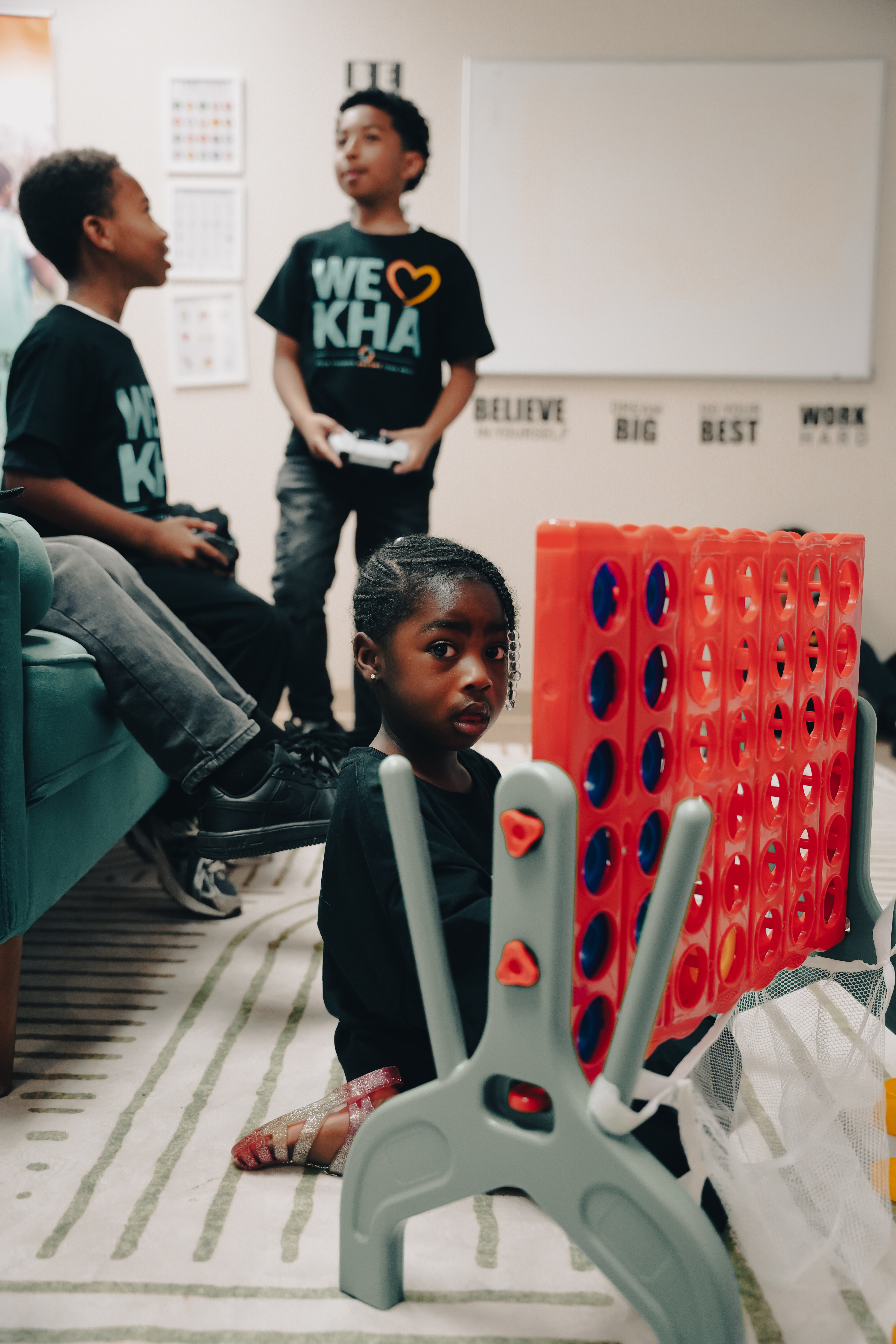
That philosophy has been particularly visible in the organization's work with young people. Keeping Hopes Alive has helped hundreds of youth connect with and enroll in therapy and supportive behavioral health services, providing children and adolescents with opportunities to process grief, trauma, family challenges, emotional distress, and other experiences that can shape their development. The objective extends beyond enrollment. KHA seeks to help young people understand their emotions, develop healthy coping strategies, recognize their individual value, and build the emotional foundation necessary to navigate adulthood.
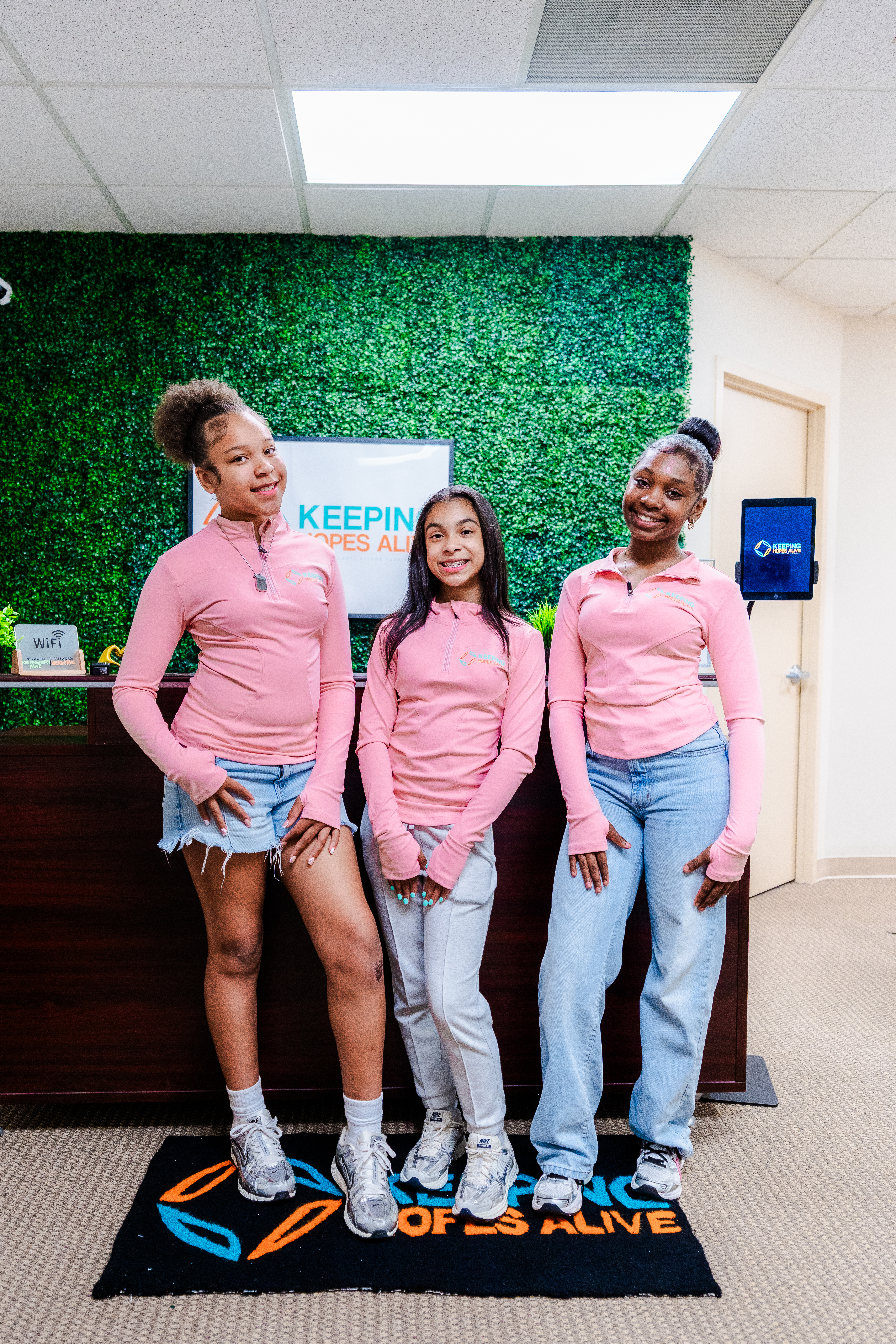
The organization has also placed significant emphasis on rehabilitation for individuals whose lives have been disrupted by severe psychiatric challenges, grief, trauma, and other destabilizing experiences. More than 100 individuals have received rehabilitation and recovery support through Keeping Hopes Alive following significant psychiatric, grief, trauma, and life-related circumstances. Recovery can take many forms. For one person, it may mean rebuilding a daily routine after a psychiatric crisis. For another, it may involve processing the death of a loved one, navigating family separation, coping with the incarceration of a parent, restoring confidence, or learning how to function after a traumatic experience. KHA's philosophy is that meaningful recovery should extend beyond stabilization and provide individuals with the tools, relationships, and resources necessary to rebuild their lives.
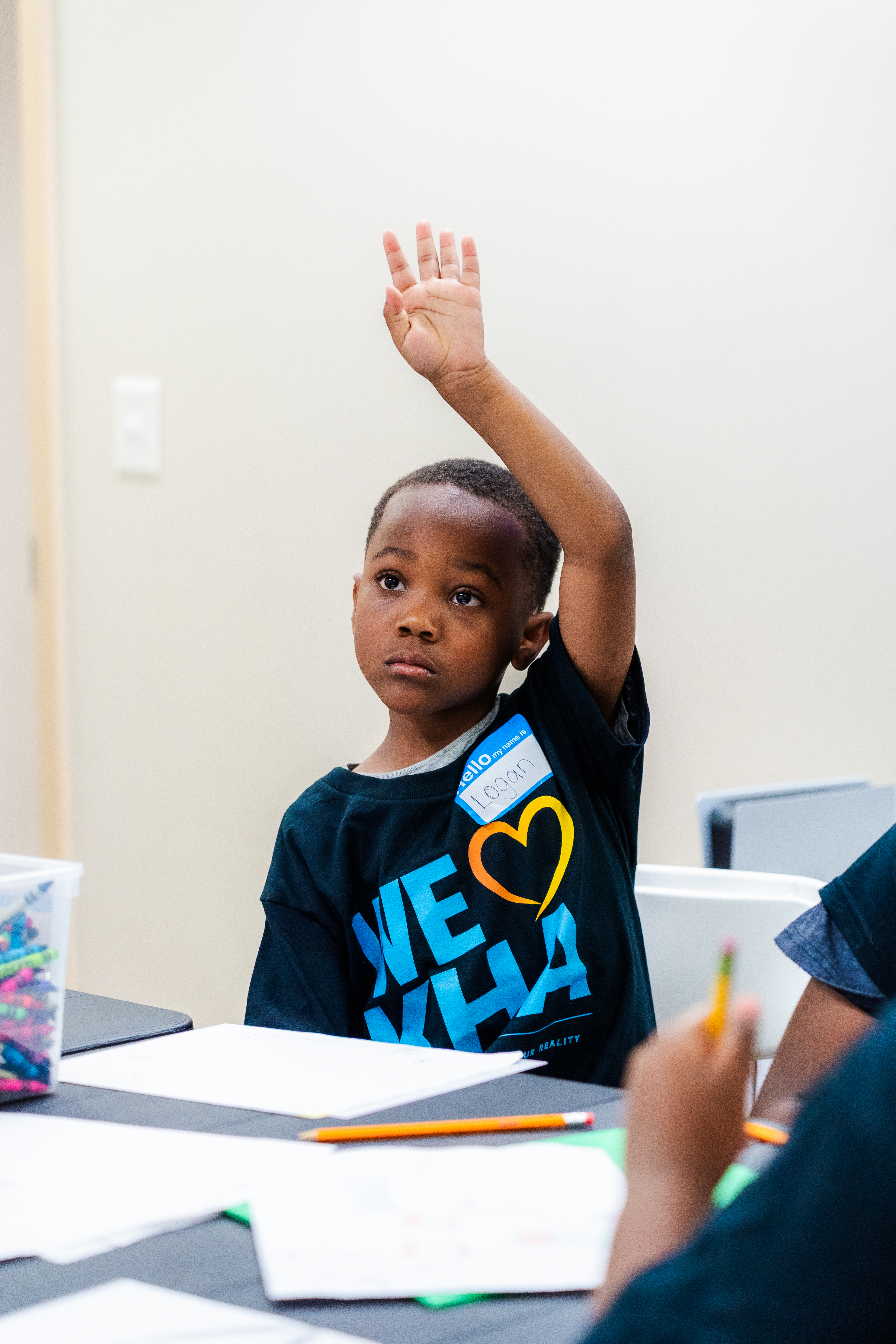
This broader vision is also shaping the organization's plans for growth. Executive Director Ebonee Baker views operational development as essential to expanding access without compromising the quality of care. "My passion is developing strong systems that allow us to serve people consistently, effectively, and with compassion. What we are building should not only impact families in Baltimore City. Our goal is to create a model that can reach families throughout Maryland and, eventually, communities far beyond it. Growth means more to us when it creates greater access to quality mental health support."
As the organization expands, maintaining accountability remains equally important. Compliance Officer Donna Burke has made quality assurance, ethical practice, and organizational integrity central to her work. "Families are trusting us during some of the most vulnerable moments of their lives, and that responsibility cannot be taken lightly. My passion is making sure quality assurance, compliance, and integrity remain at the center of everything we do. As Keeping Hopes Alive grows, our standards must grow with us. Every family deserves to know that the organization serving them is committed to doing things the right way."
For Jewel Patterson, the organization's mission carries a personal significance rooted in her own experiences. Her dedication to Keeping Hopes Alive reflects a childhood desire to become part of the type of support system that can change the trajectory of a family's life. "Being part of this organization aligns with dreams I have carried since childhood. Experiencing hardships growing up gave me an understanding of how important support, resources, and people who genuinely care can be. Today, I have an opportunity to help create that type of environment for other families. Keeping Hopes Alive represents the kind of impact I always hoped I could be part of, and I am dedicated to helping that vision continue to grow."
Partners Karahn Alston and Isaiah Hayes have placed another important issue at the forefront of the organization's community mission: creating environments where men and boys can engage with mental health support without shame or stigma. For Hayes, that commitment is deeply personal. After losing his father at a young age, he experienced depression and the profound weight of grief during a formative period of his life. Rather than allowing that experience to define the limits of his future, Hayes ultimately transformed his pain into purpose. The challenges he endured became part of the foundation for his passion to help others who may be navigating loss, depression, grief, or circumstances they do not yet know how to express.
Hayes' experience also reinforces a larger issue that he and Alston hope to address through their work. Mental health concerns among males can remain unaddressed when vulnerability is treated as weakness or when boys and men feel pressure to manage grief, trauma, stress, and emotional pain privately. Their shared commitment is to create safe, supportive environments where males can communicate honestly, develop healthier coping strategies, and access professional support without feeling diminished for doing so.
For Alston and Hayes, changing that culture means expanding the definition of strength. They want boys and men to understand that acknowledging grief, seeking therapy, asking for support, and confronting emotional pain can be acts of courage and personal responsibility. Through Keeping Hopes Alive, their goal is to help more males become healthier sons, fathers, partners, professionals, leaders, and members of their communities.
What distinguishes the organization's evolving model is its effort to connect clinical treatment with the environments in which people actually live. Keeping Hopes Alive supplements behavioral health services with therapeutic activities, mentoring, educational workshops, youth programming, career development, financial literacy, fitness, creative experiences, and community partnerships. These initiatives are designed to create additional points of connection for individuals who may first encounter KHA through a community program before developing a deeper relationship with mental health resources.
The result is an organization attempting to shift the conversation from simply treating symptoms to strengthening people, families, and communities. As Keeping Hopes Alive continues to develop its infrastructure and expand its reach, its leadership remains focused on a central question: How can behavioral health care become more accessible, more connected to everyday life, and more responsive to the realities families face outside of the clinical setting?
For Keeping Hopes Alive, the answer begins with meeting people where they are and remaining present as they move forward. A child entering therapy, a family searching for stability, a young man grieving the loss of a parent, or an individual rebuilding after psychiatric crisis may arrive with very different circumstances. The organization's underlying message to each remains the same: hardship can become part of a person's story without becoming the conclusion of it.
Keeping Hopes Alive continues to build toward a future in which quality mental health care, rehabilitation, community support, and opportunity are not separate conversations, but interconnected parts of helping people heal and build meaningful lives.
Learn More: Keeping Hopes Alive
1 North Charles Street, ste 302 Baltimore, MD. 21201
https://www.keepinghopesalive.com/
(410) 499 - 1191 (OFFICE)
Photo credit: Aidan Conway
SOURCE: Keeping Hopes Alive