



Friday, 30 October 2026 04:08 PM
Company Update
ISTANBUL, TR / ACCESS Newswire / October 30, 2026 / Dr. Serkan Aygin is emphasizing the importance of early hair loss assessment and individualized treatment planning for young adults experiencing thinning hair, increased shedding, or receding hairlines. As hair loss becomes a concern for some individuals in their 20s, understanding its possible causes and evaluating available treatment options can help patients make informed decisions about their hair health.

Hair loss during early adulthood can develop gradually or appear more suddenly, depending on the underlying condition. Genetic predisposition, hormonal sensitivity, nutritional deficiencies, stress, and certain medical conditions may contribute to changes in hair density. Identifying the cause can help healthcare professionals determine appropriate treatment options and establish realistic expectations.
Early Recognition Can Help Guide Hair Loss Management
Recognizing the early signs of hair loss may encourage individuals to seek professional advice before deciding on treatment. Common indicators include a receding hairline, thinning around the crown, a widening part, or increased hair shedding during washing and brushing.
Androgenetic alopecia, commonly known as pattern hair loss, is a frequent cause of progressive thinning. The condition is associated with genetic factors and the sensitivity of hair follicles to androgens. Over time, affected follicles may produce progressively thinner hair, changing the overall appearance of the scalp.
However, not all hair loss follows this pattern. Temporary shedding can occur after illness, significant stress, or other physical changes. Thyroid disorders, nutritional deficiencies, and certain medications may also affect hair growth. A medical assessment can help distinguish between these possibilities and identify appropriate next steps.
Medical Treatments May Offer Alternatives to Immediate Surgery
Individuals experiencing early hair loss may benefit from discussing nonsurgical treatment options with a qualified healthcare professional before considering a transplant. Depending on the diagnosis, a clinician may recommend topical minoxidil or assess whether prescription medication, such as finasteride, is appropriate.
Treatment effectiveness varies according to the individual and the cause of hair loss. Patients should discuss potential side effects, contraindications, and the possibility that continued treatment may be necessary to maintain benefits. Younger adults may also need to consider the long-term implications of managing hair loss over several decades.
General health measures can contribute to overall health and may help address certain factors associated with hair shedding. Adequate protein intake, a balanced diet, sufficient sleep, and stress management can be beneficial. When a nutritional deficiency is identified, correcting it may help address the associated problem. However, supplements are not a universal treatment for hair loss, and unnecessary supplementation may carry risks.
Long-Term Planning Remains Important for Hair Transplant Patients
Hair transplantation may be an option for selected individuals experiencing pattern hair loss, but suitability requires an individualized assessment. Age alone does not determine whether someone is ready for surgery. A specialist may assess hair loss progression, donor hair quality, family history, scalp health, and the likelihood of further thinning.
For younger patients, future hair loss is an important consideration. A transplant redistributes hair follicles from a donor area to areas requiring coverage, but it does not prevent untreated natural hair from thinning. A treatment plan should therefore account for current hair loss and possible future changes.
Individuals researching a hair transplant in Turkey can benefit from reviewing the clinic's medical standards, the surgeon's qualifications, and the proposed treatment plan. They should also ask which professionals will perform the extraction, implantation, and other stages of the procedure.
A consultation should include a discussion of expected results, potential complications, recovery requirements, and alternative treatments. Patients should receive sufficient information to decide whether surgery is appropriate or whether medical management and observation would be preferable.
Evaluating Hair Transplant Costs and Treatment Packages
Financial considerations can influence decisions about hair restoration, particularly for younger adults balancing treatment expenses with other priorities. The hair transplant cost in Turkey may vary according to the procedure, the number of grafts required, the clinical team, and the services included in the treatment package.
Some packages combine the procedure with accommodation, transportation, medication, and postoperative support. Others may offer these services separately. Comparing complete written quotations can help prospective patients understand the total cost rather than focusing exclusively on the initial advertised price.
Patients should also ask about follow-up appointments, aftercare instructions, and procedures for managing complications. Understanding the surgeon's involvement and the clinic's approach to patient monitoring can provide additional information when comparing providers.
Long-term expenses also deserve attention. Hair loss may continue after transplantation, potentially requiring medical treatment or additional procedures in the future. Discussing these possibilities during the initial consultation can help patients establish realistic expectations and plan accordingly.
Knowing When to Seek Professional Advice
Persistent or unexplained hair loss should be assessed by a qualified healthcare professional. Sudden shedding, patchy bald spots, scalp irritation, redness, or pain may indicate a condition requiring specific medical attention.
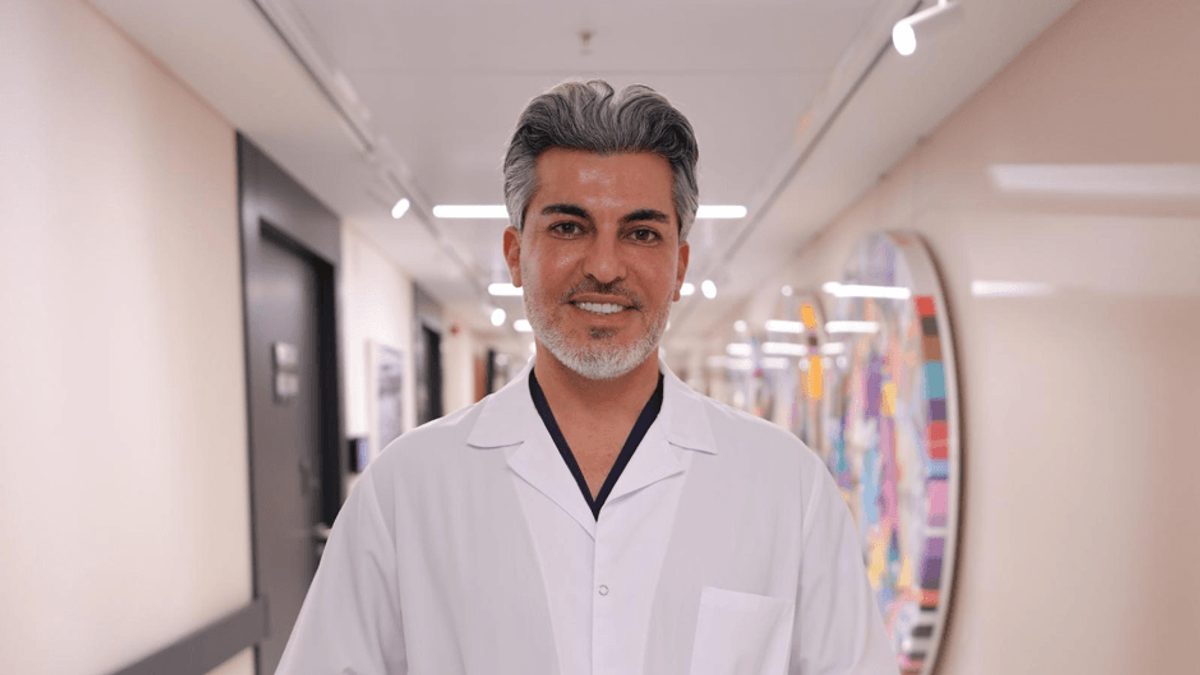
Dr. Serkan Aygin emphasizes considering individual medical circumstances before selecting a hair restoration approach. Patients should discuss their medical history, current medications, previous treatments, and expectations during consultations to help guide the assessment.
Supporting Informed Decisions About Hair Restoration
Hair loss in a person's 20s does not automatically require a transplant. Some individuals may benefit from medical treatment and regular monitoring, while others may eventually consider surgical restoration after their hair loss pattern and donor hair availability have been evaluated.
By understanding possible causes, reviewing available treatments, and considering the long-term implications of surgery, younger adults can make more informed decisions about their hair health.
For further information about hair restoration services and consultation options, visit https://www.drserkanaygin.com/.
About Dr. Serkan Aygin Clinic
Dr. Serkan Aygin Clinic is an Istanbul-based hair restoration clinic offering procedures that include Follicular Unit Extraction (FUE) and Direct Hair Implantation (DHI), with a focus on individualized treatment planning, hairline design, and patient care.
Media Contact Details
Dr. Serkan Aygın
Dr. Serkan Aygın Clinic
Send Email
www.drserkanaygin.com
SOURCE: Dr. Serkan Aygın Clinic