



Friday, 26 June 2026 05:10 PM
Advertorial
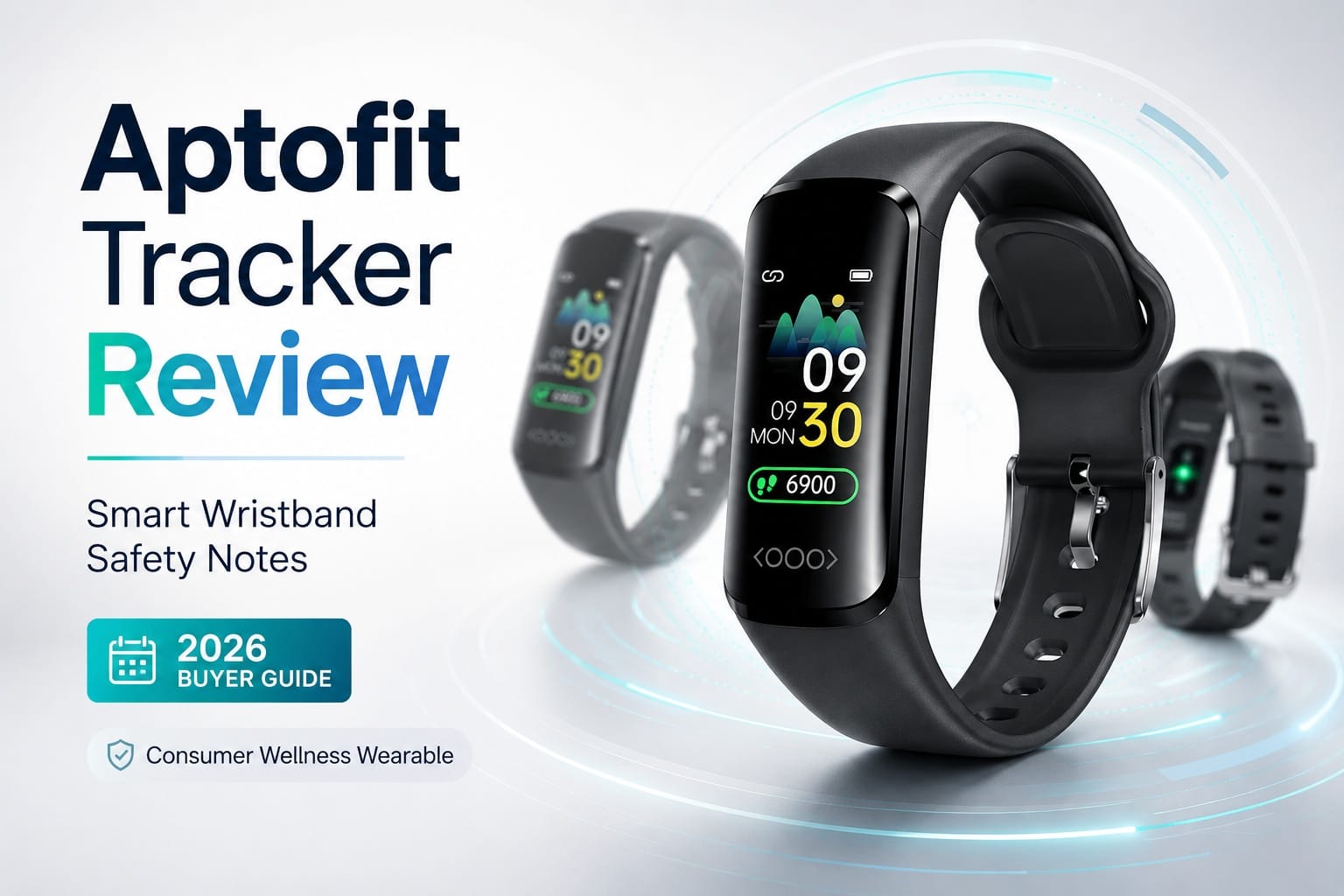
As consumer interest in wrist-based wellness visibility continues in 2026, this Aptofit Tracker review explores the brand-stated feature themes, app-connected routine tracking, pricing and refund checks, and why buyers should understand the product as a consumer wellness wearable rather than a medical device.
LOS ANGELES, CA / ACCESS Newswire / June 26, 2026 / Disclaimers: This is a paid advertorial and contains sponsored affiliate links, which means a commission may be earned if you purchase through links in this article at no additional cost to you. Product claims are attributed to the brand and are not independently endorsed by this publication. Aptofit Tracker is discussed here as a consumer wellness wearable, not as a medical device. It should not be used to diagnose, treat, monitor, or manage diabetes, blood pressure conditions, oxygen-related conditions, heart conditions, sleep disorders, or any other medical condition.
Review Aptofit Tracker's Official Pricing, Guarantee Terms, and Current Availability
Aptofit Tracker Consumer Research 2026: Reviewing What Buyers Should Know Before Ordering a Wellness Smart Wristband
Quick Answer: Aptofit Tracker is a consumer smart wristband promoted for general wellness awareness, app-connected convenience, sleep tracking, and wrist-based wellness-style displays. It may be worth considering for buyers who want a simple wearable for everyday routine visibility, but it should not be treated as a medical device or used to replace FDA-authorized glucose monitors, blood pressure devices, pulse oximeters, or licensed medical guidance.
Before you order: Aptofit Tracker should be evaluated as a consumer wellness wearable, not a medical device. Buyers should verify the current price, refund process, app compatibility, seller support, and medical-use limitations before checkout.
You probably clicked because Aptofit Tracker looked like a simple way to keep more wellness information visible from your wrist. That appeal makes sense. A lightweight wearable that feels modern, easy to use, and low-maintenance can be attractive, especially if you are trying to stay more aware of your daily routine without carrying extra gadgets around.
The part to check before ordering is not whether the wristband looks useful. It does. The key question is whether you are buying it for the right reason. Aptofit Tracker may make sense as a consumer wellness wearable, but buyers should understand the medical-use limits before checkout.
This Aptofit Tracker review is written for the person who wants the real answer before spending money. Not hype. Not fear. Just the practical version: what the product appears to be, what the brand materials emphasize, where the claims need careful reading, how the Aptofit Tracker pricing and refund language should be verified, and who is likely to be the best fit.
Quick Verification Snapshot (As of June 2026)
Before getting into the full Aptofit Tracker buyer's guide, here is the clean verification snapshot. This is the part smart shoppers usually want first: what is known, what should be confirmed, and what should not be assumed.
Product name: Aptofit Tracker.
Product category: Consumer electronics / wearable technology.
Compliant article framing: Consumer wellness wearable, not a medical device.
Official website: Visit the official Aptofit Tracker website.
Sponsored affiliate CTA URL: Review the Aptofit Tracker sponsored offer page.
Brand-stated feature themes: Smart wristband format, app-connected wellness visibility, heart-rate-style feature language, blood oxygen-style display language, blood pressure-style recording language, sleep tracking, remote family wellness visibility, interactive screen design, IPX68 material claim, and extended battery-life claim.
Pricing language: Source materials reference a promotional 50% offer. Buyers should confirm the current device price, shipping, taxes, quantity, optional add-ons, warranty offers, and any recurring terms directly at checkout before ordering.
Return language: Source materials reference a 30-day return opportunity. Buyers should confirm the full return process, address, condition requirements, shipping responsibility, and refund-processing timing before purchase.
Medical-use limitation: Aptofit Tracker should not be used to diagnose, treat, monitor, or manage diabetes, blood pressure conditions, oxygen-related conditions, or any medical condition.
Best-fit buyer: Someone who wants a consumer wellness wristband for general lifestyle awareness, not someone who needs clinical measurements.
Buyer takeaway: Aptofit Tracker is safest to evaluate as a general wellness wearable. The product may appeal to buyers who like the idea of simple wrist-based awareness, but medical measurements require appropriate authorized devices and professional guidance.
See the latest Aptofit Tracker offer
Disclosure: If you buy through this link, a commission may be earned at no extra cost to you.
What Is Aptofit Tracker?
Aptofit Tracker is a smart wristband marketed for general wellness, visibility, and everyday convenience. The appeal is easy to understand: instead of checking several separate tools or trying to remember wellness details manually, the buyer gets a wrist-worn device designed to make selected wellness-style information easier to view.
In plain English, Aptofit Tracker is best understood as a consumer wearable. That means it may help users pay closer attention to daily routines, sleep patterns, app-connected wellness visibility, and general lifestyle trends. It does not mean the product should be used as a medical device or relied on for condition management.
The source materials use strong health-related language, including glucose-related wording. That is exactly why this Aptofit Tracker review takes a careful approach. A buyer should not have to choose between being interested in a product and being protected from overreading the claims. The right middle ground is simple: if you want a smart wristband for general awareness, Aptofit Tracker may be worth reviewing. If you need medical readings, use medical devices and speak with a licensed healthcare professional.
The best reader for Aptofit Tracker is someone who wants simple wellness visibility, not someone trying to replace a glucose meter, continuous glucose monitor, blood pressure cuff, pulse oximeter, clinician visit, or prescribed care plan. That distinction matters because it helps the right buyer make a confident decision.
Quick answer: Aptofit Tracker is a consumer wellness smart wristband. It may suit buyers who want simple lifestyle visibility from a wearable device, but it should not be used as a medical monitor or relied upon for diagnosis, treatment, or health condition management.
Why Buyers Are Checking Aptofit Tracker Before Ordering
Aptofit Tracker is getting attention because it speaks to a real buyer desire: people want wellness tools that feel easier to use, smaller, and more convenient. A wristband is familiar. It is simple to wear. It does not feel as intimidating as medical equipment. For many buyers, that convenience is the reason they stop scrolling and click.
The product also appears in a category where consumers already expect a lot from wearables. Smartwatches and wristbands commonly include wellness-style dashboards, sleep tracking, app syncing, reminders, activity features, heart-rate-style displays, and other routine-focused tools. That makes buyers more open to trying an Aptofit Tracker smart wristband if the offer feels accessible.
The strongest compliant value proposition is not that Aptofit Tracker can replace medical monitoring. It cannot be positioned that way here. The stronger and safer value proposition is that buyers may find it useful as a general wellness companion: a device that can make routine awareness feel easier and more visible.
That is also the SEO opportunity. Many articles in this space either overhype wearable health claims or scare buyers away with cold disclaimers. This guide does neither. It gives the reader the exact decision framework they need: what the product is, what it may be useful for, what to verify, and what not to assume.
Buyer takeaway: Aptofit Tracker's appeal lies in its convenience. Buyers are not wrong to be interested in a simple wellness wristband, but the safest buying decision comes from understanding the product as a lifestyle-awareness device rather than a medical monitor.
How Does Aptofit Tracker Claim to Work?
Aptofit Tracker is promoted as a wrist-worn wearable that provides users with easier access to selected wellness-style displays. The brand materials emphasize simple use, an interactive screen, app-connected visibility, sleep tracking, and multiple health-adjacent feature themes. For a general wellness buyer, the concept is straightforward: wear the device, view the supported data, and use the data as a prompt for greater daily awareness.
The key phrase is "general wellness." That is the compliant lane. A consumer wearable can be used as a personal-awareness tool. It can help you notice patterns, reflect on your routine, and stay more engaged with your daily habits. It should not be treated as a clinical instrument unless the brand provides clear documentation for the exact medical use being claimed.
According to the product materials reviewed, Aptofit Tracker is associated with heart-rate-style monitoring language, blood-oxygen-style display language, blood-pressure-style recording language, sleep-monitoring language, remote family wellness visibility, and long-battery-life positioning. Those features are discussed in this release as brand-stated wellness features, not as independently verified clinical capabilities.
That difference protects the reader while keeping the article useful. If the buyer wants a convenient consumer wearable, the product may still be interesting. If the buyer needs medical accuracy, this is not the right decision path without professional guidance and authorized equipment.
Quick answer: Aptofit Tracker is promoted as a wearable wellness wristband with app-connected and wrist-based feature themes. Buyers should treat those features as general awareness tools, not as medical readings for diagnosis, treatment, or condition management.
The Glucose Claim Buyers Should Understand First
This is the section that makes this article more useful than ordinary product hype. Aptofit source materials include glucose-related language, and that deserves careful handling. Buyers may be interested in that part of the ad, but interest does not equate to medical suitability.
The FDA has warned consumers not to buy or use smartwatches or smart rings that claim to measure blood glucose without piercing the skin. The FDA also states that it has not authorized, cleared, or approved any smartwatch or smart ring intended to measure or estimate blood glucose values on its own. For people whose care depends on accurate glucose information, inaccurate readings can create serious risks. Readers who want the FDA's direct safety communication can review the agency's consumer warning here:
FDA blood glucose smartwatch safety communication.
For that reason, Aptofit Tracker should not be treated as a glucose monitor, blood sugar monitor, or diabetes-management device in this release. If you have diabetes, use insulin, take glucose-lowering medication, monitor blood sugar for clinical reasons, or make food or medication decisions based on glucose readings, you should use an appropriate FDA-authorized device and speak with a licensed healthcare professional.
This does not mean a consumer wellness wearable has no place. It means the use case needs to be honest. Aptofit Tracker may be considered for general wellness awareness. It should not be purchased as a replacement for finger-prick meters, continuous glucose monitors, clinician-directed care, or medical testing.
That honesty is not a conversion problem. It is the trust signal. The right buyer will appreciate knowing exactly where the product fits and where it does not.
Buyer takeaway: Do not use Aptofit Tracker as a glucose monitor or diabetes-management device. The safer fit is general wellness awareness, while medical glucose decisions should be handled with FDA-authorized devices and professional guidance.
What Features Does Aptofit Tracker Promote?
Aptofit Tracker offers the feature mix buyers often look for in a modern wellness wristband: convenience, a simple, wearable form, multiple display categories, app-connected visibility, and routine-friendly use. The features below are presented as brand-stated or brand-promoted feature themes, not as independently verified medical claims.
Wearable Smart Wristband Format
The wristband format is one of the strongest buyer-friendly elements. A wearable is easy to keep nearby because it is already on the wrist. For people who dislike carrying separate gadgets, that convenience can be the main reason to consider the product.
Heart-Rate-Style Wellness Feature
The product materials reference 24/7 heart-rate-style monitoring with a PPG sensor. In this release, that is handled as a wellness-style display feature. Buyers with heart-related symptoms, rhythm concerns, medication questions, or any medical issue should not rely on a consumer wearable for clinical decisions.
Blood Oxygen-Style Display Feature
The source materials reference blood oxygen concentration monitoring. Buyers should treat this as a general wellness-style display unless the brand provides documentation supporting medical use. People with breathing concerns, oxygen therapy needs, or respiratory symptoms should use appropriate medical devices and seek medical guidance.
Blood Pressure-Style Recording Feature
The product materials reference blood pressure measurement and recording. This article does not treat that as clinically verified. Buyers who need accurate blood pressure readings should use a validated blood pressure cuff or a device recommended by a healthcare professional.
Sleep Tracking
Sleep tracking is one of the more natural use cases for consumer wearables. Aptofit Tracker materials reference sleep-pattern tracking, which may appeal to people who want more awareness of their rest habits. It should not be used to diagnose sleep apnea, insomnia, or any sleep disorder.
Remote Family Wellness Visibility
The brand materials mention the ability to view family wellness-style data in an app. This may appeal to buyers purchasing for a parent, spouse, or loved one. Before relying on that feature, buyers should verify device compatibility, app permissions, data-sharing settings, and privacy expectations.
Interactive Swipe Design
The materials describe an interactive swipe-style interface. For less technical users, interface simplicity matters. If the device is easy to navigate, it may be more likely to become part of a daily routine.
IPX68 Material Claim
The source materials reference IPX68 waterproof materials. Buyers should still review the official instructions before exposing any electronic wearable to water. Water resistance can depend on duration, depth, wear, charging-port condition, and manufacturer limits.
Extended Battery-Life Claim
The source materials reference a large-capacity rechargeable battery that can last for a full week. Actual battery life may vary based on settings, screen brightness, app use, notifications, connection quality, charging habits, and how often features are used.
Buyer takeaway: Aptofit Tracker's feature list is most useful when viewed through a consumer-wellness lens. The wearable may be appealing for convenience and routine awareness, but medical accuracy should not be assumed from feature language alone.
View current Aptofit Tracker pricing on the official website
Who Is Aptofit Tracker Best For?
Aptofit Tracker is best for buyers who want a simple consumer wellness wristband and understand that wearable data should be used for general awareness. The ideal buyer is curious, practical, and not trying to replace medical equipment.
This may include buyers who want:
Daily wellness visibility from a wrist-based device.
App-connected routine tracking in a simple wearable format.
A lightweight smart wristband instead of a more complex smartwatch.
Sleep-related awareness for general routine tracking.
A simple wearable gift idea for someone who likes wellness gadgets.
Aptofit Tracker is not the right fit for a buyer who needs clinical accuracy. If the purchase decision depends on glucose, blood pressure, or oxygen readings; medication decisions; symptom tracking; disease monitoring; or clinician-directed care, the buyer should use appropriate medical devices and consult a licensed professional.
That may sound like a limitation, but it is actually how good buyer matching works. A product does not need to be right for everyone to convert well. It needs to be clearly matched to the right person. Aptofit Tracker's strongest fit is the buyer who wants convenience and general wellness awareness, not medical certainty.
Quick answer: Aptofit Tracker is best for buyers who want a convenient consumer wellness wristband for general routine visibility. It is not the right choice for anyone who needs medical-grade readings or condition-management guidance.
Who Should Pause Before Ordering an Aptofit Tracker?
Some buyers should pause before ordering the Aptofit Tracker, not because the product is not useful, but because their intended use may be too medical for a consumer wearable. The more a buyer plans to use the device for health decisions, the more careful they need to be.
Buyers should be especially cautious if they:
Have diabetes or use insulin.
Take glucose-lowering medication or monitor blood sugar for clinical reasons.
Manage hypertension or need accurate blood pressure readings.
Monitor oxygen saturation for a medical reason.
Have heart rhythm concerns or unexplained symptoms.
Are you pregnant or buying for someone with complex health needs?
Are you purchasing for an older family member who may confuse wellness information with medical guidance?
Parents and caregivers should also be careful. A device that looks simple can create a false sense of certainty if the user does not understand what the numbers mean or what they do not mean. If the buyer is purchasing for an older family member, it is worth explaining clearly that the device is for general wellness awareness only.
Anyone with a medical reason for tracking glucose, blood pressure, oxygen, heart rate, sleep, or symptoms should ask a licensed healthcare professional which device is appropriate. The correct tool depends on the condition, risk level, and purpose of measurement.
Buyer takeaway: Aptofit Tracker should not be used for medical decisions. Buyers with health conditions or caregiver responsibilities should confirm that the intended use is general wellness awareness only before ordering.
How Much Does Aptofit Tracker Cost?
Aptofit promotional materials reference a special introductory 50% discount. That can make the offer feel attractive, but buyers should not rely on discount language alone. The only price that matters is the final total shown at checkout before payment.
Before checkout: Do not rely on the discount headline alone. Confirm the current Aptofit Tracker pricing, shipping cost, quantity, optional add-ons, warranty offers, and any recurring terms on the final order page before payment.
Because consumer-electronics promotions can change, this release does not lock one fixed price. Buyers should confirm the current device price, shipping charges, taxes, quantity, any bundle selection, optional add-ons, warranty offers, and any recurring terms directly on the checkout page before submitting payment.
A smart checkout review takes less than a minute and can prevent most order confusion. Before buying, check whether the cart quantity is correct, whether the discount has been applied, whether shipping is separate, whether any extra items were added, and whether the payment page includes any subscription or recurring-charge language.
It is also a good idea to take a screenshot of the order summary before placing the order. That gives the buyer a record of the price, date, quantity, and visible terms shown at checkout.
Quick answer: Aptofit materials reference promotional discount language, but buyers should confirm the current Aptofit Tracker pricing, shipping, taxes, quantity, add-ons, and any recurring terms at checkout. Pricing and promotions may change without notice.
What Does the Aptofit Tracker Refund Policy Cover?
Aptofit source materials reference a 30-day return opportunity. That is a useful buyer-protection signal, but it should not be overstated as a complete refund guarantee unless the full policy mechanics are visible and confirmed.
Before ordering, buyers should confirm the practical details:
When the 30-day period begins.
Whether the product must be unused or in original packaging.
Whether accessories must be returned.
Who pays return shipping?
Whether a return authorization is required.
Which return address should be used?
How long does refund processing take after the item is received?
This matters because wearable devices often include packaging, charging accessories, printed materials, and app-related setup steps. Buyers who may return the device should keep the full package until they are sure they want to keep it.
The best return habit is simple: contact support before sending anything back. Ask for written return instructions. Include the order number, purchase email, and reason for return. Keep tracking information until the refund is processed.
Buyer takeaway: The 30-day Aptofit Tracker refund policy language is helpful, but buyers should verify the full return process before purchase. Do not assume "no-hassle" means every return cost, condition, or timeline is automatically covered.
Is Aptofit Tracker Legit or Should Buyers Be Cautious?
Aptofit Tracker has enough official-source material to support a buyer guide, but the health-related wording in the product materials means buyers should read carefully. The best answer is not a simplistic "yes" or "no." The better answer is: Aptofit Tracker may be considered a consumer wellness wristband, but buyers should be cautious about medical-sounding claims.
As a consumer wearable, the product can be evaluated on ordinary shopping factors:
Comfort
Battery life
App setup
Screen readability
Price
Return policy
Support access
Ease of use
As a medical monitor, the bar is much higher. Claims involving glucose, blood pressure, oxygen, diabetes, medication decisions, diagnosis, treatment, or disease management require a higher level of evidence and regulatory clarity. This release does not present Aptofit Tracker as meeting that standard.
That gives buyers a clean decision path. If you want a general wellness wristband and understand the limits, the Aptofit Tracker may be worth reviewing through the official offer. If you need a medical device, this is not the right substitute.
Buyer takeaway: Aptofit Tracker is safest to approach as a consumer wearable, not a medical monitor. Buyers should be cautious about health-related wording and should verify any claim that affects a medical decision.
Check today's Aptofit Tracker availability through the sponsored offer page
Where Can You Buy Aptofit Tracker?
Buyers should order Aptofit Tracker only through the official website or the sponsored affiliate route provided in this release. That is the cleanest way to review the current offer, checkout total, return language, and product details before purchase.
Before paying, buyers should review the full order page. Confirm the device name, quantity, price, shipping, taxes, delivery estimate, add-ons, and return terms. If the device is being purchased for someone else, confirm that the recipient has a compatible smartphone and is comfortable using app-connected wearable technology.
Buying through a random marketplace listing, reposted ad, or unknown seller can make it harder to confirm return rights and support responsibilities. The official path gives buyers the clearest opportunity to review the terms associated with the active offer.
Buyer takeaway: Use the official Aptofit Tracker website or the sponsored CTA route to review the current offer and return language before payment. Always check the final checkout page before placing the order.
Aptofit Tracker Contact Information and Support
The Terms material reviewed for this release identifies Cola Technology International Co., Limited at Room 702, 7/F, Spa Centre, No. 53-55 Lockhart Road, Wan Chai, Hong Kong. The same Terms material also refers to Hilipert in site-operator language. Because that creates a name mismatch, buyers with questions should contact support before ordering if seller identity, warranty responsibility, or return handling matters to them.
The support email shown in the reviewed Terms material is [email protected]. Buyers can use that email to ask practical questions before ordering, especially if they need clarification on current pricing, shipping, returns, app compatibility, warranty coverage, or medical-use limitations.
A useful pre-purchase message can be short and direct:
Hello, I am considering ordering an Aptofit Tracker. Please confirm the current price, shipping cost, return address, 30-day return requirements, device warranty, app compatibility, and whether the product is intended only for general wellness use rather than diagnosis, treatment, monitoring, or management of any medical condition.
That kind of written clarification helps buyers make a better decision. It also keeps expectations realistic before the device arrives.
Quick answer: Buyers can use [email protected] for support questions shown in the reviewed Terms material. Because the entity language references both Cola Technology International Co., Limited and Hilipert, buyers should ask for clarification from support if the seller's identity or return responsibility is important before purchase.
7 Checks Before Ordering Aptofit Tracker
Quick answer: Before ordering Aptofit Tracker, buyers should confirm the current price, return process, app compatibility, support contact details, wellness-use limitations, seller identity, and whether any medical-sounding claims affect their decision.
Confirm the final checkout price; do not rely solely on discount language. Review the final total before payment.
Check the 30-day return language: confirm the return address, item condition rules, return shipping responsibility, and refund processing timeline.
Review app compatibility: Make sure the intended phone supports the required app and connection features.
Understand the glucose limitation: Do not use Aptofit Tracker as a glucose monitor, blood sugar monitor, or diabetes-management device.
Confirm support access: Contact support before ordering if pricing, warranty, or return details are unclear.
Review seller identity: The reviewed Terms materials include entity-name language that buyers may want clarified before purchase.
Use medical devices for medical decisions: Buyers who need clinical measurements should use appropriate authorized devices and licensed medical guidance.
This kind of verification should not scare away the right buyer. It does the opposite. It makes the purchase feel clearer, more responsible, and more aligned with what the product is actually suited to do.
Buyer takeaway: The best buyer is an informed buyer. Confirm the price, return terms, app compatibility, support, and medical-use limitations before ordering, so the device is judged as a consumer wearable rather than a medical monitor.
How Aptofit Tracker Compares With Medical Devices
Aptofit Tracker should not be compared with medical devices as though they are in the same category. That comparison creates confusion. A consumer wellness wristband and a regulated medical device can both display health-related information, but they do not carry the same intended use, evidence standard, or clinical responsibility.
A medical device used for glucose, blood pressure, oxygen, or other clinical measurements is selected because accuracy and decision-making matter. Those devices are used for diagnosis, treatment, monitoring, medication decisions, and clinical follow-up. They are part of a medical decision pathway.
A consumer wellness wearable is different. It may be useful for routine awareness, habit tracking, reminders, lifestyle visibility, and general curiosity about wellness. It may help someone feel more engaged with daily patterns. It should not be used to decide whether a medical condition is controlled, whether medication should be changed, or whether symptoms can be ignored.
That distinction gives Aptofit Tracker a cleaner place in the market. It does not need to be a medical device to be useful to the right buyer. It needs to be understood honestly: a consumer wristband for general awareness.
Buyer takeaway: Aptofit Tracker should be compared with consumer wellness wearables rather than medical devices. Buyers who need clinical accuracy should use authorized equipment and professional guidance.
Frequently Asked Questions About Aptofit Tracker
Is Aptofit Tracker a medical device?
No. This release discusses Aptofit Tracker as a consumer wellness wearable only. It is not presented here as a medical device, diagnostic tool, glucose monitor, blood pressure monitor, oxygen monitor, or treatment device. Buyers should not use it to diagnose, treat, monitor, or manage any medical condition.
Can Aptofit Tracker replace a glucose monitor?
No. Aptofit Tracker should not replace an FDA-authorized glucose meter, a continuous glucose monitor, a prescribed testing routine, or a clinician-recommended device. People with diabetes, or anyone who needs accurate glucose readings, should speak with a licensed healthcare professional and use appropriate, authorized equipment.
Does Aptofit Tracker monitor blood sugar?
Aptofit source materials include glucose-related promotional language, but this release does not treat that language as medically verified. Buyers should not use Aptofit Tracker as a blood sugar monitor or diabetes-management device.
Does Aptofit Tracker measure blood pressure?
The source materials reference blood pressure-style measurement and recording. This release treats that as brand-stated wellness-style feature language, not as independently verified clinical accuracy. Buyers managing blood pressure should use a validated blood pressure device recommended by a healthcare professional.
Does Aptofit Tracker track blood oxygen?
The product materials reference blood oxygen-style display language. Buyers should treat that as general wellness-style information unless the brand provides documentation supporting medical use. Anyone with oxygen-related health concerns should use appropriate medical devices and consult a licensed professional.
Is Aptofit Tracker good for sleep tracking?
Aptofit Tracker materials reference sleep-pattern tracking. This may be useful for general awareness of routine, but it should not be used to diagnose sleep apnea, insomnia, or any sleep disorder. Buyers with sleep-related health concerns should seek medical guidance.
How long does the Aptofit Tracker battery last?
The source materials reference a rechargeable battery that can last for a full week. Actual battery life may vary depending on settings, screen use, app connection, notifications, feature use, charging habits, and device condition.
Is Aptofit Tracker waterproof?
The source materials reference IPX68 waterproof materials. Buyers should still follow the official device instructions because water resistance can depend on depth, duration, wear, charging-port condition, and manufacturer limitations.
How much does Aptofit Tracker cost?
Promotional materials reference discount language, including a 50% offer. Buyers should confirm the current Aptofit Tracker pricing, shipping, taxes, quantity, add-ons, and any recurring terms at checkout before ordering because pricing and promotions may change without notice.
What is the Aptofit Tracker refund policy?
Source materials reference a 30-day return opportunity. Buyers should confirm the full Aptofit Tracker refund policy before purchase, including eligibility rules, item condition requirements, return address, shipping responsibility, and refund processing timeline.
Where should buyers order Aptofit Tracker?
Buyers should use the official website or the sponsored affiliate link provided in this release to review the current offer and checkout terms. The sponsored affiliate route is the Aptofit Tracker sponsored offer page.
Final Verdict: Should You Try Aptofit Tracker?
Aptofit Tracker may be worth considering if you want a consumer wellness wristband for general daily awareness. The product's strongest fit is the buyer who likes the idea of a simple wearable, app-connected visibility, sleep-related routine tracking, and wrist-based wellness-style information.
The product should not be purchased as a medical device. It should not be used as a glucose monitor, diabetes tool, blood pressure monitor, oxygen monitor, diagnostic device, treatment device, or substitute for professional care. That distinction is the reason this guide is useful. It helps the right buyer say yes for the right reason, and it helps the wrong buyer avoid using the product in a way it should not be used.
Final buyer check: If you want a simple wristband for general wellness awareness, Aptofit Tracker may be worth reviewing through the official offer. If you need medical measurements, use an appropriate authorized device and speak with a licensed healthcare professional before relying on any wearable.
Before ordering, review the official page, confirm the checkout total, check the return rules, keep the order confirmation, and contact support if any health-related claim affects your buying decision.
Review the Aptofit Tracker offer before ordering
Contact Information
Company: Aptofit
Email: [email protected]
Address: OFFICE NO.12 ON 19TH FLOOR, HO KING COMMERCIAL CENTRE, NO. 2-16 FA YUEN STREET, MONGKOK, KOWLOON, HK.
Previous Advertorials:
Disclaimers
Advertorial and Affiliate Disclosure: This content is a paid advertorial and contains sponsored affiliate links. Compensation may be received from purchases made through links in this article at no additional cost to the reader. Product claims are attributed to the brand and should be verified by readers before purchase.
Medical Device and Health Information Disclosure: Aptofit Tracker is discussed here as a consumer wellness wearable. It is not presented as a medical device, diagnostic device, treatment device, glucose monitor, blood pressure monitor, pulse oximeter, or replacement for licensed medical care. Do not use Aptofit Tracker to diagnose, treat, monitor, or manage diabetes, hypertension, oxygen-related conditions, heart conditions, sleep disorders, or any other medical condition.
FDA Blood Glucose Wearable Safety Note: The FDA has warned consumers not to buy or use smartwatches or smart rings that claim to measure blood glucose without skin penetration. People whose care depends on accurate blood glucose measurements should speak with a healthcare provider and use an appropriate FDA-authorized device.
Results and Data Variability Disclosure: Wearable-device readings, app displays, battery life, comfort, connectivity, water resistance, and user experience may vary by person, settings, phone compatibility, device condition, and usage habits. No result is guaranteed.
Pricing Disclosure: Promotional pricing, discounts, shipping charges, taxes, bundles, optional add-ons, and availability may change without notice. Buyers should confirm the final checkout total before placing an order.
Refund Disclosure: Source materials reference a 30-day return opportunity. Buyers should confirm the complete return policy, eligibility requirements, return address, item condition rules, shipping responsibility, and refund processing timeline before purchase.
Technology and App Disclosure: App-connected wearables may require compatible smartphones, operating systems, Bluetooth connectivity, user permissions, and account setup. Buyers should review app permissions and privacy practices before use.
Professional Advice Disclosure: Information in this article is for general consumer education and does not constitute medical advice. Readers with health concerns should consult a licensed healthcare professional before making decisions related to testing, treatment, medication, monitoring, or disease management.
Trademark Acknowledgment: Aptofit Tracker and related brand names are used for identification purposes only. Trademarks referenced are the property of their respective owners. Mention does not imply endorsement or sponsorship beyond the disclosed marketing relationship.
Geographic and Jurisdiction Disclosure: Product availability, return rights, consumer protections, and device requirements may vary by location. Buyers are responsible for reviewing local rules and seller terms before purchase.
SOURCE: Aptofit