




Wednesday, 09 September 2026 04:30 AM
Company Update
New Los Altos school applies more than a decade of educational development alongside emerging Brain Capital research on the human capabilities that matter in the age of AI
LOS ALTOS, CA / ACCESS Newswire / September 9, 2026 / As artificial intelligence rapidly changes how people access information, solve problems and work, a new education model in Silicon Valley is asking a more fundamental question: what capabilities will children need when machines can increasingly perform many traditional cognitive tasks?
Masterminds Academy has opened in Los Altos, serving students from Early Years through Grade 8, bringing to California an educational model developed and refined over more than a decade. The school organizes much of learning in groups of just five to six students and integrates intellectually ambitious academics with languages, music, movement, athletics, creative work and real-world learning.
The launch comes as Masterminds contributes to a broader international conversation around Brain Capital - the brain health and brain skills that underpin human capability.
Shamail Siddiqi, Founder of Masterminds Academy, recently co-authored the Knowledge at Wharton article "Building Brain Capital: Why Early Childhood Education Shapes the Future Workforce and Economy" alongside Michael Platt, Faculty Director of the Wharton Neuroscience Initiative, and researchers and experts working across neuroscience, education and Brain Capital.
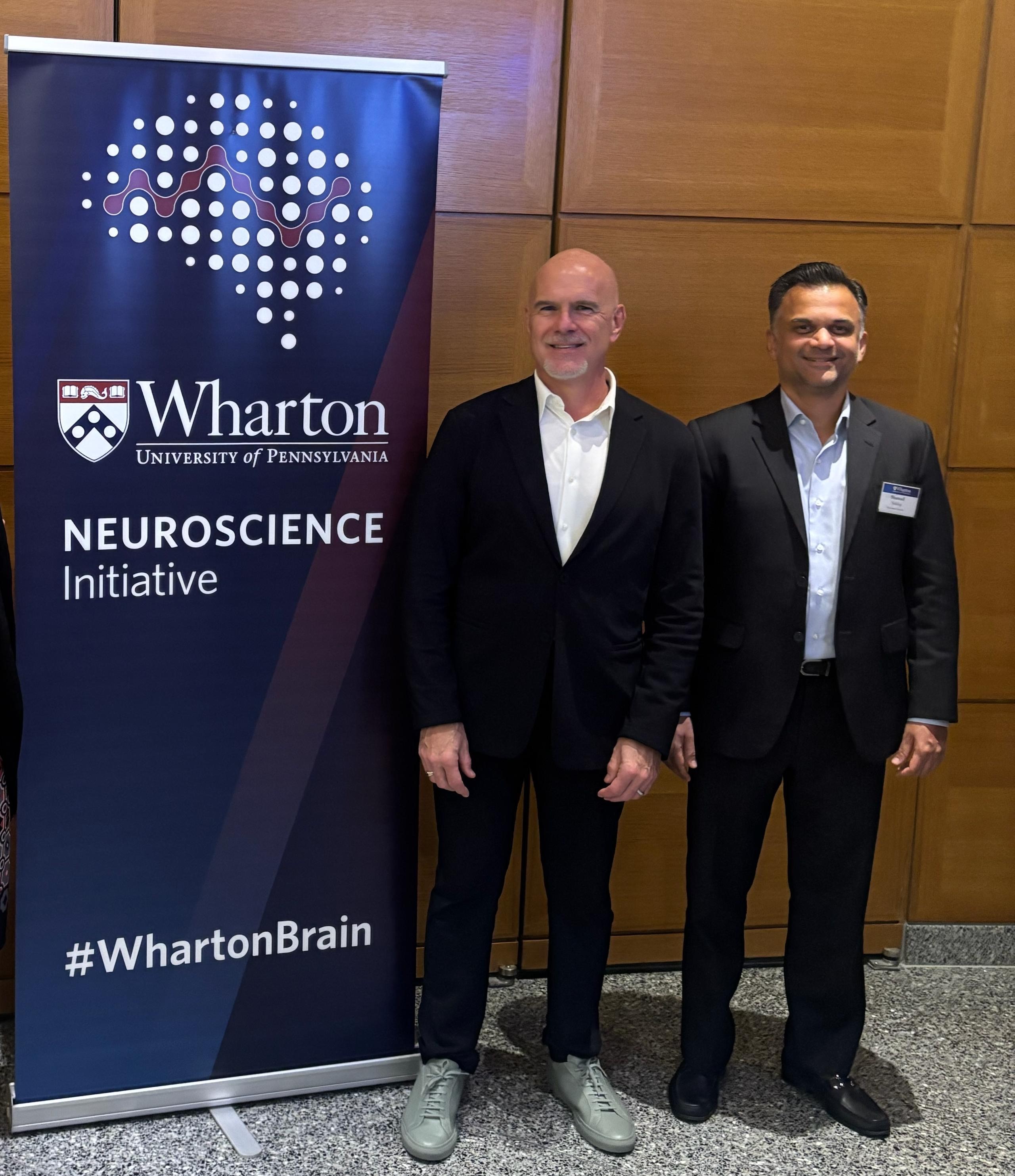
The article argues that as AI absorbs more routine knowledge work, capabilities such as adaptability, judgment, emotional regulation, creativity, collaborative problem-solving and lifelong learning may become increasingly important - and that many of their foundations begin developing much earlier than conventional discussions about workforce preparation suggest.
"AI is forcing us to reconsider what education is ultimately for," said Siddiqi. "If technology can retrieve information, generate content and increasingly personalize instruction, the answer cannot simply be to give children more technology. We have to become much more intentional about developing the human capabilities that technology cannot easily replace."
A different architecture for school
At Masterminds Academy, the response begins with the structure of the learning environment.
Rather than attempting to personalize learning within conventional large classes, the school is designed around groups of approximately five to six students. The objective is to allow teachers to understand how each child thinks, adjust the level and pace of learning, identify when productive struggle should continue and create more opportunities for students to question, explain, discuss and apply what they know.
"Small groups are not simply about giving children more attention," Siddiqi said. "They change the learning environment. A teacher can understand a child much more deeply and create far more opportunities for meaningful interaction, reasoning and mastery."
The model also challenges the conventional separation between academics and what schools often classify as enrichment.
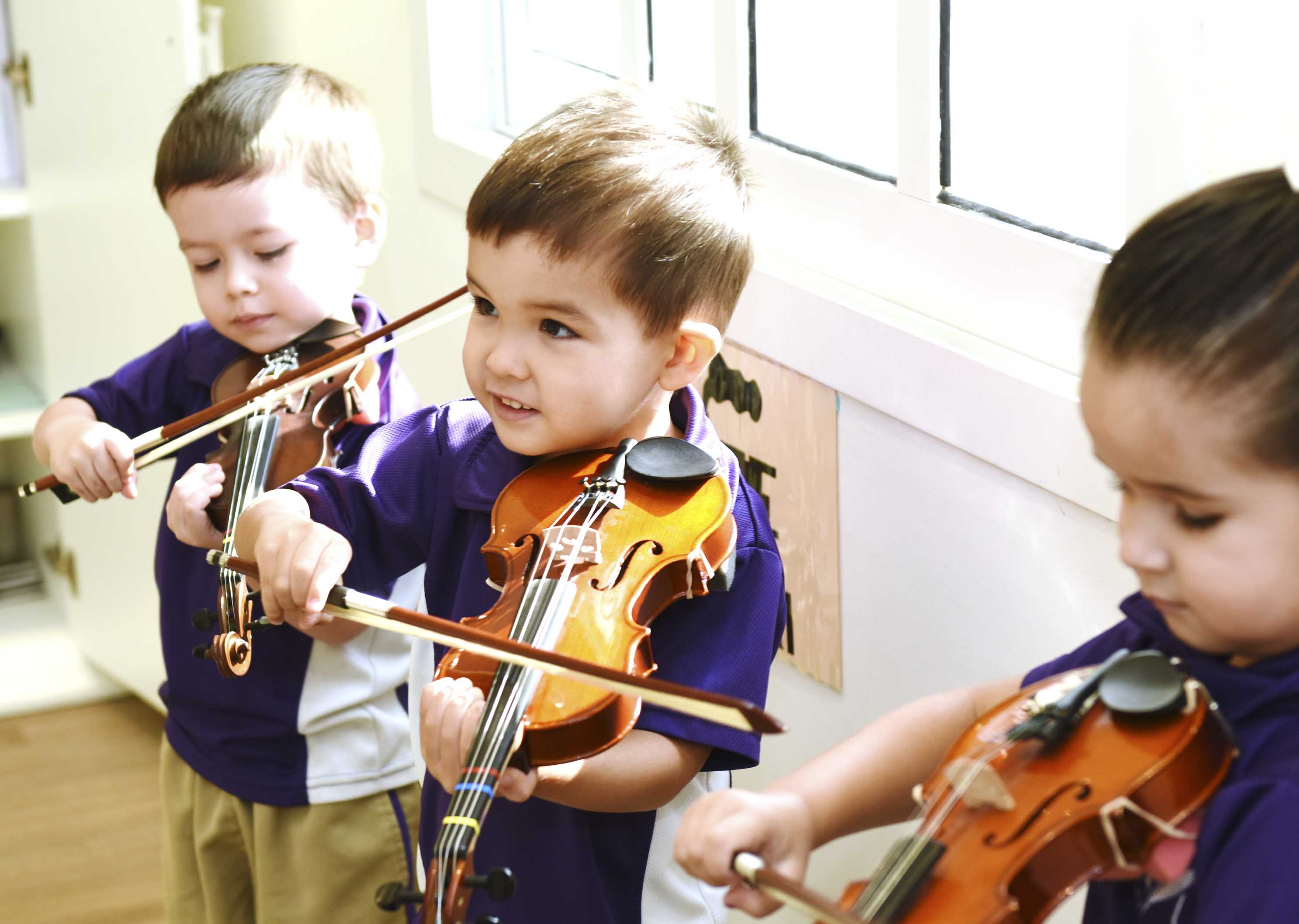
In the Early Years, children encounter rich knowledge-building, literacy and mathematics alongside French and Mandarin, Suzuki violin, movement, gymnastics and creative experiences. As students progress, learning becomes increasingly interdisciplinary, with reading, writing, mathematics, science, history and the arts connected through discussion, experiments, projects and real-world application.
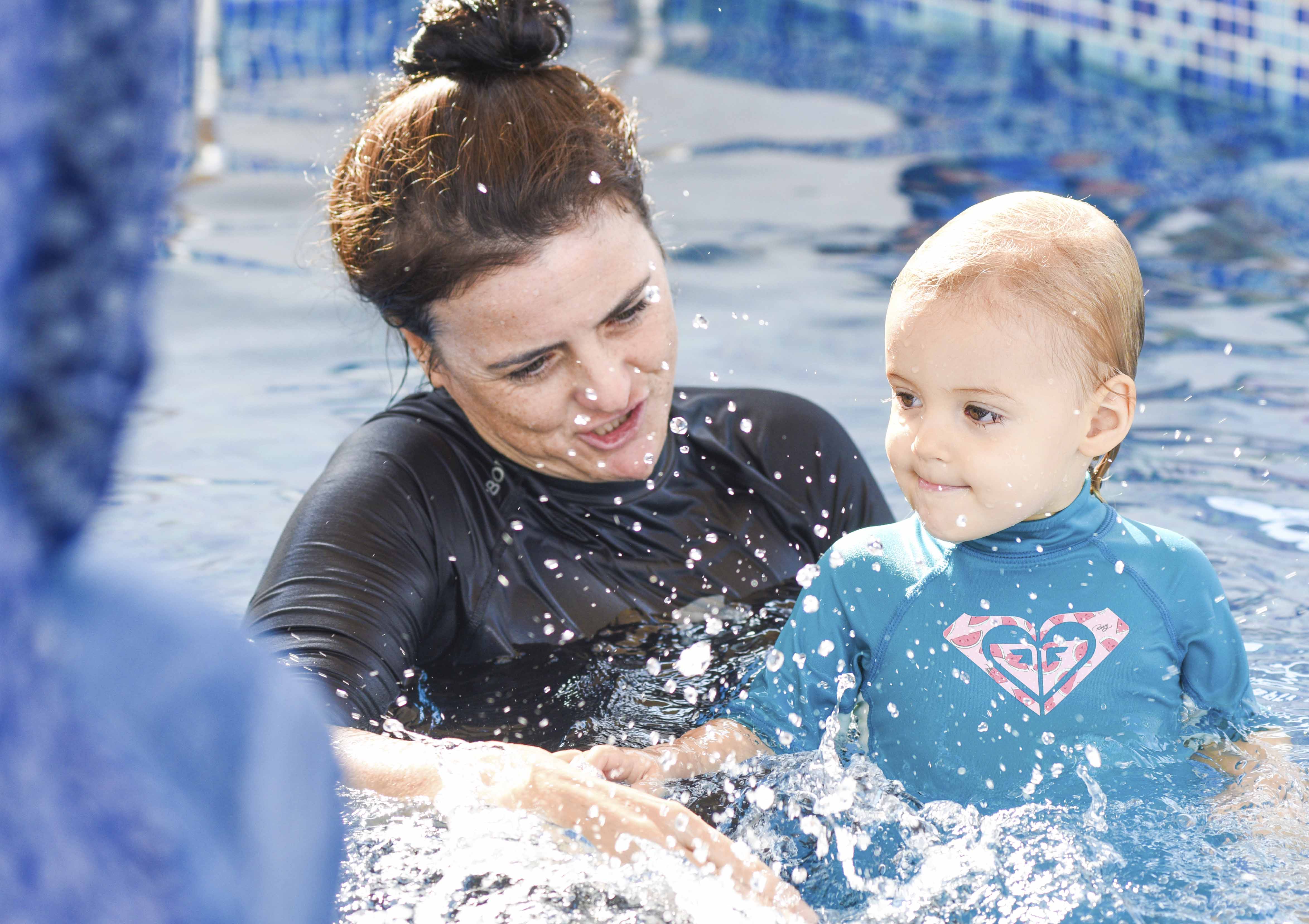
The aim is not to create a longer school day filled with more activities. It is to recognize that intellectual, physical, social, emotional and creative development interact rather than developing independently.
Knowledge still matters when AI knows almost everything
Masterminds also takes a different position from the idea that readily available AI makes traditional knowledge less important.
"Deep knowledge becomes more important in the age of AI, not less," Siddiqi said. "If a child does not understand a subject, they cannot reliably judge whether an AI-generated answer is insightful, superficial or wrong. Knowledge remains essential - but children also have to reason with it, communicate it and create with it."
Students can engage with coding, robotics, design technology and AI fundamentals as they progress through the Elementary program and Middle School, but technology is positioned as one component of a broader human education rather than the organizing principle of the school.
That distinction has particular relevance in Silicon Valley, where families are living at the center of the technological transformation that is driving many of these questions.
"The debate should not be whether schools embrace AI or resist it," Siddiqi said. "The better question is what technology should do for children, what teachers and human relationships must continue to do, and which developmental experiences we should protect precisely because technology is becoming so capable."
Masterminds describes its approach as Deep. Small. Brain-Led. - deep learning rather than superficial coverage, small groups rather than standardized classroom architecture, and an educational model designed around the integrated development of the child.
"We may not know what jobs today's children will eventually have," Siddiqi said. "But we can know the type of mind we want to help develop - knowledgeable, curious, adaptable, confident, socially capable and able to keep learning. That is a much more durable form of preparation for an unpredictable future."
Masterminds Academy is located in Los Altos, California and serves families across Silicon Valley and the San Francisco Peninsula. For more information, visit www.mastermindsacademy.org or apply online.
About Masterminds Academy
Masterminds Academy is a private Early Years through Grade 8 school in Los Altos, California. Developed and refined over more than a decade, its educational model combines learning groups of approximately five to six students with deep interdisciplinary academics, personalized progression, languages, music, movement, athletics, creativity and experiential learning.
The Academy's brain-led approach is designed around the integrated development of intellectual, physical, social and emotional capabilities, with the goal of developing knowledgeable, curious, adaptable and increasingly independent learners.
Editorial / Reference Links
Masterminds Academy - Los Altos, California
Media Contact
Masterminds Academy
Los Altos, California
www.mastermindsacademy.org
Tel: +18006207801
[email protected]
SOURCE: Masterminds Education