



Saturday, 11 April 2026 02:00 PM
Advertorial
An in-depth look at Neuro Salt ingredients, research context, safety considerations, and how botanical formulations are being evaluated for nerve comfort and relaxation support
LARGO, FL / ACCESS Newswire / April 11, 2026 / Disclaimers: This article is paid promotional content and contains affiliate links. It is not independent medical or journalistic reporting. If you click on these links and make a purchase, a commission may be earned at no additional cost to you. This compensation does not influence the accuracy or integrity of the information presented. NeuroSalt is a dietary supplement, not a drug, and has not been evaluated by the FDA to diagnose, treat, cure, or prevent any disease. This is not medical advice - consult a qualified healthcare professional before starting any new supplement, especially if you are pregnant, nursing, taking medication, or managing a medical condition.
Neuro Salt Reviewed: What Consumers Should Know About the "Pink Salt Trick" and Botanical Nerve Support Research
You saw something about NeuroSalt. Maybe it was Facebook, maybe YouTube, maybe Instagram ran the same ad at you three days in a row before you finally clicked through. Something about the way it was framed caught your attention - the pink salt trick, the morning nerve ritual, the idea that there might be a plant-based approach to the kind of persistent tingling, burning, and nerve discomfort that makes daily life harder than it should be.
Now you are here, doing exactly what a careful buyer does before spending their money: looking for honest information.
That is what this guide is for. Not hype in the other direction, and not a wall of legal language that tells you nothing. Just a straight, thorough look at what NeuroSalt actually is, what is inside it, what the published research says about those ingredients, what the pricing and guarantee actually look like, and whether this product is likely to be a reasonable fit for your specific situation.
If it is the right fit, you will know by the end. If it is not, that is genuinely useful information too.
Check current NeuroSalt pricing and availability via our official website
Disclosure: If you buy through this link, a commission may be earned at no extra cost to you.
What Is the Pink Salt Trick - And What Does It Actually Have to Do With NeuroSalt?
If the phrase "pink salt trick" or "morning nerve repair ritual" is what landed you on this page, you are in good company. These two phrases are among the most searched for terms related to NeuroSalt, and it is worth being direct about what they mean - and what they do not - before diving into the product itself.
The pink salt trick is not a clinical term. It does not appear in any peer-reviewed medical research. It is a marketing concept attached to NeuroSalt's advertising campaigns, and it is effective precisely because it creates curiosity: it suggests a specific, simple mechanism involving minerals and botanicals that supports nerve health, and implies that you have not heard of this combination before. People see it, want to understand what is actually behind it, and search for more information. That is the moment this guide is written for.
What the ads are pointing toward - stripped of the creative framing - is the idea that certain botanical compounds may support how the nervous system functions: how it manages stress signals, how it handles the discomfort that comes from overactivated nerve pathways, how it transitions from a state of tension toward rest. The "salt" framing is a hook, not a literal description of the product. NeuroSalt is a five-ingredient botanical supplement - passionflower, marshmallow root, corydalis, prickly pear extract, and California poppy seed - designed around that broader concept.
The "morning nerve repair ritual" is a similar creative frame, built around the practical recommendation that taking the supplement consistently as part of a morning routine gives the botanical ingredients the best chance to accumulate and support the nervous system over time. Consistency is genuinely how botanical supplements work, so the framing is not misleading - it is just packaging a real recommendation in language designed to be memorable and motivating.
Understanding this context matters because it puts you in the right position to evaluate the actual product. The marketing hook got your attention. Now the ingredient research is what should shape your decision.
Read More: What the Pink Salt Trick Research Says About Neuro Salt Supplementation for Nerve Health
What Is NeuroSalt?
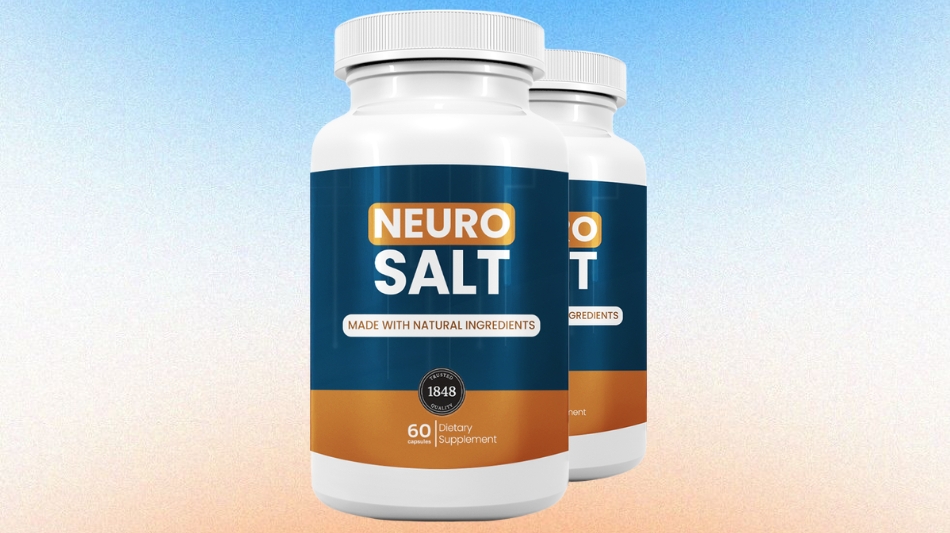
NeuroSalt is a dietary supplement sold by NeuroSalt Research and available through the affiliate product page at improvingourhealth.com. Orders are processed by BuyGoods, a major supplement payment processor. According to the product's published materials, NeuroSalt is produced in the United States in an FDA-registered, GMP-compliant facility and is marketed as free from artificial stimulants and harmful chemical additives.
The formula contains five botanical ingredients: passionflower (Passiflora incarnata), marshmallow root (Althaea officinalis), corydalis (Corydalis yanhusuo), prickly pear extract (Opuntia phaeacantha, at a 20:1 concentration ratio), and California poppy seed (Eschscholzia californica). According to the official website, the recommended use is two capsules daily taken with an 8-ounce glass of water.
The brand positions NeuroSalt around supporting nerve comfort, nervous system relaxation, and sleep quality through a combination of botanical ingredients with documented research interest in these areas. The formula takes a multi-pathway approach rather than targeting a single mechanism, which is consistent with how many practitioners who use botanical supplements describe effective formulation in this category.
This is a dietary supplement. It is not a medication, a prescription product, or intended to diagnose, treat, cure, or prevent any disease. The FDA has not evaluated these statements. Consult your healthcare provider before starting any new supplement, particularly if you take medications or have existing health conditions.
Who Is Actually Looking for a Supplement Like This?
Before the ingredient breakdown, it is worth naming who typically arrives at a product like NeuroSalt - because understanding whether you recognize yourself in the description is the first useful filter.
The largest group is people dealing with persistent nerve discomfort in their hands or feet: tingling that shows up at night and disrupts sleep, a burning sensation in the soles of the feet that has become a background feature of daily life, numbness that comes and goes in fingers or toes, or a general sense that nerve sensitivity has increased in ways that make ordinary comfort harder to find. This experience is common among adults over 50, people managing blood sugar, people who have had chemotherapy, and people whose work involves extended compression or repetitive motion in specific areas. Many in this group have had conversations with their doctor and been offered or prescribed pharmaceutical options. Some took those options and found incomplete relief. Some are exploring whether a botanical supplement approach is worth adding alongside or ahead of prescription-level intervention.
The second group is people dealing with what might be described as a nervous system that does not easily come down: stress accumulates through the day and does not release in the evening, muscles hold tension that does not respond to normal rest, sleep feels lighter than it should, and the body never quite reaches the level of calm that would feel genuinely restorative. These are often working adults in their 40s and 50s who are not in crisis but whose quality of life is consistently dragged down by this ambient physical and mental restlessness.
The third group is people who are looking to give this as a gift - specifically, adult children doing research for a parent or family member experiencing ongoing nerve-related discomfort or sleep disruption, partners looking for something meaningful for a spouse who has mentioned struggling with these issues, or people trying to find a thoughtful Mother's Day option for a mom who would appreciate knowing someone took the time to find something substantive.
All three groups are in the right place with this review. The formula addresses a genuine intersection of nerve comfort, relaxation support, and sleep quality - and the information here applies to all three.
Why Nerve Discomfort, Stress, and Sleep Are Not Separate Problems
This section is not filler. Understanding why these three things are connected is essential context for understanding why NeuroSalt's formula is designed the way it is - and why a single-mechanism approach to nerve comfort often provides less relief than people hope.
When peripheral nerves are persistently irritated - whether from sustained inflammation, blood sugar fluctuations, mechanical compression, or other contributing factors - the nervous system interprets that constant background signaling as a demand for attention. This activates the sympathetic nervous system: the same system responsible for the stress response. The result is that nerve discomfort does not stay confined to the area where it originates. It creates a state of heightened nervous system activation that makes relaxation harder to achieve, keeps sleep lighter and less restorative, and can even intensify the perception of discomfort through a feedback loop between the pain signal and the stress response it triggers.
Sleep disruption then makes everything worse in a specific and documented way. During deep sleep, the nervous system carries out processes that are critical to maintaining nerve function and regulating pain sensitivity. When sleep quality drops - whether due to physical discomfort, an overactive mind, or both - the nervous system spends less time in that restorative state. That means reduced capacity to regulate pain thresholds and reduced ability to downregulate stress responses. The cycle tightens.
This is why formulas that approach nerve comfort from a single angle - say, an ingredient with only pain-signal-modulating properties, without any support for the stress activation or sleep disruption the pain creates - often deliver less complete relief than people hope for. The nervous system is an interconnected system. An effective supportive formula works on multiple pathways simultaneously.
NeuroSalt's five ingredients address this through three distinct but complementary mechanisms: GABA-pathway nervous system calming (passionflower, California poppy, and in part corydalis), pain-signal modulation through dopamine pathway activity (corydalis specifically), and systemic antioxidant and anti-inflammatory support (marshmallow root and prickly pear extract). The full ingredient analysis below examines each of these in detail.
This is not medical advice. If you are experiencing significant or worsening nerve discomfort, tingling, numbness, or pain, consult your healthcare provider. Do not change or discontinue prescribed medications without your physician's guidance and approval.
NeuroSalt Ingredient Analysis: What the Research Actually Says
This is the core of the review. Each ingredient is examined independently, with the published research, the proposed mechanism, and any relevant safety considerations laid out plainly. This is ingredient-level research. NeuroSalt as a finished, combined formula has not been studied in a controlled clinical trial, and ingredient-level findings do not guarantee equivalent outcomes from the finished supplement. Individual responses vary considerably.
Passionflower (Passiflora incarnata) - 145 mg per serving
Note: The milligram amounts listed throughout this ingredient section are taken from the product's Supplement Facts panel as supplied in the brand's product materials. They have not been independently verified against a physical label or third-party Certificate of Analysis.
Passionflower is present at the highest dose in the formula - 145 mg per serving according to the Supplement Facts panel - and carries the most developed human clinical evidence base of the five ingredients. Passiflora incarnata has been studied across multiple contexts for decades, with the most consistent research attention on nervous system calming, anxiety reduction, and sleep quality.
The central proposed mechanism is the GABA pathway. GABA - gamma-aminobutyric acid - is the brain's primary inhibitory neurotransmitter. When GABA activity is properly balanced against excitatory signaling, the nervous system can shift from activation to rest when circumstances call for it. When that balance is disrupted, the nervous system stays in a state of heightened readiness longer than needed: difficulty falling asleep, persistent background anxiety, physical tension that will not release. Research suggests that passionflower's alkaloids and flavonoids may influence GABA receptor activity in ways that support the inhibitory functions enabling the nervous system to downregulate. The mechanism is gentler than pharmaceutical benzodiazepines, which work on the same general pathway, and considerably less potent, which matters for how you set expectations.
On the human clinical side, a double-blind, placebo-controlled study published in Phytotherapy Research examined Passiflora incarnata for sleep quality in 41 healthy adults over seven days. Sleep quality showed a statistically significant improvement compared to placebo, suggesting that even a low dose of P. incarnata may provide short-term sleep benefits for healthy adults with mild fluctuations in sleep quality. A more recent randomized double-blind placebo-controlled clinical study published in Cureus (2024) evaluated Passiflora incarnata extract in participants with documented stress and sleep problems. The passionflower group showed statistically significant reductions in stress scores compared to placebo by day 30, and statistically significant increases in total sleep time - findings maintained through all follow-up measurement visits.
For anxiety specifically, a pilot randomized controlled trial published in the Journal of Clinical Pharmacy and Therapeutics compared passionflower extract to oxazepam (a prescription benzodiazepine) in patients with generalized anxiety disorder over 28 days. Both groups showed comparable reductions in anxiety symptoms. The passionflower group reported fewer side effects related to job performance impairment - a distinction the researchers noted as clinically relevant. This is preliminary data, not a basis for equivalence claims, but it establishes a mechanistic direction with meaningful early support.
A systematic review in Nutrients (2020) evaluated nine clinical trials of P. incarnata across neuropsychiatric applications and found that passionflower consistently demonstrated anxiolytic effects without impairing psychomotor function. The National Center for Complementary and Integrative Health acknowledges that a small but genuine body of research supports oral passionflower for both sleep time improvement and anxiety symptom reduction, while noting that conclusions are not definitive and further research is needed.
In the context of nerve comfort specifically, passionflower's contribution operates through nervous system downregulation rather than direct modulation of pain signals. A less activated nervous system is also less sensitized to discomfort signals, which is the conceptual bridge between passionflower's anxiety and sleep research and its place in a nerve comfort formula.
Safety considerations for passionflower: Generally well tolerated at typical supplement doses. Mild side effects may include drowsiness, dizziness, or digestive upset in sensitive individuals. Because passionflower may enhance the effect of sedative medications, anxiolytic medications, or other central nervous system depressants, anyone taking medications in those categories should specifically discuss passionflower use with their healthcare provider before starting. Not recommended during pregnancy or nursing. Consult your physician before use.
This is ingredient-level research; these findings do not mean NeuroSalt replaces prescribed treatment for anxiety, sleep disorders, or any other condition.
Marshmallow Root (Althaea officinalis) - 110 mg per serving
Marshmallow root is one of the oldest continuously documented medicinal plants available - references to Althaea officinalis appear in medical texts dating back more than 2,800 years, across ancient Greek, Egyptian, and Arabic medical traditions. Its best-known mechanism is mucilage production: polysaccharides that create a protective gel-like coating over mucous membrane surfaces, which is the basis for its traditional use in respiratory and digestive applications.
Within NeuroSalt's formula, the more relevant contribution is marshmallow root's documented anti-inflammatory and antioxidant activity. Research published in Frontiers in Pharmacology (2020) examined the anti-inflammatory and antioxidative effects of Althaea officinalis root extract on macrophages in vitro, finding that the extract demonstrated measurable anti-inflammatory properties and supported the viability of key immune defense cells. A comprehensive 2025 review published in Science Direct on the nutraceutical potential of A. officinalis confirmed that recent scientific studies strongly support its anti-inflammatory and antioxidant activity across multiple study designs and preparations.
The connection to nerve comfort operates through an area of active but still-developing research: the relationship between systemic inflammation and peripheral nerve sensitivity. A growing body of work is investigating whether chronic low-grade systemic inflammation may contribute to increased nerve sensitivity and discomfort over time - and whether reducing that inflammatory load has a meaningful effect on the experience of nerve-related discomfort. This is not settled science, and stating it as such would overreach. But it provides a plausible and research-grounded rationale for including an ingredient with documented anti-inflammatory properties in a formula designed for nerve comfort and nervous system support.
Marshmallow root's bioactive compounds include flavonoids, phenolic acids, coumarins, phytosterols, and the mucilage polysaccharides, all of which contribute to its antioxidant profile and may work synergistically to reduce oxidative load in tissues under sustained pressure.
Safety considerations for marshmallow root: Generally considered safe at typical supplement doses and listed as Generally Recognized As Safe (GRAS) by the FDA for food use. The mucilage properties may slow the absorption of medications taken at the same time - taking marshmallow root supplements at least one to two hours apart from other medications is a common practical recommendation. Pregnant women should consult a healthcare provider before use. Consult your physician before starting any new supplement.
This is ingredient-level research; NeuroSalt as a finished product has not been clinically studied.
Corydalis (Corydalis yanhusuo) - 100 mg per serving
Corydalis yanhusuo is, from a pharmacological standpoint, the most distinctive ingredient in this formula - and the one most directly relevant to the nerve-discomfort-focused audience this product reaches. Known as Yanhusuo in traditional Chinese medicine, it has been used for more than 7,000 years and is officially listed in the Chinese Pharmacopoeia. Modern biochemical research has characterized its primary active compounds as alkaloids, most importantly tetrahydropalmatine (THP) and dehydrocorybulbine (DHCB), which operate through mechanisms rarely found in Western botanical supplements.
THP interacts with dopamine and GABA receptors in the central nervous system - two neurotransmitter systems directly involved in pain perception, mood regulation, and sleep architecture. DHCB has been studied specifically for antinociceptive properties: its ability to modulate pain signal processing. Research characterizes DHCB as acting via dopamine D2 receptor antagonism, a mechanism distinct from both opioid receptor binding and simple GABA modulation. The practical significance of the opioid distinction is that the lack of opioid receptor binding suggests a different risk profile regarding tolerance and dependency compared to opioid-based analgesics.
The most methodologically rigorous preclinical evaluation of corydalis for pain applications was conducted by researchers at the University of California, Irvine and published in PLOS ONE. The team systematically tested corydalis yanhusuo extract across three standardized pain models: acute pain, persistent inflammatory pain, and chronic neuropathic pain. Activity was observed across all three models. Critically, the researchers also tested for tolerance development across repeated administration sessions and found that corydalis extract maintained its potency while morphine, used as a comparison reference, lost its potency due to tolerance. The lead researcher stated that corydalis extract might be considered as an adjunct approach for low to moderate chronic pain, explicitly noting it is not highly potent compared to pharmaceutical analgesics.
A comprehensive review of the analgesic properties of C. yanhusuo published in PMC (2021) documented more than 160 compounds isolated from the plant, with over 80 alkaloids identified and multiple pharmacological activities documented at the preclinical level, including analgesic, sedative, and anti-anxiety effects.
For nerve comfort specifically, corydalis is the ingredient in NeuroSalt with the most direct preclinical research connection to pain-signal modulation, including in neuropathic pain models specifically. This does not mean NeuroSalt treats neuropathy. No disease claim is made or supported. It means the ingredient has documented preclinical research interest directly relevant to the experience that motivates many people to search for nerve support supplements in the first place.
Important safety note on corydalis: Published medical literature has documented cases of THP-associated toxicity, including acute hepatitis and liver injury. These cases are rare in the available literature, but they represent a documented safety signal that you deserve to know about plainly. Anyone with existing liver conditions, elevated liver enzymes, or a history of liver disease should discuss corydalis use specifically with their healthcare provider before starting NeuroSalt. It is also advisable to avoid corydalis while taking medications that affect liver function and to minimize alcohol use while supplementing. Some individuals also report vertigo, fatigue, or nausea. Not recommended during pregnancy or nursing. This safety information is not exhaustive - consult your physician before starting, particularly if you have any liver-related health history, take prescription medications, or consume alcohol regularly.
This is ingredient-level research; these findings do not mean NeuroSalt replaces prescribed pain management, neuropathy treatment, or treatment for any condition.
Prickly Pear (Opuntia phaeacantha) 20:1 Extract - 50 mg per serving
Prickly pear from the Opuntia genus is a cactus native to the Americas with an extensive ethnobotanical history across Mexican, Native American, and Mediterranean traditional medicine systems. In NeuroSalt's formula it appears as a 20:1 concentrated extract - meaning each 50 mg of extract represents the bioactive equivalent of approximately 1,000 mg of raw material, delivering a higher density of the bioactive compounds responsible for prickly pear's studied effects.
Those compounds include betalains (particularly indicaxanthin and betanin, the pigments that give prickly pear its distinctive coloring), flavonoids including quercetin and kaempferol, phenolic acids, and vitamin E - making prickly pear one of the more antioxidant-dense botanicals available in supplement form. Research published in Food and Nutrition Research (2018) examined the effects of short-term cactus pear supplementation in 28 healthy adults using a randomized crossover design. Compared to control periods, the cactus pear supplementation significantly decreased multiple pro-inflammatory markers - including TNF-alpha, IL-1beta, IL-8, C-reactive protein, and erythrocyte sedimentation rate - while simultaneously increasing the anti-inflammatory marker IL-10. The researchers concluded that cactus pear modulates both inflammatory markers and antioxidant status in a direction associated with improved health outcomes.
A comprehensive review published in PMC titled Nopal Cactus as a Source of Bioactive Compounds for Nutrition, Health and Disease identified the natural cactus compounds as demonstrating biologically relevant anti-inflammatory, antioxidant, and neuroprotective properties, describing neuroprotective research as an active frontier warranting ongoing investigation. Research in Frontiers in Pharmacology found prickly pear extracts demonstrated antioxidant and anti-inflammatory activity, including significant inhibition of reactive oxygen species and key inflammatory markers in in vitro assays at levels comparable to reference compounds.
Within NeuroSalt's formula, prickly pear functions as the primary systemic antioxidant and anti-inflammatory support - working at the cellular level to reduce oxidative load and modulate inflammatory signaling in the physiological environment where the nervous system operates.
Safety considerations for prickly pear: Generally considered safe at supplement doses and commonly consumed as a food across many cultures with no significant safety concerns at normal intake levels. Individuals taking blood glucose-lowering medications should note that Opuntia extracts have demonstrated hypoglycemic activity in research, creating a potential for additive effects. Discuss with your healthcare provider if you take any blood sugar management medications. Consult your physician before starting any new supplement.
This is ingredient-level research; NeuroSalt as a finished product has not been clinically studied.
California Poppy (Eschscholzia californica) Seed - 45 mg per serving
California poppy warrants upfront clarification because its botanical family creates frequent confusion: Eschscholzia californica belongs to the Papaveraceae family - the same family as the opium poppy. It is, however, chemically and pharmacologically distinct in every meaningful way. California poppy contains none of the opioid alkaloids found in Papaver somniferum (morphine, codeine, thebaine). It is not a scheduled substance. It does not cause opioid-style effects or dependency.
The active alkaloids in California poppy are structurally unrelated to opioids - they include eschscholtzine, californidine, protopine, and allocryptopine - and the research into their mechanisms points toward GABA-A receptor modulation and possibly mild interactions with benzodiazepine receptor sites, contributing to anxiolytic and mild sedative effects through the same general pathway as passionflower but with a distinct alkaloid profile. In vitro studies exploring binding affinity at GABA receptor sites have shown results suggesting California poppy alkaloids may contribute to nervous system calming through these pathways.
California poppy has been used in Native American traditional medicine for its calming and sleep-supportive properties for centuries, and it is included in the pharmacopoeias of several European countries as a mild sedative and analgesic herb. Human clinical trial data specifically on isolated California poppy supplementation is thinner than the passionflower evidence base - most research is preclinical or in vitro, and the traditional use record provides important context that preclinical studies begin to explain mechanistically.
California poppy is present at 45 mg per serving - the lowest dose of the five ingredients according to the product's Supplement Facts panel. Its role appears to be as a complementary GABA-pathway calming ingredient alongside passionflower, with possibly mild analgesic properties from its own distinct alkaloid chemistry - contributing to the formula's multi-ingredient approach to nervous system comfort through a mechanism that overlaps with but is not identical to passionflower's.
Safety considerations for California poppy: Generally considered safe at typical supplement doses. Like the other GABA-pathway ingredients in this formula, it may have additive effects when combined with sedative medications, benzodiazepines, prescription anxiolytics, or alcohol. Anyone taking medications in those categories should discuss this ingredient specifically with their healthcare provider before starting. Not recommended during pregnancy or nursing. Consult your physician before starting any supplement, particularly if you take sedative-class medications.
This is ingredient-level research; NeuroSalt as a finished product has not been clinically studied. These findings do not mean NeuroSalt replaces prescribed treatment for any condition.
How These Five Ingredients Work as a System
The formula's design logic becomes clearer when you look at all five ingredients together rather than individually.
Three of the five - passionflower, California poppy, and corydalis - work through or adjacent to the GABA pathway, supporting the nervous system's capacity to shift from activation to rest. Passionflower carries the strongest clinical evidence for this. California poppy contributes a complementary but distinct alkaloid profile within the same general pathway. Corydalis adds dopamine D2 receptor activity, which influences pain signal processing and mood regulation in addition to its GABA-adjacent calming properties.
Marshmallow root and prickly pear extract work at the systemic level, delivering anti-inflammatory and antioxidant support to the broader physiological environment in which the nervous system operates. If chronic low-grade inflammation contributes to increased nerve sensitivity over time - a relationship that emerging research continues to investigate - then reducing that inflammatory load may support nerve comfort through a slower but mechanistically distinct pathway.
The architecture is three converging pathways: nervous system calming, pain-adjacent signal modulation, and systemic anti-inflammatory and antioxidant support. Whether the specific doses used in this formula are individually sufficient to produce measurable effects in each person, and whether the combination produces effects that are additive or synergistic, are questions that finished-product clinical research would need to answer - and that research does not currently exist for this specific formula.
NeuroSalt, as a finished product, has not been clinically studied. Individual responses vary. Consult your physician before starting.
View current NeuroSalt pricing and bundle options via our official website
What Honest Expectations Look Like
If you are reading this because you are frustrated - months of tingling that will not stop, years of burning feet that conventional medicine has managed with limited satisfaction, a body that cannot seem to release its tension at the end of a long day - you deserve an honest answer about what a botanical supplement can and cannot do.
It cannot replicate the blunting effect of gabapentin or the immediacy of a prescription anxiolytic. Botanical mechanisms are gentler, slower, and more variable than pharmaceutical mechanisms. If you are currently under active medical care for a significant nerve condition and the treatment is not working, the right conversation is with your physician - not with a supplement.
What a well-formulated botanical supplement can offer is a meaningful supportive role in a broader approach to managing everyday nerve discomfort, physical tension, and sleep quality - when it contains ingredients with genuine research interest behind them, when it is taken consistently as directed, and when expectations are grounded in what botanical pharmacology actually does. Some people notice changes in the first few weeks of consistent use. Others need longer. Some notice nothing at all. That variability is real and unavoidable.
The honest context that matters most: supplements work best as part of a complete picture. Sleep hygiene, physical activity appropriate for your condition, a diet that supports rather than inflames the nervous system, stress management practices - these are the foundations. A supplement is a supportive layer added to those foundations, not a substitute for them. A person who has those foundations reasonably in place is in a genuinely better position to assess whether NeuroSalt adds something meaningful to their daily routine.
Results are not guaranteed. This is not medical advice.
What the Current Research Landscape Actually Looks Like
This section matters because one of the most important things you can know before buying any supplement is where the evidence actually sits - not where the marketing implies it sits. Being honest about the research landscape is part of what makes this review useful rather than just another piece of promotional content.
Passionflower (Passiflora incarnata) is, by the standards of botanical supplement research, genuinely one of the better-evidenced options in the relaxation and sleep support category. It has multiple human clinical trials across different study designs, a 2020 systematic review in the peer-reviewed journal Nutrients evaluating nine separate clinical trials, and acknowledgment from the National Center for Complementary and Integrative Health that preliminary positive human evidence exists for anxiety and sleep applications. Practitioners who work with botanical supplements regularly describe passionflower as one of the few herbs in this category where there is enough clinical signal to support its use with reasonable confidence. "Preliminary positive evidence" is not the same as "definitively proven" - the evidence base would benefit from larger trials and more standardized dosing research - but it is meaningfully above what most botanical supplement ingredients can claim.
Corydalis yanhusuo is in a different position. Its preclinical research profile is compelling - the UC Irvine PLOS ONE study is methodologically rigorous for a botanical pharmacology study, and the nontolerance-forming finding is particularly noteworthy. The traditional use record in Chinese medicine spans thousands of years and has been documented consistently. What is thinner is the human clinical trial base specifically for isolated corydalis supplementation in Western populations. Translating preclinical results to human outcomes always involves uncertainty, and this ingredient would benefit from more controlled human trials. For now, the preclinical evidence provides a plausible mechanistic foundation, and the traditional use record provides practical context, but the human clinical validation that passionflower has accumulated is not yet there for corydalis to the same degree.
Prickly pear (Opuntia) has solid human evidence specifically in the anti-inflammatory and antioxidant domain. The randomized crossover study in Food and Nutrition Research is well-designed for a nutrition study and demonstrates measurable effects on inflammatory biomarkers in healthy adults. The neuroprotective research is more preliminary - it exists as a research direction, not as an established finding. The anti-inflammatory and antioxidant effects are the more settled part of the evidence base.
Marshmallow root (Althaea officinalis) brings 2,800-plus years of traditional use and a growing modern research interest primarily in anti-inflammatory, antioxidant, and gastroprotective activity. Its role in a nerve comfort formula is indirect - working through general systemic anti-inflammatory pathways rather than nerve-specific mechanisms. The logic is plausible; the specific clinical validation for nerve comfort applications does not yet exist as a distinct research category.
California poppy has the thinnest human clinical evidence of the five. The traditional use record is substantial and consistent across history. Mechanistic preclinical work suggests GABA receptor interactions. But the controlled human trials specifically validating California poppy supplementation for relaxation or nerve comfort are limited compared to the other ingredients in this formula. It rounds out the formula's multi-pathway approach with a complementary mechanism, but it should not be the ingredient that anchors someone's purchasing decision.
What this adds up to overall: an ingredient lineup that is relatively well-supported at the ingredient level compared to many products in this category - anchored by passionflower as the strongest-evidenced component, supported by corydalis with a distinctive preclinical profile, and rounded out by three ingredients with varying levels of clinical validation. It is worth noting that evidence quality varies significantly across botanical supplements generally, and many products on the market contain ingredients with little to no large-scale human trial data at all - which is part of why evaluating each ingredient independently, as this review does, matters before making a purchasing decision. No finished-product clinical trial exists for NeuroSalt. The honest summary is that the ingredient research is more substantive than most competing formulas in this space, but that does not make it a clinically validated treatment. It makes it a thoughtfully assembled botanical supplement with meaningful ingredient-level research interest.
Understanding this distinction is what allows you to approach the product with accurate expectations - which is the foundation for making a genuinely good decision about whether to try it.
Honest Expectations: What Botanical Supplementation Can and Cannot Do
People who arrive at nerve comfort supplements from a place of genuine frustration - months of tingling that disrupts sleep, years of burning sensations that conventional medicine has addressed with incomplete success - sometimes arrive with expectations calibrated in the wrong direction. It is worth addressing both common miscalibrations directly.
The first miscalibration is expecting pharmaceutical-level results from a botanical supplement. Gabapentin works through calcium channel modulation in ways that can significantly reduce neuropathic pain signals quickly and powerfully. Botanical supplements work through gentler, slower, more variable mechanisms. If you are currently under active medical care for a significant nerve condition and the pharmaceutical treatment is not providing adequate relief, the answer is a different or adjusted medical treatment, which is a conversation for your healthcare provider, not a botanical supplement.
The second miscalibration runs the other direction: assuming that because something is sold as a supplement rather than a drug, it must be doing nothing pharmacologically meaningful. That assumption is also wrong. Passionflower has statistically significant effects in human randomized controlled trials. Corydalis alkaloids have been shown to have antinociceptive activity in standardized pain models. Prickly pear supplementation shifts inflammatory biomarkers in measurable directions in human adults. These are not placebo findings.
The accurate frame is between these two positions. A well-formulated botanical supplement, taken consistently and cleared by a healthcare provider, may provide a meaningful supportive role for people managing everyday nerve discomfort, tension, and sleep quality - when the person taking it has foundational health factors reasonably in order, understands what they are buying, and has realistic expectations about timeline and variability.
The foundational health factors deserve emphasis because they are genuinely more important than any supplement. Blood sugar management affects peripheral nerve health directly. Consistent sleep allows the nervous system to carry out essential maintenance processes. Physical activity appropriate for your condition supports circulation and reduces systemic inflammation. A diet heavy in processed foods and alcohol creates the exact inflammatory conditions that make nerve discomfort worse. No supplement - regardless of how well-formulated it is - compensates meaningfully for foundational neglect. Supplements add value at the margin for people who already have a reasonable foundation. They do not substitute for it.
With those expectations grounded, NeuroSalt's ingredient profile is worth serious consideration for the right person in the right context. And the 60-day satisfaction guarantee per the company's published policy means that if you try it consistently and find it does not add meaningful value to your routine, the financial risk of the evaluation is bounded.
This is not medical advice. Consult your physician before starting any new supplement.
What NeuroSalt Is Not
This section exists because the category attracts marketing that can generate unrealistic expectations, and part of genuinely serving the reader is being direct about boundaries.
NeuroSalt is not a medication. It is a dietary supplement. Under FDA regulations, dietary supplements cannot be marketed to diagnose, treat, cure, or prevent any disease. The ingredients have their own bodies of research, but that research does not establish that NeuroSalt as a finished product treats neuropathy, peripheral nerve damage, anxiety disorders, sleep disorders, or any other diagnosed medical condition.
NeuroSalt is not a replacement for prescribed treatment. If your healthcare provider has you on a specific treatment plan for a nerve condition, pain condition, anxiety disorder, or sleep disorder, that plan represents their professional clinical judgment about your specific situation. Nothing in this article or in NeuroSalt's formula changes that clinical picture. Do not reduce or discontinue prescription medications based on starting a supplement. Any changes to your treatment belong to a conversation with your physician.
NeuroSalt is not an immediate-relief product. The botanical mechanisms in this formula are accumulative and gradual. People who report noticing changes describe timelines of weeks, not days. Some people report noticing nothing. Results are not guaranteed for any individual.
Understanding these limits clearly is what makes an honest evaluation of NeuroSalt possible - and what makes it possible to decide whether trying it makes sense for your specific situation.
NeuroSalt May Align Well With People Who:
Are looking for a multi-ingredient botanical supplement to support everyday nerve comfort and nervous system relaxation: The five-ingredient formula brings together research-referenced botanicals oriented around nerve discomfort, relaxation, and sleep quality. For people interested in a plant-based approach to everyday nervous system wellness - who have consulted with their healthcare provider - the ingredient profile is consistent with that goal.
Experience nerve discomfort or tingling that disrupts sleep: The combination of GABA-pathway botanicals alongside the anti-inflammatory support from marshmallow root and prickly pear specifically addresses the connection between nerve discomfort and sleep disruption, which is often where this experience is most difficult to manage.
Have addressed foundational health factors and are looking for a complementary botanical layer: Supplements in this category tend to add the most value when the person taking them has sleep, diet, and activity reasonably in order. People who are already doing that foundational work are better positioned to notice whether a supplement makes a difference.
Are exploring non-pharmaceutical options as part of a conversation with their healthcare provider: Many people in this category are specifically looking for approaches that do not involve adding more pharmaceutical medications to their routine - particularly those who have been offered prescription-level nerve medications and want to explore whether a botanical supplement approach is worth trying first or alongside. This is a legitimate and common decision, and NeuroSalt's ingredient profile is directly relevant to it. That decision, however, belongs between you and your physician.
Are considering this as a gift for a parent or family member dealing with nerve discomfort: The formula, the 60-day satisfaction guarantee per the company's published policy, the straightforward ordering process, and the five bonus digital guides included with the three and six-bottle packages make this a substantive gift option for a family member who has mentioned struggling with tingling, burning, or related nerve discomfort. The guarantee structure means the recipient can return it if they find it is not helpful, per the company's published terms.
Other Options May Be Preferable For People Who:
Have a diagnosed nerve condition under active medical management: Peripheral neuropathy and related conditions are medical diagnoses requiring medical oversight. NeuroSalt is a dietary supplement, not a treatment for any diagnosed condition. If your healthcare provider has you on a treatment plan, that plan takes precedence. Discuss any supplement additions with your provider before starting.
Have liver conditions or consume significant amounts of alcohol regularly: The corydalis component carries documented case reports of liver-related adverse effects in the published literature - rare but real. This is not a theoretical safety note. Anyone with liver disease, elevated liver enzymes, or significant alcohol use should not start NeuroSalt without an explicit conversation with their healthcare provider specifically about this ingredient.
Take prescription sedatives, benzodiazepines, anxiolytics, or other CNS depressants: Three ingredients in this formula have GABA-modulating or sedative properties. If you take any medications in those categories, your prescribing physician needs to evaluate the potential for additive effects before you start.
Are pregnant or nursing: Several ingredients in this formula, including passionflower, corydalis, and California poppy, carry clear recommendations against use during pregnancy and nursing. This product is not appropriate for this population unless explicitly cleared by an OB/GYN who has reviewed the full ingredient list.
Need clinical-trial-level evidence on the complete finished product: NeuroSalt as a finished formula has not been studied in a controlled clinical trial. The evidence is at the ingredient level only. If finished-product clinical trial data is a requirement for your purchasing decision, this product does not currently meet that standard.
Questions to Ask Yourself Before You Decide
Before choosing any nerve comfort supplement, consider these honestly. Have you discussed the specific ingredients in this formula - particularly corydalis - with your healthcare provider, especially in relation to your current medications and health history? Do you understand clearly that this is a dietary supplement and not a treatment for any diagnosed condition, and is that consistent with your expectations? Are you prepared for the real possibility that individual responses vary considerably, and that some people notice nothing? Do you have any history of liver conditions or regular significant alcohol use that warrants discussing the corydalis ingredient specifically with your doctor before starting? And are you approaching this as a complement to foundational health practices rather than as a standalone solution?
Your honest answers to these questions are the most useful guide to whether NeuroSalt is worth trying for your specific situation.
Pricing, Packages, and What the Guarantee Actually Says
According to the affiliate product page, the supplement is currently available in three configurations. All pricing was verified directly from the live product page in April 2026 and is subject to change - always confirm current pricing before purchasing.
The two-bottle package provides a 60-day supply at $79 per bottle, for a total of $158 plus shipping. This is the entry-level option according to the official website.
The three-bottle package provides a 90-day supply at $69 per bottle, for a total of $207 with free US shipping. The official website designates this as the "Most Popular" option.
The six-bottle package provides a 180-day supply at $49 per bottle, for a total of $294 with free US shipping. The official website designates this as the "Best Value" option with the biggest per-bottle discount. According to the brand's FAQ, a six-month period allows the ingredients to work consistently in the system, and the official website presents this as their recommended option.
According to the official website, the three-bottle and six-bottle packages include five free digital bonus guides: a Nerve Renew Guide, a Natural Nerve Recovery guide, a Fortifying Vitamins recipe guide, a Renewed Nerves Challenge, and a Personalized Usage Guide. These are instant digital downloads included with qualifying orders.
View current NeuroSalt pricing and package options via our official website
Regarding the guarantee: according to the company's published return policy at yourorderwasconfirmed.com/returns, orders are protected by a 100% money-back guarantee for 60 days from the date of delivery. If you are not satisfied, email [email protected] with "Refund Request" in the subject line within 60 days of delivery. Return all bottles - including empty ones - to: 11870 62nd St N, Largo, FL 33773. Include your full name, email, and order ID with the return. Per the published policy, return shipping costs are the buyer's responsibility. Refunds are processed within 5-10 days after the returned package is received. Always verify the current guarantee terms on the official product page before ordering, as policies are subject to change.
For questions about your order or the product, contact the company at [email protected] or +1 (507) 448-8190. Verify current contact details on the official support page before reaching out.
Manufacturing and Third-Party Testing
According to the official NeuroSalt website, the product is produced in the United States in an FDA-registered facility, manufactured in compliance with GMP (Good Manufacturing Practice) standards, contains only naturally derived ingredients without artificial stimulants or harmful chemical additives, and is marketed as non-GMO. The website displays badges consistent with these claims.
GMP compliance is worth understanding in the right context. It is the regulatory minimum for supplement manufacturing in the United States, required by FDA regulations covering production quality, purity, and identity verification. It is an important signal - it means the manufacturer is subject to regulatory oversight and must meet baseline standards. It is not, however, a guarantee of specific potency or purity at the individual-capsule level, as independent third-party Certificates of Analysis (COAs) do.
At the time of publication, third-party Certificate of Analysis data is not published publicly on the affiliate product page. Consumers who prioritize independent third-party lab verification before purchasing should contact the brand directly at [email protected] or +1 (507) 448-8190 to request current testing documentation.
How NeuroSalt Compares to Other Approaches
People researching NeuroSalt typically compare it to several alternatives at the same time. An honest comparison clarifies what distinguishes this formula from the other options available.
Single-ingredient passionflower supplements are available at lower price points and give you the ingredient with the strongest human clinical evidence in NeuroSalt's formula, isolated. The tradeoff is a single mechanism - GABA pathway modulation only - without the corydalis dopamine-pathway activity, the anti-inflammatory support from marshmallow root and prickly pear, or the complementary California poppy alkaloids. For people who have responded well to passionflower alone, a standalone product may be sufficient. For people drawn to the multi-pathway approach, the combination formula covers more ground.
Alpha lipoic acid and B-vitamin formulas (benfotiamine and methylcobalamin in particular) are among the most frequently recommended supplement approaches for nerve comfort support by practitioners who use supplements in this area. This combination targets nerve-specific micronutrient support and antioxidant protection through mechanisms entirely different from NeuroSalt's botanical alkaloid approach. These two approaches are not competing - many people use both - but understanding the distinction matters. NeuroSalt works through botanical alkaloid and polyphenol pathways; ALA and B-vitamin formulas work through micronutrient and specific antioxidant pathways. If you have not already explored the B-vitamin approach, it may be worth discussing with your healthcare provider alongside or before considering NeuroSalt.
Ashwagandha-based formulas have a robust body of human clinical trial data for the cortisol and HPA axis stress response - specifically for supporting resilience under chronic psychological stress. For people whose primary concern is burnout-style stress activation rather than nerve-specific discomfort, ashwagandha may be better matched to that specific mechanism. NeuroSalt's differentiation is in its botanical alkaloid combination, particularly corydalis, which brings pain-adjacent signaling modulation that ashwagandha formulas do not address.
Prescription medications for nerve pain (gabapentin, pregabalin) operate through calcium channel modulation in the central nervous system and carry clinical trial data supporting their use for specific types of neuropathic pain. They also carry documented risks, including dizziness, sedation, weight gain, and physical dependence with long-term use. The decision about whether to use prescription medications belongs entirely to you and your physician. What this review can say is that NeuroSalt operates through entirely different mechanisms and is not an equivalent substitute for prescription treatment for clinically diagnosed nerve conditions. This comparison is informational only and not a recommendation to substitute any supplement for prescribed medical treatment.
Related: NeuroSalt Formula Investigation Reveals Vital Truth About Neuro Salt Supplementation
Frequently Asked Questions
Is NeuroSalt FDA-approved?
No. NeuroSalt is a dietary supplement. Dietary supplements are not reviewed or approved by the FDA before they are marketed. Under DSHEA regulations, manufacturers are responsible for ensuring their products are safe and properly labeled, and must produce them in GMP-compliant facilities. According to the official website, NeuroSalt is manufactured in a GMP-compliant, FDA-registered facility in the United States.
What is the pink salt trick and does it actually work?
The pink salt trick is a marketing concept used in NeuroSalt's advertising campaigns - not a clinical term or medical protocol. It is a creative frame designed to generate curiosity about the product's botanical ingredient combination. NeuroSalt is a five-ingredient botanical supplement. The ingredient-level research is reviewed in full above. Whether that research translates to a meaningful individual experience depends on many factors that cannot be predicted in advance.
Does NeuroSalt contain opioids or controlled substances?
No. While the formula includes California poppy (Eschscholzia californica), this plant is chemically and pharmacologically distinct from opium poppy (Papaver somniferum) and contains none of the opioid alkaloids found in that plant. NeuroSalt contains no controlled substances.
How should NeuroSalt be taken?
According to the official brand website, the recommended use is two capsules daily with an 8-ounce glass of water. The brand's FAQ suggests that consistent daily use over six months represents the ideal timeline to allow the ingredients to work consistently in the system.
How long before someone might notice something?
The brand does not publish a specific week-by-week guaranteed timeline, which is appropriate for a botanical supplement. Based on how these types of formulas are generally discussed in research and practice contexts, some people report noticing changes in the first few weeks of consistent use. Others need longer. Some notice nothing. Individual timelines vary based on age, baseline health, metabolism, and many other factors. Results are not guaranteed.
Are there bonuses included with the purchase?
According to the official website, the three-bottle and six-bottle packages include five free digital bonus guides as instant downloads: the Nerve Renew Guide, Natural Nerve Recovery, Fortifying Vitamins, the Renewed Nerves Challenge, and a Personalized Usage Guide. The two-bottle package does not appear to include these bonuses per the official website. Verify current offer terms before ordering.
Is NeuroSalt appropriate for people managing blood sugar?
Blood sugar management is a medical concern that requires medical oversight. Two considerations are specifically relevant: corydalis carries rare but documented liver safety signals that warrant physician review for anyone taking medications that affect liver function, and prickly pear extract has demonstrated hypoglycemic activity in research, meaning there may be additive effects when combined with blood glucose-lowering medications. Anyone managing blood sugar through medication should discuss the full NeuroSalt ingredient list with their healthcare provider before starting.
Is this a good Mother's Day gift for a parent dealing with nerve discomfort?
Many people researching NeuroSalt are doing so on behalf of a parent or family member dealing with tingling, burning, or nerve discomfort. The five-ingredient botanical formula, the 60-day satisfaction guarantee per the company's published policy, the five bonus digital guides included with multi-bottle orders, and the straightforward ordering process make it a substantive consideration for this purpose. The guarantee provides a defined window for the recipient to assess whether the supplement is helpful, with a clear refund process per the company's stated terms. Verify current guarantee terms and pricing on the official website before purchasing.
What if it does not work?
According to the company's published refund policy, NeuroSalt is backed by a 60-day money-back guarantee from the date of delivery. Email [email protected] with "Refund Request" in the subject line within 60 days of delivery. Return all bottles, including empty ones, to 11870 62nd St N, Largo, FL 33773. Return shipping is the buyer's responsibility per the published policy. Refunds are processed within 5-10 days of the returned package being received. Verify current refund terms before purchasing, as policies are subject to change.
How to Get Started
If you have read through this review, spoken with your healthcare provider about the ingredient list - particularly the corydalis component given its documented liver safety considerations - and decided that NeuroSalt is worth trying as part of your nervous system wellness routine, the ordering process is straightforward.
Orders are placed through the official affiliate page and processed by BuyGoods, a major supplement payment processor. BuyGoods's role as retailer does not constitute its endorsement, approval, or review of the product or any claims made about it. Standard payment methods are accepted.
The Final Verdict
NeuroSalt is a five-ingredient botanical supplement built around a multi-pathway approach to nerve comfort, nervous system relaxation, and sleep quality. The formula's design logic is coherent and research-grounded: three GABA-adjacent botanicals (passionflower, California poppy, and corydalis) are paired with two systemic antioxidant and anti-inflammatory botanicals (marshmallow root and prickly pear) to address the nervous system stress-discomfort cycle from multiple angles rather than through a single mechanism.
The case for considering it: Passionflower brings the most robust ingredient-level human clinical data in the formula - multiple controlled trials and a systematic review support its GABAergic calming and sleep quality effects. Corydalis brings a mechanistic profile not commonly found in Western botanical formulas, with compelling preclinical research including the UC Irvine nontolerance-forming findings and broad traditional use validation. Prickly pear has well-designed human clinical evidence for anti-inflammatory and antioxidant effects. The pricing is within the range typical for multi-ingredient botanical formulas. The 60-day satisfaction guarantee per the company's published policy provides a defined evaluation window with a clear refund process. The bonus digital guides included with multi-bottle orders add practical supplementary value for people using this as part of a broader wellness approach.
The considerations to weigh honestly: NeuroSalt as a finished formula has not been studied in a controlled clinical trial - the evidence base is entirely at the ingredient level. The corydalis component carries rare but real liver safety signals that require physician consultation for anyone with liver health history or significant alcohol use. Three ingredients with GABA-modulating properties require a specific conversation with your prescriber if you take CNS-active medications. California poppy's human clinical evidence is thinner than passionflower's.
The bottom line: NeuroSalt is a reasonable botanical supplement to consider for people who want a multi-ingredient plant-based approach to everyday nerve comfort, relaxation, and sleep quality support - who understand it is not a treatment for diagnosed conditions, have cleared it with their healthcare provider including specific review of the corydalis component, and are prepared for the genuine variability in individual responses that is inherent to botanical supplementation.
Whether it is the right supplement for you is a question only you - in honest conversation with your healthcare provider - can answer.
View the current NeuroSalt offer via our official website
Contact Information
Company: NeuroSalt
Email: [email protected]
Phone: +1 (507) 448-8190
Return Address: 11870 62nd St N Largo, Fl. 33773 USA
Verify current contact details on the official support page before reaching out.
Disclaimers
FDA Health Disclaimer: These statements have not been evaluated by the Food and Drug Administration. This product is not intended to diagnose, treat, cure, or prevent any disease. Always consult your physician before starting any new supplement, especially if you have existing health conditions, take medications, or are pregnant or nursing.
Professional Medical Disclaimer: This article is educational and does not constitute medical advice. NeuroSalt is a dietary supplement, not a medication. If you are currently taking medications, have existing health conditions, are pregnant or nursing, or are considering any major changes to your health regimen, consult your physician before starting NeuroSalt or any new supplement. Do not change, adjust, or discontinue any medications or prescribed treatments without your physician's guidance and approval.
Results May Vary: Individual results will vary based on factors including age, baseline health condition, history of liver health, lifestyle factors, consistency of use, genetic factors, current medications, and other individual variables. While some people report improvements in nerve comfort, relaxation, and sleep quality, results are not guaranteed.
FTC Affiliate Disclosure: This article contains affiliate links. If you purchase through these links, a commission may be earned at no additional cost to you. This compensation does not influence the accuracy, neutrality, or integrity of the information presented. All descriptions and assessments are based on published research and publicly available product information.
PricingDisclaimer: All prices, discounts, and promotional offers mentioned were verified from the official product page at the time of publication (April 2026) but are subject to change without notice. Always verify current pricing and terms on the official product page before making your purchase.
Publisher Responsibility Disclaimer: The publisher of this article has made every effort to ensure accuracy at the time of publication based on publicly available information. We do not accept responsibility for errors, omissions, or outcomes resulting from the use of the information provided. Readers are encouraged to verify all details directly with NeuroSalt and their healthcare provider before making decisions.
Ingredient Interaction Warning: Some ingredients in NeuroSalt - including passionflower, corydalis, California poppy, and prickly pear - may interact with certain medications or health conditions. Corydalis has rare but documented case reports of liver-related adverse effects including acute hepatitis; individuals with liver conditions, elevated liver enzymes, or regular significant alcohol use should consult their healthcare provider before starting. Passionflower and California poppy may enhance the effects of sedative medications, benzodiazepines, and CNS depressants. Prickly pear extract may have additive effects with blood glucose-lowering medications. Marshmallow root may affect the absorption timing of other medications. Always consult your healthcare provider before starting any supplement, especially if you take blood thinners, blood pressure medications, blood glucose medications, sedatives, benzodiazepines, or have any chronic health conditions.
SOURCE: NeuroSalt