



Saturday, 13 June 2026 02:00 PM
Advertorial
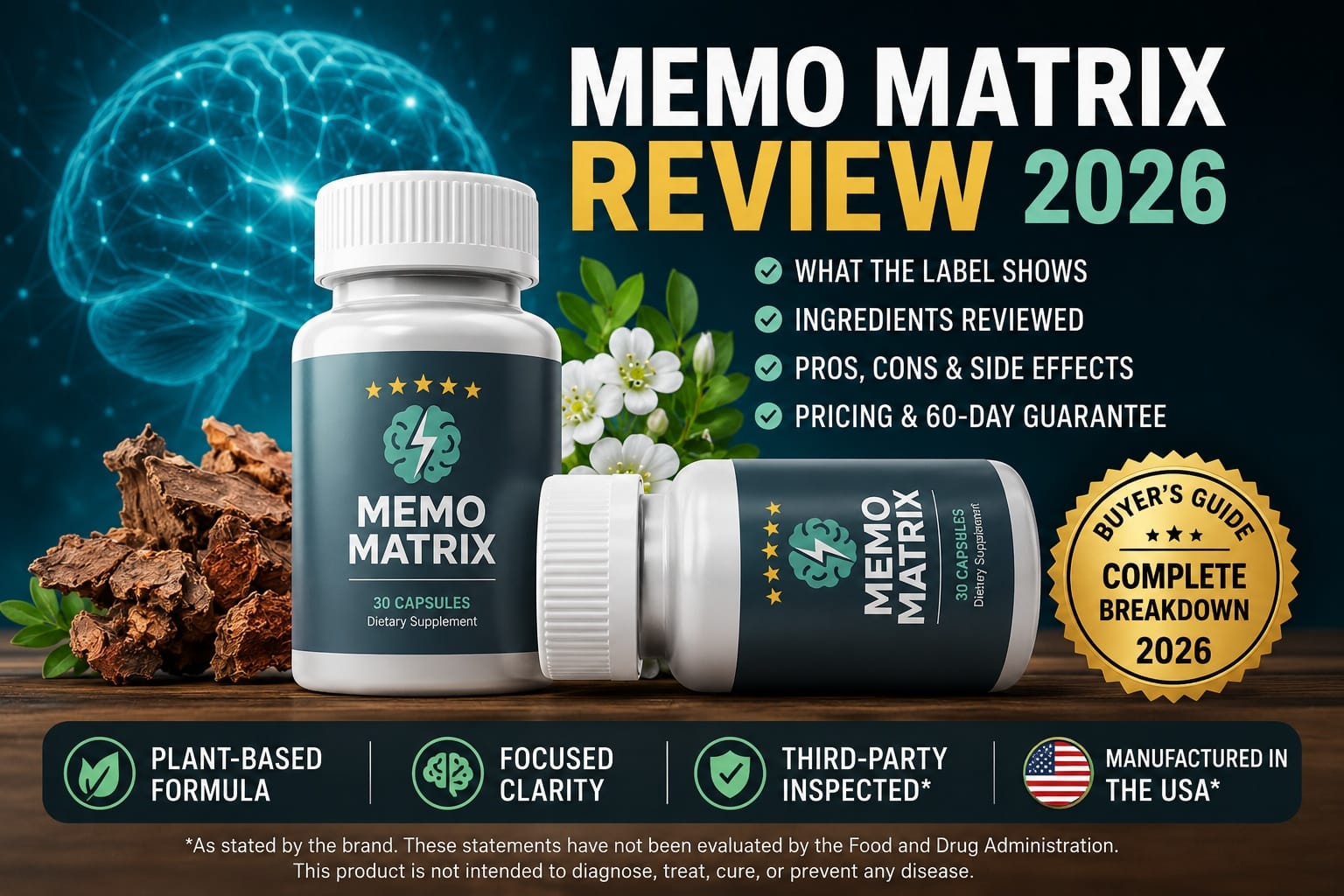
As interest in cognitive wellness support continues rising in 2026, this Memo Matrix review explores how the supplement is positioned for daily memory and mental clarity routines, what buyers should know about its ingredient profile, and why label transparency may matter before ordering.
AURORA, CO / ACCESS Newswire / June 13, 2026 / Disclaimers: This article contains affiliate links. A commission may be earned on qualifying purchases made through links in this content, at no additional cost to the reader. This content is promotional and intended for consumer education about a commercially available product. Affiliate relationships do not influence editorial content or the evaluation of products. Disclosure is provided in accordance with FTC 16 CFR Part 255.
Memo Matrix Research (2026): The Label Shows a Stimulant Stack the Sales Page Does Not - What Buyers Need to Know Before Ordering
See current Memo Matrix pricing and bundle details
AI-Assisted Content Notice: This article was produced with the assistance of artificial intelligence writing tools. All factual claims, regulatory citations, and product details were verified against primary sources by the publishing team prior to distribution. AI assistance does not alter the material connection disclosure obligations above, nor does it affect the accuracy standards applied to this content. These statements have not been evaluated by the Food and Drug Administration. Memo Matrix is not intended to diagnose, treat, cure, or prevent any disease. Individual results vary. The official Memo Matrix product website is available at
What This Memo Matrix Review Examined - And How
Before you read a word of this analysis, you deserve to know exactly what went into it. Too many supplement reviews in this space are built on press releases and marketing copy. This one isn't.
Memo Matrix 2026 Fast Facts: What Every Buyer Should Know in 30 Seconds
Memo Matrix is: A daily dietary supplement capsule positioned by the brand to support cognitive function, mental clarity, and memory
Serving size: 1 vegetable capsule per day (30 servings per container)
Label-confirmed active ingredients: Vitamin B1 (6mg, 500% DV), Vitamin B6 (8.5mg, 500% DV), Vitamin B12 as Methylcobalamin (24mcg, 1000% DV), plus a 151mg proprietary blend (Caffeine from Green Coffee, L-Tyrosine, Theacrine, Theobromine, Bacopa monnieri 20% Bacosides A&B, Rhodiola rosea root, Huperzia serrata 1% Huperzine-A)
Capsule type: Vegetable (Hypromellose) - not gelatin
Stimulant content: Yes - caffeine, theacrine, and theobromine are all present in the proprietary blend; individual dosages are not disclosed on the label
Pricing (brand-published): $79/bottle (2-bottle, $158 total); $59/bottle (3-bottle, $177 total, 3 free digital bonuses); $49/bottle (6-bottle, $294 total, 3 free digital bonuses + free US shipping)
Payment type: One-time; no auto-shipment, no subscription, no hidden fees (per brand FAQ)
Money-back guarantee: 60 days from order date (return unused bottles; terms contain a noted conflict - see the Refund section of this article)
Return address: 19655 E 35th Dr #100, Aurora, CO 80011
Customer support: (720) 734-3940 | [email protected]
Processor: ClickBank (per site footer)
Manufacturing: Brand-states USA, FDA-registered and GMP-certified facility; uses "domestic and foreign ingredients."
Certifications disclosed: FDA-registered facility, GMP-certified, third-party inspected (brand-stated; no certification body named publicly)
Non-GMO, plant-based, soy-free, dairy-free: Per brand
Important label vs. sales page discrepancy: The sales page ingredient section lists eight marketing ingredients (including Ginkgo Biloba, Lion's Mane, Alpha-GPC, L-Theanine, Phosphatidylserine) that do not appear on the Supplement Facts panel - see the Ingredient Verification section below
As of: June 2026
See current Memo Matrix pricing and bundle details
TL;DR - Memo Matrix in Under 100 Words
Memo Matrix is a once-daily nootropic capsule from thememomatrix.com that contains a 151mg proprietary stimulant blend - including caffeine, theacrine, and theobromine - that doesn't appear in the sales page ingredient marketing section. Most people who've already ordered didn't know what you're about to find out: the sales page ingredient section and the actual Supplement Facts panel describe different formulas. This review documents exactly what the label shows so you can make the call with the full picture. Brand-stated 60-day money-back guarantee through ClickBank. One-time pricing from $49-$79 per bottle. No subscription. Read the full ingredient breakdown before you decide.
Quick Verification Snapshot - As of June 2026
This snapshot reflects information observed on the official Memo Matrix website as of June 2026. Supplement formulas, pricing, and return policies can change after publication - which means the time to verify these details is before your order is placed, not after. Everything below was cross-checked against the live site at the time of publication.
First-release status: No prior wire coverage identified for "Memo Matrix" as of June 2026
Official website: thememomatrix.com - live and functional as of June 2026
Supplement Facts panel: Available on the brand website; used as the authoritative ingredient source for this review per FDA labeling requirements (21 CFR Part 101)
Pricing published on official site: $158 (2-bottle) / $177 (3-bottle) / $294 (6-bottle) - observed during review; verify current pricing at checkout
Refund policy: 60-day window observed on the official site; a conflict was noted between the main page (unused bottles required) and the support page (empty bottles accepted) - contact brand support to confirm current terms before purchase
ClickBank processor: Identified from site footer trademark notice
Stimulant content: Identified from Supplement Facts panel - caffeine, theacrine, and theobromine present in the 151mg proprietary blend
Return address published on official site: 19655 E 35th Dr #100, Aurora, CO 80011
Manufacturing claim: Brand-stated USA production; "domestic and foreign ingredients" qualifier present on the official site
Label-to-sales-page ingredient difference: Observed during review of the sales page and Supplement Facts panel available on the official website - full breakdown in the ingredient section below
See current Memo Matrix pricing and bundle details
Disclosure: If you buy through the link, a commission may be earned at no extra cost to you.
Why This Review Leads With the Supplement Facts Label
Most nootropic reviews in 2026 evaluate whether the ingredients work. This one starts one step earlier: verifying that the ingredients on the sales page match those on the label. In this case, they aren't - and that changes what you're actually evaluating.
If you landed here from a search for "Memo Matrix review," you've probably already seen the sales page - and you noticed the ingredient section featuring Ginkgo Biloba, Lion's Mane Mushroom, Phosphatidylserine, Alpha-GPC, and L-Theanine. Those are compelling names in the nootropic space, and each one carries a meaningful body of research.
Here's what this review observed: several ingredients featured in the sales page ingredient section were not listed on the Supplement Facts panel reviewed for this article. And the Supplement Facts panel includes ingredients - specifically a stimulant-containing proprietary blend - that don't appear in the sales page ingredient marketing section at all.
The Supplement Facts panel is the federally mandated disclosure document for dietary supplements. It's what FDA regulations require brands to publish accurately under 21 CFR Part 101. The ingredient section on a sales page is marketing copy. When those two documents describe different ingredient profiles, the Supplement Facts panel is what you're actually buying.
Every verified fact in this review comes from the Supplement Facts label, the brand's published Terms and Returns policies, or publicly available research on the confirmed ingredients. Anything the brand features on the sales page that isn't on the label is identified as brand marketing language - not as a product fact.
That's not a criticism of the brand. It's the framework every informed buyer deserves before spending money.
Buyer Takeaway #1: The authoritative source for what's in any dietary supplement is the Supplement Facts panel - not the ingredient marketing section on the sales page. For Memo Matrix, those two documents describe different ingredient profiles as observed during this review. This article uses the label.
What's Actually in Memo Matrix: A Label-by-Label Breakdown
Here's what the Supplement Facts panel shows, verbatim, as confirmed from the brand's published label.
The Vitamins (Disclosed Amounts)
The three B vitamins in Memo Matrix are disclosed with full dosage information:
Vitamin B1 as Thiamine HCL - 6mg (500% Daily Value). Thiamine plays a foundational role in nerve function and glucose metabolism in the brain. Severe deficiency is associated with neurological symptoms, though deficiency in adults eating a varied diet is uncommon. The 6mg dose here is substantially above the 1.2mg recommended daily intake for adults, which means supplementation at this level generally doesn't add benefit in replete individuals - but also carries minimal risk, as B1 is water-soluble and excess is excreted. The inclusion of thiamine at 500% DV is notable because it signals that the brand is targeting a neurological-support positioning. Whether that translates to a noticeable difference depends heavily on a buyer's existing B1 status.
Vitamin B6 as Pyridoxine HCL - 8.5mg (500% Daily Value). B6 supports neurotransmitter synthesis - it's a cofactor in the production of serotonin, dopamine, and GABA. The 8.5mg dose is well above the 1.3-1.7mg RDA for adults but below the 100mg tolerable upper limit set by the National Institutes of Health. Long-term intake above 10mg/day from all sources combined has been associated with peripheral neuropathy in some individuals. At 8.5mg from supplementation alone, most adults will remain below threshold - but buyers should account for dietary sources and any other supplements they're taking.
Vitamin B12 as Methylcobalamin - 24mcg (1000% Daily Value). Methylcobalamin is widely regarded as the preferred bioavailable form of B12. It's directly used in myelin synthesis and neurological function. The 24mcg dose is high relative to the 2.4mcg RDA, but B12 has no established tolerable upper limit - excess is excreted rather than accumulated. The methylcobalamin form specifically has been studied for neurological support in deficient populations. Deficiency is more common in adults over 50, vegans, and those taking metformin or proton pump inhibitors. If you're replete in B12, the high dose is unlikely to produce noticeable effects. If you're marginally deficient, it could matter.
Buyer Takeaway #2: The three B vitamins in Memo Matrix are disclosed at full dosage - 500% DV for B1 and B6, 1,000% DV for B12 as methylcobalamin. These are the only ingredients in the formula with disclosed amounts. The entire proprietary blend comes in at a combined 151mg with no per-ingredient breakdown.
The 151mg Proprietary Blend: What's There and What Isn't Disclosed
The proprietary blend totals 151mg across seven ingredients. That's not a lot of milligrams to distribute across seven compounds - and without per-ingredient disclosure, it's genuinely difficult to evaluate dose-adequacy for any single ingredient. That's a buyer-relevant transparency limitation, and it's worth naming directly.
Here's what the label confirms is in the blend:
Caffeine from Green Coffee (Coffea arabica) Bean. This is caffeine - the same alkaloid in coffee and tea, sourced from unroasted coffee beans. Green coffee caffeine uses the same mechanism as regular caffeine: it blocks adenosine receptors, reducing perceived fatigue and increasing alertness and focus. The question a buyer can't answer from the label is how much caffeine is actually in it. A 151mg blend split across seven ingredients could yield anywhere from a small 15-20mg dose to a substantial 80-100mg hit, depending on how the formulator distributed it. Buyers with caffeine sensitivity, anxiety tendencies, sleep difficulties, or who are pregnant or nursing should consult a physician before use. Caffeine interacts with certain medications, including MAOIs, stimulant ADHD medications, and some heart rhythm drugs.
L-Tyrosine. An amino acid precursor to dopamine, norepinephrine, and thyroid hormones. Research published in the journal Amino Acids and reviewed by the European Food Safety Authority has found that acute doses in the 100-300mg range may support cognitive performance under stress - but doses below that threshold produce minimal evidence of benefit. The actual amount here is unknown. L-Tyrosine is generally regarded as safe, with the main concern being its thyroid hormone precursor role in individuals with thyroid conditions or those taking thyroid medication.
Theacrine. A compound found in the Camellia kucha plant with a structure similar to caffeine. It works on similar receptor pathways - adenosine blockade plus dopamine receptor activation - but with a reportedly longer duration and less habituation in short-term studies. It's present in smaller quantities in most commercial nootropic formulas, typically in the 25-50mg range for noticeable effect. An important safety note: Theacrine has not been granted GRAS (Generally Recognized as Safe) status by the FDA, and long-term human safety data is limited compared to caffeine - most published research involves short-term supplementation periods. Buyers considering extended daily use should factor in the limited long-term safety profile when making their decision. Theacrine is a stimulant. Buyers who are sensitive to stimulants should treat it as a cumulative stimulant load alongside the caffeine and theobromine also present in this formula.
Theobromine. The primary alkaloid in cacao, structurally related to caffeine. Theobromine is a milder, longer-acting stimulant with mild bronchodilatory and vasodilatory effects. The combination of caffeine + theacrine + theobromine in a single formula creates a cumulative stimulant effect. Whether this is a benefit or a concern depends entirely on the buyer's stimulant tolerance and existing caffeine intake from other sources.
Buyer Takeaway #3: Memo Matrix contains three stimulant compounds in its proprietary blend - caffeine, theacrine, and theobromine. Individual dosages are not disclosed. Buyers who are stimulant-sensitive, pregnant, nursing, or on stimulant-interacting medications should consult a physician before using this product.
Bacopa monnieri Whole Plant Extract (20% Bacosides A&B). Among the most extensively studied botanical ingredients in the Memo Matrix label, Bacopa monnieri - also called Brahmi in Ayurvedic tradition - has been examined in multiple randomized controlled trials for cognitive support. The standardization to 20% Bacosides A & B is relevant because bacosides are the bioactive triterpenoid saponins believed to underlie the herb's mechanisms of action. Published research in the Journal of Alternative and Complementary Medicine and elsewhere has found that Bacopa supplementation with a standardized extract at 300mg/day improved delayed word recall in older adults over 12-week periods. A 2014 systematic review concluded there is evidence suggesting Bacopa improves memory free recall in adults without dementia. The critical word from the evidence base, however, is "some" - effect sizes across studies are modest, study populations vary, and longer supplementation periods (8-12 weeks minimum) are generally required before any benefit is apparent. The actual Bacopa dose in Memo Matrix is not disclosed; the 151mg total blend distributed across seven ingredients makes it unlikely the Bacopa content reaches the 300mg doses used in positive clinical trials.
Rhodiola rosea Root. An adaptogenic herb with a history of use in traditional Russian and Scandinavian medicine. Published research has examined Rhodiola for mental fatigue, stress response, and cognitive performance under demanding conditions, with the most consistent findings around fatigue reduction rather than direct memory enhancement. Studies by Shevtsov et al. and others have used doses in the 170-680mg range. The amount in the Memo Matrix is undisclosed. Rhodiola is generally well-tolerated but may interact with stimulant medications and, based on its adaptogenic effects, could theoretically influence blood pressure regulation - relevant for buyers on antihypertensive medications.
Huperzia serrata Whole Herb Extract (1% Huperzine-A). The standardization to 1% Huperzine-A is meaningful. Huperzine-A is a naturally derived acetylcholinesterase inhibitor - it works by slowing the breakdown of acetylcholine in the synaptic cleft, thereby increasing the availability of this key memory-related neurotransmitter. It has been investigated in multiple placebo-controlled clinical trials for Alzheimer's disease support in China, where it's available as a licensed drug; several of those trials reported improvements in cognitive function measures in Alzheimer's patient populations. A Cochrane systematic review acknowledged the research interest in Huperzine-A but noted insufficient evidence from high-quality trials to support broad conclusions for Alzheimer's disease treatment specifically. For healthy adults seeking general cognitive support, the published evidence base is thinner still. What isn't in question is the mechanism - Huperzine-A genuinely does inhibit acetylcholinesterase. What remains less settled is whether that translates to meaningful benefit in cognitively healthy adults at the doses present in a 151mg proprietary blend. Importantly, Huperzine-A has real drug interaction potential: it should not be combined with cholinergic medications (donepezil, rivastigmine, galantamine) without medical supervision, and its effects on the cholinergic system mean the cumulative CNS burden from this formula warrants a conversation with your physician if you're on any neurological medications.
Buyer Takeaway #4: Of the seven proprietary blend ingredients, Bacopa monnieri and Huperzine-A have the strongest published research base for cognitive-relevant mechanisms. Both require adequate dosing and consistent daily use - and neither dosage is disclosed on the label. The 151mg total blend across seven ingredients creates a dose-adequacy uncertainty that serious buyers should factor into their evaluation.
The Ingredient Discrepancy: What the Sales Page Shows vs. What the Label Shows
This deserves its own section because it's the most practically important thing this review documented.
The sales page ingredient section at thememomatrix.com prominently features eight ingredients with accompanying benefit statements: Bacopa Monnieri Extract, Ginkgo Biloba Extract, Lion's Mane Mushroom Extract, Phosphatidylserine, Rhodiola Rosea, Alpha-GPC, Huperzine A, and L-Theanine.
The Supplement Facts panel reviewed for this article lists: Bacopa monnieri, Rhodiola rosea, and Huperzine-A. Those three ingredients do appear in both places. The other five from the sales page - Ginkgo Biloba, Lion's Mane, Phosphatidylserine, Alpha-GPC, and L-Theanine - were not listed on the Supplement Facts panel reviewed for this article.
The Supplement Facts panel also includes ingredients that don't appear in the sales page ingredient section: caffeine (from Green Coffee), L-Tyrosine, Theacrine, and Theobromine. That's a stimulant stack - compounds that will produce noticeable physiological effects - and they aren't featured in the sales page ingredient marketing at all.
To put it plainly: the sales page ingredient section and the Supplement Facts panel reviewed for this article describe different ingredient profiles.
What this means for you practically:
If you're buying Memo Matrix specifically for Ginkgo Biloba, Lion's Mane, Phosphatidylserine, Alpha-GPC, or L-Theanine - those weren't on the label this review examined
If you're sensitive to caffeine or stimulants, you need to know that caffeine, theacrine, and theobromine are present on the label - and those aren't in the sales page ingredient section
If you're expecting L-Theanine to moderate the caffeine (a common nootropic pairing), the label doesn't show L-Theanine present to do that job
One additional discrepancy is worth naming directly: the brand's sales page displays a "No Stimulants" feature badge alongside its ingredient marketing. The Supplement Facts panel reviewed for this article lists caffeine (from Green Coffee), Theacrine, and Theobromine - all stimulant compounds - as the first three ingredients in the 151mg proprietary blend. Whether that badge refers to "no synthetic stimulants" (a narrower definition) or whether it's simply inconsistent with the label is something buyers should clarify with the brand before ordering. This publication was not able to independently verify the brand's intent behind that designation given the confirmed label contents.
This publication reached out to the brand's listed support contacts to ask about the difference between the two documents. Buyers who want a direct explanation should contact Memo Matrix at (720) 734-3940 or [email protected] before placing an order.
Buyer Takeaway #5: The sales page ingredient section and the Supplement Facts panel reviewed for this article describe different ingredient profiles. Before ordering, verify the current label - not the sales page ingredient graphic - to know what you're actually buying.
See current Memo Matrix pricing and bundle details
Quick Answer: Does Memo Matrix Work?
Memo Matrix is a dietary supplement - it's not a drug, it hasn't been approved by the FDA to treat or cure any condition, and its efficacy for any individual depends on factors that can't be generalized from a label review. What can be said: three of its confirmed proprietary blend ingredients (Bacopa monnieri, Rhodiola rosea, Huperzine-A) have research published on their mechanisms in cognitively relevant contexts. The stimulant compounds (caffeine, theacrine, theobromine) will produce acute effects of alertness in most adults. Whether the combined formula at the undisclosed blend dosages produces meaningful long-term benefit is something the available published evidence doesn't conclusively settle. Individual results vary, and the FDA disclaimer on the brand's website ("not intended to diagnose, treat, cure, or prevent any disease") accurately reflects regulatory reality.
Quick Answer: Is Memo Matrix a Verifiable Purchase? What the Public Record Shows
Memo Matrix sells through ClickBank, processes orders through a publicly accessible checkout system, publishes a physical return address (19655 E 35th Dr #100, Aurora, CO 80011), lists active customer support contact information, and offers a documented 60-day money-back guarantee. The brand's stated manufacturing credentials - FDA-registered facility, GMP-certified, third-party inspections - are positive signals when verified; no independent audit confirming these credentials was available for this review, so they're reported as brand-stated. The central buyer-verification concern documented in this review is the discrepancy between the sales page and the label. That's a transparency issue that buyers should resolve with the brand before ordering - and the brand's support line is published precisely so you can do that.
Quick Answer: Is Memo Matrix a verifiable purchase? Memo Matrix sells through ClickBank with a documented 60-day refund window, a published physical return address (19655 E 35th Dr #100, Aurora, CO 80011), and active customer support at (720) 734-3940. The brand's manufacturing credentials are stated by the brand and not independently verified by this publication. The central transparency concern documented in this review - a discrepancy between the sales page ingredient marketing and the confirmed Supplement Facts panel - is something buyers should verify directly with the brand before ordering.
The Research Context: What Science Actually Says About These Ingredients
A review of publicly available research is warranted here because the nootropic supplement category is one where marketing claims frequently outrun the evidence. What follows uses only label-confirmed ingredients and only sources from NIH, NCCIH, PubMed-indexed research, or established evidence databases.
B Vitamins and Brain Health: What the Evidence Supports
The National Institutes of Health Office of Dietary Supplements notes that B vitamins - specifically B6, B9 (folate), and B12 - play essential roles in one-carbon metabolism, which underpins neurotransmitter synthesis and myelin maintenance. Deficiency in any of the three is associated with neurological symptoms. However, supplementing above-deficiency levels in replete adults doesn't consistently produce cognitive enhancement in controlled trials. A 2016 Cochrane review found no consistent evidence that B vitamin supplementation improves cognitive function or reduces dementia risk in adults with normal or near-normal baseline levels. Memo Matrix targets individuals who "struggle with mental fog" - a population that may include people with marginal deficiencies that would benefit from B supplementation, but the benefit would derive from correcting deficiency rather than from pharmacological enhancement above-threshold doses.
Bacopa Monnieri: The Most-Studied Ingredient in This Formula
The NCCIH lists Bacopa monnieri as having "some evidence" of cognitive benefits, with the strongest evidence for memory recall in older adults and the weakest in younger healthy adults. A 2008 randomized double-blind placebo-controlled trial published in the Journal of Alternative and Complementary Medicine found that 300mg/day of standardized Bacopa extract significantly improved delayed word recall versus placebo in adults over 65 after 12 weeks. A 2014 systematic review concluded that there's evidence of memory free-recall improvement but noted inconsistencies across cognitive domains and the need for larger trials. Common side effects are gastrointestinal: increased bowel movements, nausea, and cramping are the most frequently reported, particularly early in supplementation. Most positive trials used 300mg/day or more of standardized extract - a threshold that the 151mg total blend in Memo Matrix makes difficult to confirm as met.
Huperzine-A: Mechanism Is Strong; Evidence for Healthy Adults Is Limited
Huperzine-A's mechanism is well-characterized: it's a selective, reversible acetylcholinesterase inhibitor that crosses the blood-brain barrier efficiently. This means it increases synaptic acetylcholine availability. Multiple meta-analyses in Chinese clinical populations have found benefits for patients with Alzheimer's disease - improved MMSE scores and improvements in activities of daily living - but those findings come from diagnosed patient populations, not healthy adults. A Cochrane systematic review on Huperzine A for Alzheimer's disease concluded the evidence had a high risk of bias and wasn't sufficient to support strong clinical conclusions. For healthy adults, the evidence base is thinner still. The mechanism is plausible, the tolerability profile is generally mild, and it has an established history of use - but buyers seeking evidence-based certainty should weigh the gap between plausible mechanism and demonstrated outcome in healthy people.
Rhodiola Rosea: Clearest Evidence Is for Fatigue, Not Memory
A 2012 review published in Phytomedicine examined clinical trials of Rhodiola rosea and found the most consistent effects were reductions in mental fatigue under stress conditions. Improvements in burnout symptoms and fatigue-related cognitive decline were documented across multiple studies. Direct memory enhancement in healthy, non-fatigued adults had less consistent evidence. NCCIH notes the research is promising but preliminary for most cognitive applications. The adaptogenic framing is better supported by evidence than the "memory" framing.
The Stimulant Stack: Caffeine + Theacrine + Theobromine
Caffeine's cognitive effects are among the best-documented in pharmacology. At typical doses (40-200mg), caffeine demonstrably improves alertness, reaction time, and cognitive processing speed in adults - the effects are acute rather than cumulative, and tolerance develops with regular use. Theacrine and theobromine add to the stimulant load. A buyer who notices improved focus and energy after taking Memo Matrix is likely experiencing the stimulant fraction of the formula rather than any longer-term neuroplastic effect. That's not a knock on the formula - acute stimulant-mediated focus enhancement is a legitimate, repeatable effect. It's just important to attribute it correctly.
Buyer Takeaway #6: The NCCIH and published literature support "some evidence" for Bacopa monnieri improving memory recall in older adults at adequate doses. Huperzine-A has a well-characterized mechanism but thinner evidence in healthy adults. The clearest evidence for Rhodiola is for fatigue reduction. The B vitamins are most likely to benefit buyers with suboptimal status. The stimulant compounds will produce acute alertness effects regardless of individual response to the botanical ingredients.
What Honest Evaluation of the Memo Matrix Sales Page Requires Acknowledging
The Memo Matrix sales page features a narrative about a "Harvard Scientists" study and a "Monk Ritual" from Tibetan monasteries, with a claim that a specific preparation showed promise in reducing "neural inflammation by up to 97%." This narrative is VSL (video sales letter) marketing copy - the kind of story-driven framing common in direct-response supplement advertising. This publication was unable to independently verify that the cited reference supports the specific claims presented in the surrounding sales page narrative as written. Readers who want to evaluate the cited source material directly can search for it at pubmed.ncbi.nlm.nih.gov. This review doesn't reproduce those claims as product facts - what's reproducible is the Supplement Facts label and the published research on the confirmed ingredients, which tells a more measured story.
The sales page also uses the phrase "clinically proven" in connection with the ingredient section. Here's what that actually means in a regulatory context: under DSHEA - the Dietary Supplement Health and Education Act of 1994, which governs how dietary supplements can be marketed in the United States - supplements are not approved by the FDA before going to market and cannot carry drug-level efficacy claims without adequate substantiation. The FDA's full guidance on this is available at fda.gov/food/dietary-supplements. This publication did not identify published clinical trials evaluating the complete Memo Matrix formula as a product. Individual ingredients in the formula do have published research contexts - those are covered in detail in the ingredient section above. Whether that ingredient-level research constitutes "clinical proof" for the combined formula is a determination the FDA's substantiation standard would require the brand to support. Readers who want the brand's substantiation should contact the brand directly and request the clinical evidence file supporting that designation.
The brand's customer testimonials feature specific named individuals (Michael Peterson, Sandra Martinez, Robert Johnson) with verified-purchase designations. Customer testimonials are presented by the brand and were not independently verified by this publication. Individual results vary based on physiology, baseline health status, B vitamin levels, stimulant tolerance, and consistency of use.
Buyer Takeaway #7: The "Harvard Scientists / Monk Ritual / 97% neural inflammation" narrative on the Memo Matrix sales page is direct-response marketing copy. This review doesn't reproduce those claims as verified facts. What's in this article is what the label confirms and what published research on those confirmed ingredients actually shows - which is a genuinely interesting story in its own right, even without the VSL framing.
Memo Matrix Pricing: What You're Actually Paying
The brand publishes three purchase options, all verified on the official site as of June 2026:
The 2-bottle option is $158 total - $79 per bottle, representing a 60-day supply. Domestic shipping is $9.99 (not free at this tier). No digital bonuses are included at this tier.
The 3-bottle option is $177 total - $59 per bottle, representing a 90-day supply. Free US shipping is included. Three digital bonuses are included: "Nose Trick: The Power of Essential Oils to Boost Your Memory," "Sound Wave of Mindful Productivity," and "Cognitive Nutrition Guide."
The 6-bottle option is $294 total - $49 per bottle, representing a 180-day supply. Free US shipping is included. All three digital bonuses are included. This is the brand's "most popular" designation.
All pricing is one-time - no subscription enrollment, no auto-ship, no recurring billing. The brand's FAQ explicitly states: "There are no auto-shipments, subscriptions, or hidden fees." That's a notable departure from the recurring-billing model that triggers regulatory scrutiny in the supplement category under the FTC's Click-to-Cancel Rule and California's Auto-Renewal Law.
Shipping is $9.99 for domestic orders of under 3 bottles; free for 3 bottles or more. International shipping is $19.90, with potential customs charges payable by the buyer. Shipping times are 5-7 business days domestic, 10-15 business days international.
Before completing an order, buyers should confirm the final total at checkout - pricing described in this article reflects brand-published rates as of June 2026 and may change without notice.
Buyer Takeaway #8: Memo Matrix's three-tier pricing structure rewards multi-bottle purchases with lower per-bottle cost, bonus digital products, and free shipping. There's no subscription or auto-renewal to navigate - one-time purchase only, confirmed by the brand's own FAQ.
See current Memo Matrix pricing and bundle details
The 60-Day Money-Back Guarantee: What the Fine Print Actually Says
Memo Matrix offers a 60-day money-back guarantee, which is a standard protection in the ClickBank supplement category. Here's what the brand documents, with one important conflict to know about:
The main product page states: "Simply return the unused bottles in perfect condition and we will immediately process your full refund for the unused items."
The support/returns page states: "If you're unsatisfied for any reason, simply return all bottles (even if empty) for a full, no-questions-asked refund." It also says in the detailed returns instructions: "You must return only the unused bottles in perfect condition."
Those two descriptions - "empty bottles accepted" vs. "unused bottles only" - are in conflict. Before ordering under the assumption that empty bottles will be accepted for return, contact the brand directly at (720) 734-3940 or [email protected] to get written confirmation of the current policy. What you read on the site and what you're told at the time of purchase may differ, and verifying in writing protects your refund window.
The return deadline is 60 days from the order date - not from the delivery date. If your order takes 7-10 days to arrive, your actual window to use and return the product is less than what the "60-day guarantee" implies. The return address is 19655 E 35th Dr #100, Aurora, CO 80011. Processing time after receipt is 5-10 business days before it reflects on your bank statement.
Buyer Takeaway #9: The 60-day guarantee is real and documented, but the terms conflict between the main page and the returns page regarding whether empty or unused-only bottles are accepted. Verify in writing with brand support before ordering if you plan to rely on the guarantee. The 60-day window starts from the order date, not the delivery date.
How to Read the Memo Matrix Manufacturing Claims
The brand states Memo Matrix is "manufactured in the USA with the finest of domestic and foreign ingredients." Here's how to interpret that accurately:
This is a qualified origin claim - not a "Made in USA" claim. The Federal Trade Commission's Made in USA Labeling Rule (16 CFR Part 323) requires that an unqualified "Made in USA" claim means the product is all or virtually all made in the United States. By specifying "domestic and foreign ingredients," the brand is appropriately qualifying that some components originate internationally. The manufacturing facility itself is represented as US-based. No foreign manufacturing is claimed; no all-domestic claim is made. The qualifier is honest and the language is accurate to its legal context.
The brand also claims the manufacturing facility is "FDA-registered and GMP-certified" and that ingredients undergo "third-party inspections." These are meaningful quality signals in the supplement industry. FDA registration of a facility is publicly searchable. GMP certification by a recognized third party (NSF, UL, NPA, or similar) is a stronger credential than self-certification. The brand does not publicly name the GMP certifying body or the third-party inspection organization. Buyers who want to verify these credentials independently can contact the brand and request documentation.
Buyer Takeaway #10: The "manufactured in USA with domestic and foreign ingredients" claim is a properly qualified origin statement - not a full "Made in USA" claim. The FDA-registered, GMP-certified, third-party inspected assertions are positive brand-stated credentials; the certifying body is not publicly named, which limits independent verification.
The Verification Window: What It Costs to Order Without Reading This First
Here's the practical math on timing. The Memo Matrix 60-day money-back guarantee runs from your order date - not from when the package arrives. Domestic shipping takes 5-7 business days. If you order, wait to receive it, use it for a few weeks, then discover the label doesn't match what the sales page showed you, you may already be inside a narrowing refund window. The five minutes it takes to read the ingredient section of this article before ordering is the difference between knowing exactly what you're buying and finding out afterward.
Three specific situations where reading this first actually matters:
You're on a cholinergic or anticholinergic medication - Huperzine-A has documented interaction potential with both drug classes (see Drug Interaction Notice). Your physician needs to know before you start, not after your refund window closes.
You're caffeine-sensitive and assumed "brain supplement" meant stimulant-free - caffeine, theacrine, and theobromine are all on the label. The sales page ingredient graphic doesn't show them, and the "No Stimulants" badge on the brand's site conflicts with the confirmed label contents.
You were specifically buying for Ginkgo Biloba, Lion's Mane, Phosphatidylserine, Alpha-GPC, or L-Theanine - those five ingredients were not on the label this review examined. Contact the brand at (720) 734-3940 before ordering.
If none of those apply - you're comfortable with a stimulant-containing nootropic blend, your medication list is clear, and you're buying for the confirmed label ingredients - you have exactly what you need to make a confident decision right now.
Who Might Consider Memo Matrix: A Practical Buyer Framework
If you've got multiple tabs open comparing nootropics right now, here's the one finding that should settle the Memo Matrix question: you need to know whether you're buying the sales page formula or the label formula. Those are different products. Everything else in your evaluation - price, guarantee, convenience - follows from that one answer.
If you're deciding whether to order right now, here's the honest framework:
Buyers who might find the formula relevant: Adults over 35 concerned about age-related changes in memory recall or mental sharpness; adults with suboptimal B12 status (common in vegans, older adults, metformin users); adults looking for a stimulant-containing focus aid for daytime cognitive demands; buyers familiar with adaptogenic supplements who want Bacopa and Rhodiola in a convenient single capsule.
Buyers who should verify before ordering: Anyone sensitive to caffeine or stimulants; adults taking prescription cholinergic medications (donepezil, rivastigmine, galantamine) - Huperzine-A interacts with these drug classes; adults with thyroid conditions (L-Tyrosine is a thyroid hormone precursor); pregnant or nursing individuals; anyone on MAOIs or stimulant ADHD medications (caffeine interaction); anyone expecting the eight ingredients from the sales page marketing section to be present.
Buyers for whom this is a clear mismatch: Anyone seeking a stimulant-free nootropic; anyone specifically requiring the sales-page-featured ingredients (Ginkgo Biloba, Lion's Mane, Phosphatidylserine, Alpha-GPC, L-Theanine) - these aren't on the confirmed label; anyone with a known sensitivity to methylxanthines (caffeine, theacrine, theobromine family).
Buyer Takeaway #11: Memo Matrix is a stimulant-containing nootropic with B vitamins, Bacopa, Rhodiola, and Huperzine-A confirmed on the label. It's not the eight-ingredient formula the sales page illustrates. Understanding which formula you're actually buying is the most important pre-purchase step.
Quick Answer: What Is the Difference Between Memo Matrix and Competitors?
The cognitive supplement market in 2026 is extremely crowded. Memo Matrix's confirmed Supplement Facts label - a B-vitamin base plus a 151mg stimulant-adaptogen-nootropic blend - positions it among entry- to mid-tier daily nootropic capsules. Compared to transparent-label competitors like Mind Lab Pro (11 disclosed ingredients with individual amounts) or NooCube (13 disclosed ingredients), Memo Matrix uses a proprietary blend that obscures per-ingredient dosing. Compared to simpler single-mechanism products like Prevagen (apoaequorin focus) or Neuriva (coffee fruit extract), Memo Matrix has a broader confirmed ingredient spectrum but at undisclosed per-ingredient amounts. The primary differentiators for a comparison-shopping buyer should be label transparency and whether the confirmed ingredients match the buyer's specific needs - not the sales-page marketing.
Memo Matrix Side Effects: What to Know Before You Start
No clinical trial data on the complete Memo Matrix formula is publicly available. Side effect expectations should be drawn from the confirmed individual ingredients:
Caffeine, theacrine, and theobromine can produce jitteriness, increased heart rate, anxiety, disrupted sleep, and headaches - particularly at higher doses or in sensitive individuals. Because the blend dosages are undisclosed, buyers have no way to know the stimulant load they're committing to from the label alone.
Bacopa monnieri has a well-documented gastrointestinal side effect profile: increased bowel movements, nausea, and abdominal cramping are the most frequently reported, particularly in the first few weeks of use. Taking with food reduces this significantly in most people.
Huperzine-A can cause nausea, diarrhea, sweating, and blurred vision at higher doses due to its cholinergic mechanism. At low doses, it's generally well-tolerated. The concern is primarily for people already on cholinergic drugs, where additive effects could be clinically significant.
Vitamin B6 at high doses (above 10mg/day from all combined sources) over extended periods has been linked to peripheral neuropathy. The 8.5mg in Memo Matrix is below the individual upper tolerance threshold but adds to dietary intake.
The brand recommends consulting a physician before use - that's not boilerplate in this case; it's genuinely good advice given the stimulant content and the Huperzine-A drug interaction profile.
Buyer Takeaway #12: The most likely side effect categories for new Memo Matrix users are stimulant-related (from caffeine/theacrine/theobromine) and gastrointestinal (from Bacopa monnieri). Buyers on cholinergic medications should specifically discuss Huperzine-A with their physician before starting this supplement.
How to Order Memo Matrix: What the Process Looks Like
Orders are processed through ClickBank, which is a well-established digital commerce platform with its own buyer protection policies. The transaction appears on bank statements under the ClickBank or Buygoods identifier. The brand's checkout is hosted on a BuyGoods-branded URL structure (as confirmed by the site's order links), which is standard for ClickBank-affiliated products.
If you see an unexpected charge on your statement, the brand's support line is (720) 734-3940. ClickBank's own support line handles processor-level billing disputes separately from the brand's product support.
The brand offers a single-serve upsell at checkout - a 2-bottle discounted offer at $59/bottle with free shipping. This is displayed after the primary order is placed and is explicitly optional (the site text says "No thanks, I only want to try a bottle and don't need a discount"). It's worth knowing that's coming so it doesn't read as an additional charge attempt.
Buyer Takeaway #13: Orders are processed through the ClickBank/BuyGoods infrastructure. An optional upsell appears post-checkout - it's genuinely optional. Billing disputes can be addressed through either the brand's support line or ClickBank's independent customer service.
The Three Digital Bonuses: Are They Worth Considering?
The 3-bottle and 6-bottle orders include three digital bonus products. Here's what the brand describes:
Bonus #1 - "Nose Trick: The Power of Essential Oils to Boost Your Memory" is described as a guide to aromatherapy and inhalation techniques for memory support, including "specific essential oil blends and inhalation techniques that can boost memory formation by up to 40%." The claim of a specific 40% boost is marketing language - not a finding this publication can substantiate from the label. The underlying area (aromatherapy and cognition research) has some published literature, but specific percentage claims about digital bonuses don't carry evidentiary weight.
Bonus #2 - "Sound Wave of Mindful Productivity" is described as an audio collection of binaural beats and brainwave entrainment tracks. Binaural beats have been studied for relaxation and focus applications; the evidence is mixed and the effect sizes are modest. Useful as a complementary wellness practice; not a substitute for other interventions.
Bonus #3 - "Cognitive Nutrition Guide" is described as a nutrition plan for brain health, including meal plans and food timing strategies. Dietary approaches to brain health have solid evidence support. A well-constructed nutrition guide with brain-health framing could be genuinely useful regardless of supplement use.
These digital products deliver value as educational content rather than as clinical tools. They're bonuses - extras that come with the multi-bottle purchase, not standalone products with independent clinical credibility.
Buyer Takeaway #14: The three digital bonuses included with 3- and 6-bottle orders are educational resources, not clinical products. The specific percentage claims in the bonus descriptions (like "40% boost") are marketing language, not reproduced research findings.
Is Memo Matrix Legit? What the Public Record Shows
Memo Matrix is a real product sold through a real checkout system. Orders are processed through ClickBank - one of the most established digital supplement processors in the industry. The brand publishes a physical return address (19655 E 35th Dr #100, Aurora, CO 80011), active phone support at (720) 734-3940, and email support at [email protected]. A 60-day money-back guarantee is documented on the site. None of that is in question.
What is worth verifying before you order: the difference between the ingredient profile the sales page markets and the ingredient profile on the Supplement Facts panel reviewed for this article. That difference is documented in detail in the ingredient section above. It's not a reason to automatically dismiss the product - but it is a reason to call the brand, ask about the current label, and understand exactly what you're ordering before you spend $158 or more.
Buyer Takeaway: Memo Matrix has a real purchase infrastructure, real buyer protections through ClickBank, and a published money-back guarantee. The central buyer-verification task before ordering is confirming which ingredient profile you're buying - the sales page version or the label version.
Is Memo Matrix a Scam?
Memo Matrix is not a scam - it's a real product with real ClickBank buyer protections and a documented 60-day refund window. The issue this review documented is different: a meaningful difference between the ingredient profile the sales page markets and the ingredient profile on the Supplement Facts panel reviewed for this article. That's a transparency concern that buyers should resolve before ordering, but it's not the same as a product that takes your money and ships nothing.
What buyers should watch for in this category: sales page ingredient lists that don't match the Supplement Facts panel, VSL (video sales letter) narratives built around research that may not support the specific claims being made, and refund policy language that conflicts between different pages on the same website. All three are present here - and all three are documented in this article with the exact language used. Whether that rises to your personal threshold for concern is your call to make with full information.
If you have a billing dispute after ordering, ClickBank maintains its own buyer protection process independently of the brand's support line.
Is Memo Matrix Worth It?
Whether Memo Matrix is worth the price depends entirely on what you're trying to accomplish. At $49-$79 per bottle, you're paying a premium price for a proprietary blend with undisclosed per-ingredient amounts. The three botanical ingredients with the most published research relevance - Bacopa monnieri, Rhodiola rosea, and Huperzine-A - are all present on the label. Whether they're present at dosages that align with published research is something the label doesn't tell you. The stimulant compounds (caffeine, theacrine, theobromine) will produce acute alertness effects regardless of the botanical ingredient dosages.
One useful data point: the brand's sales page suggests that 96% of customers order the 6-bottle option. If that figure is accurate, most buyers are committing $294 before seeing an independent breakdown of what the label actually contains versus what the sales page features. Reading this review puts you in a different position than most of those buyers.
If you want a stimulant-containing nootropic capsule with B vitamins, Bacopa, and adaptogens - and you're comfortable with a proprietary blend structure - there's a real product here at a price point comparable to other ClickBank-distributed nootropics. If you want label transparency on per-ingredient amounts, or if you were specifically looking for the ingredients featured on the sales page, this review's documented findings suggest you should clarify directly with the brand before ordering.
Memo Matrix Complaints: What Buyers Report
No significant volume of independent consumer complaints about Memo Matrix was identified during this review across publicly accessible platforms, consistent with it being a newer market entrant at the time of this article's publication. The complaints most commonly associated with products in this category involve four areas: ingredient transparency (proprietary blends without disclosed amounts), shipping delays, refund friction, and sales-page-to-label mismatches. All four are documented in this review where applicable. The refund policy conflict documented above - where different pages on the same site describe different return requirements - is the most operationally relevant complaint risk for buyers who anticipate using the guarantee. Resolve that in writing with brand support before you need it, not after.
Memo Matrix Ingredients Review: What the Label Actually Contains
The full ingredient-by-ingredient breakdown is in the sections above, but here's the condensed version for buyers who want the quick read. The Supplement Facts panel reviewed for this article shows three disclosed vitamins - Vitamin B1 (6mg), B6 (8.5mg), and B12 as methylcobalamin (24mcg) - and a 151mg proprietary blend containing seven undisclosed-dosage ingredients: caffeine from green coffee, L-Tyrosine, Theacrine, Theobromine, Bacopa monnieri (20% Bacosides A&B), Rhodiola rosea root, and Huperzia serrata (1% Huperzine-A). The vegetable capsule uses Hypromellose. No gelatin. Rice Flour, Magnesium Stearate, and Silicon Dioxide are other ingredients.
What the label does not contain: the Ginkgo Biloba, Lion's Mane, Phosphatidylserine, Alpha-GPC, and L-Theanine featured in the sales page ingredient section. Those five ingredients were not identified on the Supplement Facts panel reviewed for this article.
Memo Matrix Side Effects: What Buyers Should Know
No clinical trial data on the complete Memo Matrix formula as a finished product were identified for this review. Side effect profiles are drawn from the individual confirmed ingredients, which is the responsible way to approach this question when finished-formula testing data isn't publicly available.
The stimulant compounds are the highest-priority consideration for most buyers: caffeine, theacrine, and theobromine can cause jitteriness, elevated heart rate, anxiety, disrupted sleep, and headaches - particularly in sensitive individuals or at higher doses. Because the exact amount of each isn't disclosed on the label, you genuinely can't know your stimulant load from the bottle alone. If you're caffeine-sensitive, it's worth calling the brand before ordering.
Bacopa monnieri has a well-documented gastrointestinal side effect profile - increased bowel movements, nausea, and abdominal cramping, especially in the first few weeks. Taking it with food helps significantly for most people.
Huperzine-A's cholinergic mechanism means it can cause nausea, sweating, and blurred vision at higher doses. The bigger concern is drug interactions: it shouldn't be combined with cholinergic medications (donepezil, rivastigmine, galantamine) without physician guidance.
B6 at 8.5mg is below the tolerable upper limit for most adults, but adds to total daily intake from all sources. Anyone already supplementing with a B-complex should add up the numbers.
Memo Matrix FAQs: The 15 Questions Buyers Actually Ask
1. What are the actual ingredients in Memo Matrix?
The Supplement Facts panel confirms: Vitamin B1 (6mg as Thiamine HCL), Vitamin B6 (8.5mg as Pyridoxine HCL), Vitamin B12 (24mcg as Methylcobalamin), and a 151mg proprietary blend containing Caffeine from Green Coffee Bean, L-Tyrosine, Theacrine, Theobromine, Bacopa monnieri Whole Plant Extract 20% Bacosides A&B, Rhodiola rosea Root, and Huperzia serrata Whole Herb Extract 1% Huperzine-A. Other ingredients in the capsule: Rice Flour, Hypromellose (Vegetable Capsule), Magnesium Stearate, Silicon Dioxide. Note that the sales page ingredient section features eight different marketing ingredients; five of those (Ginkgo Biloba, Lion's Mane, Phosphatidylserine, Alpha-GPC, L-Theanine) don't appear on the confirmed Supplement Facts panel.
2. Does Memo Matrix contain caffeine?
Yes - caffeine from Green Coffee (Coffea arabica) bean is the first-listed ingredient in the proprietary blend. Additionally, Theacrine and Theobromine are also stimulant compounds in the same blend. The exact caffeine content is not disclosed on the label. Buyers who are sensitive to caffeine or avoiding stimulants should not assume this is a stimulant-free product.
3. Is Memo Matrix a subscription?
No. Per the brand's FAQ: "Your order today is a one-time payment. There are no auto-shipments, subscriptions, or hidden fees." All three purchase tiers (2-bottle, 3-bottle, 6-bottle) are one-time transactions. There's no recurring billing to cancel.
4. What is the Memo Matrix refund policy?
The brand offers a 60-day money-back guarantee from the order date. The main page states unused bottles in perfect condition must be returned; the support/returns page states even empty bottles are accepted. This is a documented conflict - contact support at (720) 734-3940 or [email protected] to confirm current terms before ordering. Return address: 19655 E 35th Dr #100, Aurora, CO 80011. Processing takes up to 5-10 business days after receipt.
5. Who makes Memo Matrix?
The brand name is Memo Matrix. The product website is thememomatrix.com. Orders process through ClickBank. The fulfillment address is in Aurora, CO. The mobile terms on the site identify the mobile messaging service operator as "Nature's Formulas." No additional corporate entity information is prominently published on the brand's front-facing pages; the Terms of Service identify the company as "Memo Matrix ('COMPANY')." The governing law in the Terms of Service is identified as the State of Barbados, with arbitration in St. Michael, Barbados. This is an important practical note for US buyers: a Barbados governing law clause means standard US consumer protection statutes may not apply to contractual disputes with the brand directly. ClickBank's independent buyer protection process - which operates under US jurisdiction - is available separately from the brand's direct dispute resolution process and may be the more accessible option for US consumers with billing concerns.
6. How long does it take to receive an order?
Domestic US orders: 5-7 business days. International orders: 10-15 business days. Shipping is $9.99 for US orders under three bottles; free for three or more. International shipping is $19.90 plus potential customs charges. A tracking ID is provided after shipment.
7. Is Memo Matrix safe to take with other medications?
This is a medical question that requires physician consultation, not a supplement review answer. What can be noted from the confirmed ingredients: Huperzine-A is an acetylcholinesterase inhibitor with potential interactions with cholinergic medications (donepezil, rivastigmine, galantamine) and some anesthesia agents. Caffeine interacts with MAOIs, stimulant medications, and some cardiovascular drugs. L-Tyrosine is a thyroid hormone precursor with potential relevance for thyroid medication users. Rhodiola may affect blood pressure management. Consult a licensed physician before using this product, especially if you take any prescription medications.
8. What's the best way to take Memo Matrix?
Per brand instructions: one capsule daily with a glass of water. Each bottle contains 30 capsules, providing 30 days of use. The brand recommends at least 3-6 months of consistent use for users over 35. Taking the capsule with food may reduce the likelihood of Bacopa-related gastrointestinal side effects that some users report.
9. Is the Memo Matrix capsule vegetarian or vegan?
The capsule shell is Hypromellose - a plant-derived cellulose compound used in vegetable capsules. The brand also states the formula is plant-based. However, the brand does not specifically certify vegan or vegetarian status on the label; buyers with strict dietary requirements should contact the brand to confirm there's no animal-derived source for any ingredient, including Magnesium Stearate.
10. How does Memo Matrix compare to other nootropics?
Memo Matrix's Supplement Facts panel shows a stimulant-botanical-vitamin formula with a 151mg proprietary blend. It differs from transparent-label competitors (which disclose per-ingredient amounts) in that individual blend dosages aren't publicly available. It differs from pharmaceutical-grade Alzheimer's drugs in that it's a dietary supplement with no drug-level efficacy approval. For comparison-shopping purposes, focus on: whether you want disclosed individual ingredient amounts, whether stimulant content is appropriate for you, and whether the confirmed ingredients match your specific cognitive support goals.
11. Why does the sales page show different ingredients than the label?
This is the central question this review documents. The sales page ingredient section features eight ingredients; the Supplement Facts panel confirms seven proprietary blend ingredients - with only three overlapping (Bacopa monnieri, Rhodiola rosea, Huperzine-A). The sales page is marketing copy. The Supplement Facts panel is the federally required disclosure document. This publication was not able to obtain a brand explanation for the discrepancy; buyers seeking an explanation should contact the brand directly.
12. Does Memo Matrix have any stimulants?
Yes - three stimulant compounds are confirmed on the label: caffeine (from Green Coffee), Theacrine, and Theobromine. All three are methylxanthine-class or methylxanthine-adjacent compounds that increase alertness via adenosine receptor blockade. Exact doses aren't disclosed. Buyers who need a stimulant-free product should not purchase Memo Matrix without first obtaining dosage clarification from the brand.
13. What are the Memo Matrix digital bonuses?
Three digital products are included with 3-bottle and 6-bottle orders: a guide on essential oils and memory ("Nose Trick"), an audio collection of binaural beats ("Sound Wave of Mindful Productivity"), and a cognitive nutrition guide. These are digital downloads - not physical products. They add no shipping weight and are delivered separately from the physical capsule order.
14. Is Memo Matrix FDA approved?
No dietary supplement is "FDA approved" in the pharmaceutical sense - the FDA does not approve dietary supplements before they go to market. The brand states its manufacturing facility is FDA-registered and GMP-certified, which refers to the manufacturing facility's compliance standards, not to FDA approval of the product itself. The standard FDA disclaimer applies: "These statements have not been evaluated by the Food and Drug Administration. This product is not intended to diagnose, treat, cure, or prevent any disease."
15. What do Memo Matrix customer reviews actually show?
The brand's website features three named testimonials (Michael Peterson, Sandra Martinez, Robert Johnson) with Verified Purchase designations and descriptions of improved memory, sharper thinking, and professional performance. Customer testimonials are presented by the brand and were not independently verified by this publication. Customer ratings and testimonials on the official site are brand-curated, not independently audited. Individual results vary based on health status, age, B vitamin baseline, stimulant tolerance, and consistency of use.
What Buyers Should Verify Before Ordering Memo Matrix
Here's a practical buyer verification checklist based on everything documented above:
Confirm the current Supplement Facts label on the product packaging matches the version reviewed here - formulas can change
Verify you're not expecting the sales-page-featured ingredients (Ginkgo, Lion's Mane, PS, Alpha-GPC, L-Theanine) - they don't appear on the confirmed label
Confirm you're comfortable with undisclosed stimulant content (caffeine, theacrine, theobromine) before ordering
If you're on prescription medications - particularly cholinergic drugs, MAOIs, stimulants, thyroid meds, or cardiovascular medications - consult your physician about Huperzine-A and caffeine interactions specifically
Verify the refund policy terms in writing with brand support if you anticipate relying on the guarantee
Confirm final checkout pricing including shipping before completing the purchase
Note the 60-day window runs from order date - not delivery date
Check the brand's current certifications (FDA-registered facility, GMP certification body) if manufacturing credentials are important to your decision
Buyer Takeaway #15: The most important single verification step before ordering Memo Matrix is confirming you understand which formula you're actually buying - the Supplement Facts panel version, which includes a stimulant-containing proprietary blend and confirmed botanical ingredients, not the eight-ingredient sales page marketing version.
The Bottom Line on Memo Matrix
Memo Matrix is a once-daily vegetable capsule containing three B vitamins and a 151mg proprietary blend that includes a stimulant stack (caffeine, theacrine, theobromine) alongside three botanical/nootropic compounds with published research relevance: Bacopa monnieri (with some evidence for memory free recall in older adults), Rhodiola rosea (best-evidenced for fatigue reduction), and Huperzine-A (well-characterized AChE inhibitor mechanism with thinner evidence for healthy adult cognitive enhancement).
The brand offers a documented purchase path through ClickBank, a 60-day refund policy (with a conflict in the fine print buyers should clarify before ordering), a US-based fulfillment address, and no subscription enrollment.
The central buyer-verification concern documented in this review - a meaningful discrepancy between the ingredients the sales page markets and what the Supplement Facts panel discloses - is the most important thing to understand before you order. The brand's marketing describes a formula that includes Ginkgo Biloba, Lion's Mane, Phosphatidylserine, Alpha-GPC, and L-Theanine. The Supplement Facts panel shows none of those. It does show caffeine, theacrine, and theobromine - stimulant compounds the sales page doesn't feature at all.
If you've read this far, you know more about Memo Matrix than the average person who ordered it. Here's the complete picture: if the confirmed label formula matches what you're looking for - a stimulant-containing nootropic with B vitamins, Bacopa, Rhodiola, and Huperzine-A - the purchase infrastructure is real and the 60-day guarantee through ClickBank is documented. If you were buying for the sales page ingredients, call the brand first. That's the honest bottom line.
Quick Answer: What Should You Do Before Buying Memo Matrix?
Memo Matrix is a dietary supplement sold through ClickBank with a 60-day money-back guarantee. Before ordering, confirm you understand the Supplement Facts label formula - which includes a stimulant-containing proprietary blend with caffeine, theacrine, theobromine, Bacopa monnieri, Rhodiola rosea, and Huperzine-A, plus three B vitamins. Verify that the sales page ingredient marketing (which features different ingredients) doesn't match what's on the confirmed label. If you're on prescription medications - particularly cholinergic drugs or stimulants - consult your physician first. Then verify refund policy terms directly with brand support before completing your order.
Check current Memo Matrix pricing and availability on the official product page
Regulatory and Research References for This Review
The following regulatory authorities and research databases were used as reference sources in preparing this review. Links are provided for readers who want to verify regulatory standards or research directly - because the best buyer is an informed buyer, and these sources are publicly accessible at no cost.
U.S. Food and Drug Administration - Dietary Supplements: fda.gov/food/dietary-supplements
Federal Trade Commission - Health Products Compliance Guidance: ftc.gov/business-guidance/resources/health-products-compliance-guidance
NIH Office of Dietary Supplements: ods.od.nih.gov
National Center for Complementary and Integrative Health (NCCIH): nccih.nih.gov
Cochrane Library: cochranelibrary.com
PubMed (NIH National Library of Medicine): pubmed.ncbi.nlm.nih.gov
For brand-specific verification: visit the company direct website; brand support at (720) 734-3940 or [email protected].
Contact Information:
Company: Memo Matrix
Email: [email protected]
Phone Support: (720) 734-3940
Disclaimers
FDA Disclaimer: These statements have not been evaluated by the Food and Drug Administration. Memo Matrix is not intended to diagnose, treat, cure, or prevent any disease. Individuals who are pregnant, nursing, taking medication, or have an existing medical condition should consult a licensed physician before using any dietary supplement.
FTC Affiliate Disclosure: This article contains affiliate links to the official Memo Matrix product page. A commission may be earned on qualifying purchases made through those links at no additional cost to the reader. The existence of an affiliate relationship does not influence the accuracy of the information presented, the identification of product claims as brand-stated or unverified, or the documentation of compliance concerns noted in this review. Disclosure is provided in accordance with FTC 16 CFR Part 255.
Customer Rating and Testimonial Disclaimer: Customer ratings and testimonials cited from the Memo Matrix brand website are brand-presented, not independently audited by this publication. Individual experiences vary. These testimonials should be evaluated as illustrative brand-published examples, not as independently verified consumer outcomes. Adjacent variability disclaimer: individual results depend on health status, age, baseline nutritional levels, stimulant tolerance, and consistency of use.
Material Limitations of This Review: This review is based exclusively on publicly available materials, including the official Memo Matrix website (thememomatrix.com), the brand's published Terms and Returns policies, the published Supplement Facts panel, and category-level peer-reviewed research on the confirmed ingredients from NIH, NCCIH, PubMed-indexed journals, and Cochrane Database sources. This publication has not received compensated product samples for testing, has not interviewed brand personnel, has not been granted access to internal product specifications beyond what is publicly published, and has not conducted laboratory or field performance testing of Memo Matrix. Claims described in this article as "according to the brand" or "brand-stated" reflect what the brand has publicly stated and have not been independently substantiated by this publication. Buyers are encouraged to verify any claim that materially affects their decision to buy by contacting the brand directly at (720) 734-3940 or [email protected].
Third-Party Consumer Feedback Platforms: This article references the existence of third-party consumer feedback platforms in general category terms only. This publication does not endorse, vouch for, audit, or accept responsibility for the accuracy, completeness, or fairness of customer reviews posted on any third-party platform, including but not limited to general-purpose review sites, social media platforms, and online discussion forums. Buyers consulting third-party reviews are encouraged to evaluate them critically, look for verified-purchase indicators where available, and weigh reviewer-specific context against their own situation.
Forward-Looking Statements and Article Accuracy: This article reflects information available as of June 2026 and was prepared using reasonable care to be accurate and useful at the time of publication. Product specifications, pricing, promotional offers, shipping policies, return policies, contact information, and customer feedback data may change after publication without notice. Statements describing expected buyer outcomes, performance expectations, or category trends are educational forward-looking observations, not guarantees. No representation is made that the information will remain accurate in the future. Readers should rely on the official Memo Matrix website as the authoritative source for current product information before you buy.
Reasonable Consumer Standard: This article is written for a general adult consumer audience and intends statements to be interpreted as a reasonable consumer would interpret them in context. Where a statement could otherwise be read as a brand-substantiated fact, attribution language such as "according to the brand," "brand-stated," "brand-published," or "per the official Terms" identifies it as a brand claim that has not been independently verified by this publication. Marketing language used on the Memo Matrix sales page - including but not limited to claims about a "Harvard Scientists" discovery, "Monk Ritual," "neural inflammation reduction," and the eight ingredient marketing graphics - is identified in this article as brand marketing copy and is not represented as independently verified performance data by this publication. Customer testimonials are brand-presented; individual results vary.
California Proposition 65 Notice: California residents should be aware that many dietary supplement products contain ingredients subject to Proposition 65 review. This publication has not verified whether Memo Matrix carries a current California Proposition 65 warning. California buyers are encouraged to contact the brand directly at (720) 734-3940 or [email protected] and review any Proposition 65 labeling on the product packaging received before use. For general information on Proposition 65, visit www.P65Warnings.ca.gov.
Geographic and Jurisdiction Notice: This article is intended for adult consumers in the United States. International buyers - including those in the European Union, Canada, and the United Kingdom - should verify local dietary supplement regulations, labeling requirements, and import restrictions before ordering. EU buyers should be aware that product formulations and labeling standards may differ between US and EU markets. ClickBank's buyer protection policies and the brand's stated return policy apply to orders placed through the brand's official purchase page; international buyers are subject to additional customs and duties charges not included in stated pricing.
ClickBank Disclosure: ClickBank is a registered trademark of Click Sales, Inc., a Delaware corporation located at 1444 S. Entertainment Ave., Suite 410, Boise, ID 83709, USA, and is used by permission. ClickBank's role as retailer does not constitute an endorsement, approval, or review of Memo Matrix or any claim, statement, or opinion used in promotion of this product.
Drug Interaction Notice: Memo Matrix contains Huperzine-A, a naturally derived acetylcholinesterase inhibitor, and caffeine, theacrine, and theobromine - stimulant compounds. Two classes of drug interactions are relevant to Huperzine-A: (1) Cholinergic medications - including donepezil (Aricept), rivastigmine (Exelon), galantamine (Razadyne), echothiophate, neostigmine, and pyridostigmine - may produce additive cholinergic effects when combined with Huperzine-A; use caution and consult a physician before combining. (2) Anticholinergic medications - including tricyclic antidepressants (amitriptyline, doxepin), bladder and overactive bladder medications, atropine-class drugs, and antihistamines with anticholinergic activity - may have their effects altered when combined with Huperzine-A due to opposing mechanisms; use caution and consult a physician. Additionally, caffeine interacts with monoamine oxidase inhibitors (MAOIs), stimulant ADHD medications, and certain cardiovascular medications. L-Tyrosine is a thyroid hormone precursor with potential relevance for individuals on thyroid medications. Rhodiola rosea may influence blood pressure regulation and is relevant for individuals on antihypertensive medications. This notice is provided for consumer safety and does not constitute medical advice. Always consult a licensed physician before use if you take any prescription medication.
Trademark Notice: Memo Matrix is referenced in this article solely for product identification purposes. All product names, trademarks, and registered marks are the property of their respective owners and are used here for identification only, without claim of ownership or affiliation.
SOURCE: Memo Matrix