



Thursday, 25 June 2026 04:50 PM
Advertorial
As interest in men's wellness support continues rising in 2026, this JellyFil ingredients review explores how the supplement is positioned for daily vitality support, what buyers should know about its 82mg proprietary blend, and why ingredient-level research matters before ordering.
LAKELAND, FL / ACCESS Newswire / June 25, 2026 / Title Reference Notice: "Scientifically-analyzed" and "medically-researched benefits" refer to published ingredient-level research on ingredients listed on JellyFil's Supplement Facts panel - not to clinical trials on JellyFil as a finished product. No finished-product clinical trial for JellyFil was disclosed in the reviewed brand materials. "Quality" and "effectiveness" are treated as brand-positioning terms and are evaluated through label transparency, ingredient research context, and buyer verification factors. This advertorial is for informational purposes only, contains affiliate links, and is not medical advice.
Quick disclosure before you read: This is a paid advertorial - commission may be earned if you purchase through links here, at no extra cost to you. JellyFil is a dietary supplement, not a drug, and is not intended to diagnose, treat, cure, or prevent any disease. The ingredient research discussed below applies to individual ingredients at the doses researchers tested - it doesn't prove finished-product results for JellyFil. This is advertiser-sponsored educational content, not independent medical or scientific advice. Consult a qualified healthcare professional before starting any new supplement. FTC 16 CFR Part 255.
View the current JellyFil offer (official JellyFil page)
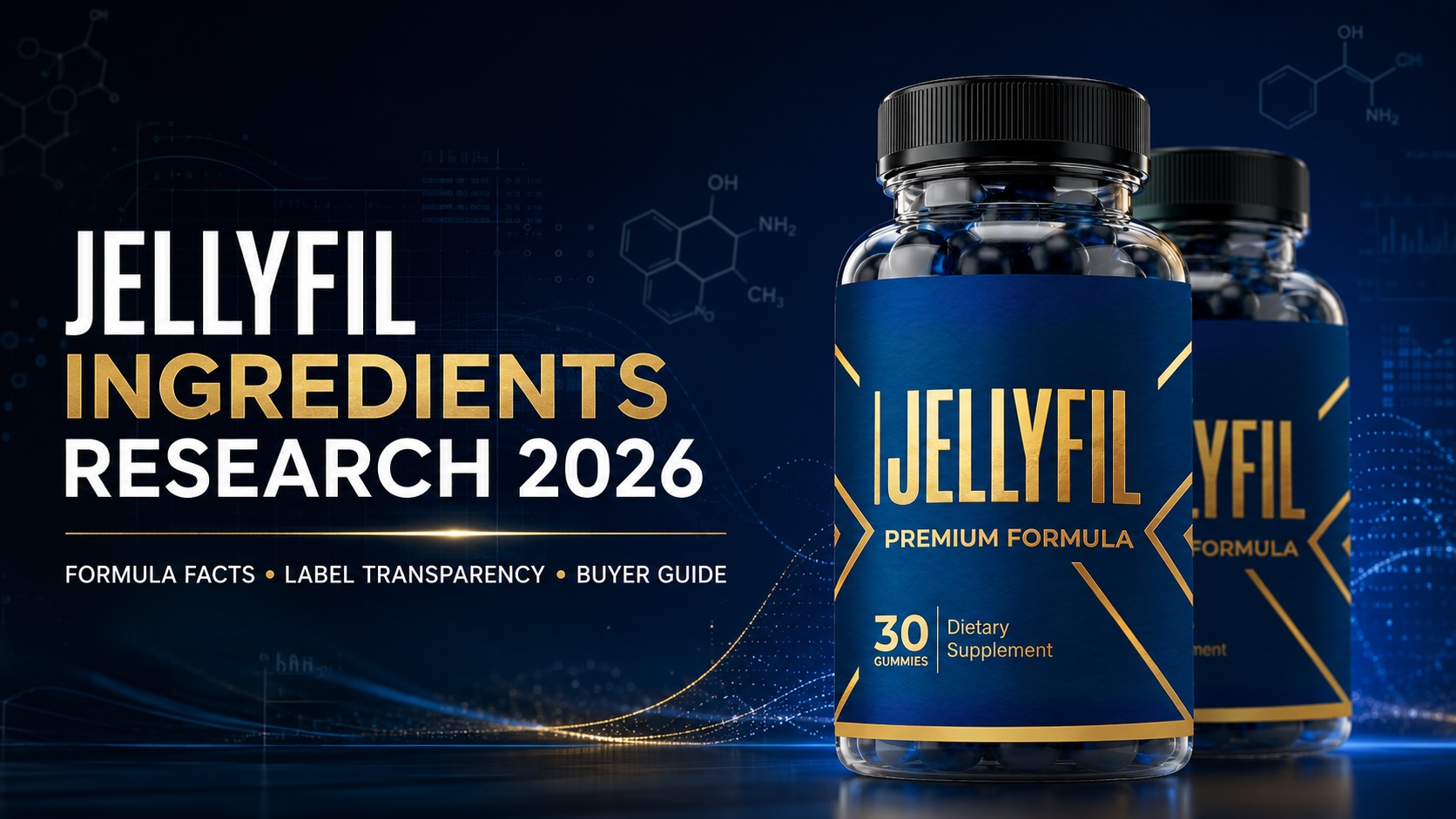
JellyFil Ingredients Research Review 2026 Explores Formula Facts, Label Transparency, and Men's Wellness Buyer Research
Before You Order JellyFil: Three Things Changed in the Published Evidence in 2025
Before you spend $158 to $294 on JellyFil, three things shifted in the peer-reviewed record in 2025 - and most ingredient reviews in this SERP haven't caught up to any of them yet. One of the nine ingredients in this formula now has its most comprehensive systematic review to date, and the conclusion is more conservative than the brand's advertising acknowledges. A second ingredient picked up two new peer-reviewed case reports that are material for specific buyer profiles. A third got the strongest published meta-analytic support for its primary mechanism it's ever had. This article maps all three - organized by evidence tier across all nine label-listed ingredients - so you have the complete research picture before you decide.
Here's the organizing principle you need before any research section: ingredient-level evidence and finished-product proof aren't the same thing. When JellyFil's advertising points to cortisol research on Ashwagandha, that research tells you what Ashwagandha did at the doses researchers actually used - not necessarily what a finished gummy at its specific proprietary-blend amount delivers. JellyFil's entire active blend is 82mg across nine ingredients. Research doses for most of those ingredients run 5x to 100x higher than the total blend weight. Every section below keeps that gap front and center, because it's the distinction most competing ingredient reviews either skip or bury - and it's the one that matters most when you're evaluating $158 to $294 worth of marketing claims.
JellyFil's nine confirmed active ingredients: Muira Puama Extract, Maca Extract, Catuaba Extract, Green Tea Extract, Caffeine, Ashwagandha, L-Arginine, Tribulus Terrestris, and Horny Goat Weed Extract - all inside a single 82mg proprietary blend, with only Caffeine individually disclosed at 5mg. What follows is the most citation-verified ingredient research breakdown of that formula available in June 2026.
JellyFil Formula Facts: What the Supplement Facts Panel Actually Confirms
Quick Answer: Buyers evaluating JellyFil's formula should know this before they read anything else: only one of the nine active ingredients - Caffeine at 5mg - has an individually disclosed milligram amount. The other eight botanicals and amino acids share the remaining 77mg of the 82mg total blend in proportions the label doesn't specify. The Supplement Facts panel confirms 30 gummies per bottle, one gummy per serving, and nine active ingredients in a single 82mg proprietary blend. Distributed by Instituto Experience, Lakeland FL 33804, per brand materials.
Here's what the label confirms - no more, no less:
Product format: Chewable gummy
Gummies per bottle: 30
Serving size: 1 gummy daily, or as directed by a qualified healthcare professional
Total active blend: 82mg proprietary blend (equivalent to approximately 567mg dry powder per the label)
Individually disclosed amount: Caffeine - 5mg per serving only
Active ingredients (label order): Muira Puama Extract, Maca Extract, Catuaba Extract, Green Tea Extract, Caffeine, Ashwagandha (Withania somnifera), L-Arginine, Tribulus Terrestris, Horny Goat Weed Extract (Epimedium)
Other ingredients: Corn Syrup, Cane Sugar, Water, Apple Pectin, Sorbitol Liquid, Natural Flavors, Citric Acid, Sodium Citrate Dihydrate
Per serving nutrition: 10 calories, 3g added sugar, 4mg sodium
Distributor: Instituto Experience, Lakeland FL 33804 (brand-stated)
Manufacturing: USA facility, globally sourced ingredients (brand-stated)
Facility/Manufacturing (brand-stated only): Brand materials reference U.S. production, globally sourced ingredients, and GMP-related manufacturing language. Not independently verified by this publication.
Customer support: [email protected] | +1 (507) 448-8190
Finished-product clinical trial: Not disclosed in reviewed brand materials
That's the verified starting point. Everything that follows in this article builds on those confirmed facts.
Buyer Takeaway: The label lists nine active ingredients inside a single 82mg proprietary blend. Only Caffeine is individually disclosed at 5mg. You cannot determine the milligram amount of any other active ingredient from the label alone. If per-ingredient amounts matter to your decision, contact the brand at [email protected] before ordering.
View the current JellyFil offer (official JellyFil page)
Why 82mg Changes How You Should Read Every Ingredient Research Claim
Before any ingredient gets its research section, this number deserves a clean explanation - because it reframes everything that follows.
JellyFil's entire active ingredient contribution is 82mg per gummy across nine botanicals and one amino acid. The label notes this is equivalent to approximately 567mg of dry powders, reflecting moisture content in the gummy format. But the active ingredient total - the combined botanical and amino acid material included as the active blend - is 82mg.
Now look at what peer-reviewed studies on these ingredients actually use. Ashwagandha RCTs: 125 to 600mg daily. L-Arginine clinical trials: 1,500 to 9,000mg daily. Maca human studies: 1,500 to 3,000mg daily. Tribulus Terrestris research: 400 to 750mg daily. JellyFil's total nine-ingredient blend is 82mg. That doesn't mean the formula can't work - proprietary blends are legal and widely used across the supplement category. What it does mean is that when you read ingredient-level research, those studies used doses that are typically 5x to 100x the total weight of this formula. You can't read ingredient research as finished-product proof without a dose bridge - and this label can't provide one.
Keep that in mind before every research section below. When another article says "Ashwagandha has been proven to reduce cortisol," that's accurate only if you understand "at 125-600mg daily in published RCTs" - not necessarily at whatever fraction of 82mg total blend is present in a JellyFil gummy. You're reading this article because you want to know the difference. Here it is.
Buyer Takeaway: Research on individual ingredients in JellyFil applies at the doses those studies actually used - which are substantially higher than what 82mg shared across nine ingredients can plausibly deliver to any one of them. This is the most important contextual fact in this entire article.
JellyFil Ingredient Research Map: Evidence Tiers Explained
Not all nine ingredients in JellyFil's formula have the same research depth. Some have strong modern RCT evidence at ingredient level. Some have established mechanisms but dose questions. Some have traditional use histories with limited contemporary human trial data. And some require a caution note for specific buyer profiles. Organizing the formula this way - honestly, by evidence strength - gives you a cleaner map than the typical ingredient list walkthrough.
Here's how the nine ingredients sort:
Evidence Tier 1 - Stronger General Wellness Research Context: Ashwagandha, L-Arginine, Green Tea Extract
Evidence Tier 2 - Traditional Use and Emerging Research: Maca, Muira Puama, Catuaba
Evidence Tier 3 - Marketing Claims Need More Caution: Tribulus Terrestris
Safety Context Priority: Horny Goat Weed Extract (Epimedium)
Transparency Note: Caffeine (5mg - the only individually disclosed amount)
Each tier gets its own section below with the full research picture - what's published, what it shows, what it doesn't show, and what buyers should understand before ordering.
Buyer Takeaway: JellyFil's nine ingredients cover a range of evidence quality from well-studied adaptogens to traditional botanicals with limited modern RCT data. The tiers below map that range honestly so you can evaluate each ingredient on its own merits rather than accepting blanket marketing claims about the formula as a whole.
View the current JellyFil offer (official JellyFil page)
Evidence Tier 1 - Ashwagandha, L-Arginine, and Green Tea Extract: The Three Ingredients With the Strongest Published Research Context
These three ingredients have the strongest ingredient-level research grounding of the nine in JellyFil's formula. That doesn't mean JellyFil as a finished product has been proven to deliver what these studies found - no finished-product trial exists in reviewed materials. It means the individual ingredients have the most defensible published evidence bases among the nine listed on the label.
Ashwagandha (Withania somnifera)
Ashwagandha is an Indian adaptogenic herb with a research record that has strengthened meaningfully in 2025. The published literature has focused primarily on stress response, cortisol markers, and general wellness outcomes.
What the label confirms: Ashwagandha (Withania somnifera) is listed as part of JellyFil's 82mg proprietary blend. Individual amount not disclosed.
What brand materials say: Brand materials position Ashwagandha as part of JellyFil's men's vitality and confidence-support formula, describing it in terms of stress management and general wellness. This publication attributes those descriptions to the brand and does not repeat them as editorial conclusions.
What ingredient-level research shows: A June 2025 systematic review and meta-analysis published in BJPsych Open (Bachour et al., PMC12242034) examined 15 randomized controlled trials with 873 combined participants and found statistically significant reductions in anxiety scores compared to placebo. A separate 2025 meta-analysis (Albalawi) covering seven RCTs with 488 participants found a statistically significant cortisol reduction of −1.16 µg/dL (95% CI: −1.64 to −0.69). An earlier meta-analysis (PubMed ID 39348746, nine RCTs, 558 patients) confirmed effects across perceived stress, anxiety, and cortisol markers. The NIH Office of Dietary Supplements acknowledges published evidence for stress and anxiety outcomes while noting that dietary supplements are not subject to pre-market approval and that research is ongoing.
Where brand claims need context: Brand materials reference confidence and testosterone-adjacent positioning for Ashwagandha - and while some individual RCTs have reported hormone-adjacent findings in men with low baseline levels or under conditions of chronic stress, the 2025 meta-analysis literature is notably more consistent and methodologically robust on cortisol and anxiety-score outcomes than on testosterone elevation as a standalone finding in healthy adult men with normal baseline levels. The cortisol-reduction evidence - specifically the −1.16 µg/dL confirmed in the Albalawi 2025 meta-analysis and the statistically significant anxiety-score reductions in the Bachour BJPsych Open analysis - are the more defensible and robustly supported published findings. Buyers evaluating JellyFil based on the brand's Ashwagandha-related confidence-positioning should understand that the cortisol and stress-response evidence has the most current and robust published foundation - the hormone-adjacent claims go further than what the current meta-analysis record consistently supports.
Dose gap: Studies in the 2025 meta-analyses used 125-600mg daily. JellyFil's total nine-ingredient blend is 82mg.
Buyer Takeaway: Ashwagandha has the strongest 2025 research grounding in this formula - multiple independent meta-analyses confirm cortisol and anxiety-score outcomes at ingredient level. These findings apply at research doses that substantially exceed what the 82mg total blend can plausibly deliver to Ashwagandha alone, and they do not prove finished-product outcomes for JellyFil.
L-Arginine
L-Arginine is a semi-essential amino acid and the body's primary precursor to nitric oxide - a compound involved in vascular function and healthy circulation. Its mechanism is one of the most well-characterized in biochemical research.
What the label confirms: L-Arginine is listed as part of JellyFil's 82mg proprietary blend. Individual amount not disclosed.
What brand materials say: Brand materials describe L-Arginine in terms of nitric oxide production and healthy blood flow. This publication attributes those descriptions to the brand and does not independently verify the mechanism claim as applied to this formula's dose.
What ingredient-level research shows: L-Arginine's conversion to nitric oxide through endothelial nitric oxide synthase (eNOS) is confirmed in published pharmacology. A February 2025 narrative review in Nutrients (DOI: 10.3390/nu17040665) confirmed L-Arginine's role in endothelial function and vascular health. A meta-analysis indexed in PMC (PMC9340976) found that supplementation at 3-12g daily reduced both systolic and diastolic blood pressure in clinical populations. A 2025 analysis of 17 studies found significant blood pressure reductions at doses of 8g daily or above.
Where brand claims need context: Clinical outcomes in published research used 1,500 to 9,000mg daily - a range that is 18x to 110x the total 82mg blend weight of JellyFil's entire nine-ingredient formula. The mechanism is real, well-documented, and genuinely one of the most characterized in vascular biochemistry. Whether the amount of L-Arginine present in a formula where nine ingredients share 82mg total reaches any threshold at which those published vascular outcomes apply is a question this label structure cannot answer - and one that requires either direct brand disclosure of per-ingredient amounts or independent testing to resolve. That's not a claim that the formula can't work; it's an honest statement of what the 82mg proprietary blend structure prevents buyers from knowing without additional information from the brand.
Medical interaction note: The brand's own FAQ advises buyers with cardiovascular conditions, high blood pressure, or those taking prescription medications for cardiovascular health to consult a doctor before starting. This guidance reflects documented interaction considerations for L-Arginine and is appropriate to follow.
Buyer Takeaway: L-Arginine has the most well-characterized mechanism of any ingredient in this formula. The published pharmacology is solid. The dose gap between research and the 82mg total blend is the buyer question the label cannot resolve. Buyers managing cardiovascular health should review the full ingredient list with their physician before starting.
Green Tea Extract (Camellia sinensis)
Green Tea Extract is one of the most broadly studied botanicals in published wellness research. Its primary bioactive compound, EGCG (epigallocatechin gallate), is documented across multiple systematic reviews for antioxidant activity.
What the label confirms: Green Tea Extract is listed in the 82mg proprietary blend. Caffeine at 5mg is individually disclosed and is consistent with naturally occurring caffeine from the Green Tea Extract component.
What ingredient-level research shows: The antioxidant evidence base for Green Tea Extract and EGCG is among the strongest in the botanical supplement category, with multiple systematic reviews supporting antioxidant and general wellness markers. Its role in JellyFil appears to be antioxidant coverage and general daily wellness support.
On the 5mg Caffeine: 5mg is a trace amount - approximately one-fifteenth of a standard cup of coffee. This is not a stimulant dose. Most buyers won't notice any effect. Buyers with medical conditions requiring complete caffeine elimination should note its presence on the label.
Buyer Takeaway: Green Tea Extract has broad antioxidant evidence and is a defensible daily wellness inclusion. At 5mg of Caffeine, the formula is not a stimulant product. Caffeine-sensitive buyers should still note its presence.
Evidence Tier 2 - Maca, Muira Puama, and Catuaba: Traditional Use With More Limited Modern Trial Data
These three ingredients have documented traditional use histories and some published research - but the modern controlled trial evidence is more limited than for Tier 1 ingredients, and any outcome-specific claims should be evaluated with that context in mind.
Maca Extract (Lepidium meyenii)
Maca is a Peruvian root vegetable with centuries of traditional use in Andean cultures for energy, vitality, and general wellness. It has been studied in published research for energy markers, mood, and men's wellness outcomes.
What the label confirms: Maca Extract is listed in the 82mg proprietary blend. Individual amount not disclosed.
What brand materials say: Brand materials position Maca in terms of energy support and men's vitality. This publication attributes those descriptions to the brand.
What ingredient-level research shows: A 2025 meta-analysis (PMC11723211) examining Maca's effects on physical performance reviewed studies through October 2024 and found associations with physical performance markers at ingredient-level doses. A comprehensive systematic review covering 57 published Maca studies found that 55 reported some form of wellness association, with energy and vitality being among the more consistent findings. Research findings vary by study design, Maca variety (black, red, yellow), extract type, population, and dose.
Where marketing claims need context: Brand materials reference hormonal balance and energy outcomes for Maca. The published evidence base is more consistent on energy and general vitality associations than on specific hormonal mechanism claims. One frequently cited research finding noted improvements in self-reported drive without corresponding changes in measured hormone levels - suggesting non-hormonal pathways may be involved. Hormonal mechanism claims should be treated cautiously unless supported by high-quality, ingredient-specific RCT evidence at studied doses.
Dose gap: Human studies on Maca typically use 1,500 to 3,000mg daily. JellyFil's total nine-ingredient blend is 82mg.
Buyer Takeaway: Maca has legitimate energy and general vitality associations in published literature and a deep traditional use history. Specific hormonal mechanism claims go further than the evidence consistently supports. Research doses are 18x to 37x the total formula weight.
Muira Puama Extract (Ptychopetalum olacoides)
Muira Puama is an Amazonian botanical traditionally used in Brazilian folk medicine for energy, stress, and general men's wellness. It is sometimes called "potency wood" in traditional contexts - this article uses neutral, research-appropriate terminology.
What the label confirms: Muira Puama Extract is listed in the 82mg proprietary blend. Individual amount not disclosed.
What brand materials say: Brand materials position Muira Puama in terms of men's vitality and confidence support. This publication attributes those descriptions to the brand and does not repeat adult-specific mechanism claims as editorial content.
What ingredient-level research shows: The most-cited early clinical data on Muira Puama comes from pilot studies conducted in the 1990s in Paris, which reported general wellness improvements in men reporting low energy and drive. These studies are frequently cited in the supplement category but were conducted before modern RCT methodology standards. A PMC-indexed review on botanical ingredient evidence (PMC7340557) noted that published human research on Muira Puama as an isolated ingredient is more limited than for better-studied botanicals, and that further controlled trials are needed. Pre-clinical research has documented antifatigue, antioxidant, and adaptogen-adjacent properties in animal and in vitro models.
Buyer Takeaway: Muira Puama has a genuine traditional use history and early human pilot data supporting its inclusion in men's wellness formulas. Contemporary large-scale RCT evidence meeting current methodological standards is limited. It is a traditional botanical inclusion rather than a proven-outcome driver.
Catuaba Extract (Trichilia catigua)
Catuaba is a Brazilian botanical with documented traditional use for fatigue, stress, and general wellness. It has been the subject of pre-clinical and pharmacological research examining antioxidant, antifatigue, and central nervous system properties.
What the label confirms: Catuaba Extract is listed in the 82mg proprietary blend. Individual amount not disclosed.
What brand materials say: Brand materials describe Catuaba in terms of natural energy support and circulation. This publication attributes those descriptions to the brand and does not repeat adult-specific mechanism claims as editorial content.
What ingredient-level research shows: A PMC-indexed study (PMC5987406, Martins et al., 2018) compared four extract types of Trichilia catigua and found antioxidant activity comparable to rutin (a recognized reference compound), anticholinesterase activity, and antifatigue effects in rodent models. A 2005 study in Psychopharmacology (Campos et al.) documented antidepressant-like effects through dopaminergic mechanisms in animal models. A 2018 in vitro study published in the Journal of Ethnopharmacology (Bernardo et al.) identified Trichilia catigua bark extracts exhibiting multimodal activity on CNS targets.
Large-scale controlled human trials for Catuaba as an isolated ingredient are not established in the current literature. Pre-clinical evidence supports the antioxidant and antifatigue characterizations at a mechanistic level. Circulation-specific claims go further than what published human evidence for this specific ingredient firmly establishes.
Buyer Takeaway: Catuaba has pre-clinical evidence for antioxidant, antifatigue, and CNS-modulatory properties. Human RCT evidence at contemporary standards is limited. It is a legitimate traditional Brazilian botanical with real pharmacological properties at the pre-clinical level.
View the current JellyFil offer (official JellyFil page)
Evidence Tier 3 - Tribulus Terrestris: Where the 2025 Research Record Diverges Most From the Marketing
Tribulus Terrestris earns its own tier because the gap between how it's marketed and what the most current published evidence actually shows is the widest of any ingredient in this formula. If your primary reason for considering JellyFil is the brand's Tribulus-related wellness mechanism claims, this section is the one to read before you order. This isn't a critique of the ingredient's traditional use history - it's a straight reading of what a PRISMA-adherent 2025 systematic review of 10 clinical trials actually found.
What the label confirms: Tribulus Terrestris is listed in the 82mg proprietary blend. Individual amount not disclosed.
What brand materials say: Brand materials position Tribulus Terrestris in terms of hormone-signaling pathway support and men's vitality. This publication attributes those descriptions to the brand and does not repeat specific mechanism claims as editorial conclusions.
What the most current peer-reviewed systematic review shows: A systematic review published April 6, 2025, in Nutrients (Vilar Neto et al., PMC11990417, DOI: 10.3390/nu17071275) conducted a PRISMA-adherent analysis of 10 clinical studies in men, covering 9 randomized controlled trials and 1 quasi-experimental study. The review examined Tribulus supplementation at doses of 400-750mg daily. The Jadad score revealed low methodological quality in 50% of included studies. The review's overall conclusion was that evidence regarding the effectiveness of Tribulus supplementation in the specific outcome areas most prominently featured in men's wellness marketing is limited, and that no robust evidence was found for testosterone-related changes across the studies examined.
If you're evaluating JellyFil specifically because of the brand's Tribulus-related advertising claims, this 2025 review is a current published reference point worth reading before you decide. It's not a minor study - it's a PRISMA-adherent systematic review of 10 clinical trials. You'll want to know what it found before you decide.
Traditional use context: Tribulus Terrestris has centuries of documented use in Ayurvedic and Traditional Chinese Medicine for men's wellness contexts. Traditional use history is real and meaningful as cultural and historical context. It does not substitute for controlled clinical evidence at the outcome level.
Dose gap: Studies in the Vilar Neto review used 400-750mg daily. JellyFil's total nine-ingredient blend is 82mg.
The Vilar Neto 2025 review also noted that 50% of the included studies had low methodological quality on the Jadad scale - meaning even the limited evidence that does exist for Tribulus comes with significant quality caveats that further complicate the interpretation of results in either direction. Buyers who have seen Tribulus marketed confidently in the men's wellness supplement category - and it appears in a large percentage of products in this segment - should understand that the category-wide marketing confidence around this ingredient has historically outrun the controlled trial evidence that's actually available, and the most comprehensive published synthesis of that evidence to date reaches a more measured conclusion than the advertising implies.
Buyer Takeaway: Tribulus Terrestris has a legitimate traditional use history in men's wellness. The 2025 systematic review evidence is more conservative on specific outcome claims than the supplement marketing in this category typically represents. Buyers whose primary interest in JellyFil is based on the brand's Tribulus-related wellness mechanism claims should review the Vilar Neto 2025 findings before making a purchase decision.
Horny Goat Weed Extract (Epimedium): Two 2025 Peer-Reviewed Case Reports That Most JellyFil Articles Haven't Covered
Horny Goat Weed Extract is listed on JellyFil's Supplement Facts panel. It's covered here because it's a label-confirmed ingredient, and because two peer-reviewed 2025 case reports introduced safety context that buyers with specific health profiles should know before starting any supplement containing this botanical.
What the label confirms: Horny Goat Weed Extract (Epimedium) is listed in the 82mg proprietary blend. Individual amount not disclosed.
What ingredient-level research shows: Epimedium's primary bioactive compound, icariin, has been studied in pre-clinical models for vascular and anti-inflammatory mechanisms. A May 2025 case report (Ledo et al., PMC12182873, published in Cureus) documented the mechanistic pathways of icariin, including PI3K/Akt/eNOS signaling that may support nitric oxide production - a mechanism consistent with the general vascular research context for this botanical. Human clinical trial evidence for Horny Goat Weed as an isolated ingredient is more limited than for Ashwagandha or L-Arginine.
Two 2025 peer-reviewed safety signals buyers should know:
A case report published September 2025 in Spartan Medical Research Journal (Shueb, PMC12459906) documented a 53-year-old male who developed acute liver-related symptoms following prolonged use of this botanical. The authors noted that icariin may cause liver-related concerns through oxidative stress or immune-related mechanisms. One case report does not establish a population-level risk - the NIH LiverTox database notes that no cases of liver injury were attributed to this herb in a large systematic review of herb-induced liver injury - but the 2025 case represents a safety signal that buyers with liver conditions or those on hepatically-processed medications should discuss with their physician before starting.
A separate case report published May 2025 in Cureus (Ledo et al., PMC12182873) documented a 33-year-old male who developed severe muscle discomfort and elevated creatine kinase and creatinine following one month of Epimedium supplementation. Symptoms resolved with discontinuation and supportive care. The authors identified this as an emerging safety consideration for over-the-counter Epimedium products.
Neither case establishes category-wide risk, and it's important to contextualize both: a systematic review of 936 herb-induced liver injury cases in the NIH LiverTox database found that no cases were attributed to this botanical - meaning the one 2025 liver-related case report represents an individual signal rather than a pattern, and the one muscle-enzyme case report similarly represents a single documented adverse event rather than a documented population-level concern. Horny Goat Weed has centuries of traditional use across East Asian traditional medicine systems without widespread adverse event documentation in the published literature. What the 2025 signals do represent is new peer-reviewed context that buyers with specific health profiles - particularly liver conditions, medication use for hepatically-processed drugs, or plans for extended supplementation - should factor into a conversation with their healthcare provider before starting any supplement that includes this botanical.
Buyer Takeaway: Horny Goat Weed Extract is a label-confirmed ingredient with traditional use history and pre-clinical research. Buyers with liver conditions, those taking hepatically-processed medications, and those planning extended use should discuss this ingredient with a qualified healthcare professional before starting. The two 2025 case reports are safety signals, not proof of typical risk.
Why 5mg of Caffeine Is the Most Important Number on JellyFil's Label - and It Has Nothing to Do With Energy
Caffeine is the only ingredient in JellyFil's formula with an individually disclosed amount - 5mg per serving. That number matters beyond what it tells you about caffeine specifically.
At 5mg, the caffeine is trace-level. A standard cup of coffee is 80-100mg. A typical energy supplement runs 150-300mg. JellyFil's 5mg is consistent with naturally occurring caffeine from the Green Tea Extract component of the blend - not a standalone stimulant addition. Buyers with extreme caffeine sensitivity should note its presence. Most buyers will experience no stimulant effect from 5mg.
What this number reveals about the formula structure: if 5mg is the only individual disclosure in an 82mg total blend, the remaining 77mg is distributed across eight other active ingredients in proportions the label doesn't specify. 5mg represents about 6% of the 82mg total. That means 94% of the active blend is distributed in unknown proportions across the other eight ingredients. Buyers who want to evaluate specific ingredient amounts against published research doses need to contact the brand directly - the label cannot provide that information.
Buyer Takeaway: Caffeine at 5mg is a trace amount with no meaningful stimulant effect. Its disclosure as the only individually quantified ingredient is the single clearest indicator of the proprietary blend's opacity. If specific milligram amounts for other ingredients matter to your decision, contact the brand at [email protected] before ordering.
What Changed in the Peer-Reviewed Record in 2025 - and Why It Matters Before You Order
If you found a JellyFil ingredient review before mid-2025, you're working from an incomplete evidence picture on at least three of the nine ingredients in this formula. Here's what changed - and why it matters for buyers evaluating JellyFil's marketing claims.
Ashwagandha got stronger. A June 2025 systematic review and meta-analysis in BJPsych Open (Bachour et al., PMC12242034) examined 15 randomized controlled trials with 873 combined participants - the largest such analysis to date - and found statistically significant cortisol and anxiety-score reductions compared to placebo. A second August 2025 meta-analysis (Albalawi) covering 488 participants across seven RCTs confirmed a mean cortisol reduction of −1.16 µg/dL. These are the strongest published foundations Ashwagandha has ever had at ingredient level. Any JellyFil review that describes Ashwagandha as "unproven" or "limited evidence" and predates June 2025 is now working from an outdated picture on this specific ingredient.
Tribulus got its most conservative systematic review yet. The April 2025 Vilar Neto et al. review in Nutrients (PMC11990417) examined every available clinical trial on Tribulus in men and concluded that no robust evidence was found for testosterone-related changes - the exact mechanism JellyFil's brand advertising most prominently features for this ingredient. That conclusion comes from a PRISMA-adherent analysis of 10 clinical studies, not a single small trial. Buyers evaluating JellyFil based on Tribulus-related advertising claims have a specific, current, peer-reviewed reference point to weigh before deciding.
Horny Goat Weed picked up two new safety signals. Two separate peer-reviewed case reports published in 2025 document adverse events following Epimedium supplementation - one involving liver-related symptoms (Shueb, PMC12459906, September 2025) and one involving elevated creatine kinase and muscle discomfort (Ledo et al., PMC12182873, May 2025). Neither establishes population-level risk. The NIH LiverTox database found no cases attributed to this botanical across 936 herb-induced liver injury cases. But both signals are new peer-reviewed context that didn't exist before 2025 - and that buyers with specific health profiles should factor in.
Buyer Takeaway: Three of JellyFil's nine label ingredients had material peer-reviewed evidence updates in 2025. Ashwagandha's cortisol foundation got stronger. Tribulus got its most comprehensive and most conservative clinical evidence review. Horny Goat Weed got two new case-level safety signals. Any ingredient review of this formula that predates mid-2025 is missing at least part of this picture.
The Quality and Effectiveness Question: What Buyers Can Actually Verify
Quick Answer: "Quality" and "effectiveness" in this formula's context are best evaluated through four buyer-verifiable factors: label transparency (what the Supplement Facts panel actually discloses), ingredient research context (what published studies on individual ingredients show), manufacturing claims (brand-stated facility credentials), and purchase terms (pricing, guarantee, return conditions). No finished-product clinical trial has been disclosed in reviewed materials. Buyers cannot independently verify individual ingredient amounts from the label.
Here's what buyers can reasonably evaluate when reviewing quality and effectiveness language:
On label quality: JellyFil's label confirms nine active ingredients in an 82mg proprietary blend with only Caffeine individually disclosed. That's more than some competitors disclose and less than research-focused buyers would want. The gummy format, 30-per-bottle supply, and one-daily serving are confirmed. The distributor (Instituto Experience, Lakeland FL 33804) is label-confirmed.
On manufacturing quality: Brand materials reference U.S. production, globally sourced ingredients, and GMP-related manufacturing language. These are brand-stated manufacturing claims that have not been independently verified by this publication. FDA facility registration is a registry requirement, not product approval - and GMP certification is brand-stated without third-party verification documentation provided in reviewed materials. Buyers for whom facility credentials matter should request documentation from the brand directly at [email protected].
On ingredient research context: The nine ingredients span a genuinely wide range of evidence quality - from Ashwagandha, which now has multiple 2025 meta-analyses confirming cortisol and anxiety-score outcomes at ingredient level in populations totaling hundreds of RCT participants, to Tribulus Terrestris, where the most comprehensive 2025 published systematic review found outcomes more conservative than the marketing in this category typically represents, to traditional Amazonian botanicals like Muira Puama and Catuaba that have deep ethnopharmacological histories and documented pre-clinical pharmacological properties but limited high-quality contemporary human trial evidence. That honest evidence range - which this article maps in the tier structure above - is considerably more useful to your purchase decision than any blanket "science-backed formula" claim, because it tells you which parts of the formula have the strongest foundation and which parts require the most caution when evaluating marketing claims.
On purchase terms: Brand materials describe a 60-day money-back offer with a 30-day minimum use requirement. Two brand pages describe the clock start date differently - one references purchase date, another references delivery date. Confirm which applies before ordering. Return shipping is buyer-paid. Contact support at [email protected] or +1 (507) 448-8190.
Buyer Takeaway: Quality and effectiveness in a proprietary blend supplement can only be partially verified from publicly available materials. What you can confirm: the ingredient list, the format, the distributor identity, and the purchase terms. What you can't confirm from the label: individual ingredient amounts, their relationship to research doses, or finished-product outcomes. That's not unique to JellyFil - it's the structural reality of proprietary blend supplements under current U.S. labeling practices.
View the current JellyFil offer (official JellyFil page)
How to Read JellyFil's Supplement Facts Panel Before Ordering
Most buyers skip the Supplement Facts panel - it's small print, and the marketing is right there. But it's the most factually reliable piece of information on the entire purchase page, and two minutes reading it tells you more about what you're actually buying than any advertising copy will. Here's what you'll find on JellyFil's panel and why each part matters.
The serving size: One gummy per day. That's the basis for everything else on the panel. The 82mg total blend, the 5mg Caffeine, the 3g of added sugar - all of those apply per single gummy.
The 82mg proprietary blend: This single line groups all nine active ingredients into one disclosed total. Proprietary blends are legal and common - they're used to protect formula ratios from competitors. What they also do is prevent buyers from knowing how much of each ingredient is present. When you see 82mg total for nine ingredients, the average per ingredient - if they were equally distributed - would be about 9mg. Most published research for the individual ingredients in this formula uses doses far higher than 9mg.
Caffeine at 5mg: This is the only ingredient with an individual milligram disclosure. At 5mg, it's a trace amount consistent with naturally derived caffeine from Green Tea Extract. Not a stimulant consideration for most buyers.
The other ingredients list: Corn Syrup, Cane Sugar, and Sorbitol Liquid all appear in the gummy base. This means 3g of added sugar per serving. Buyers managing blood glucose should factor this into their daily intake. Buyers with Sorbitol sensitivity or IBS should review the full label with a healthcare provider.
What's missing from the panel: No finished-product clinical study reference. No per-ingredient milligram amounts beyond Caffeine. No third-party testing disclosure. These aren't regulatory violations - current U.S. supplement labeling rules don't require them. But informed buyers should know they're absent before making a decision.
Buyer Takeaway: Reading the Supplement Facts panel takes two minutes and tells you exactly what's disclosed and what isn't. The 82mg proprietary blend with only Caffeine individually disclosed is the most important fact on the panel for research-focused buyers.
JellyFil Ingredient Research: Fast Facts
These are the verified data points that matter most before you place an order - confirmed from the label, brand materials, and peer-reviewed citations, with the evidence gaps stated plainly alongside the strongest published findings.
Total active blend: 82mg across nine ingredients
Only individually disclosed ingredient: Caffeine at 5mg
Strongest 2025 research grounding: Ashwagandha (cortisol/stress - multiple meta-analyses with 873 and 488 combined participants)
Best-characterized mechanism: L-Arginine (nitric oxide → vascular function)
Most conservative current evidence vs. marketing gap: Tribulus Terrestris (Vilar Neto et al. 2025, PMC11990417)
Traditional use depth with limited modern RCT data: Muira Puama, Catuaba
Antioxidant coverage ingredient: Green Tea Extract (EGCG)
2025 safety signals: Horny Goat Weed - PMC12459906 (liver concern case report) and PMC12182873 (muscle enzyme elevation case report)
Finished-product clinical trial: Not disclosed in reviewed brand materials
Research dose gap for key ingredients: Ashwagandha research uses 125-600mg; L-Arginine research uses 1,500-9,000mg; Maca research uses 1,500-3,000mg; Tribulus research uses 400-750mg - total blend is 82mg
Distributor: Instituto Experience, Lakeland FL 33804
Return address: 11870 62nd St N, Largo FL 33773
Support: [email protected] | +1 (507) 448-8190
JellyFil Ingredient Research FAQ - 2026
What are the nine active ingredients in JellyFil Gummies?
JellyFil Gummies contain nine active ingredients listed in a single 82mg proprietary blend: Muira Puama Extract, Maca Extract, Catuaba Extract, Green Tea Extract, Caffeine (5mg - the only individually disclosed amount), Ashwagandha (Withania somnifera), L-Arginine, Tribulus Terrestris, and Horny Goat Weed Extract (Epimedium). Other ingredients in the gummy base: Corn Syrup, Cane Sugar, Water, Apple Pectin, Sorbitol Liquid, Natural Flavors, Citric Acid, Sodium Citrate Dihydrate. Per-ingredient milligram amounts for eight of the nine active ingredients are not publicly disclosed on the current label.
What does the 82mg proprietary blend mean?
The 82mg proprietary blend is the confirmed total weight of all nine active ingredients combined per serving. The label notes this is equivalent to approximately 567mg of dry powders, accounting for gummy format moisture content. Only Caffeine at 5mg is individually disclosed. The remaining eight ingredients are grouped without per-ingredient breakdown. This structure is legal and common in the supplement category - but it means buyers cannot confirm from the label how much of each ingredient is present or how it compares to the doses used in published ingredient-level research.
Quick Answer: Is JellyFil clinically tested as a finished product?
No finished-product clinical trial for JellyFil Gummies as a formula has been disclosed in reviewed brand materials. All research discussed in this article applies to individual ingredients at the doses used in those ingredient-level studies. The presence of an ingredient on a Supplement Facts panel does not mean the finished product has been clinically proven to deliver the same outcomes reported in ingredient-level research - particularly when individual ingredient amounts are not fully disclosed and differ from research doses.
Which JellyFil ingredients have the strongest ingredient-level research?
Of the nine ingredients, Ashwagandha has the strongest current published evidence base - multiple 2025 meta-analyses covering hundreds of participants confirmed cortisol-reduction and anxiety-score outcomes at ingredient level. L-Arginine has the most well-characterized mechanism, through the nitric oxide vascular pathway, with clinical support at higher doses. Green Tea Extract has broad antioxidant evidence. Maca has energy and vitality associations in published literature. Tribulus Terrestris has the widest gap between its marketing claims and what the 2025 systematic review record supports. Muira Puama and Catuaba have traditional use histories with more limited modern RCT data. Horny Goat Weed has two 2025 safety-signal case reports buyers should know. All research applies at ingredient level only - not to JellyFil as a finished formula.
Why is caffeine the only individually disclosed active amount?
Under U.S. dietary supplement labeling practices, proprietary blends may list the total blend weight and ingredient names without disclosing per-ingredient amounts. JellyFil discloses Caffeine at 5mg individually, which may reflect labeling choices, regulatory guidance on stimulant disclosure, or formula transparency decisions. The result is that buyers cannot determine how much of any other active ingredient is present from the label alone. Contact [email protected] if per-ingredient amounts are material to your purchase decision.
What should buyers verify before ordering JellyFil?
Before ordering, confirm: (1) the current Supplement Facts panel matches what this article describes - nine ingredients in an 82mg proprietary blend with Caffeine at 5mg; (2) the product format on your checkout page is a gummy (a prior discrepancy on the affiliate purchase page described it as capsules - verify at checkout); (3) the current price and shipping terms at the linked purchase page, as these can change after publication; (4) the refund start date with brand support - two pages have described it differently (purchase date vs. delivery date), and a 30-day minimum use requirement applies before a refund is eligible; (5) the full ingredient list with your healthcare provider if you take prescription medications or manage health conditions.
Is JellyFil intended to diagnose, treat, cure, or prevent disease?
No. JellyFil is a dietary supplement. The brand's own Supplement Facts panel includes the required disclaimer: this product is not intended to diagnose, treat, cure, or prevent any disease. These statements have not been evaluated by the Food and Drug Administration. This article does not make any disease-treatment, cure, prevention, or diagnosis claims for JellyFil or any ingredient in its formula.
Who should consult a healthcare professional before using JellyFil?
The brand's own FAQ advises buyers with heart conditions, uncontrolled high blood pressure, or those taking prescription medications to consult a doctor before starting. This article adds: buyers taking any medication for cardiovascular health or blood pressure should discuss L-Arginine's interaction considerations with their physician. Buyers with liver conditions, those on hepatically-processed medications, or those planning extended use should discuss the Horny Goat Weed Extract inclusion in light of 2025 case reports (PMC12459906, PMC12182873). Buyers with blood glucose concerns should note the 3g added sugar per serving. Buyers sensitive to Sorbitol should review the gummy base. Not recommended for anyone under 18.
How does this release differ from other JellyFil coverage?
Prior editorial releases in this SERP stack covered buyer complaints and verification points, refund policy analysis, product positioning and naming confusion, and the as-advertised audit of brand claims. This release is structured as the ingredient evidence authority - organized by evidence tier with the peer-reviewed research context behind each of JellyFil's nine label-listed ingredients - built specifically for buyers who want to go deeper than pricing and policies before deciding. The evidence tier framework and the 2025 citation depth are central to this article's ingredient research framework.
Where can buyers view the current JellyFil offer?
The current JellyFil pricing, package options, and availability can be confirmed through the brand-linked purchase page. As of June 2026 review: 2-bottle at $158 plus $9.99 shipping; 3-bottle at $207 with free shipping; 6-bottle at $294 with free shipping. Prices and terms can change after publication. Verify current details before completing any transaction.
View the current JellyFil offer (official JellyFil page)
Is JellyFil Worth Trying? The Honest Fit Assessment
After mapping the evidence across all nine ingredients, here's the honest answer to the question most buyers actually want to ask.
JellyFil may be worth evaluating if you're a generally healthy adult man looking for a convenient daily botanical wellness gummy - one that covers nine traditional wellness ingredients in a single chewable without managing multiple separate supplements. The formula's strongest scientific grounding is Ashwagandha, which has genuinely strong 2025 meta-analytic support for cortisol and stress-response outcomes at ingredient level. L-Arginine adds a well-characterized vascular mechanism. The 60-day money-back offer - once you've confirmed the refund clock start date with support and understand the 30-day minimum use requirement - gives you a real evaluation window without the full purchase amount being permanently at risk.
JellyFil requires more caution if you take prescription medications for cardiovascular health, blood pressure, thyroid conditions, or liver health - in those cases, take the full ingredient list to your physician before starting. Or if per-ingredient milligram amounts are essential to your evaluation - the proprietary blend structure means those numbers aren't on the label, and you'd need to contact the brand directly before ordering. Or if your primary reason for considering this formula is the brand's Tribulus-related wellness mechanism claims - the 2025 systematic review found those claims aren't strongly supported by the controlled trial evidence at the doses tested.
Buyer Takeaway: The formula is real, the distributor is identifiable, the ingredients have varying but genuine research foundations, and the guarantee gives you a defined evaluation window. The gaps - undisclosed per-ingredient amounts, the proprietary blend dose limitation, the Tribulus evidence question - are real too. With those trade-offs understood, the decision is yours to make from a position of complete information.
View the current JellyFil offer (official JellyFil page)
Buyer Verification Checklist: Research-First Edition
1. Verify the current Supplement Facts panel - confirm nine ingredients in an 82mg proprietary blend with Caffeine at 5mg as the only individually disclosed amount.
2. Confirm the product format at checkout - JellyFil is a chewable gummy; verify the checkout page reflects this before completing any order.
3. Confirm the refund clock start date - email [email protected] before ordering and ask whether your 60-day window begins from purchase date or delivery date. A 30-day minimum use requirement also applies before refund eligibility.
4. Confirm current pricing and shipping - reviewed pricing is current as of June 2026; verify at checkout as terms can change.
5. Request per-ingredient amounts from the brand - if the milligram amount for any specific active ingredient is material to your decision, contact the brand directly before ordering rather than inferring from ingredient research.
6. Review the full ingredient list with a healthcare provider - particularly if you take prescription medications for cardiovascular health, blood pressure, liver conditions, or related areas.
7. Note the 3g added sugar per serving - relevant for buyers managing blood glucose or tracking daily sugar intake.
8. Save your order confirmation - the purchase date on the confirmation email is your documented baseline for the refund window, whichever clock applies.
The Bottom Line on JellyFil's Ingredients: What the Evidence Map Actually Shows
JellyFil is a men's wellness gummy built around a nine-ingredient proprietary botanical and amino acid blend. The strongest way to evaluate it isn't by taking brand advertising at face value - and it isn't by dismissing the formula because individual ingredient amounts aren't disclosed. The honest evaluation sits between those two positions.
Some of these ingredients have genuine, credible published research at ingredient level. Ashwagandha has multiple 2025 meta-analyses supporting cortisol and stress-response outcomes. L-Arginine's nitric oxide mechanism is well-characterized biochemistry. Green Tea Extract has broad antioxidant support. Those are real ingredient-level foundations, even if the dose gap between research and the 82mg total blend means those outcomes can't be assumed to transfer directly to the finished gummy.
Other ingredients tell a more nuanced story. Tribulus Terrestris's testosterone-related marketing claims are more aggressive than what the 2025 systematic review record supports. The Amazonian botanicals have traditional use depth and pre-clinical evidence without the same modern controlled trial infrastructure. Horny Goat Weed now carries two 2025 safety signals that buyers with specific health profiles should factor in.
What you won't find here is a guaranteed-results verdict - because none exists in the reviewed materials, and you're better served by honest evidence context than by false confidence. What you have now is a detailed, evidence-tiered ingredient map of JellyFil built for the buyer who wants to understand the science before spending $158 to $294. The dose gaps, the evidence cautions, and the strongest published findings are all here, stated plainly - organized specifically to highlight ingredient-level research context, dose limitations, and buyer-verification points.
You now have the ingredient research context most buyers don't have before they order - with the 2025 evidence updates, the dose gap clearly explained, and the places where brand advertising runs ahead of what the peer-reviewed record supports stated plainly. Verify the current terms directly with the brand, review the full ingredient list with your healthcare provider if your health profile warrants it, and make the call from a position of complete information. That's the only way to do it right.
View the current JellyFil offer (official JellyFil page)
Disclosures
Paid Advertorial Disclosure. This article is a paid advertorial. If readers purchase through links in this article, a commission may be earned at no additional cost to them. Affiliate relationships do not change the editorial requirement to separate brand-stated claims from independently verified facts. FTC 16 CFR Part 255.
FDA and Dietary Supplement Disclosure. These statements have not been evaluated by the Food and Drug Administration. JellyFil is not intended to diagnose, treat, cure, or prevent any disease. Dietary supplements are not approved by the FDA for safety or effectiveness before sale in the same manner as prescription drugs.
Medical Disclaimer. This content is for informational purposes only and is not a substitute for professional medical advice. Readers should consult a qualified healthcare professional before starting any dietary supplement, especially if they take medication, have a medical condition, are pregnant or nursing, or have supplement sensitivities.
Research Disclosure. Research discussed in this article applies to individual ingredients, not to JellyFil as a finished product. No finished-product clinical trial for JellyFil was disclosed in reviewed brand materials. Ingredient study doses may differ substantially from the amounts included in JellyFil's 82mg proprietary blend. In compliance with FTC Health Products Compliance Guidance (December 2022), ingredient-level research is explicitly distinguished from finished-product efficacy claims throughout this article.
Affiliate Disclosure. If a purchase is made through links in this article, a commission may be earned at no additional cost to the reader.
Pricing and Availability Disclosure. Product availability, pricing, shipping terms, bundle offers, and refund terms may change after publication. Readers should confirm current details directly with the brand before ordering.
Testimonials Disclosure. Brand-published testimonials, where present in source materials, are not treated as verified evidence of typical outcomes. Individual experiences vary.
Material Limitations. This article is based on publicly available materials including the official JellyFil brand website (jellyfil.com), the brand-confirmed Supplement Facts panel, peer-reviewed research verified via PubMed and PMC, and the brand's Terms of Service and policy pages. Per-ingredient dosages for eight of nine active ingredients are not publicly disclosed. Manufacturing and certification claims are brand-stated and not independently verified. Buyers should verify any material claim directly with the brand before ordering.
California Proposition 65 Notice. California buyers should review the product label, checkout page, and any manufacturer-provided Proposition 65 warnings before purchase. This publication cannot independently confirm whether a Prop 65 warning applies to this product.
YMYL Evidence Balance. Ashwagandha: multiple 2025 RCT meta-analyses confirming cortisol and anxiety-score outcomes (Bachour et al. BJPsych Open, PMC12242034; Albalawi 2025 meta-analysis). L-Arginine: well-characterized nitric oxide mechanism with clinical vascular support at 1,500-9,000mg daily. Tribulus Terrestris: 2025 systematic review (Vilar Neto et al., Nutrients, PMC11990417) found limited evidence for specific wellness mechanism claims. Maca: energy and vitality associations; specific hormonal mechanism claims not consistently supported. Muira Puama, Catuaba: traditional use with limited contemporary RCT evidence. Horny Goat Weed: two 2025 case reports (PMC12459906, PMC12182873). All research applies at ingredient level only. Visit nccih.nih.gov for authoritative consumer supplement guidance.
Geographic and Jurisdictional Disclosure. This article is published for a US consumer audience. Dispute resolution under the brand's Terms of Service is governed by Barbados law with binding arbitration and a class action waiver. Buyers outside the United States should independently verify applicable local consumer protections before purchasing.
Magnuson-Moss Warranty. JellyFil's 60-day money-back offer constitutes a limited warranty with conditions including a 30-day minimum use requirement, buyer-paid return shipping, and a clock start date inconsistency documented across brand pages. Confirm applicable terms before ordering.
Trademark Acknowledgment. JellyFil and JellyFil Gummies are brand names used to identify the product under review. Trademark registration status has not been independently confirmed through USPTO.gov TESS. JellyFil Research 2026 is acknowledged as the brand's stated copyright designation.
Publisher Responsibility Limitation. This publication makes no warranty that information in this article is current, complete, or error-free. Readers are solely responsible for their purchasing decisions and are encouraged to consult qualified healthcare professionals before acting on any information in this article.
Brand support email: [email protected] | Brand support phone: +1 (507) 448-8190 | BuyGoods order support: 1-302-455-7162 | buygoods.com/contact
SOURCE: JellyFil