



Monday, 22 June 2026 10:25 AM
Company Update
The creator behind Patrick's ASMR discusses how constant notifications, fast-paced media, and nonstop stimulation are making it more difficult for people to unwind at night.
ALLENTOWN, PA / ACCESS Newswire / June 22, 2026 / Relaxation used to happen naturally. People slowed down at the end of the day. Silence was normal. Attention had room to rest. Today, many people struggle to switch off at night, even when they are physically exhausted. According to the creator behind Patrick's ASMR, overstimulation has become one of the biggest barriers to rest.
The rise of constant notifications, rapid-fire media, and endless scrolling habits has changed how people experience quiet. Instead of gradually slowing down before sleep, many move directly from high stimulation into bed.
"People don't realise how much speed their brains are absorbing all day," says the creator of Patrick's ASMR. "Fast edits. Loud sounds. Constant alerts. By nighttime, their attention is still racing even if their body feels tired."
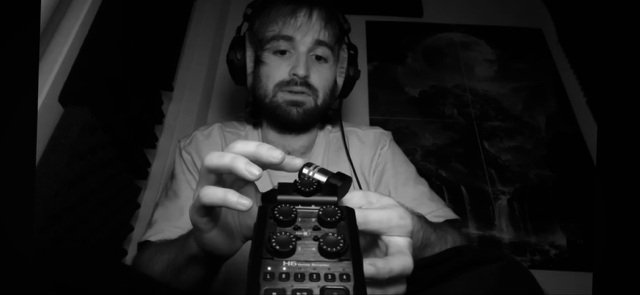
Patrick's ASMR, a YouTube channel launched in 2023, focuses on calming sound experiences designed to help viewers relax and prepare for sleep. Through whispering, tapping, brushing sounds, and slow pacing, the channel reflects a growing shift toward quieter forms of content consumption.
According to the creator, overstimulation affects relaxation because the brain adapts to constant input. When the pace suddenly stops at night, many people feel mentally restless rather than calm.
"I hear from viewers who say they lie down and their thoughts feel louder than the room," the creator explains. "Their mind has been jumping between screens and notifications for hours. Quiet feels unfamiliar to them."
Research supports this pattern. Studies from sleep and behavioural health organisations continue to show that excessive screen exposure and high stimulation before bed can interfere with sleep quality and increase mental fatigue.
The creator behind Patrick's ASMR believes many people underestimate how difficult modern media habits make it to relax.
"A lot of content today is designed to hold attention aggressively," the creator says. "Everything competes for reaction. ASMR works differently because it removes pressure instead of adding more."
That difference has helped ASMR become part of many viewers' nighttime routines. Instead of relying on fast entertainment before sleep, people increasingly seek slower and more repetitive experiences that help reduce mental noise.
One pattern the creator has noticed is that viewers often return to the same sounds repeatedly.
"I had someone tell me they listen to the same tapping video every night because their brain recognises it as a signal to slow down," the creator says. "That consistency matters more than people think."
Patrick's ASMR approaches sound with careful pacing and minimal interruption. Sudden noises and sharp transitions are intentionally avoided to create a more stable listening experience.
"Even one loud sound can pull someone back into alertness," the creator explains. "That's why calm content has to feel steady from beginning to end."
As conversations around stress, sleep, and attention fatigue continue to grow, the creator believes more people are beginning to understand the value of intentional quiet.
"People aren't just tired," the creator says. "They're overstimulated. Those are two different things."
Patrick's ASMR continues to focus on creating quiet, thoughtful sound experiences that help viewers step away from constant input and reconnect with moments of calm.
Media Contact:
https://www.patrickmarcotteasmr.com/
SOURCE: Patricks ASMR