




Thursday, 27 August 2026 10:00 AM
Product Announcements
How integrated hardware, connection resilience, and remote management simplify distributed outdoor deployments.
CHANTILLY, VA / ACCESS Newswire / August 27, 2026 / TMs, vending machines, fuel dispensers, and outdoor surveillance systems operate in very different environments. Yet they all need to send operational data over cellular networks and remain manageable from afar. For equipment manufacturers and system integrators, selecting a router is only the starting point. The real deployment questions are practical: Where will it be mounted? How will it be powered? And how will the site recover when the connection fails?
Traditionally, the router sits inside a metal cabinet while cellular antennas are brought outside on RF feeder cables. This protects the router and reduces the shielding effect of the cabinet, but it shifts complexity into the installation. Antennas must be mounted, cables routed, holes cut, and connectors sealed. Those details may be manageable at one location; across hundreds of sites, they translate into more labor, more components, and more potential points of failure.
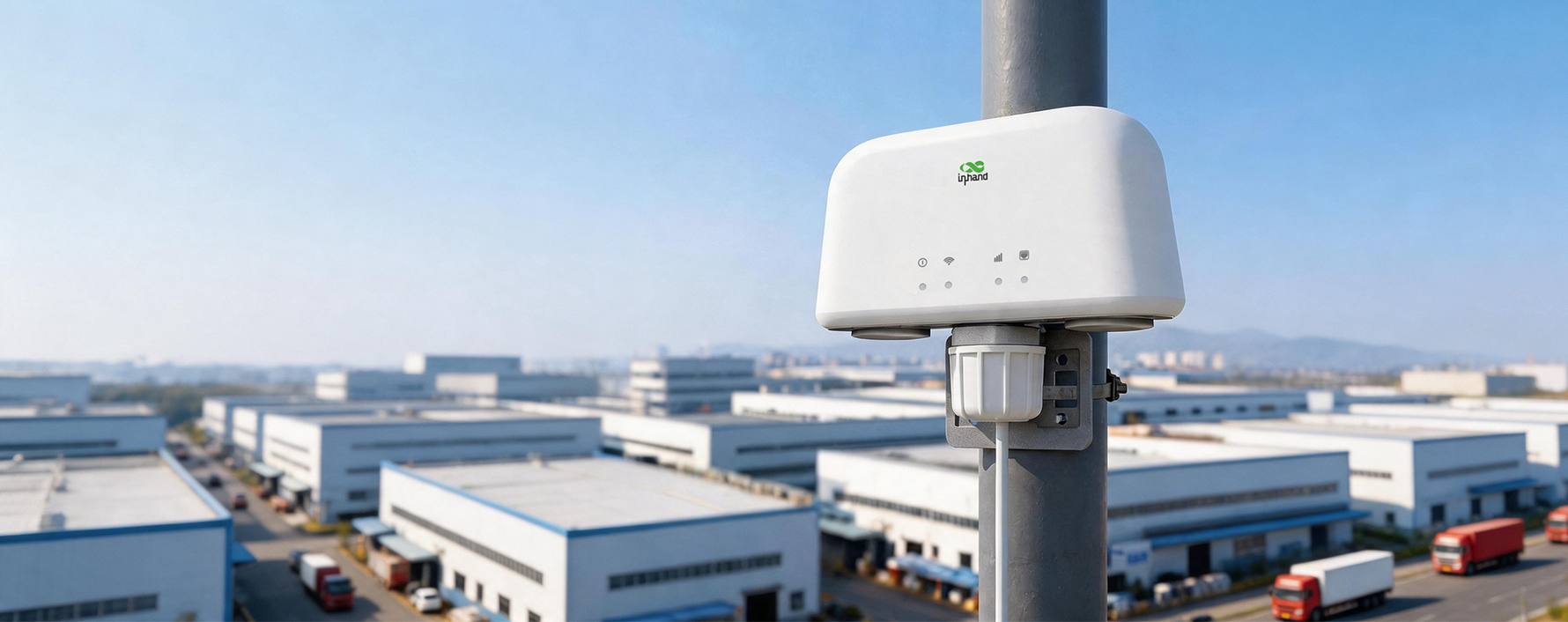
That is the context for InHand Networks' ODU302, a 4G outdoor router coming soon to international markets. It combines routing, cellular and Wi-Fi antennas, and IP65 environmental protection in a single enclosure. Instead of assembling the antenna system and weatherproofing components at every site, integrators can start with those elements already built into the device.
*Carrier certifications with AT&T, T-Mobile, and Verizon are currently in progress.*
Why Metal Cabinets Complicate Cellular Connectivity
Placing a router inside a cabinet is common in self-service equipment. It keeps the electronics protected and close to the power source and connected devices. The drawback is RF performance: metal attenuates cellular signals, so the antennas generally still need to be mounted outside the enclosure. That brings feeder-cable length, routing, cabinet entry points, and sealing into the design.
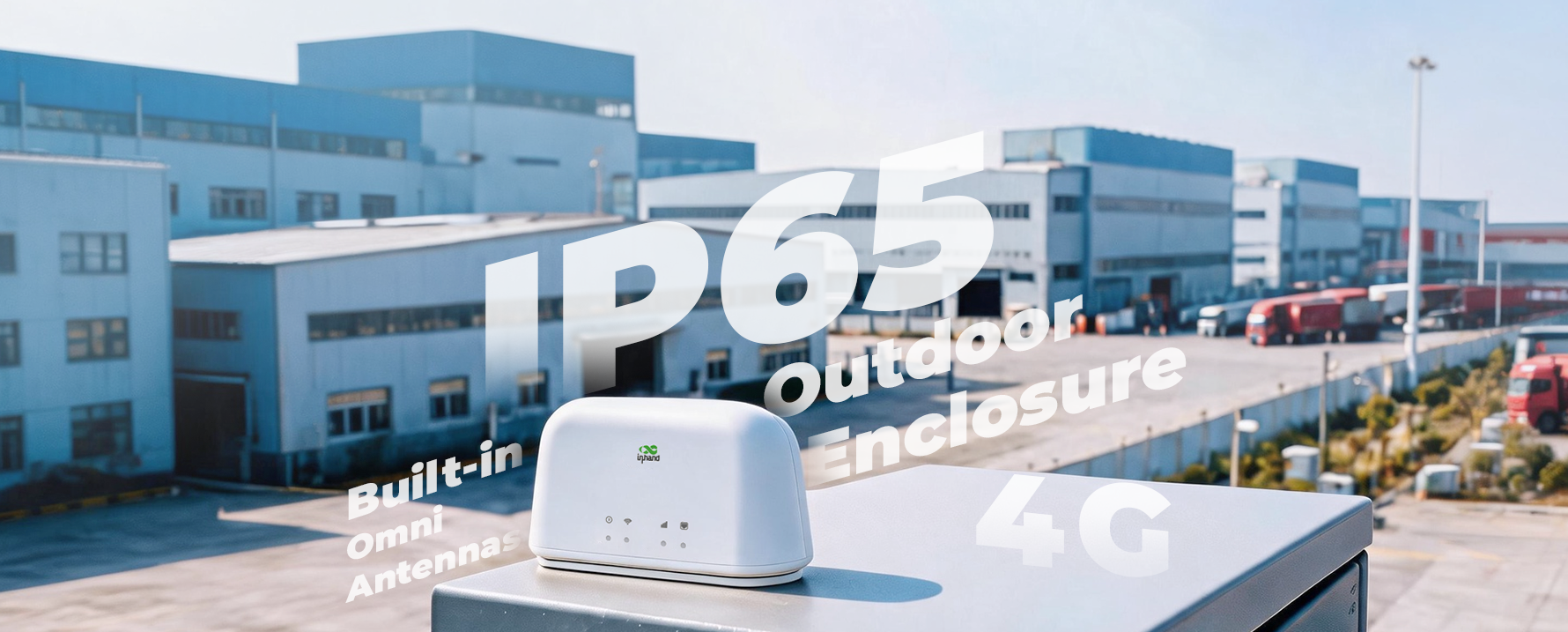
The ODU302, takes a different approach. Two 4G antennas and one Wi-Fi antenna are integrated into its IP65-rated enclosure, allowing the complete unit to be installed outside the cabinet. Compared with a conventional "router inside, antennas outside" setup, this removes RF feeder cables and external antenna connectors. It also avoids feeder-cable signal loss and eliminates connector seals as potential failure points.
External mounting is not a substitute for a site survey. Carrier coverage, mounting height and position, and nearby obstructions will still determine RF performance. The benefit is more specific: the ODU302 reduces the work and risk created by installing the router and antennas in separate locations.
Installation Is Still Site-Specific
There is no single mounting pattern for outdoor machines. ATMs and self-service terminals need an installation that works with the cabinet. Warehouses and industrial parks may provide a suitable wall surface, while outdoor cameras are often deployed on poles. Each condition changes both the mechanical installation and the available options for power and cabling.
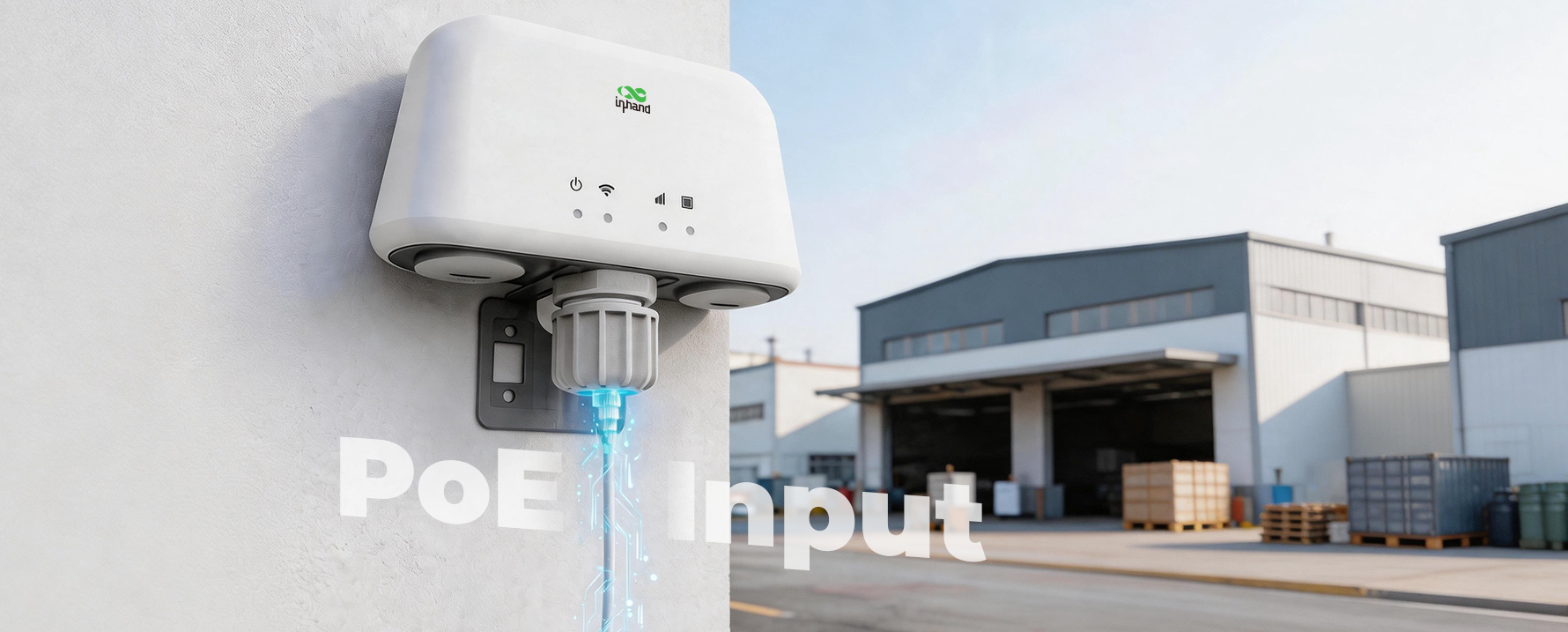
The ODU302, supports top, wall, and pole mounting. Top mounting allows the unit to be integrated with ATMs, self-service terminals, and similar equipment, while wall and pole mounting cover common outdoor structures. For power, the router supports IEEE 802.3af PoE input and 9-36 V DC input. Where Ethernet cabling is already in place, PoE allows one cable to carry both power and data. If the machine has an available DC supply, the DC input can be used instead.
This flexibility does not make the device a universal fit. Cabinet construction, wall load capacity, pole diameter, Ethernet cable length, and available power must still be checked during site design.
What Happens When an Unattended Site Loses Its Connection?
When an unattended device drops offline, the management system often reveals only one fact: the device is unreachable. The cause could be a failed cellular session, a fluctuation in the carrier network, a wired WAN outage, or a fault in the router itself. Manual restarts and on-site troubleshooting may work for a handful of locations, but they scale poorly across a widely distributed fleet.
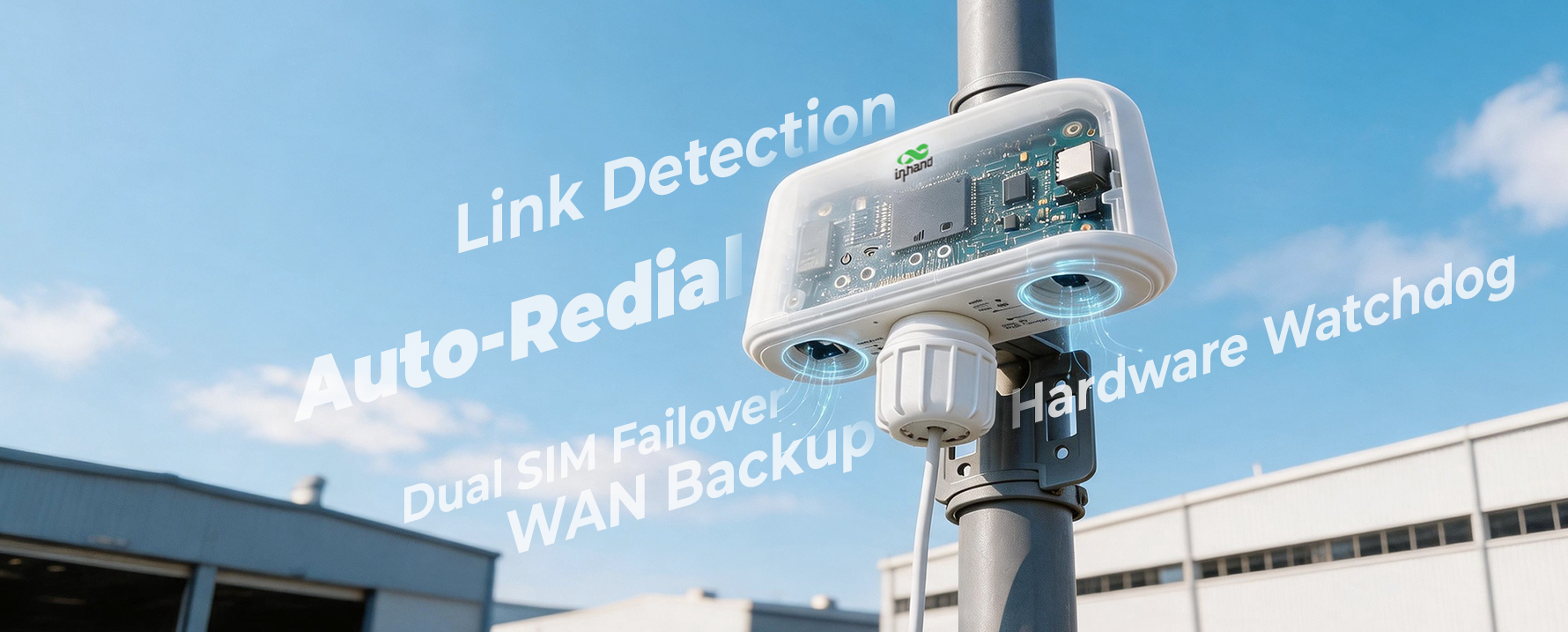
The ODU302, provides several recovery paths. If the primary SIM fails to connect or its signal falls below a configured threshold, the router can switch to the backup SIM. Cellular and wired WAN links can also operate as primary and backup connections. ICMP, TCP, or DNS probes monitor reachability and can trigger redial after a disconnection, while a built-in hardware watchdog helps the router recover from certain device faults.
These features can reduce the number of incidents that immediately require a site visit, but they do not eliminate external dependencies. Carrier selection for each SIM, cellular-to-WAN failover rules, power quality, and physical cabling still need to be designed around the application's availability requirements.
How Do Teams Maintain Visibility Across Distributed Sites?
With one device, checking indicator lights, reviewing the configuration, and restarting the router is straightforward. Across stores, industrial parks, and roadside locations, the first challenge is diagnosis: operations teams need to know which device has failed and why before dispatching a technician. If every alert ends in a site visit, remote management has delivered little operational value.
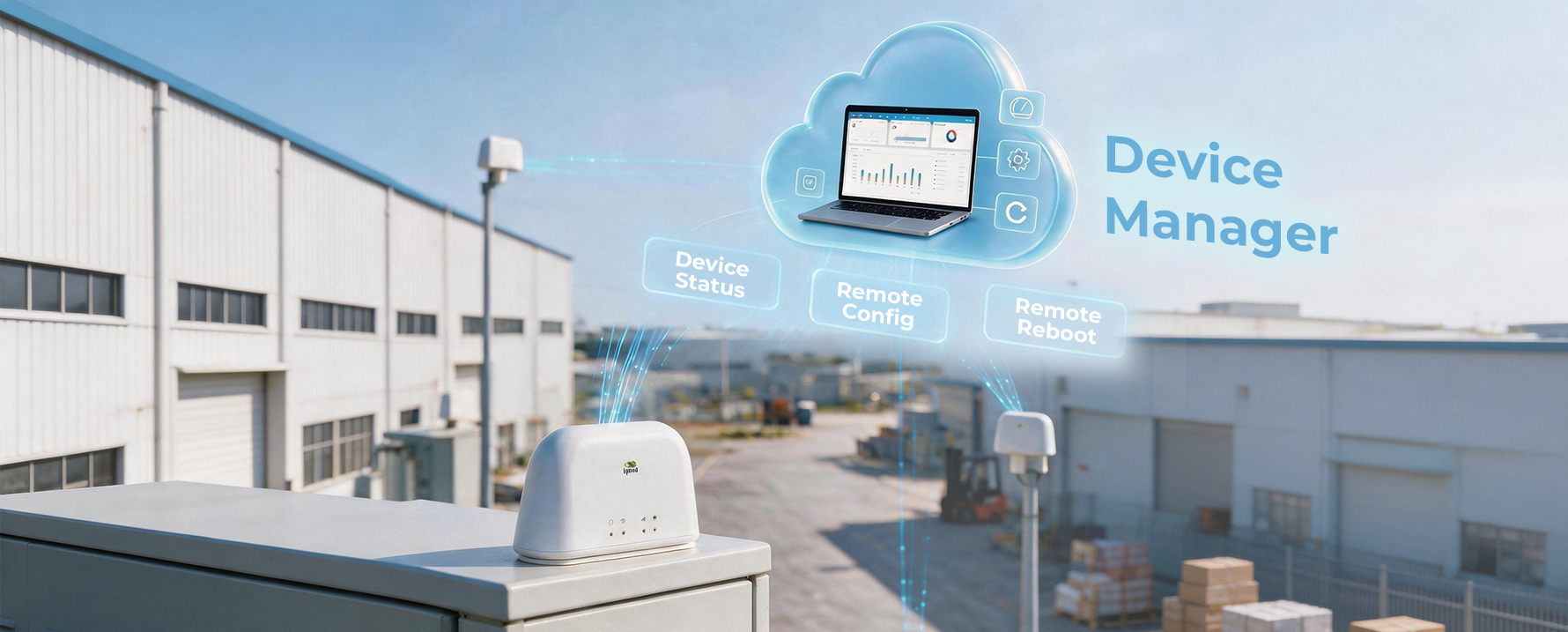
The ODU302, supports InHand Device Manager, allowing teams to view device status, push configurations, upgrade firmware, reboot devices, and review traffic statistics and alerts remotely. For deployments that connect to a business platform or private network, the router also supports VPNs, a stateful firewall, and access controls.
Cloud management cannot tighten a loose terminal, replace a damaged cable, or restore an external power supply. Its value lies in triage: distinguishing a configuration or software issue from a physical fault, shortening diagnosis time, and reserving site visits for cases that genuinely require hands-on work.
Where an Integrated Outdoor Router Makes Sense
The ODU302, is best suited to projects that deploy outdoor machines across many locations with a similar connectivity and maintenance model. ATMs, vending machines, and fuel dispensers can use top mounting to place the router outside the metal cabinet. Outdoor surveillance sites can use pole mounting with either PoE or DC power. Warehouses, industrial parks, and distributed commercial sites can select an installation approach based on the walls, poles, power, and maintenance resources available at each location.
An integrated outdoor router is not a universal replacement for a split architecture. Projects that require a particular directional or high-gain antenna may still benefit from separate components. The same is true where enclosures, feeder cables, and weatherproofing methods have already been standardized. In those cases, a split design retains valuable configuration flexibility.
For suitable projects, however, the value of integration goes beyond removing a few external accessories. Mounting, power, connectivity resilience, and remote operations can be considered together during equipment selection. That reduces the number of variables left for installers to resolve independently at each site.
At scale, repeatability becomes an operational advantage. A design that reduces installation variables, enables automatic recovery, and gives operations teams fleet-wide visibility can shorten rollout time, reduce unnecessary site visits, and make service levels easier to maintain. The larger value of an integrated outdoor router is therefore not simply that it places connectivity outside the cabinet. It turns outdoor connectivity into a system that can be deployed, supported, and expanded with less uncertainty.
For equipment manufacturers and system integrators, that shifts the conversation from the specifications of a single router to the lifecycle economics of the entire deployment.
About InHand Networks
InHand Networks provides IoT and networking solutions for business networking, industrial IoT, smart commerce, digital energy and mobility. Its products and cloud services help organizations connect and manage operations across distributed sites. Learn more at https://www.inhand.com.
Media Contact
Eleanor Chen
Marketing & Communications
[email protected]
SOURCE: InHand Networks