




Thursday, 16 July 2026 04:00 AM
Company Update
SHANGHAI, CN / ACCESS Newswire / July 16, 2026 / "The foundation and ultimate goal of AI development lies in green electricity, primarily from solar and wind power." During an interview with an authoritative media, Gao Jifan, Chairman and CEO of Trinasolar, summarized what is rapidly becoming one of the defining trends of the AI era.
In Gao Jifan's plan for the company's future, the 1.0 stage is focused on PV technology and product innovation; the 2.0 stage on integrated innovation across PV, energy storage and distributed energy; and the 3.0 stage on comprehensive smart energy solutions, including Electricity-Computing Synergy. The goal is to become a green-computing-power infrastructure service provider for AI Data Centers (AIDCs), while transforming into a global leader in smart PV and energy storage solutions.
Benchmark Projects Strengthen First-Mover Advantage
A clear example is the Sanjiangyuan Green Power Intelligent Computing Microgrid Demonstration Project, jointly developed by Trinasolar and China Unicom. Rows of photovoltaic modules, energy storage systems, and intelligent control technologies work together to continuously supply renewable electricity to an AI computing center.
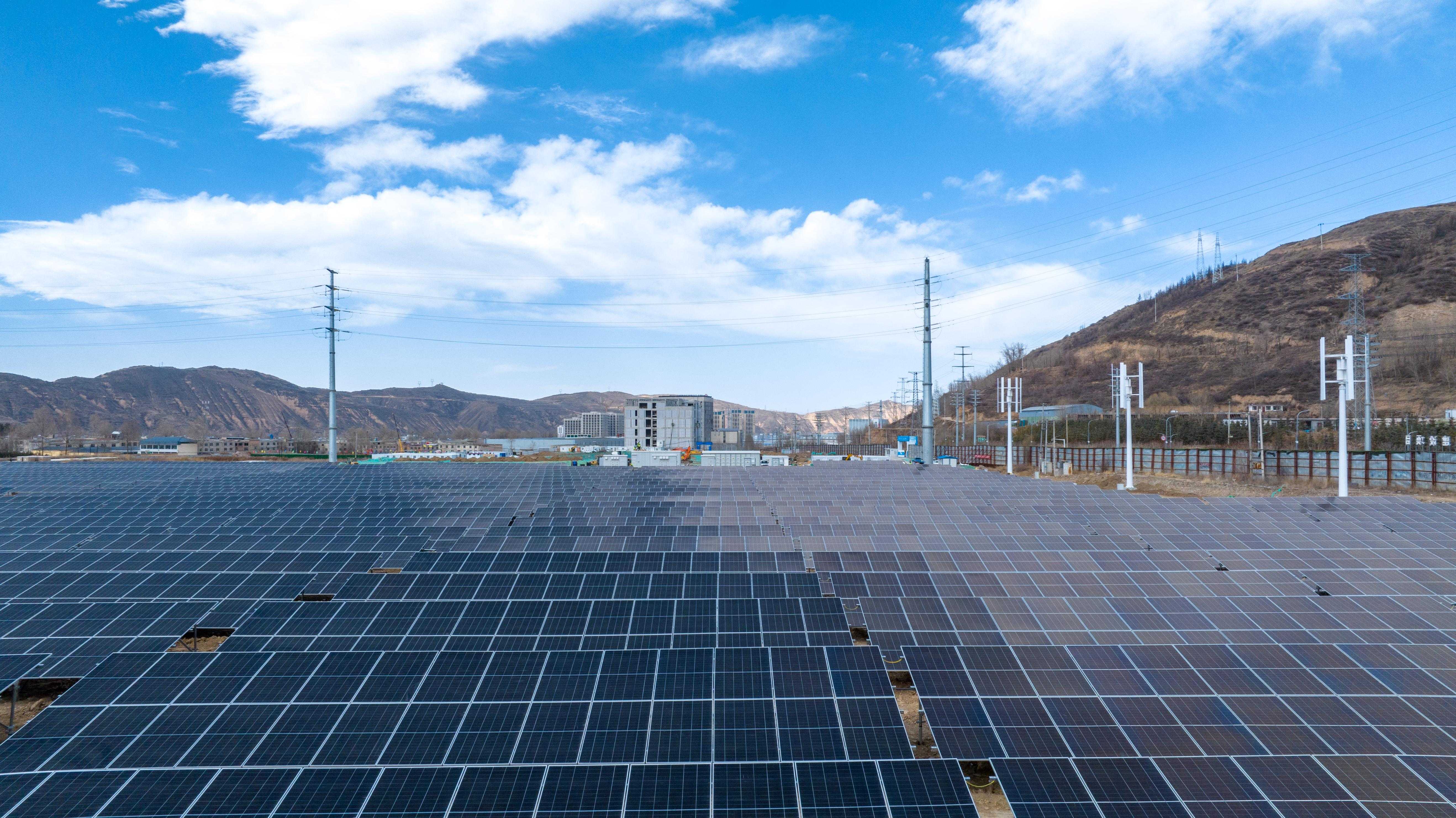
This project is expected to supply more than 10 million kWh of electricity annually and reduce carbon dioxide emissions by 8,196 metric tons per year. Electricity costs have been reduced by about 50%, while overall operating costs have fallen by 15%. It has become one of China's largest operational benchmark projects in Electricity-Computing Synergy, truly enabling zero carbon emissions across the full lifecycle of the computing center, forming a five-dimensional intelligent microgrid system: "Source-Grid-Load-Storage-Computing".
Technological Innovation Strength Builds a Competitive Moat
Fortune recently released its 2026 Tech 50 list, which aims to identify leading technology companies with sustained innovation focus and the ability to lead industrial transformation. In the new energy sector, only a small number of leading companies were selected. Trinasolar was named to the list again on the strength of multiple generations of PV technology iteration, a full-stack in-house core energy storage technology system and a forward-looking layout in Electricity-Computing Synergy.
Technological depth is a key foundation for the recognition. Leveraging its innovation platforms, Trinasolar has continued to deepen its industry-academia-research collaborative innovation mechanism. Due to June 2026, the company had set or broken world records in PV cells and modules 41 times. In crystalline silicon solar cells, Trinasolar's self-developed, industrial large-area n-type i-TOPCon solar cells have achieved a peak efficiency of 26.68%, the THBC cell reached 28.00%, and the mass-production-size HJT cell achieved a conversion efficiency of 27.08%. In perovskite solar cells, the laboratory's small-area perovskite/crystalline silicon two-terminal tandem cell reached an efficiency of more than 35%, while the 210mm large-area, 2-terminal perovskite/silicon tandem solar cell reached 32.6% efficiency. In III-V multi-junction solar cells, its thin-film gallium arsenide cell reached an efficiency of 36.9%.
Unlike the development model followed by many companies in the industry, which focuses on external technology integration and shallow capacity iteration, Trinasolar has built a complete, independently controllable and layered technological innovation system. The company sees crystalline silicon-perovskite tandem technology as a key pathway toward ultimate efficiency, and has defined a clear three-phase roadmap:
2024: TOPCon leads the efficiency upgrade
2026: Industrialization of TOPCon 3.0 and the dual-engine model with THBC
2030: A multi-technology landscape where crystalline silicon-perovskite tandem, TOPCon 3.0, and THBC advance in parallel as three core technology pillars.
Trinasolar continues to drive commercialization of next-generation PV technologies. TOPCon 3.0 has further strengthened its position as the mainstream technology for utility-scale projects, delivering higher energy yield through ultra-high bifaciality and superior low-irradiance performance, with 2%-3% higher energy generation than conventional technologies in challenging environments. THBC, combining TOPCon, HJT passivation and back-contact architecture, is designed for premium distributed rooftop markets. Meanwhile, Trinasolar's perovskite/crystalline silicon tandem module has surpassed 907W in power output and recently secured its first order from a premium global distributed customer.
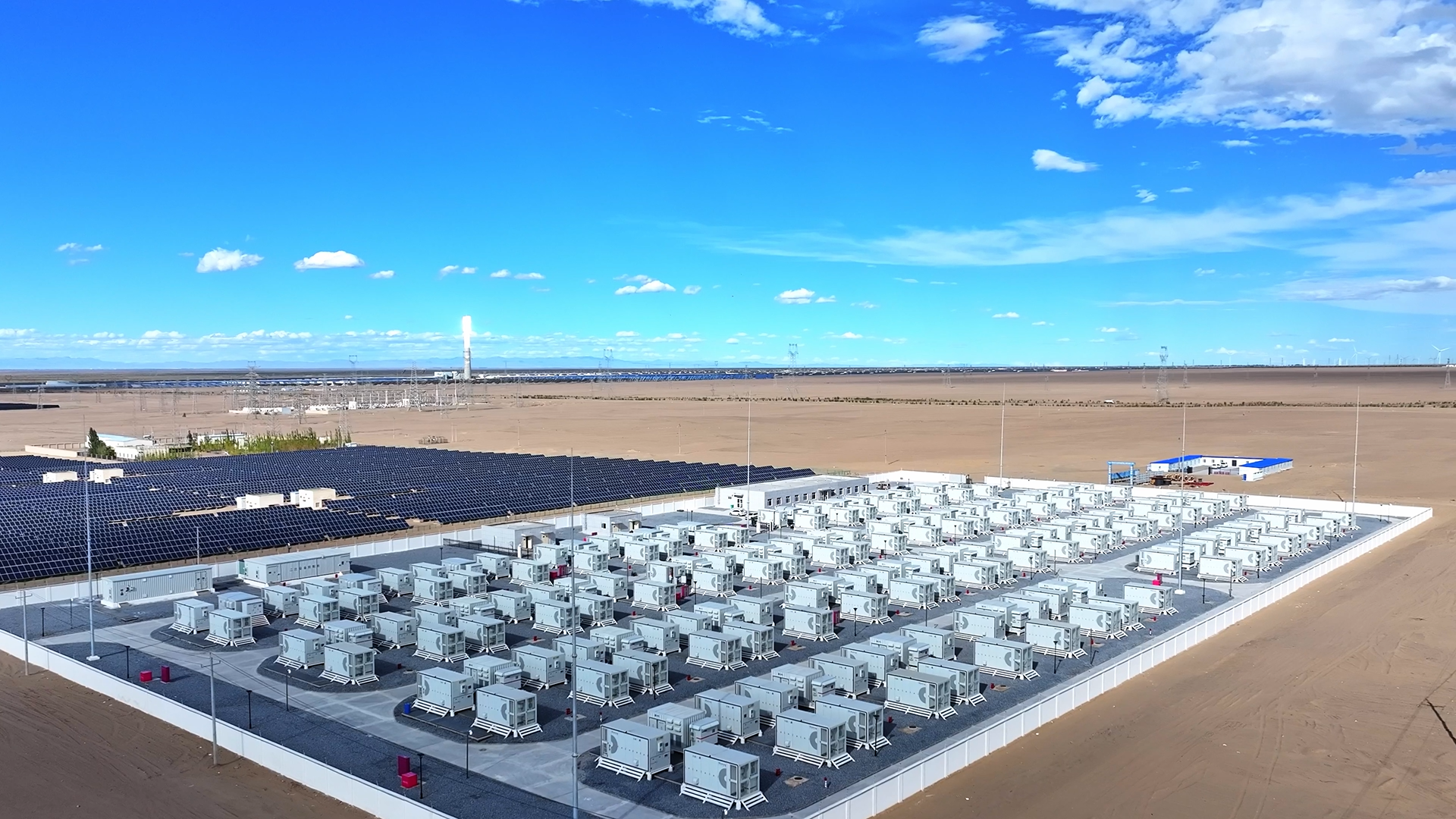
Beyond PV innovation, Trinasolar has built a full-stack, in-house energy storage technology platform, creating a key competitive advantage in Electricity-Computing Synergy. Through its subsidiary Trina Storage, the company has established an integrated technology system spanning battery cells, modules, containers, storage systems, Cell-to-AC platforms and smart operations. Building on these capabilities, Trinasolar is extending from green power to AI computing, developing an integrated business model that combines direct green-power connection, energy storage, computing infrastructure and computing operations to deliver efficient, reliable and low-carbon energy solutions for AI data centers worldwide.
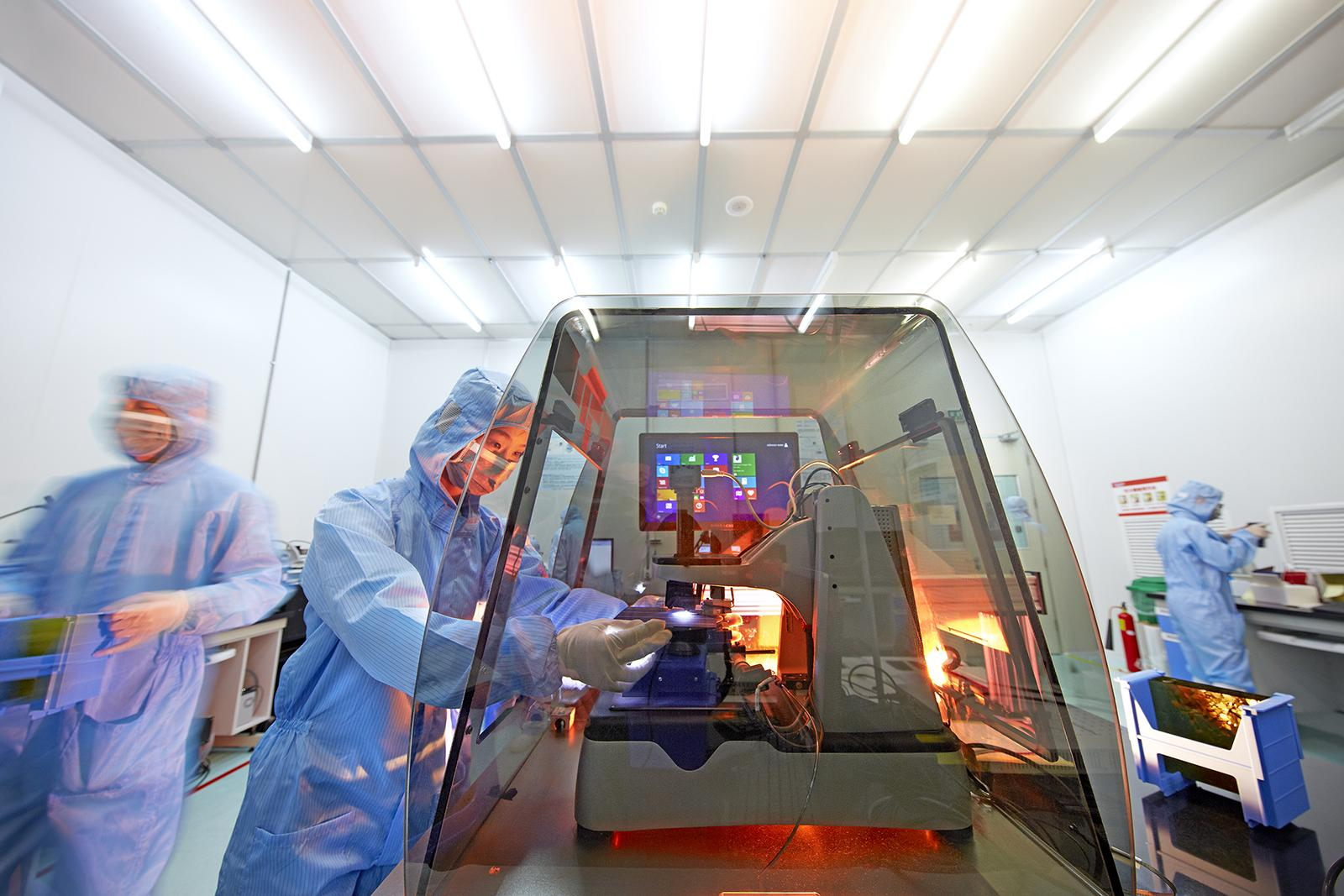
Beyond this, Trinasolar is applying AI technologies across product R&D and manufacturing processes to improve quality and efficiency. In the R&D of perovskite tandem cells, AI enables large-scale molecular screening, accurately identifying molecules that meet the required criteria and significantly improving the speed and efficiency of research. AI is also being applied in smart manufacturing, enabling automated and intelligent production and quality inspection on production lines.
AI and Green Energy Reinforce Each Other
Trina Solar founded in 1997 and successfully listed on the SSE STAR Market in 2020, after nearly three decades of development, become one of the few leading smart energy companies worldwide with a full-stack portfolio spanning "PV products, energy storage, system solutions and digital energy service."
Gao Jifan has a clear view: "The ultimate destination of AI is energy, especially green energy, and the two reinforce each other. Integrating green energy with green computing power is a global direction of development."
"We are moving toward the goal of large-scale implementation of Electricity-Computing Synergy and Zero-Carbon Industrial Park scenarios, and striving to become a leading enterprise in smart energy and Electricity-Computing Synergy," Gao Jifan said, expressing confidence in the company's next decade.
Media Contact:
Trinasolar
Xu Le
[email protected]
SOURCE: Trinasolar