



Monday, 22 June 2026 03:00 PM
Company Update
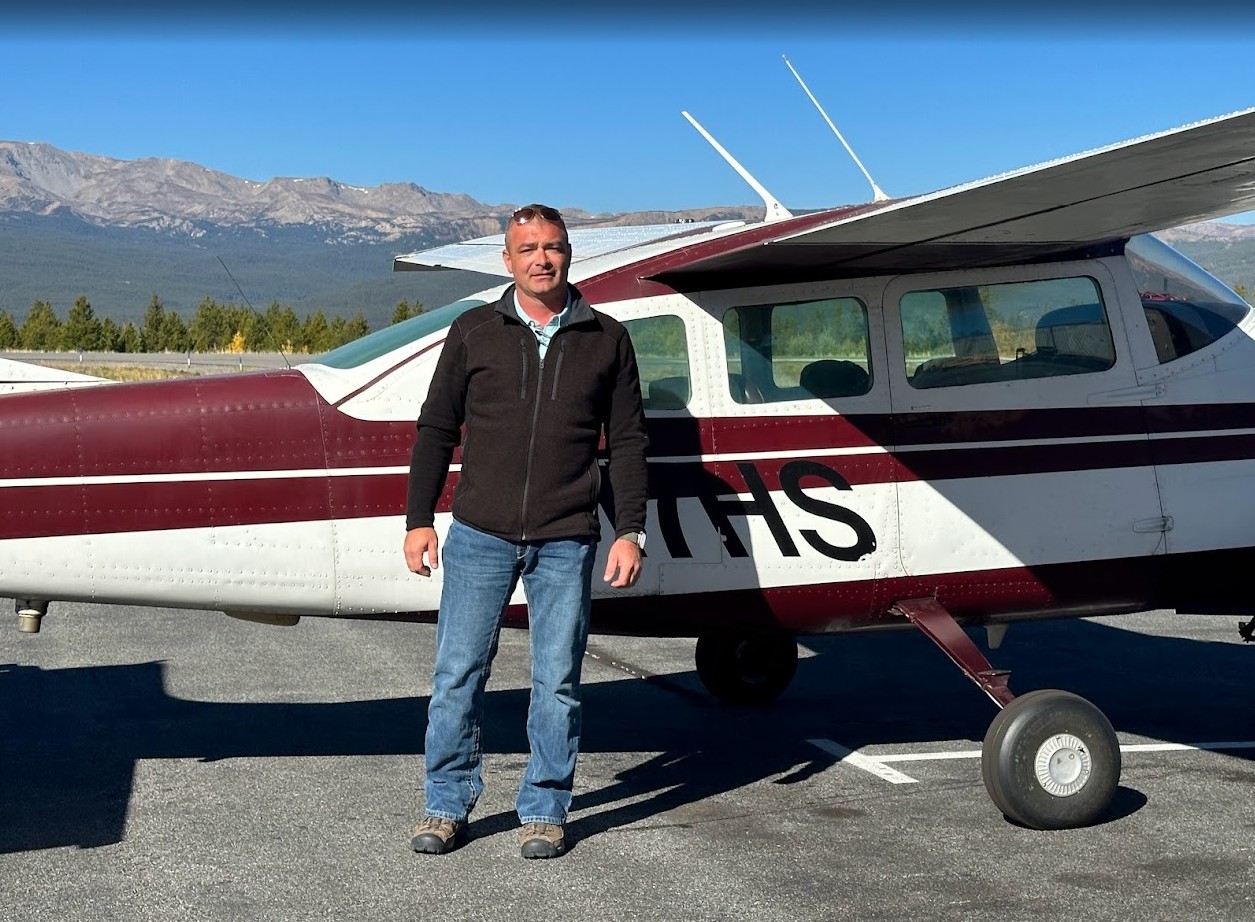
Matt Riley of Red Oak, Iowa, calls attention to the economic and public safety value of general aviation airports in rural America.
RED OAK, IA / ACCESS Newswire / June 22, 2026 / Business owner, mission pilot, and aviation advocate Matt Riley is encouraging communities to recognize the important role general aviation airports play in supporting economic growth, emergency response, and connectivity in rural America.
As a lifetime member of the Experimental Aircraft Association (EAA), a volunteer Young Eagles pilot, and a mission pilot with the Civil Air Patrol, Riley has spent years flying in and out of small airports across the Midwest. He believes many people underestimate how much these facilities contribute to their communities.
"Most people see a runway and a few hangars," Riley said. "What they don't see are the businesses, emergency services, agricultural operations, and transportation connections that depend on that airport being there."
According to the Federal Aviation Administration, there are more than 5,000 public-use airports in the United States, and the vast majority support general aviation rather than commercial airline service. The aviation industry also contributes more than $1.8 trillion annually to the U.S. economy and supports millions of jobs, according to federal economic impact studies.
In many rural areas, general aviation airports serve as critical transportation hubs for business travel, agricultural aviation, medical flights, disaster response, and search-and-rescue operations.
"I've landed at airports where a crop-dusting operation, a medical transport flight, and a local business owner were all using the same facility on the same day," Riley said. "Those airports support far more activity than many people realize."
Riley notes that small airports often become especially valuable during emergencies. Weather events, natural disasters, and medical emergencies can limit access to larger transportation networks. General aviation airports provide an alternative point of access when time matters most.
Through his work with the Civil Air Patrol, Riley has participated in missions that relied on local airport infrastructure to support operations.
"When communities invest in airports, they're not just investing in aviation," he said. "They're investing in readiness. They're investing in the ability to respond when something unexpected happens."
Beyond emergency access, Riley believes general aviation airports help attract investment and support local economic activity. Companies often consider transportation infrastructure when deciding where to locate facilities or conduct business.
"People tend to focus on highways, and those are important," Riley said. "But airports connect rural communities to opportunities that might otherwise be out of reach."
The National Association of State Aviation Officials has reported that general aviation airports generate billions of dollars in economic activity each year through employment, business development, tourism, and related services. Many airports also support maintenance operations, flight training, aircraft sales, fuel services, and agricultural aviation businesses.
Riley says exposing younger generations to aviation is another important benefit.
As a volunteer Young Eagles pilot, he has introduced young people to flying and has seen firsthand how aviation can spark interest in careers involving science, engineering, mechanics, and public service.
"I've watched kids climb out of an airplane with a completely different view of what's possible," Riley said. "Sometimes all it takes is seeing something up close."
Call to Action
Riley encourages community members to learn more about their local airport by attending aviation events, airport open houses, educational programs, or community meetings. He believes a stronger public understanding leads to stronger support for infrastructure that benefits entire regions.
"Even if you never plan to fly an airplane, your local airport is working for you," Riley said. "The more people understand that, the stronger these communities will be."
About Matt Riley
Matt Riley is a Red Oak, Iowa-based business owner, mission pilot, volunteer aviator, and community advocate. His background includes construction, real estate, public safety service, aviation, and emergency response. He is a lifetime member of the Experimental Aircraft Association, a Young Eagles pilot, and serves with the Civil Air Patrol.
Media Contact:
Matt Riley
[email protected]
https://www.matthewrileyleader.com/
SOURCE: Matthew Walter Riley