



Wednesday, 04 March 2026 09:15 PM
Lawsuits
Policy Analyst Calls for Potential Lawsuit of Alleged Constitutional Irregularities and Their Broader Implications
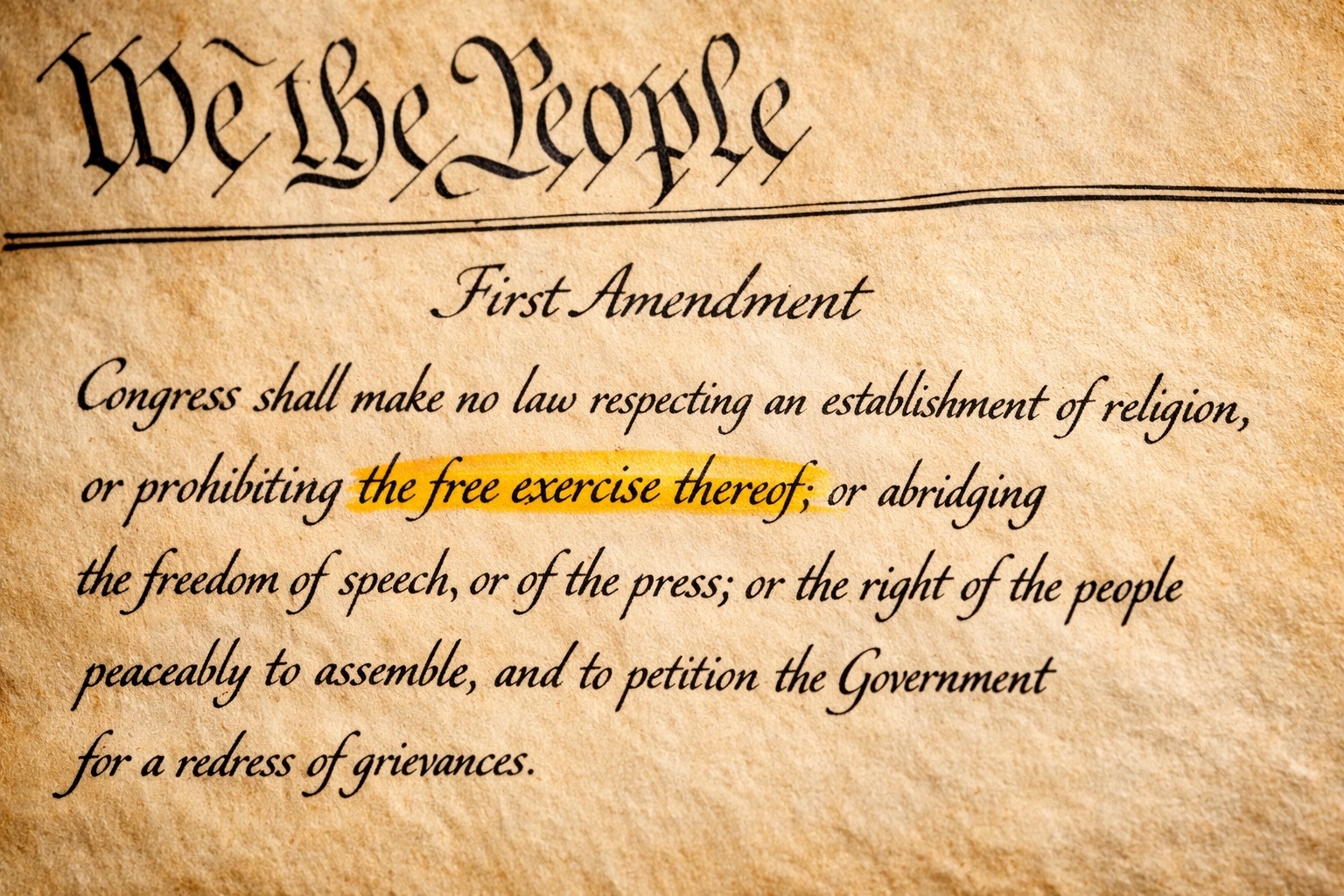
COMPTON, CA / ACCESS Newswire / March 4, 2026 / Marcus T. Brooks, Editor-in-Chief of the intelligence and policy analysis website The Brooks Brief, is seeking independent legal review for a potential lawsuit regarding what he believes may have been violations of constitutional rights during legal proceedings, including potential restrictions on his ability to fully present a First Amendment free exercise of religion argument in court.
The Brooks Brief is an intelligence-focused platform that analyzes domestic and foreign policies around the world, examining how governmental actions impact civil liberties, national security, and constitutional governance. As Editor-in-Chief, Mr. Brooks has written extensively on issues involving state power, institutional accountability, and the balance between security and individual rights.
This potential legal action carries broader significance beyond one individual case. If substantiated, the issues under review could raise concerns about whether other citizens may have experienced similar limitations on their constitutional protections. Alleged procedural restrictions or constitutional violations, if found to exist, would not only affect one defendant but could signal systemic concerns involving state or federal agencies within the United States.
Mr. Brooks maintains that constitutional rights must be consistently upheld for all citizens, regardless of viewpoint, belief, or background. The independent legal review is intended to determine whether due process and First Amendment protections were properly applied, and whether further legal steps, including but not limited to civil lawsuits, are warranted.
Mr. Brooks holds a degree in Political Science and has a long-standing interest in civic engagement and constitutional governance. Through his website, The Brooks Brief, he analyzes foreign and domestic policy issues, with particular attention to how government decisions affect civil liberties and individual rights. His academic background and policy work inform his belief that constitutional protections must be applied consistently and without discrimination.
Mr. Brooks believes procedural decisions in some cases may have limited the ability to assert certain constitutional defenses. He is requesting a thorough legal analysis of court records, charging decisions, and judicial rulings to determine whether due process protections were fully upheld.
"This isn't just about me," Mr. Brooks said. "If one person can be prevented from arguing their constitutional rights in court, then every person's rights are in jeopardy."
The investigation will evaluate:
Whether charging decisions were proportionate
Whether due process protections were followed
Whether First Amendment arguments were limited or excluded
Whether there is a viable civil rights claim warranting further legal action
If these claims are found to have merit and the case moves forward, potential outcomes could include:
Clarification or expansion of the First Amendment free exercise protections in court
Increased awareness and accountability regarding overcharging or procedural irregularities
Possible legal remedies or compensation for civil rights violations
If Mr. Brooks were to prevail in trial or reach a settlement, the broader implications could be significant for all United States citizens:
Reinforcing the principle that all citizens have the right to fully present constitutional defenses
Establishing a precedent that discourages governmental overreach or retaliation against individuals for exercising religious rights or any other legal right
Empowering others who may face similar procedural barriers to assert their rights without fear of suppression
Mr. Brooks emphasizes that this effort is about accountability and transparency within the legal system.
"Young people are inheriting a legal system where freedoms and rights are slowly eroding; the more laws that are passed each year, the less liberties citizens have," he said. "If constitutional rights only work for certain people or viewpoints, then they are not rights, they are privileges. Religious freedoms are often overlooked by society, but they were enshrined in line one of Amendment One. This demonstrates how important the Founding Fathers considered the right to freely practice, or not practice, one's religion. Before addressing freedom of the press, speech, or the right to petition grievances, they recognized the necessity for people to worship, or not worship, their creator freely."
Mr. Brooks states that his objective is not publicity, but principled examination of whether constitutional guarantees were properly respected.
Contact
Marcus T. Brooks
Email: [email protected]
SOURCE: The Brooks Brief