




Monday, 05 October 2026 07:00 AM
Company Update
Agriculture still operates reactively: decisions get made after a problem appears, or after a machine's periodic pass through the field. Solinftec argues the industry needs a different operating model - autonomous intelligence that lives in the field permanently, measured by what it stops asking of the farmer.
SÃO PAULO, BR / ACCESS Newswire / October 5, 2026 / Solinftec was born in Brazil, inside one of the world's largest agricultural systems - forcing it to solve problems of scale and coordination early. The AI- and blockchain-driven hardware and software that resulted, including the field robot Solix, has since expanded beyond its origin.
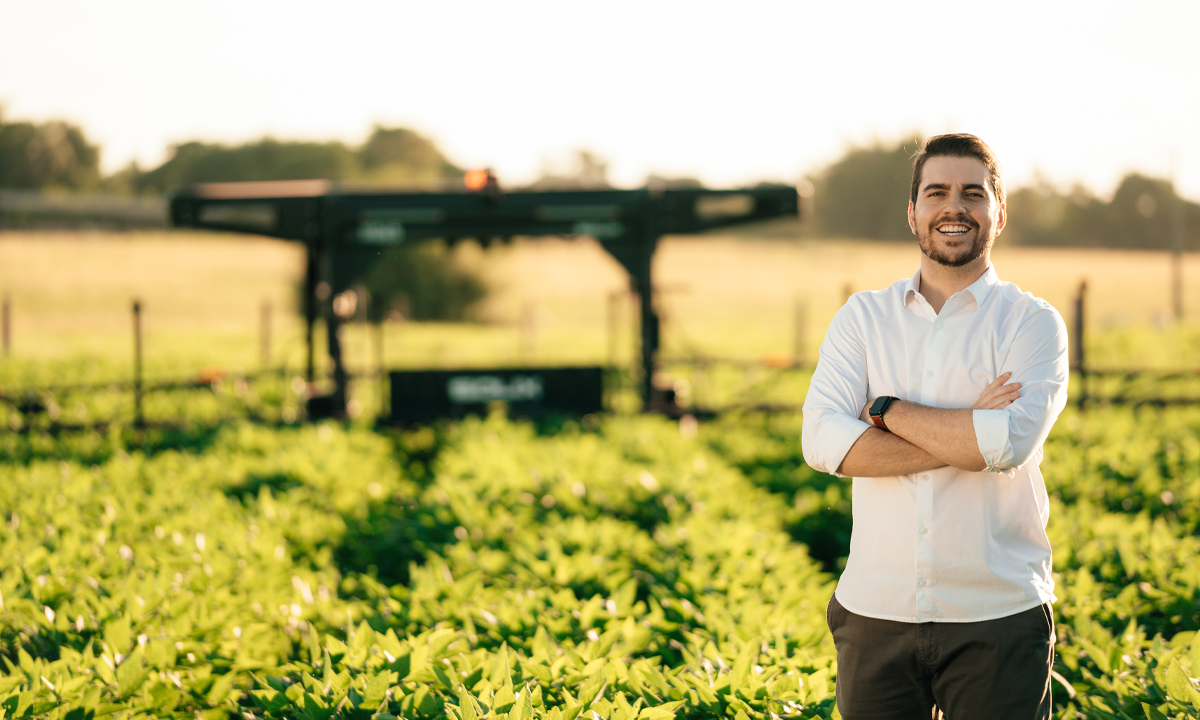
Underneath it is more than a decade of data: Solinftec's systems have run on artificial intelligence since 2007, processing trillions of gigabytes a year to guide decisions on weather, seed efficiency and input use.
What the company is building now is not a better machine. It is an argument about what a farm should be made of.
Agriculture Cannot Keep Operating Reactively
Three pressures now sit on every large operation: fewer people to operate machines, chemical and fuel cuts moving from preference to requirement, and pressure to produce more from less land, labour and inputs.
Most decisions are still made after the fact - once a problem is visible, or a machine has made its periodic pass. That is the structural flaw: agriculture operates reactively.
Solinftec's position: the industry does not need more technology - it needs a different operating model. Technology that adds to the workload is part of the problem. The best technology works quietly, reads the context, decides, and asks nothing of the farmer's attention - freeing them to focus on what matters.
Physical AI, Living in the Field
Most agricultural technology visits a field, collects data and leaves. Acting on what it found can take days.
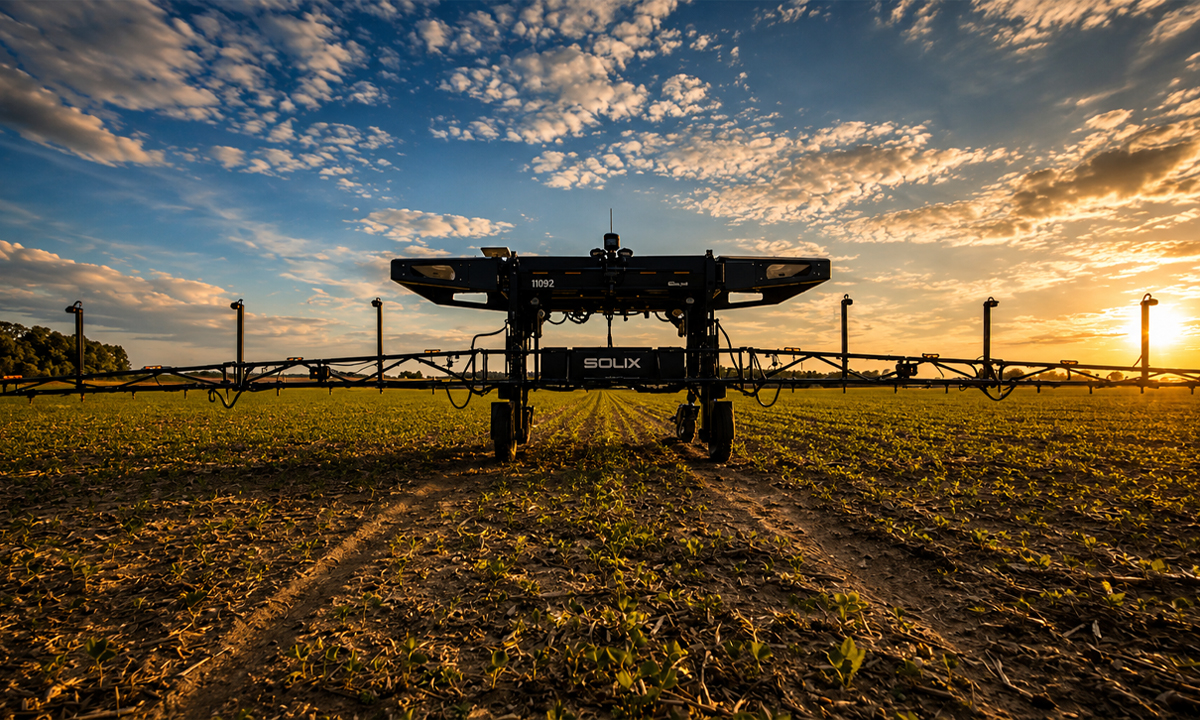
Solix stays. Solar-powered and autonomous, it remains in the field rather than returning to a shed each night, reading the crop plant by plant and treating each weed individually - seeing and acting in a single pass, with no operator on board or remote steering. Data reaches the grower in real time.
Conditions shift by the day - rain falls, weeds return - so a single visit is outdated. A sprayer sees the field three times a season; Solix never stops looking.
That permanence changes the category. AI that only analyses information is software. AI that observes continuously, decides and acts is something else: a closed cycle of observe, decide, act and learn. Solinftec calls this living the field - autonomous intelligence that becomes part of the farm's infrastructure.
Freedom per Acre
The engineering rests on a philosophy: technology should remove the constraints that have limited the farmer, not add to them. Solinftec calls this freedom per acre - three freedoms follow.
Freedom of time. Autonomous systems absorb the work that used to demand supervision. Those hours go back to the farmer - not a yield metric, but hours regained.
Freedom of choice. Under the traditional dealer model, modifying a machine can void its warranty, tying owners to one dealer for parts and repairs - like being told to take your car to the dealership instead of a trusted mechanic. Solinftec's way out: smart glasses with a digital repair manual, an online parts store, and equipment a farmer can take apart and reassemble like furniture - cutting the dealer markup.
Freedom of resources. Permanent presence makes precision possible: Solix treats only what a field needs instead of spraying on a schedule - less herbicide, fuel and waste, and lower exposure for people nearby.
"We don't just launch products. We introduce new concepts that reshape how we think about agriculture, then build the technology to make those ideas real," said Carvalho.
From Machines to Autonomous Infrastructure
Agriculture has moved in stages: mechanization, then automation, then autonomy. What's arriving now is physical AI - intelligence that no longer recommends an action from a dashboard, but takes it, in real time.
The shift is visible: machines are getting smaller and more specialised; dependence on operators is falling; episodic intervention is giving way to continuous presence, with machines working the field permanently. The farmer's role moves too - from operating technology to orchestrating outcomes.
None of this is regional. The squeeze is the same wherever food is grown - tighter spray limits, fewer hands willing to work, a repair argument under way elsewhere. Same three questions everywhere: what's happening in my crop, how little can I put on it, and who do I ask before fixing my machine.Solinftec has answered those questions in the Americas - its ambitions go far beyond.
So the challenge has changed. It is no longer how much technology a farm can hold, but how much of the farmer's time it can give back.
The next generation of agricultural equipment won't be larger machines carrying more technology - it will be smaller, autonomous and intelligent, living in the field and deciding in real time.
For a century, agriculture has sent machines into the field to perform a task, then leave. The next era: intelligence will remain, continuously observing, deciding and acting - freeing the farmer from having to be there.

About Solinftec
Solinftec is an agriculture technology company building AI- and blockchain-driven hardware and software, including its field robot Solix. Founded in Brazil's sugarcane industry and based in Araçatuba, São Paulo, it has since expanded into row crops such as corn, soybeans and cotton, and into perennials across the Americas.
Contact: The Executive Insight on behalf of Solinftec
Phone: + 1 332 242 4643
Email: [email protected]
SOURCE: Solinftec