



Wednesday, 21 February 2024 05:27 PM
Diversity, Equity and Inclusion
MEXICO CITY, MEXICO / ACCESSWIRE / February 21, 2024 / In an effort led by The Trevor Project, a leading organization in crisis intervention and suicide prevention for LGBTQ+ youth, in collaboration with allied organizations and researchers in the field of mental health, the 2024 Survey on the Mental Health of LGBTQ+ Youth has been conducted, amplifying the experiences of more than 10,000 LGBTQ+ young people in Mexico aged 13 to 24.
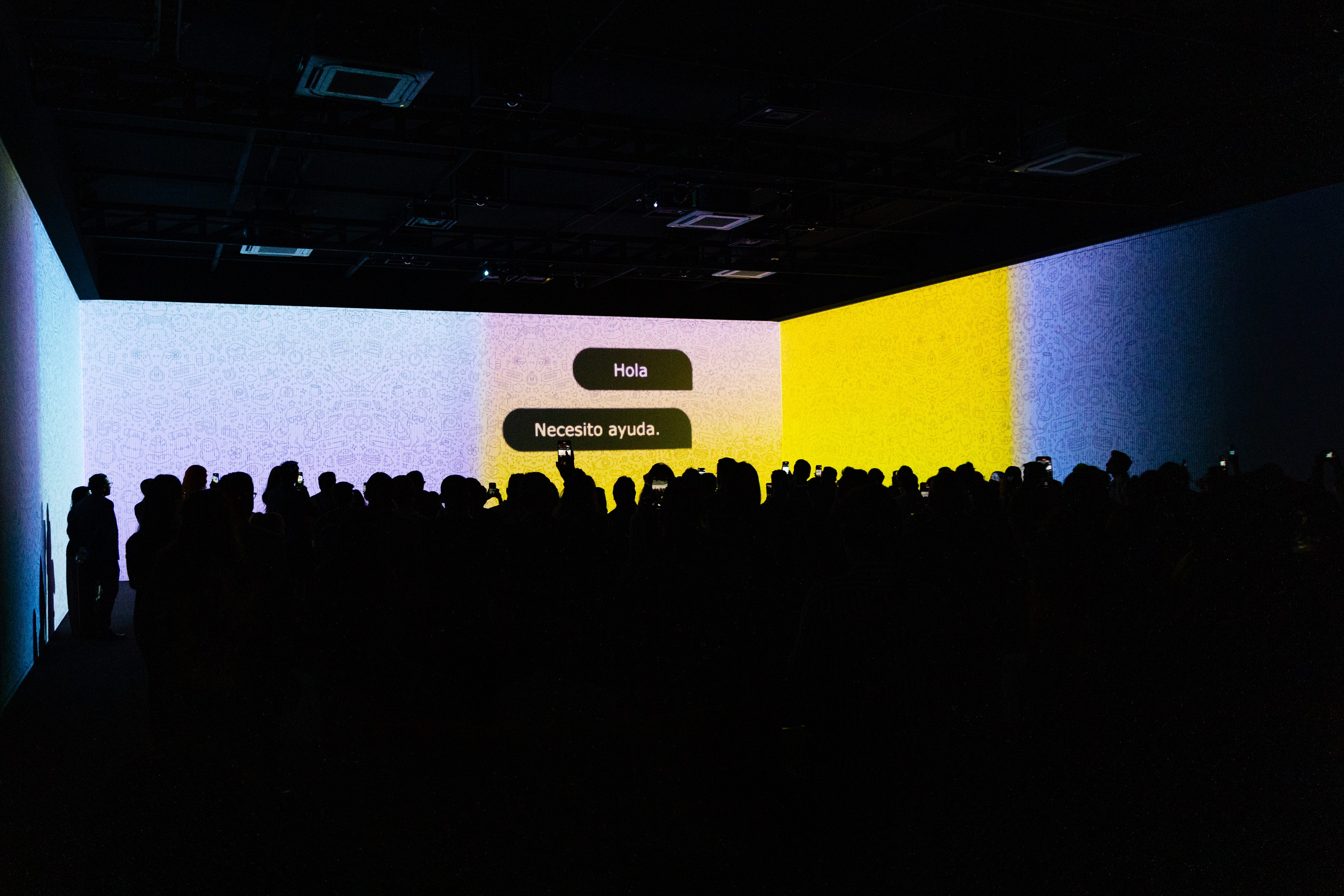
The results reveal a critical situation in the mental health of diverse youth in our country: over 57% of LGBTQ+ youth aged 13 to 17 seriously considered suicide last year, and 38% attempted suicide. In the 18 to 24 age group, the picture is equally alarming, with 46% considering suicide and 26% attempting it.
This reality is further complicated for transgender and non-binary youth, who face a disproportionate burden of mental health issues compared to their cisgender peers. 67% considered suicide and 45% have attempted suicide, contrasting with 44% and 25% respectively of cisgender youth. Discrimination and rejection are factors that undermine their mental health. Nearly half of transgender and non-binary youth in Mexico reported being discriminated against for their gender identity during the past year.
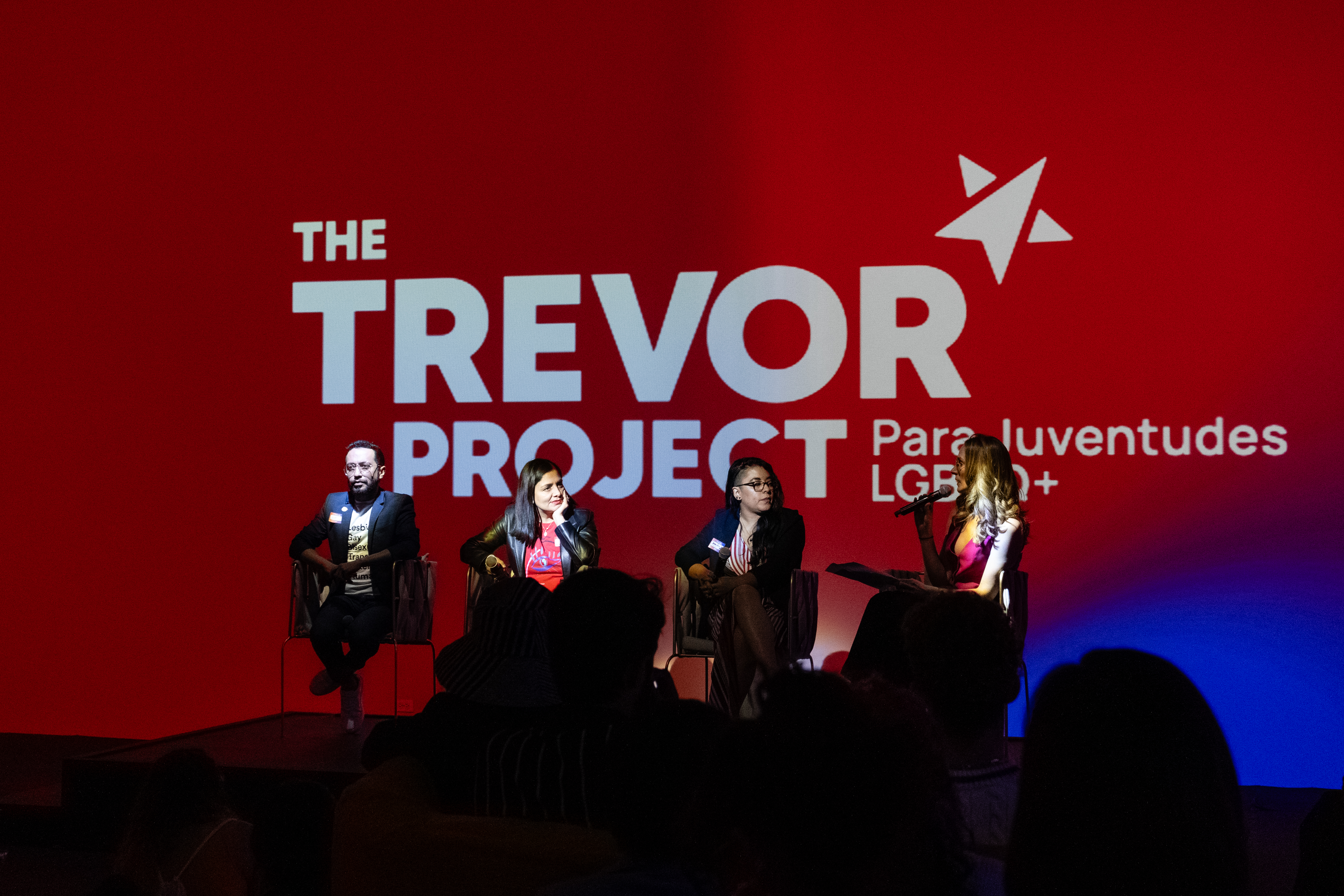
"These findings reveal that there is an urgent mental health crisis among LGBTQ+ youth in Mexico that must be addressed," said Dr. Ronita Nath (she/her), Vice President of Research at The Trevor Project in the United States. "While research on this topic is very limited in Latin America, this study reinforces that suicide among LGBTQ+ youth is a global public health crisis. Suicide risk rates among this group are alarming, particularly among those with multiple marginalized identities. The data underscore the immediate need for systematic and specific prevention efforts nationwide. We urge mental health professionals, lawmakers, educators, and other adults working with youth to approach any intervention from an intersectional perspective to help LGBTQ+ youth in Mexico lead the happy and healthy lives they deserve."
Given this context, Edurne Balmori (she/her), Executive Director of The Trevor Project, noted: "These figures are not just statistics; they represent lives at latent risk that can be prevented. A crucial finding is that access to affirmative spaces, such as a home, acts as a protective factor against depression, anxiety, and suicide in this population. It is essential to immediately address the comprehensive mental health of LGBTQ+ youth. This approach must transcend institutional boundaries, reaching local communities. It is essential to actively promote diversity education and forge an environment that ensures every LGBTQ+ youth can live without fear or discrimination."
In Mexico, we face a reality where safe spaces are scarce. Less than 22% of the surveyed youth expressed having access to an affirmative home, and only 34% felt fully accepted by their family after coming out. Additionally, among those who attempted suicide last year, 77% expressed that the motivation was related to their family situation, and 60% to the school environment.
Although this study marks a significant step towards understanding and addressing the mental health of diverse youth in our country, it highlights the distance we still have to travel. For this reason, The Trevor Project makes an urgent call to action:
- Government Institutions: Develop inclusive and accessible policies that specifically and intersectionally address the mental health needs of LGBTQ+ youth, including effective political action to eradicate ECOSIG in the country.
- Media: Contribute to an inclusive dialogue that breaks stereotypes and destigmatizes mental health.
- Health Professionals: Expand mental health services specifically targeted at LGBTQ+ youth, ensuring easy and confidential access to address their needs. Greater training for medical and mental health professionals on LGBTQ+ identities and experiences is necessary, as well as systemic political efforts to increase access to these services.
- Families, Friends, and Local Communities: Create safe, supportive, and affirming environments, thus contributing to a social fabric that fosters mental well-being.
Likewise, we emphasize the vital importance of the role played by organizations, activists, and health professionals in this process. The effective implementation of strategies and programs aimed at addressing the underlying causes of the challenges faced by diverse youth in the country is essential to achieve transformative change.
To access all detailed results of the 2024 Survey on the Mental Health of LGBTQ+ Youth, please visit: www.thetrevorproject.mx/encuesta/2024/es/
The Trevor Project Mexico, in collaboration with Juan José Tejada, content creator and host of the Así Me Siento Podcast, provides the episode "109. Mental Health in LGBTQ+ Youth" which addresses the survey information as well as the voices of experts on the subject.
About The Trevor Project
The Trevor Project is the leading organization in crisis intervention and suicide prevention for LGBTQ+ youth (lesbian, gay, bisexual, transgender, queer, and more). The Trevor Project in Mexico has trained staff who assist youth when facing issues such as coming out, gender identity, depression, and suicidal ideation.
The digital crisis management services in Mexico, TrevorText and TrevorChat, are free, safe, and confidential, operating 24 hours a day, 365 days a year via WhatsApp message to 55 9225 3337 by sending the word "Start" or through the chat on the Trevor website.
Follow us on:
Facebook, Instagram, TikTok: @trevorprojectmx
Linkedin: @TheTrevorProject
YouTube: @TheTrevorProjectLatinoamerica
Related Documents
- https://storage.googleapis.com/accesswire/media/835422/2024-mexico-national-surveyesfinal-1.pdf
- https://storage.googleapis.com/accesswire/media/835422/mas-de-la-mitad-de-las-juventudes-lgbtq-en-mexico-consideraron-el-suicidio-el-ano-pasado-the-trevor-project.pdf
SOURCE: The Trevor Project