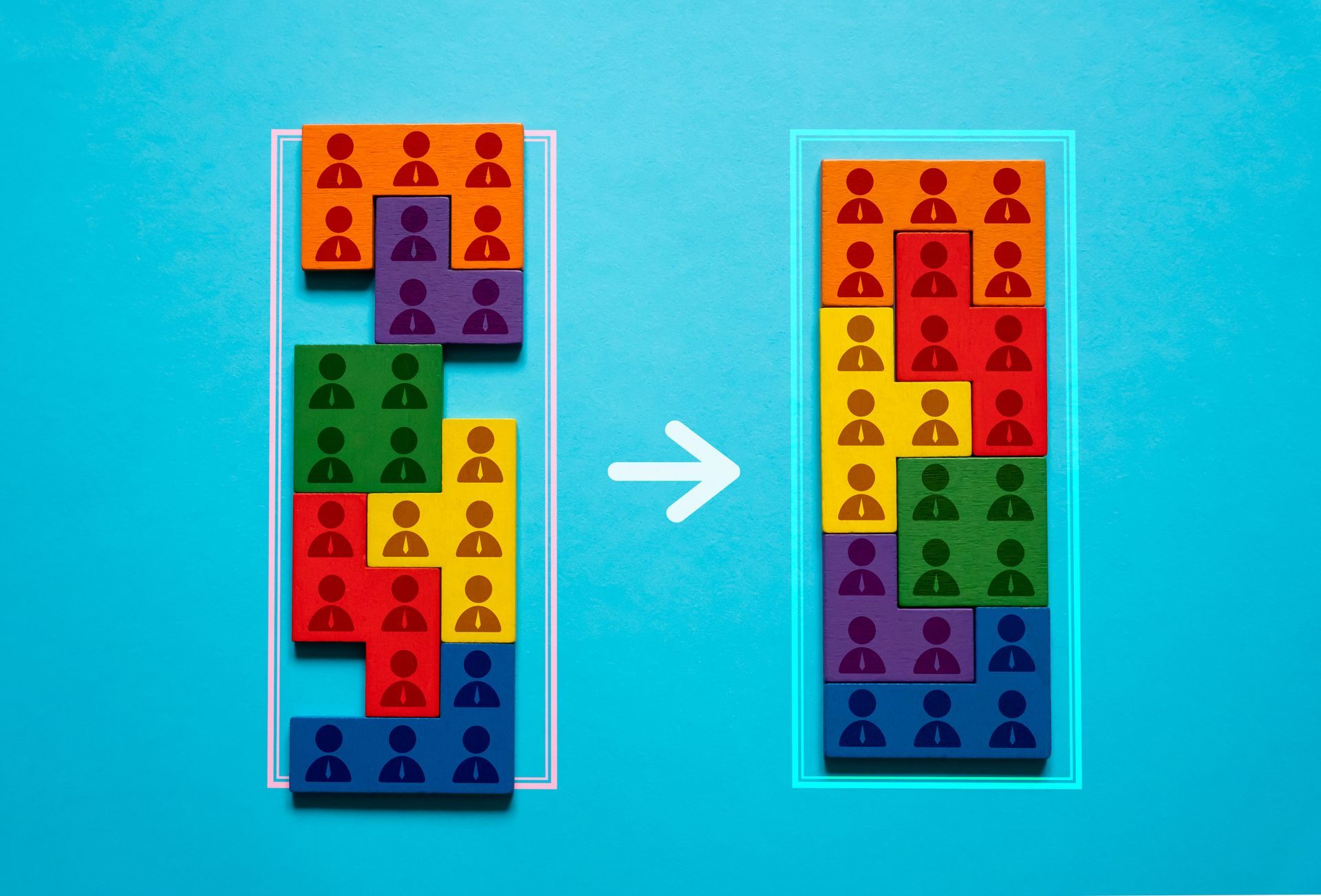
The Problem with Overcrowded Data Reports in PR and Marketing
1. Information Overload
Having too much data can be just as problematic as having too little. When reports are cluttered with excessive information, it becomes challenging to identify which metrics truly matter. This information overload can lead to paralysis by analysis, where professionals spend more time sifting through data than making strategic decisions.
2. Inconsistent Data Sources
Marketing and PR teams often pull data from various sources, including social media analytics, web traffic tools, email marketing platforms, and media monitoring
services
. When these sources provide conflicting data or present metrics in different formats, it can be difficult to get a unified view of performance.
3. Lack of Actionable Insights
Reports that are too dense or include unnecessary metrics make it hard to extract actionable insights. Data should serve a purpose—whether it’s informing strategy, measuring success, or guiding decisions such as how to find your target audience
. When reports are overcrowded, the focus shifts from insights to merely organizing and presenting information.
Why Simplifying Data Reporting Is Essential
1. Better Decision-Making
Simplifying data helps PR and marketing professionals focus on what really matters. By filtering out noise and highlighting key metrics, you can make quicker, more informed decisions. Instead of spending time interpreting dozens of metrics, you can zero in on the most relevant data points to drive strategy.
2. Improved Efficiency
Streamlined data reports reduce the time spent on data collection and analysis. This allows teams to focus on other crucial activities like content creation, media outreach, or campaign planning. Simplified data saves time and resources by making reporting more manageable and less time-consuming.
3. Clearer Communication
Whether you’re sharing reports with clients, executives, or team members, simplified data ensures that everyone understands the key takeaways. Clear and concise reports foster better communication by focusing on the metrics that align with business goals.
How to Simplify Data Reporting for PR and Marketing
1. Identify Core Metrics That Matter
Not all metrics are created equal. The first step to simplifying data reporting is to identify the core metrics that align with your business objectives. For PR and marketing professionals, this may include:
- Media Mentions : Number of times your brand or campaign was mentioned in the media.
- Website Traffic Sources : Traffic from PR campaigns or specific marketing efforts.
- Social Media Engagement : Key metrics like shares, likes, comments, and reach.
- Lead Conversions : The number of leads generated from a campaign.
- Email Open and Click-Through Rates : For email marketing campaigns.
By focusing on a few key performance indicators (KPIs), you can eliminate the clutter and make reports more meaningful.
2. Consolidate Data Sources
Rather than pulling data from multiple sources, try to consolidate information into a single dashboard or report. Tools like Google Data Studio , HubSpot , and Octoboard can integrate various data streams into one place, providing a unified view. This approach helps reduce inconsistencies and gives you a clearer picture of your overall performance.
3. Set Benchmarks and Goals
To make data more actionable, compare your metrics against benchmarks or specific goals. For instance, if your goal is to increase social media engagement by 20% over the next quarter, report only the metrics that relate to that goal. Benchmarks make it easier to see whether you're meeting expectations or need to adjust your strategy.
4. Use Visuals to Highlight Key Takeaways
Visual elements like charts, graphs, and infographics can help make complex data more digestible. Use visuals to highlight key takeaways or trends, making it easier for stakeholders to understand the most important points. Remember, visuals should enhance your reports, not complicate them, so keep them simple and focused on the core message.
5. Create a Standard Reporting Template
Developing a consistent format for your reports helps streamline the reporting process. Use a standard template that includes sections for key metrics, analysis, and actionable recommendations. This approach not only saves time but also ensures that everyone on the team is on the same page.
6. Automate Where Possible
Automation tools can help reduce the time spent on manual data collection and report generation. Look for tools that can pull data automatically from various platforms and compile them into easy-to-read reports. Automation ensures consistency and minimizes human error, freeing up more time for strategic tasks.
PR and Marketing Efforts: The Impact
of Simple Data Reporting
By implementing a simplified approach to data reporting, PR and marketing professionals can:
- Focus on What Drives Results : Concentrate efforts on the metrics that have the most
significant impact on campaigns
.
- Gain Clarity in Strategy : Use clear data to inform strategies and pivot quickly when necessary.
- Improve Accountability : With streamlined reporting, it’s easier to track progress toward goals and hold teams accountable for results.
- Enhance Client and Stakeholder Communication : Deliver reports that are easy to understand, enabling better conversations about strategy and performance.
Conclusion: For PR and Marketing Data Reporting,
Less is More
In a world where data is abundant, more isn’t always better. For PR and marketing professionals, the goal should be to simplify data reporting to focus on the insights that truly matter. By identifying core metrics, consolidating data sources, and using visual tools effectively, you can turn data into actionable insights that drive better results. You can then use these insights to inform various PR tactics, including your press release distribution
strategy.
Remember, when it comes to data reporting, less is often more . The key is not in the volume of data but in the clarity and relevance of the information you present.